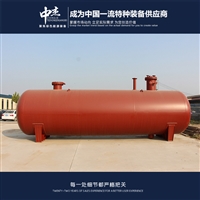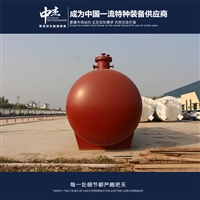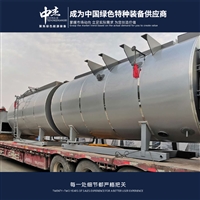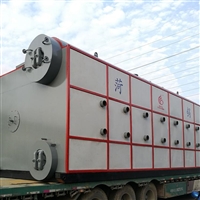
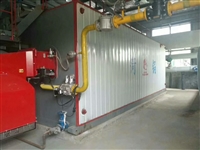


Waste heat boiler manufacturer, waste heat boiler * energy-saving waste heat boiler manufacturer, contracted after-sales service
Category:
mechanical equipment/Industrial boilers and accessories/Waste heat boiler
Model:
Brand:
Zhongjie Special Equipment
Retail Price
185,000.00USD
重量
kg
- Product Description
-
Description :
Causes and hazards of coking in thermal oil boilers
When the heat transfer oil furnace is working, the heat transfer oil is often in an environment of high temperature and contact with air. Just like tea stains on a cup used for long-term brewing, a heat-conducting oil furnace that operates at high temperatures for a long time can also produce furnace coke on the wall of the furnace tube. The main components of thermal oil furnace oil coke are wax, gum, asphalt, carbides, inorganic salts, organic polymers, catalysts, etc. Under the combined action of heat, mechanics, and chemistry, thermal oil undergoes complex chemical reactions. One type is cracking reaction, where the chains of alkanes break and the molecules become smaller, resulting in macroscopic indicators such as decreased viscosity and flash point. The other type is polymerization reaction, where the broken chain alkanes are re coupled into larger molecules of alkanes or cyclic hydrocarbons, with macroscopic indicators such as increased viscosity, flash point, more intense cracking and polymerization reactions, and gradually separated from the thermal oil liquid phase. Afterwards, dehydrogenation carbonization coking occurred, and the pipeline gradually became blocked by coking.
For heat transfer oil with significant coking and viscosity changes, it is not suitable to continue using it, and the pipeline needs to be cleaned of coking. Otherwise, it is easy to have serious consequences, such as reduced thermal efficiency, increased energy consumption, equipment damage, and even fire. For example, when there is asphalt in the heat transfer oil or coking on the pipe wall, the coking rate will increase and become thicker as the coking progresses. Due to the fact that thermal oil coke is not a heat transfer substance, when a 10mm thick thermal oil coke is deposited on the wall of the thermal oil furnace tube, the temperature difference between the inner and outer walls of the furnace tube can reach over 300 ℃. That is to say, when the temperature of the heat transfer oil on the inner wall of the furnace tube is 300 ℃, the temperature of the outer wall of the furnace tube needs to reach above 600 ℃, and the furnace temperature needs to be higher in order to achieve the required heat transfer. At this time, the furnace tube is prone to overheating. Due to the pressure inside the furnace tube, bulges may first form on the furnace tube and continue to overheat, causing the bulges to crack and leak oil under pressure. When exposed to a fire source, they will ignite, so coking in the heat transfer oil furnace is the main cause of fire in the heat transfer oil furnace.
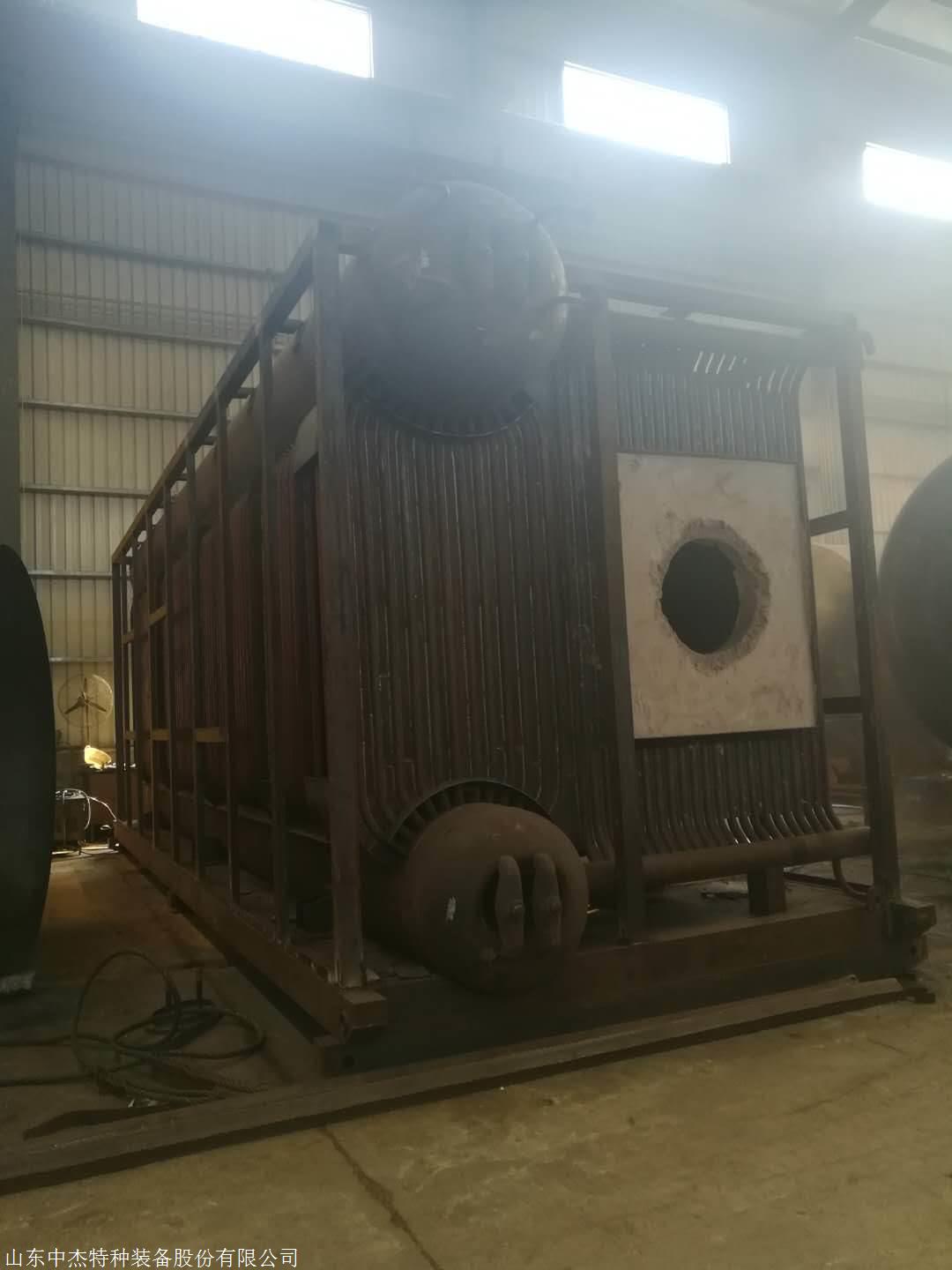
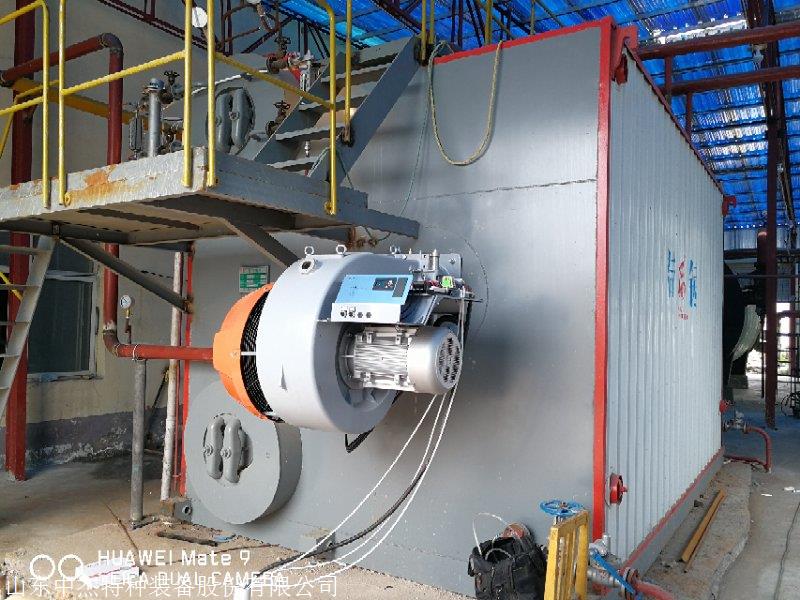
The heat transfer oil pump is essential in heat transfer oil boilers. It has the characteristics of simple structure, small volume, saving operating costs, good performance, and reliable use. It adopts a self heating heat dissipation structure, which changes the traditional water cooling structure. Currently, China has developed the second generation product based on the digestion and absorption of foreign oil pumps. The basic structural form is a single-stage single suction cantilever foot support structure. The inlet of the pump is axial suction, and the outlet is vertically upward from the center. It is installed on the base together with the motor.
After running for a period of time, the thermal oil boiler needs to be inspected and maintained, especially for the thermal oil pump. If any vulnerable parts of the thermal oil pump are damaged, they should be replaced in a timely manner. Here is the disassembly sequence of the thermal oil pump:
1. Drain the medium from the pump;
2. Unscrew the fixing bolts of the motor, move the motor away from the base, and remove the two halves of the coupling from the heat transfer oil pump;
3. Unscrew the connecting bolts between the pump cover and the pump body, unscrew the fixing bracket bolts, and extract the pump cover, bearings, and rotor parts from the pump;
4. Unscrew the impeller nut and remove the impeller;
5. Remove the retaining ring and sealing packing from the sealing chamber on the pump cover;
6. Unscrew the connecting bolts between the pump cover and the bearing, and remove the pump cover;
7. Unscrew the oil injection hole and drain the lubricating oil from the bearing body completely;
8. Unscrew the connecting bolts between the bearing body and the bearing cover, and remove the bearing cover;
9. Use a press or wooden hammer to press or drop the pump shaft from the impeller end of the pump shaft, and then remove the pump shaft;
10. Remove the elastic retaining ring, rubber oil seal, oil guide ring, and front bearing from the bearing body;
11. Remove the retaining ring on the pump shaft with spring calipers and press out the bearing.
AfterSalesService :
Key words:- waste heat boiler
More Products