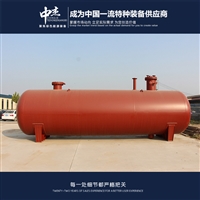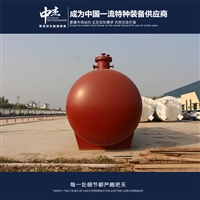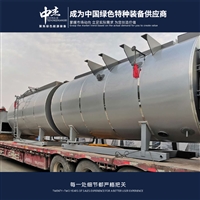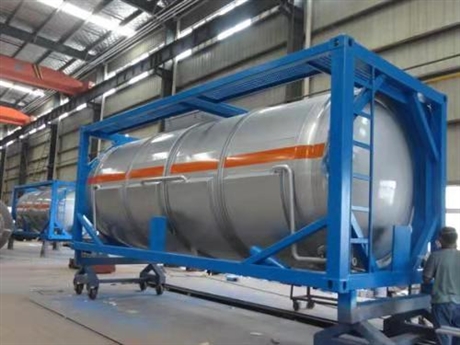

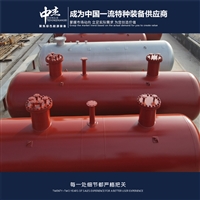




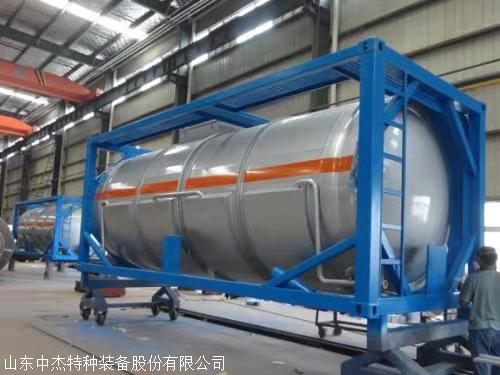
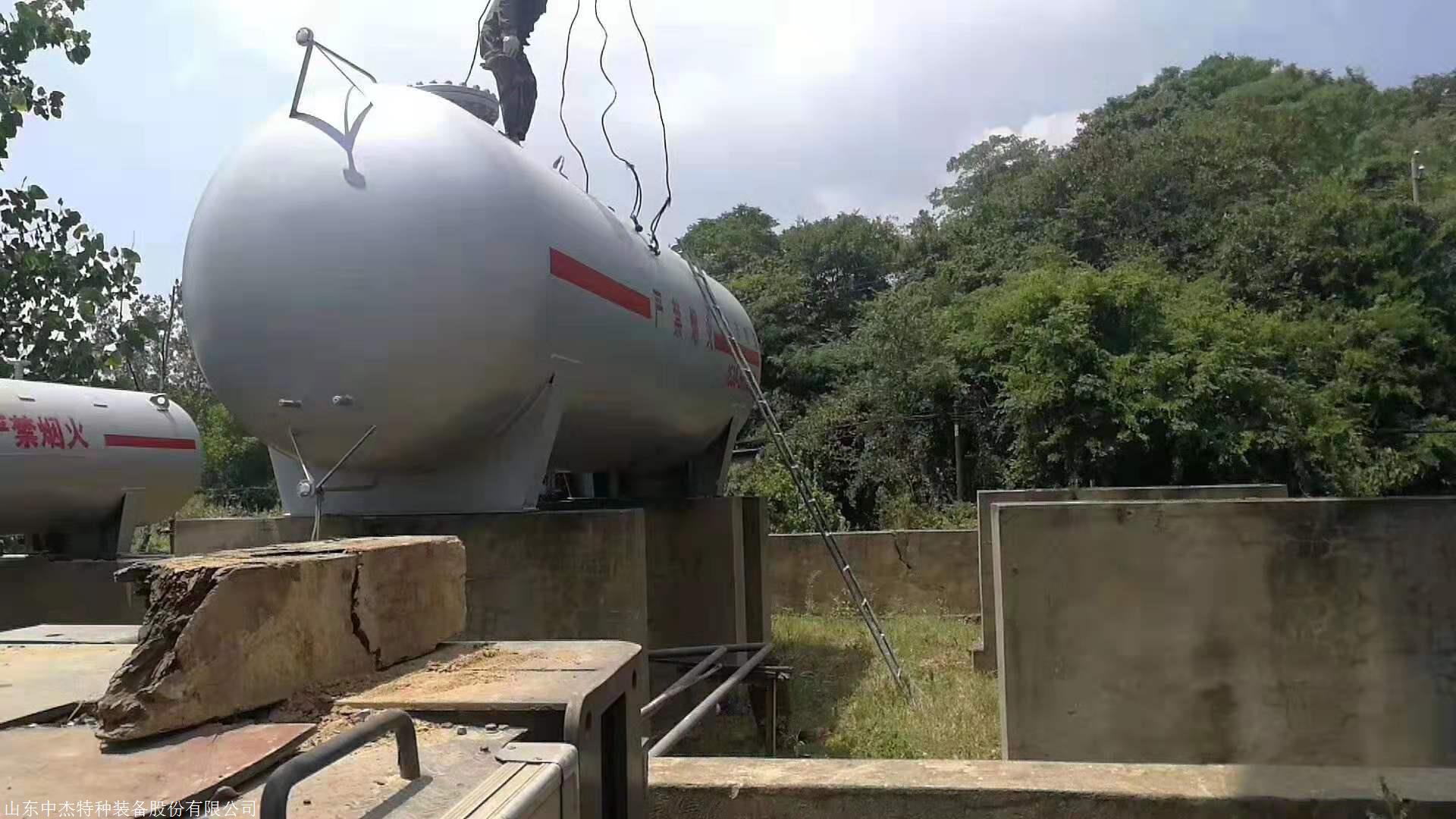
Shandong manufacturer customized liquefied gas storage tank, liquefied petroleum gas residual liquid tank, liquefied gas storage tank filling station
Category:
mechanical equipment/Storage and transportation equipment/storage tank
Model:
Brand:
Zhongjie Special Equipment
Retail Price
85,000.00USD
重量
kg
- Product Description
-
Description :
Comprehensive inspection and defect treatment of liquefied gas storage tanks
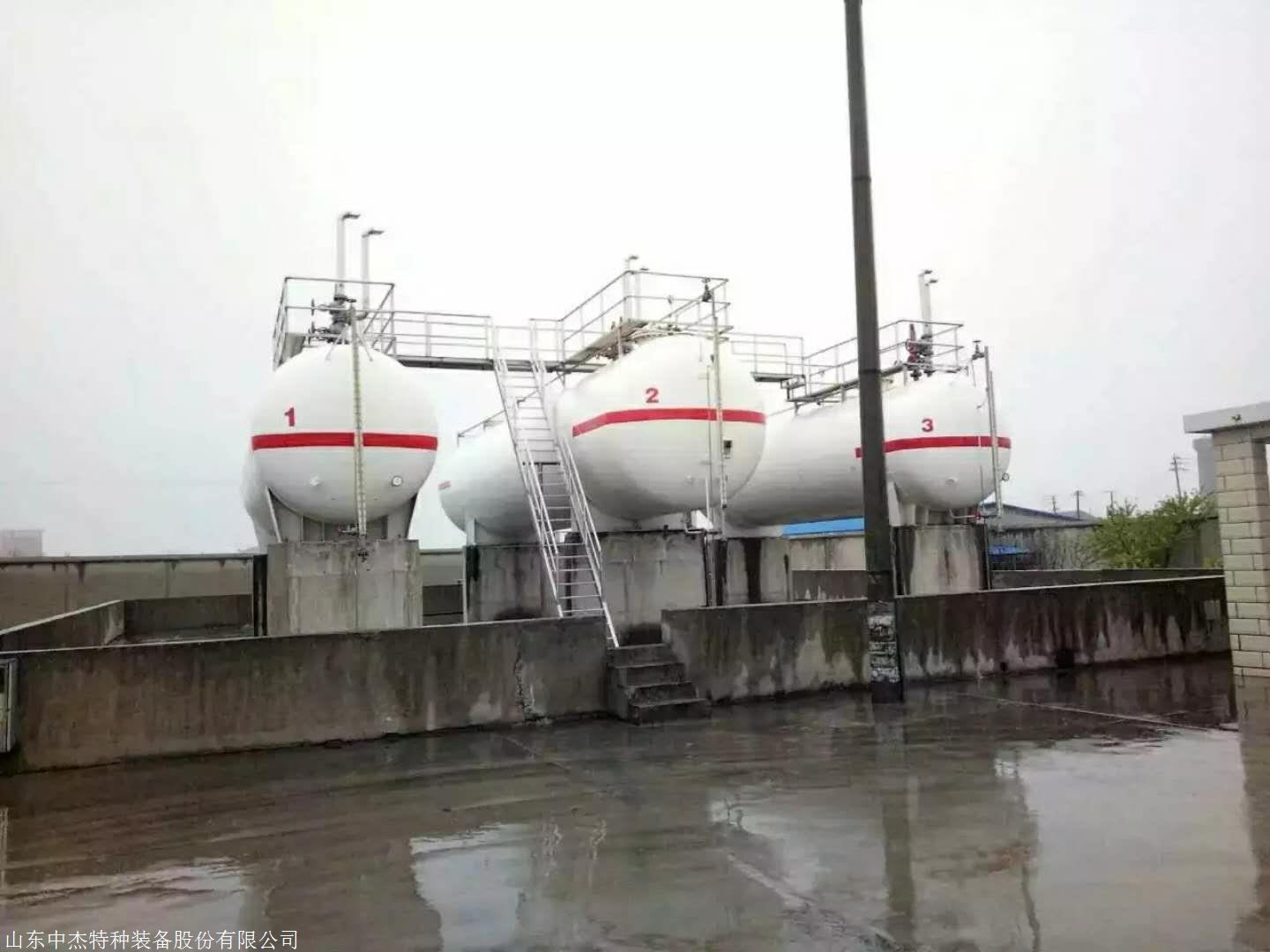
Comprehensive inspection and defect treatment of liquefied gas storage tanks. Cylindrical liquefied gas storage tanks are widely used in petroleum, chemical, metallurgical, and urban gas supply industries. The manufacturing and installation of cylindrical liquefied gas storage tanks are relatively simple, with lower installation costs, but they consume a large amount of steel and occupy a large area. When the total storage capacity is less than 500 m3 or the volume of a single liquefied gas storage tank is less than 120 m, it is more economical to choose a cylindrical liquefied gas storage tank. Cylindrical liquefied gas storage tanks can be divided into two types based on installation methods: horizontal and vertical. Cylindrical liquefied gas storage tanks are mostly horizontal, and only in special occasions are vertical tanks selected. Moisture and H2S are closely related to the corrosion of liquefied gas storage tanks. Controlling the moisture and H2S content within a reasonable range can effectively slow down the corrosion cracking of steel. The quality of liquefied gas storage tanks is not only related to enterprise production, but also to personal safety. Once an accident occurs, it will be catastrophic and cause huge property losses to both the company and the country. Therefore, it is necessary to carry out regular inspections, defect repairs, and evaluations of liquefied gas storage tanks in accordance with relevant national regulations to ensure the safety of enterprise production. This article analyzes and deals with the defects found in the comprehensive inspection of liquefied gas storage tanks, and proposes preventive measures to ensure the safe operation of liquefied gas storage tanks, effectively reduce maintenance costs, and bring good economic and social benefits to enterprises. Overview of LPG Liquefied Gas Storage Tanks: A liquefied gas storage tank was put into operation in December 1993 at a gas supply station of a certain gas limited liability company. In October 1996, an open tank inspection was conducted, and the safety status level was set at level 1; The second comprehensive inspection was conducted in November 2001, and the safety status level was set at level 3; The third comprehensive inspection was conducted in December 2004, and the safety status level was set at level 3; The fourth comprehensive inspection was conducted in December 2007. The liquefied gas storage tank is horizontal, and the weld layout is shown in Figure 1. The main technical parameters of liquefied gas storage tanks are shown in Table 1. On the basis of understanding the usage of liquefied petroleum gas storage tanks and reviewing relevant information, a comprehensive inspection plan for LPG storage tanks is formulated. The main inspection items include macroscopic inspection, wall thickness measurement, non-destructive testing, hardness measurement, safety accessory inspection, pressure resistance test, etc. After comprehensive inspection, it was found that the main defects were the amount of misalignment, edge angle, and cracks formed during use left over from the original manufacturing process. The specific situation is as follows. 2.1 Macroscopic inspection results show that the longitudinal seam misalignment of the buried liquefied gas storage tank is 3 mm, and the circumferential seam misalignment is 3.5 mm. The angularity of both the longitudinal and circumferential seams is 3.5 mm, and the weld height is 3 mm. There is slight uniform corrosion with a value of ≤ 0.5 mm, and all other parameters are qualified. 2.2 Wall thickness measurement was conducted on key areas of underground liquefied gas storage tanks, with representative measurement locations and sufficient measurement points. The measured small wall thickness was 16.5 mm. 2.3 Non destructive testing 2.3.1 Magnetic particle testing was performed on the butt welds on the inner and outer surfaces of the liquefied gas storage tank, as well as within a range of 150 mm on both sides of the weld. A total of 8 surface cracks were found on the inner and outer surfaces. 2.3.2 Penetrant testing was performed on the fillet welds of the inlet and connecting pipes of the liquefied gas storage tank, as well as on areas that could not be subjected to magnetic particle testing, and no defects were found. 2.3.3 Ultrasonic testing was conducted on the butt welds on the inner surface of liquefied gas storage tanks, and no defects were found. 2.4 Hardness testing: HL-80 Leeb hardness tester is used to perform hardness testing on liquefied gas storage tanks (including all crack locations). Each measuring point includes the base material liquefied gas storage tank, heat affected zone, and weld seam at that location. It was found that the hardness value at the crack location was 40 HB higher than that far away from the crack. 2.5 Safety accessory inspection: The safety valves, pressure gauges, thermometers, and level gauges of the liquefied gas storage tank are calibrated and qualified to ensure the safe operation of the tank. The areas with excessive misalignment and edge angles discovered during the macroscopic inspection of defect handling belong to the original manufacturing defects. Years of usage experience have proven that the original state can be retained without any other defects. Polish and eliminate all cracks, and the pits left after polishing become new defects in the liquefied gas storage tank. The pit size is 80mm long, 50mm wide, and 3mm deep, located at the point where the liquid level fluctuates frequently. According to the above evaluation results, the liquefied gas storage tank meets the requirements for safe use in the future. Therefore, the following conclusion can be drawn: the safety status level of liquefied gas storage tanks is set at level 3; Under the conditions of pressure ≤ 1.6 MPa, temperature at room temperature, and medium of liquefied petroleum gas, the next comprehensive inspection date is December 2010. From the analysis of the location, size, hardness test values, and usage of liquefied gas storage tanks, the cause of crack formation is stress corrosion. 4.1 Elements of Stress Corrosion Cracking Stress corrosion cracking must have certain conditions to occur. It contains three elements. (1) Sensitive metals. The composition, structure, and processing state of metals determine their susceptibility to stress corrosion. (2) Specific media environment. For certain metals, stress corrosion cracking only occurs in specific dielectric environments. (3) Under tensile stress. The greater the tensile stress, the shorter the time required for the material to fracture, and the required stress for fracture is lower than the yield strength of the material, generally about 70% of the yield strength. 4.2 Reasons for crack formation: During macroscopic inspection, areas with excessive misalignment and edge angles were found to generate significant concentrated stress due to structural discontinuity. The heat treatment effect during manufacturing is poor, and the residual welding stress has not been completely eliminated. The actual hardness value measured at the crack is 40 HB higher than that far away from the crack, and the stress corrosion caused by H2S is closely related to the hardness of the steel. According to the information provided by the user, it was found that the liquefied petroleum gas in the tank comes from different manufacturers, so it is difficult to ensure that the moisture and H2S content are controlled within a reasonable range. The content of H2S in the tank reached 800 mg/L for a period of time, far exceeding the specifications in the design data [4]. According to relevant information, generally speaking, the concentration of H2S must be controlled below 464 mg/L. The content of H2S in the medium severely exceeds the standard, causing a large amount of HS to adsorb on the surface of the liquefied gas storage tank. 16 MnR low-alloy high-strength steel, media with severely excessive H2S content, and high hardness and high stress environments are sufficient to cause stress corrosion cracking of H2S. Therefore, the cause of cracking in liquefied gas storage tanks is stress corrosion. Conclusion (1) Through comprehensive inspection and defect handling of the liquefied gas storage tank, it is found that the tank operates safely under normal conditions and will not fail. (2) Although liquefied gas storage tanks that have undergone defect treatment are safe, due to the complexity of practical problems, it is recommended that companies minimize the operating pressure of liquefied gas storage tanks, reduce pressure fluctuations, strengthen online inspections, and shorten inspection cycles during their continued use. (3) Measures such as reducing welding residual stress and weld hardness, coating the inner surface with thermal sprayed aluminum and epoxy resin, and strictly controlling the content of moisture and H2S can effectively prevent stress corrosion cracking.
AfterSalesService :
Key words:- Liquefied gas storage tank
More Products