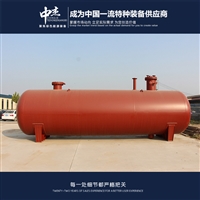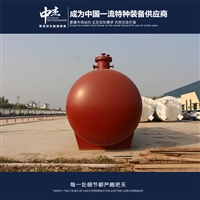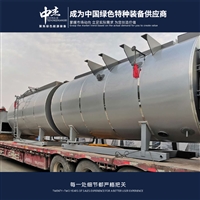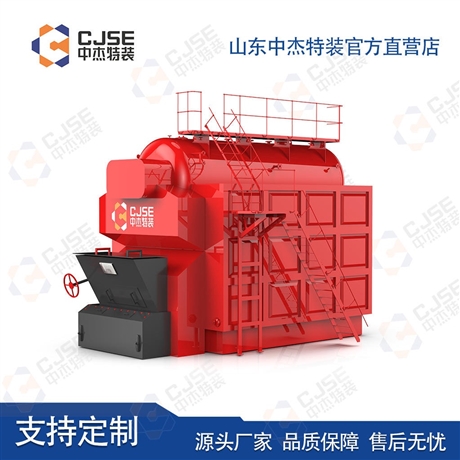

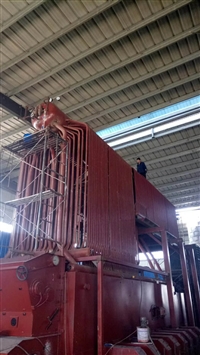

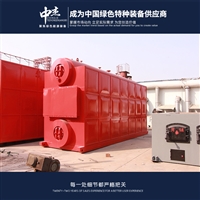

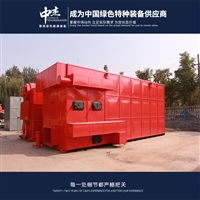
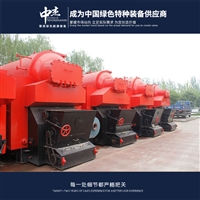

Biomass boiler manufacturer supplying 4 tons of biomass boilers to biomass boiler manufacturing units
Category:
mechanical equipment/Industrial boilers and accessories/biomass boiler
Model:
Brand:
Zhongjie Special Equipment
Retail Price
120,000.00USD
重量
kg
- Product Description
-
Description :
The descaling work of biomass steam boilers requires regular inspections by relevant personnel to ensure that the connections, supports, expansion joints, and insulation of the gas and water pipelines meet safety requirements and specifications. If metal structures are formed after preheating, problems such as creep and deformation may occur. If severe, it may cause overheating and pipe bursting. The scale layer is located between the metal wall and the heating medium, that is, between water and gas. Because the thermal conductivity of the scale layer is relatively low, it has a significant insulation effect. After scaling, the thickness of the metal wall will be greatly increased, thereby affecting the degree of heating. It is estimated that for the evaporation heating surface, the furnace chamber with deposited scale often experiences thermal collapse, while the heated pot shell with deposited scale often produces bulges. The heating surface tubes with deposited scale often burst due to overheating, resulting in greater fuel waste.
According to relevant experiments, when the working pressure of a steam boiler is 1.4 MPa, the 1mm mixed scale generated can waste about 8% of the fuel; At present, the use of steam boilers is still when the scale on the boiler condenses to a certain extent and begins to affect normal use. People only clean the scale on the boiler. During the entire process of scale condensation, a considerable amount of fuel is unknowingly wasted, which also causes varying degrees of damage to the steam boiler during use.
For biomass steam boilers, descaling is an important measure to save fuel. Boiler water can be treated with chemical reactions or equipped with water processors to achieve the desired descaling effect. It is recommended to minimize the occurrence of scaling throughout the entire process, which can extend the service life of the boiler to a certain extent.
Clever method for removing dirt from biomass boilers
After long-term use, if the boiler is not cleaned, dirt will be generated inside the boiler, which will affect the effectiveness of the boiler. When dirt is generated inside the boiler, it will cause the heating surface inside the boiler to be unable to transfer heat well, and the transfer effect is also relatively poor. In severe cases, during the reuse of the boiler, heat will also be eliminated during the exhaust process, greatly reducing the heat energy.
When dirt appears in the pipes inside the boiler, the flow area of the pipes will be reduced, and the water flow will be obstructed, making it impossible to carry out normal working cycles. After the dirt falls off and is not effectively discharged, it will also lead to dangerous situations such as expansion and deformation of pressure equipment in the long run.
Firstly, when using biomass boilers, try to use water with good water quality or treated water with low fouling rate to reduce the generation of fouling at the root.
The second is to add a water treatment process to the water circulation system inside the biomass boiler, to chemically dissolve the produced water slag and discharge the water containing slag in a timely manner to prevent sedimentation and scaling.
Next is the maintenance of the boiler, which should be cleaned regularly. Special descaling agents should be used to regularly treat the dirt on the inner walls of the boiler and pipelines. After cleaning, rinse with clean water multiple times until the water is clear.

AfterSalesService :
Key words:- biomass boiler
More Products