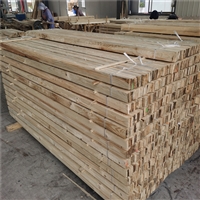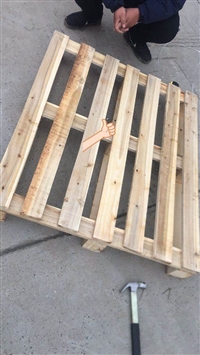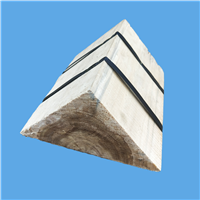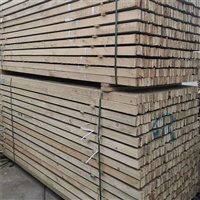

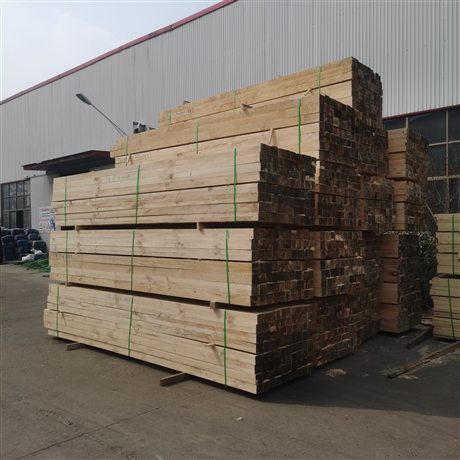


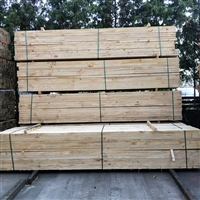

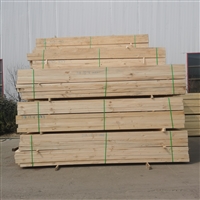
Zibo Baisong Wooden Square Building Wooden Square Junsheng Wood Industry Engineering Wooden Square Processing Factory
Category:
building materials/Wooden materials/Solid wood board
Model:
Brand:
Zhantu Wood Processing Factory
Retail Price
1,050.00USD
重量
kg
- Product Description
-
Description :


We usually consider from the perspective of protecting freshly produced wood, but there is also a considerable demand for supplementary protection of wood that has already been put into use. These treatments can be external or internal.
External preservatives include many chemicals mentioned earlier, but the formulation of the system may vary. For example, the underground part of wood is usually protected by using a preservative paste containing a combination of chemicals. Usually, these pastes contain both oily chemicals intended to be retained near the surface (such as copper cyclamate) and water-soluble chemicals intended to be moved into the wood at a certain distance to control any established fungi (such as boron or fluoride). These treatments are typically applied to existing utility poles at intervals of 10-15 years. The depth of the excavated rod is 600-900 millimeters, and any weakened wood will be scraped off. Measure the remaining perimeter of the structure to ensure it still has sufficient structural capacity, then apply the paste to the surface, cover it with a plastic coated barrier, and replace the soil.
Internal treatment can take various forms. The simplest method is to drill holes in gaps or other internal defects, and then pump in a preservative solution under slight pressure. The chemicals used for this method include copper cycloalkanoate, boron, and certain insecticide solutions. This method works well for insect passages coated with preservatives, but is not effective for fungal decay because the more dispersed the settlement pattern, the harder it is to pump chemicals to where they are needed. The interior of larger wood or wooden poles may be impermeable heartwood, and chemicals added to the gaps are unlikely to move into the wood.
There are two methods for conventional internal processing to prevent attenuation in gaps. Use compressed rods of boron or fluoride. These rods are applied through holes drilled above and below the gap. Insert the rod and plug the hole. The water in the two poles releases chemicals that slowly diffuse through the wood to prevent any fungal invasion. The time required for this process depends on the type of wood and moisture conditions, but it may take 2 to 3 years to achieve a level of protection. The advantage of these treatments is that the toxicity of chemical drugs is relatively low. The disadvantage of this treatment is that the chemicals affect the time required for established fungi, as the fungi will continue to degrade the wood until the chemical levels reach the protective threshold.
Another internal treatment method is to use chemicals that pass through the wood in the form of gas (fumigant). Fumigants were originally developed to sterilize the soil before planting. Although fumigants degrade rapidly in soil, some of their chemicals have significant interactions with wood and can still be detected within 2 to 20 years after application. Like boron/fluoride rods, fumigants are applied through holes drilled above and below the decaying area. Add chemicals and plug the holes. Chemical substances evaporate and move up and down from the pores. The advantage of fumigants is that they typically kill established fungi within one year after treatment, thereby reducing the risk of further wood damage to a certain extent. Four fumigants are used for wood treatment: (), meta sodium (32.1% sodium), methyl isothiocyanate (MITC), and dazomet. So far, it is the most effective fumigant, but also the most difficult to handle. As a result, its use is limited to wood far from residential areas, leading to a sharp decline in its usage. Metam sodium is another liquid fumigant widely used for wood and wooden poles. This chemical substance is gradually replaced by MITC and dazomet, both of which are solid at room temperature. MITC is usually used in aluminum tubes and will be transferred into wood after volatilization. Dazomet is a crystalline powder that decomposes in the presence of water to produce MITC. All of these treatments can quickly eliminate fungi and remain effective for at least 4-7 years after treatment. Can provide protection for up to 20 years.
AfterSalesService :
Key words:- White pine wood square
More Products