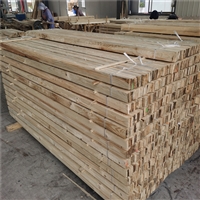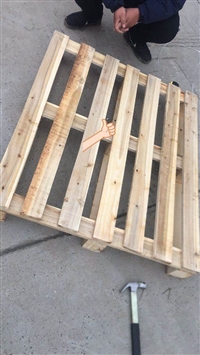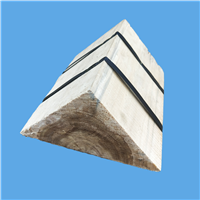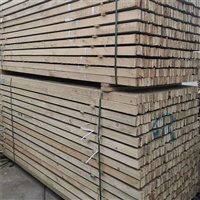

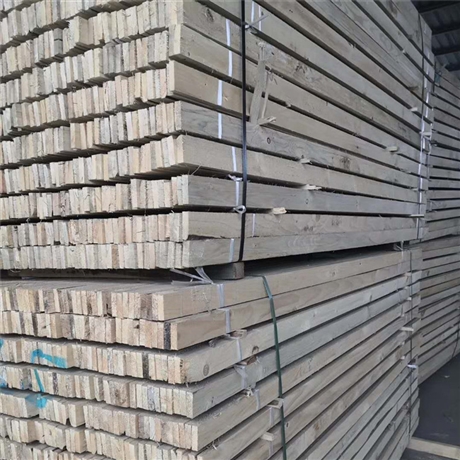



Rizhao Construction Timber Engineering Timber Manufacturer Construction Site Timber
Category:
building materials/Wooden materials/Solid wood board
Model:
Brand:
Zhantu Wood Processing Factory
Retail Price
1,050.00USD
重量
kg
- Product Description
-
Description :


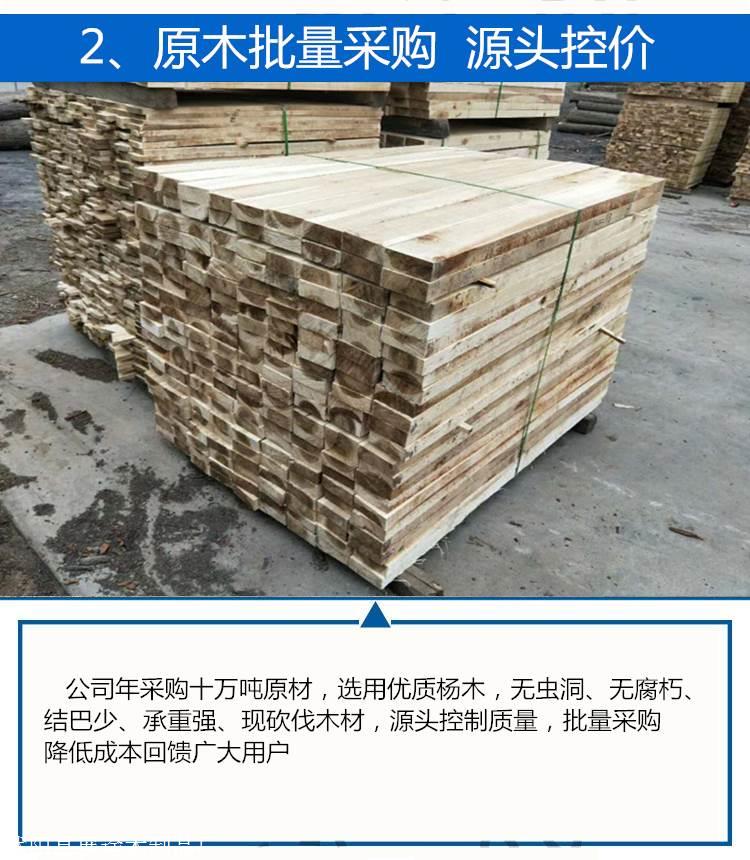
Wood can be divided into two categories based on its degree of processing: round wood and finished wood.
Round logs are divided into two types: raw logs and logs. Yuantiao refers to the felling of trees that only remove branches without sawing to a certain length. The original article can be used for scaffolding, building materials, and furniture in construction projects. A log refers to a tree trunk that has been felled and stripped of bark, branches, and treetops. Raw wood is divided into directly used raw wood and processed raw wood. Directly used logs can be used for construction projects such as roof trusses, purlins, rafters, etc; Processing logs for plywood, shipbuilding, vehicles, mechanical models, and general processing materials.
Finished materials include square materials, boards, etc. Square wood refers to wood with a width less than three times its thickness. Board refers to wood with a width greater than three times its thickness. Construction wood is usually supplied in three types of profiles: logs, boards, and square timber.
[2]
(1) The material grade of wood used for timber structures
According to the "Code for Design of Wooden Structures" (GB5005-2003), load-bearing structural materials are divided into logs, sawn timber (square timber, planks, specification timber), and glued laminated timber. Sawed timber is any size of finished or semi-finished timber made by sawing logs. Square wood refers to sawn timber that is cut at right angles and has a width to thickness ratio of less than 3, with a rectangular cross-section (including square). Board refers to rectangular sawn timber with a width that is three times or more the thickness. Specification wood refers to standardized wood that is processed according to the specified dimensions for the width and height of the wood section, as required for the design of lightweight wood structures. Glued wood refers to the general term for cylindrical timber and various types of boards made from wood through bonding and pressing.
According to the different types and sizes of defects in wood, the material grades of logs, square logs, and boards used for ordinary wood structures are divided into three levels from high to low: Ia, IIa, and IIIa; The material grades of laminated wood components are divided into three levels from high to low: Ib, IIb, and IIIIb; The material grades of specification materials for lightweight timber structures are divided into seven levels from high to low: Ic, IIc, IIIc, IVc, Vc, VIc, and VIIc. In the classification of material grades, Ia, Ib, and Ic materials have fewer defects in the wood.
When designing ordinary wooden structural components, the corresponding material grade should be selected according to the requirements of Table 8-4 based on the main purpose of the components. The logs, square logs, and boards used for ordinary wooden structures can be graded by visual inspection.
Table 8-4 Material Grades of Ordinary Wooden Structural Components
Main purpose of the item: Material grade 1, tensile or bending components Ia
2. Bending or compression bending members IIa3 compression members and secondary bending members (such as ceiling joists, etc.) IIIa glued laminated timber structural members should be designed according to the main purpose and part of the member, and the corresponding material grade should be selected according to the requirements.
When designing lightweight wooden structural components, the corresponding material grade should be selected according to the requirements of the component's purpose.
(2) Strength grade of wood
For the rational selection of direct wood, wood is divided into different strength grades. The strength grade of wood is determined by using mechanical stress measurement equipment to conduct non destructive ring tests on wood, and determining the grade based on the measured bending strength and elastic modulus of the wood. The wood strength grades of coniferous tree species are TC17, TC15, TC13, and TC11, while the wood strength grades of broad-leaved tree species are TC20, TB17, TB15, TB13, and TB11.
The main load-bearing components should be made of coniferous wood, and important wooden connectors should be made of corrosion-resistant hard broad-leaved wood with fine, straight lines, no joints, and no other defects.
[2]
In the process of template production and installation, the construction site of Rizhao Building's wooden square project uses a huge amount of square wood, and limited forest resources are gradually decreasing. Although countries are trying to reduce the use of wood as much as possible, wood is still the main material in some projects. During the construction process, the square wood gradually becomes shorter from the usual 4m length. After the project is completed, the construction site is piled up with short square wood, which is a pity to discard and difficult to use. In the current situation where the country orders the closure of mountains for afforestation, the supply of timber will become increasingly tight and prices will also increase. The use of steel pipes instead of square timber during template installation plays an extremely important role in conserving resources, protecting the environment, and reducing construction costs.
[3]
Wood is a natural organic material that is susceptible to spoilage by fungi and insects. Common fungi include mold, color changing bacteria, and decay bacteria. Fungi grow on the surface of wood, and color changing bacteria feed on the contents of wood cell cavities, without damaging the cell walls, and have little or no effect on the strength of wood. Decanting fungi use essential elements as nutrients for their own growth and reproduction, and secrete enzymes to decompose cellulose and hemicellulose in wood cell wall tissues, causing wood decay and reducing wood strength.
The insects that invade wood mainly include termites, long bark beetles, pink bark beetles, and longhorn beetles. They survive and reproduce inside the bark or wood, and erode the wood, resulting in a decrease in its strength.
AfterSalesService :
Key words:- Architectural timber
More Products