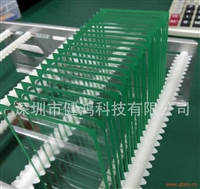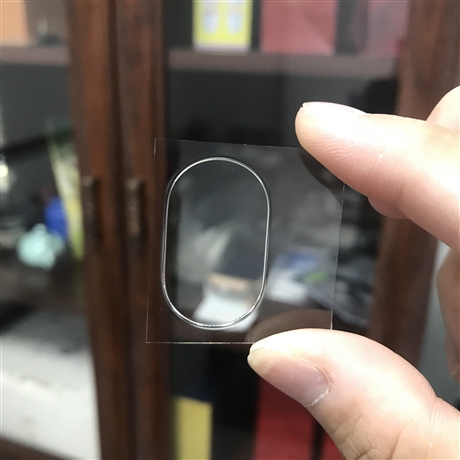

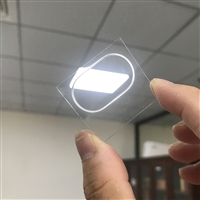
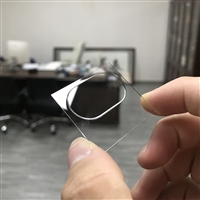
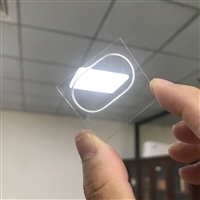
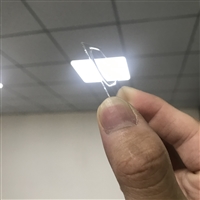
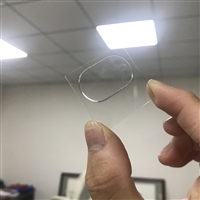
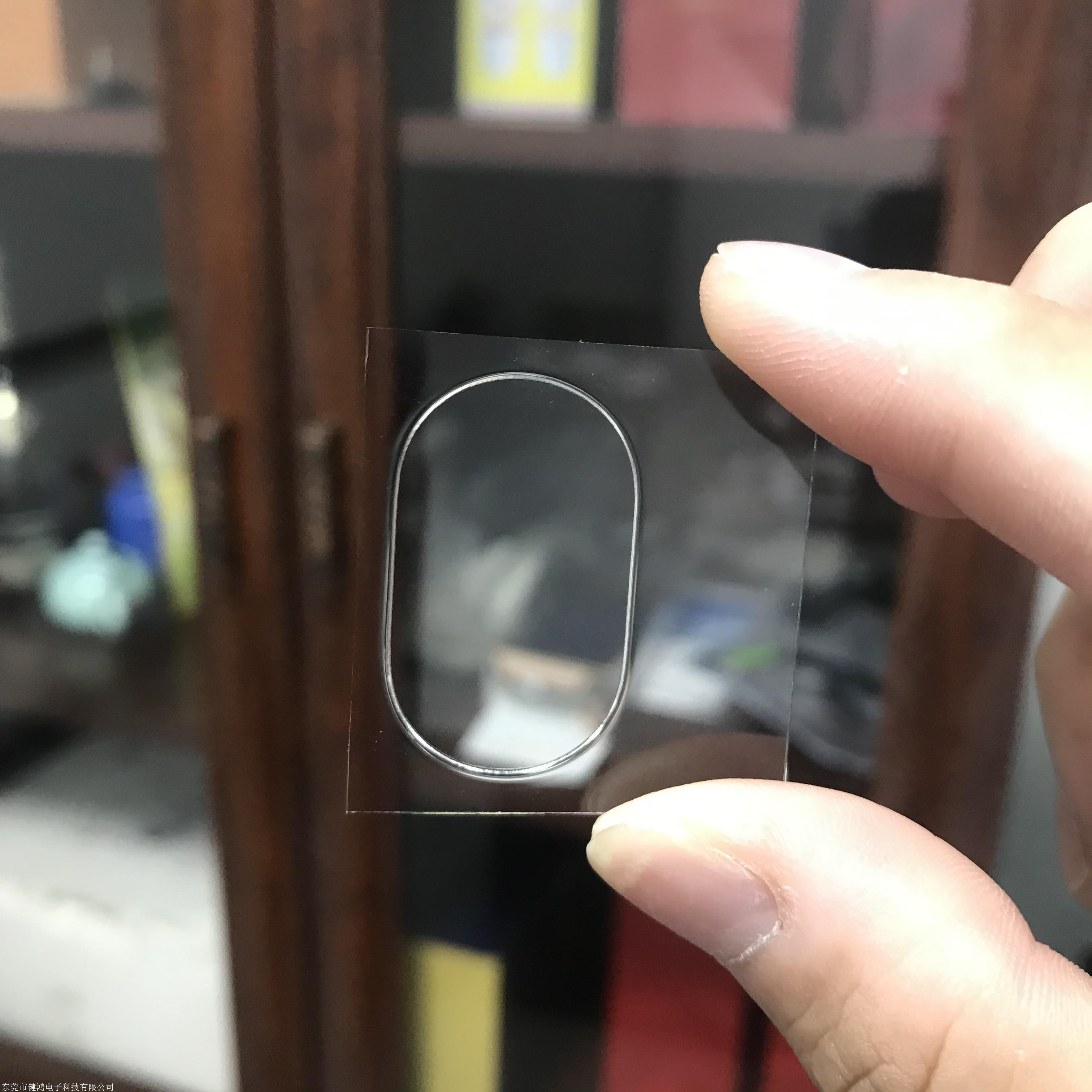
Fujian Back Cover White Film Camera Lens Etching Glass Etching Jianhong Etching Exquisite Technology
Category:
machining/Glass processing/Glass processing
Model:
Brand:
Jianhong Electronics
Retail Price
16.00USD
重量
kg
- Product Description
-
Description :
At present, with the continuous updating and replacement of mobile phones, the demand for mobile phone camera covers, LED glass covers, and 3D etching chips is also increasing, and the production process is also improving. Compared with traditional mechanical processing methods, laser processing efficiency is relatively high, which can save multiple programs, labor costs, production cycles, laser technology is easy to automate, and has a high degree of integration.Glass laser cuttingThe application of machines in optical glass is gradually becoming popular. Due to the thickness of the camera glass, laser cutting cannot be directly split, and chemical etching is required to perform splitting. Therefore, our company has specifically developed etching for glass after laser cutting to meet this demand, while also chamfering the edges of the glass to repair micro cracks at the edges.
Etched glass is a type of glass product that uses etchants to corrode engraved glass. Etched glass with text, patterns, or designs is used as decoration, which is beautiful and elegant. It is a commonly used glass product in architectural decoration. The existing etching process generally includes the steps of applying plastic film to both the front and back of the cleaned glass. The front side has a hollow pattern, and the back side is completely covered with plastic film. Then, it is soaked in etching solution. After removing the glass, the plastic film needs to be gradually torn off because the plastic film is glued to the glass surface, which is time-consuming and troublesome to tear off, resulting in low production efficiency.
In order to solve the above problems, aglass etchingThe process is characterized by the following steps:
Step 1, Prepare Etching Solution: Mix the following raw materials in parts by weight to make an etching solution: 50-60 ℃ hot water 16-20 ammonium hydrofluoric acid 20-25, oxalic acid 15-20, ammonium sulfate 16-18, glycerol 10-15, barium sulfate 25-30;
Step 2, Cleaning: Clean the glass;
Step 3, Printing: Use mesh cloth to print acid resistant ink on the cleaned glass;
Step 4, Drying: Dry the glass printed with acid resistant ink;
Step 5, Film Covering: Cover the dried glass with plastic film according to the desired pattern;
Step 6, Etching: First, place the prepared etching solution into the liquid tank, then start the horizontal cylinder of the glass suction device. The piston rod of the horizontal cylinder pulls the vacuum generator to move inside the slide rail, and the vacuum suction cup moves to the glass with the vacuum generator. Then start the vertical cylinder, and the piston rod of the vertical cylinder drives the vacuum generator and vacuum suction cup to move down through the slide rail. Then use the vacuum suction cup to suck up the glass, and the horizontal cylinder moves the glass above the liquid tank. The vertical cylinder starts to drive the glass to descend. The suction cup absorbs one side of the glass and exposes it to the etching solution. Soak the side of the glass to be processed in the etching solution for etching;
Step 7, one-time rinsing: Rinse the etched glass surface with clean water;
Step 8, Soda cleaning: Soak the glass after secondary rinsing in a solution of soda ash ratio;
Step 9, Secondary Cleaning: Rinse the glass surface with clean water;
Step 10, Film Removal: Tear off the plastic film on the surface of the glass;
Step 11, Four Cleanings: Clean the glass using a cleaning machine;
Step 12, Tempering: Temper the etched glass with the etched surface facing upwards.
The specification of the mesh used in step three is 200-250 mesh;The drying process in step four involves drying at a temperature of 120-150 ℃ for 5-8 minutes; The glass suction device in step six includes a vacuum suction cup for sucking glass, a vacuum generator connected to the vacuum suction cup, and an air compressor connected to the vacuum generator. The bottom surface of the vacuum generator is equipped with a slider, which is installed in a sliding rail. The side surface of the slider is connected to the piston rod of the horizontal cylinder that drives the slider to slide in the sliding rail, and the bottom surface of the sliding rail is connected to the piston rod of the vertical cylinder that drives it to move up and down; The soaking time for the glass in step six is 2-3 minutes.
Beneficial effects:
1. The pattern formed on the etched glass surface of the present invention can be maintained and will not change; The etched pattern is beautiful and clear, with a strong sense of three dimensionality.
2. The present invention utilizes a glass suction device to suction the glass with a suction cup, immersing the side of the glass to be processed in etching solution, avoiding both sides of the glass from being immersed in etching solution, and eliminating the step of attaching plastic film to the non processed side of the glass and removing the plastic film, thereby improving efficiency.
AfterSalesService :
Key words:- glass etching