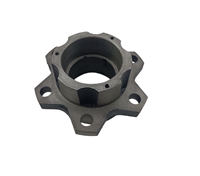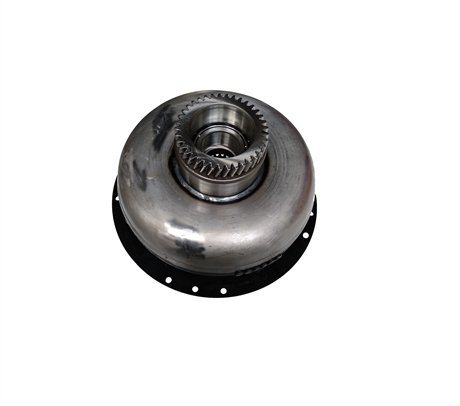

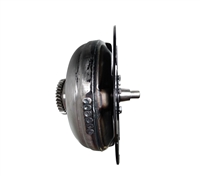
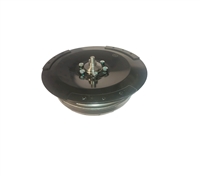
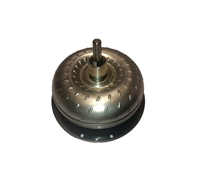
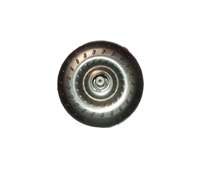
Cambodia Vietnam Mitsubishi forklift FD50 F19D S6S torque converter hydraulic torque converter 91K23-01010
Category:
mechanical equipment/construction machinery/forklift
Model:
FD50 F19D S6S 91K23-01010
Brand:
Mitsubishi
Applicable Models:
Mitsubishi FD50 Forklift
Supporting engine:
F19D
Supporting gearbox:
S6S
Part Number:
91K23-01010
Product Type:
torque converter
Transmission method:
Hydraulic transmission
Shell material:
aluminum alloy
working medium:
Automatic transmission fluid (ATF)
Retail Price
10,000,000.00USD
重量
kg
- Product Description
-
Applicable Models Mitsubishi FD50 Forklift
Supporting engine F19D
Supporting gearbox S6S
Part Number 91K23-01010
Product Type torque converter
Transmission method Hydraulic transmission
Shell material aluminum alloy
working medium Automatic transmission fluid (ATF)
Description :
Forklift Parts, Forklift Rental, Forklift Maintenance, Forklift Sales, Excavator Loader, Aerial Work Platform Vehicle Sales, Rental, Maintenance Parts Wholesale, Sangji Village, Xikuodabang County, Vientiane City, Laos
Analysis of the Structure and Working Principle of Forklift Hydraulic Torque Converter
Forklift torque converter structure: composed of pump wheel/pump, turbine/turbine, hydraulic coupling/torque cover clutch, guide wheel/Stator, end cover/Cooper, thrust bearing/Bearing, torque converter shaft, etc. Basic working principle: The pump wheel is driven by the engine output shaft, utilizing the pressure and flow of liquid in a closed container to achieve mechanical energy transmission and torque conversion. The transmission is achieved through the flow of hydraulic transmission oil. The hydraulic control system controls and adjusts the liquid pressure between the pump wheel and the turbine by controlling the working state of the hydraulic coupling, thereby achieving the adjustment of speed and torque output. The clutch controls the power output and transmission to achieve smooth starting, and ensures the stability of forklift driving during acceleration or braking. The 5 performance characteristics of forklift hydraulic torque converter: high stability, precise torque control; Efficient torque and high power output, high reliability, long lifespan, good seismic performance, stable power output, and can be adjusted through a clutch to meet the application needs of different working conditions. The matching selection of hydraulic torque converter is based on design requirements, and three-dimensional simulation technology is used to analyze the strength of the torque converter shaft and spline parts, as well as the forming stress analysis of thin plate end caps and pump wheels. The product performance is simulated and calculated to optimize design parameters and achieve hydraulic performance indicators. By matching the performance of working conditions, climbing performance, fuel consumption and energy consumption, and filtering, the smoothness of forklift and construction machinery operation is achieved. It is the core key component of forklift continuously variable transmission. The standards for hydraulic torque converters for forklifts at home and abroad can be referred to, including SAE standards in the United States, DIN standards in Germany, JIS standards in Japan, and GB standards in China, for performance testing and testing of hydraulic torque converters, including performance testing, component reliability testing, dynamic pressure expansion testing, and strength durability testing of assemblies.
Common types and model meanings of hydraulic torque converters for forklifts
There are various types of hydraulic torque converters, including single-stage and multi-stage hydraulic torque converters, single-phase and multi-phase hydraulic torque converters, centrifugal, centripetal and axial turbine hydraulic torque converters, forward and reverse hydraulic torque converters, adjustable and non adjustable hydraulic torque converters, hydraulic mechanical torque converters, internal and external diversion hydraulic mechanical torque converters, etc. Forklifts are commonly used hydraulic torque converters for on-site operation of motor industrial vehicles and non road engineering machinery. Types and specifications of commonly used hydraulic torque converters for motor industrial vehicles (forklifts) include YJH265, YJH280, YJH300, YJH310, YJH315 series; The model specifications of commonly used hydraulic torque converters for non road construction machinery include YJH300 series, YJH340 series, YJH3W15 series, and YJH3340 series, with a matching engine power range of 18-200kW.
Common specifications and models of hydraulic torque converters for forklifts
Forklift hydraulic torque converters commonly use stamping and welding production technology. The commonly used models for forklifts are three specifications, with effective diameters/circulating circle diameters of 265mm, 315mm, and 340mm, respectively. Domestic forklift brands Heli Forklift, Hangcha, Jianghuai Forklift, Baoli Forklift, BYD Forklift, Shantui, Longgong Forklift, Clark Forklift, Tailifu Forklift, German ZF gearbox, DANA gearbox, Carter gearbox matching torque converter, Manito, Haimaike forklift, etc. The hydraulic torque converter components produced by stamping and welding technology use stamping and welding manufacturing processes, with compact structure, high reliability, and dynamic adaptability to adjust output torque according to external resistance during forklift operation. There are 11 types of commonly used hydraulic torque converters for 1-15 ton forklifts, including test speed, torque coefficient, pump wheel nominal torque, maximum efficiency, and corresponding vehicle tonnage. Analogies A, B, C, D, and E represent the sequential numbers of performance changing schemes
AfterSalesService :
Key words:
More Products