
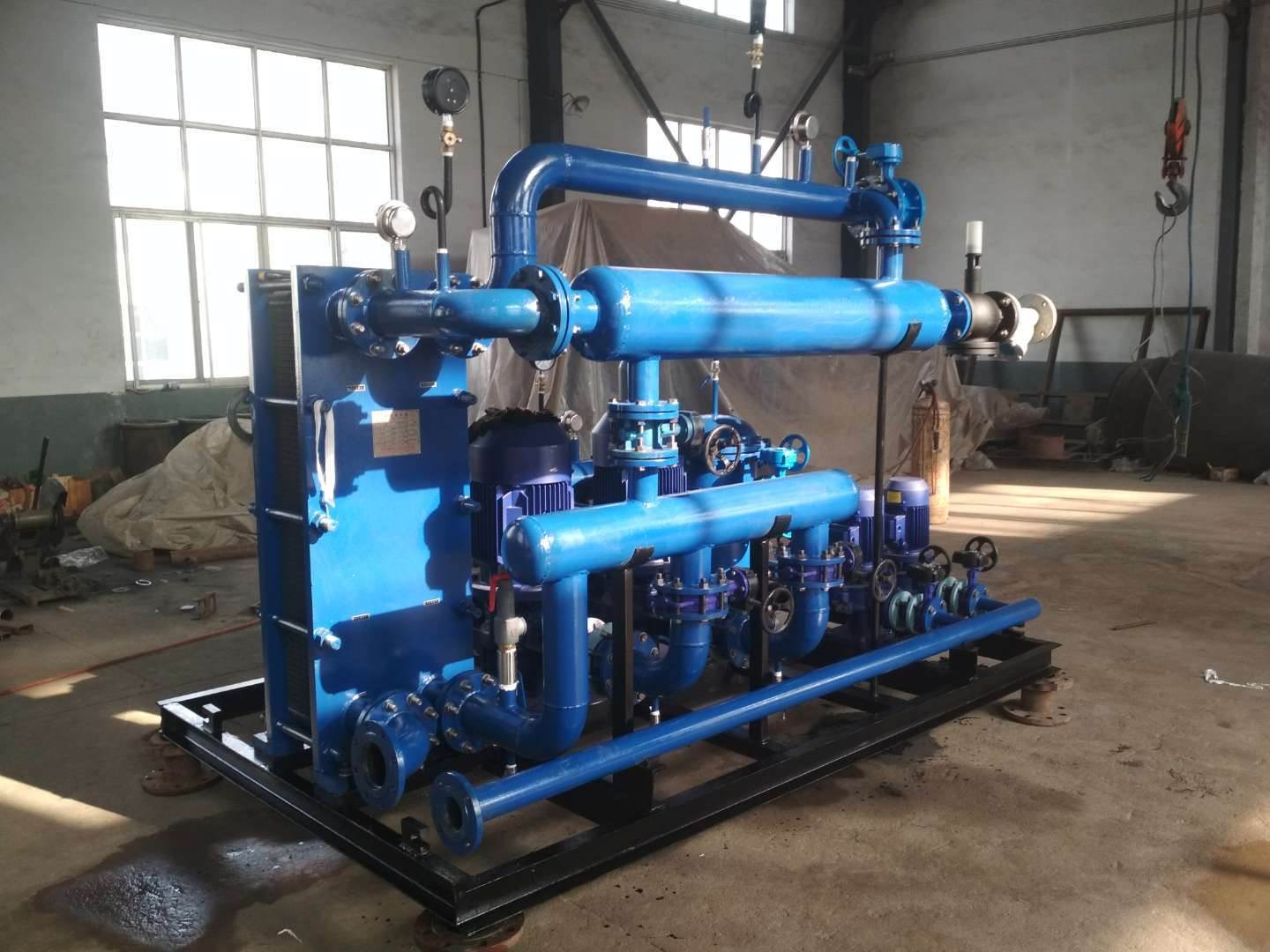
Alfa Laval Plate Heat Exchanger Efficient and Energy saving Heat Exchange Equipment for Industrial Refrigeration and Heating
Category:
mechanical equipment/Heat transfer equipment/Heat exchanger
Model:
Customized products
Brand:
alfa laval
Plate material:
AISI 304/316L stainless steel
design pressure:
≤ 25 bar
Operating temperature:
-35℃ ~ 180℃
heat transfer coefficient:
3000 ~ 7000 W/(㎡·K)
interface caliber:
DN25 ~ DN500
Sealing gasket material:
NBR/EPDM/Viton
heat transfer area:
0.1 ~ 500 ㎡
Execution Standard:
ASME VIII / PED
Retail Price
10,000,000.00USD
重量
kg
- Product Description
-
Plate material AISI 304/316L stainless steel
design pressure ≤ 25 bar
Operating temperature -35℃ ~ 180℃
heat transfer coefficient 3000 ~ 7000 W/(㎡·K)
interface caliber DN25 ~ DN500
Sealing gasket material NBR/EPDM/Viton
heat transfer area 0.1 ~ 500 ㎡
Execution Standard ASME VIII / PED
Description :
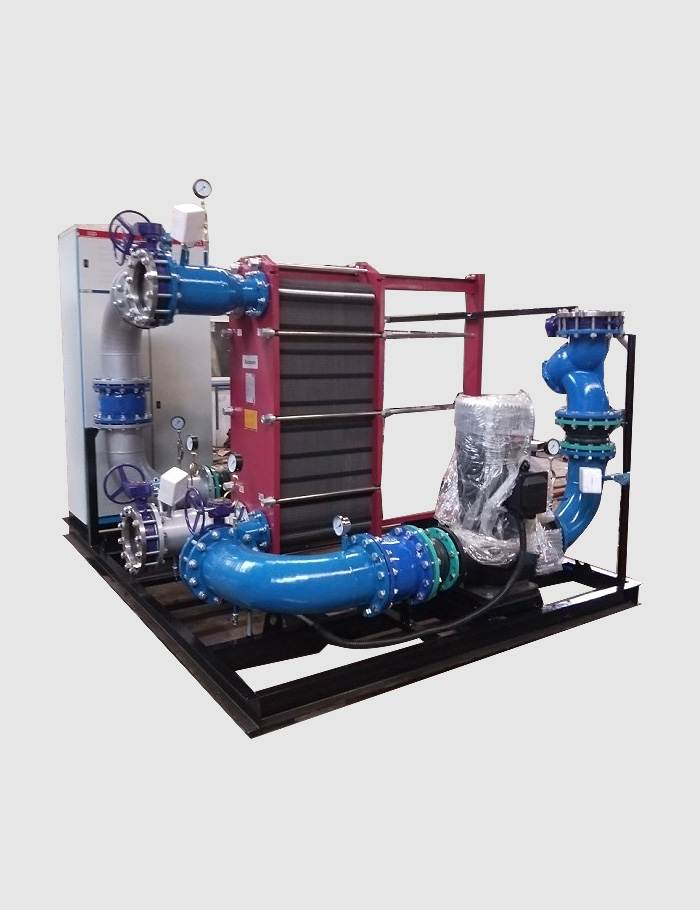
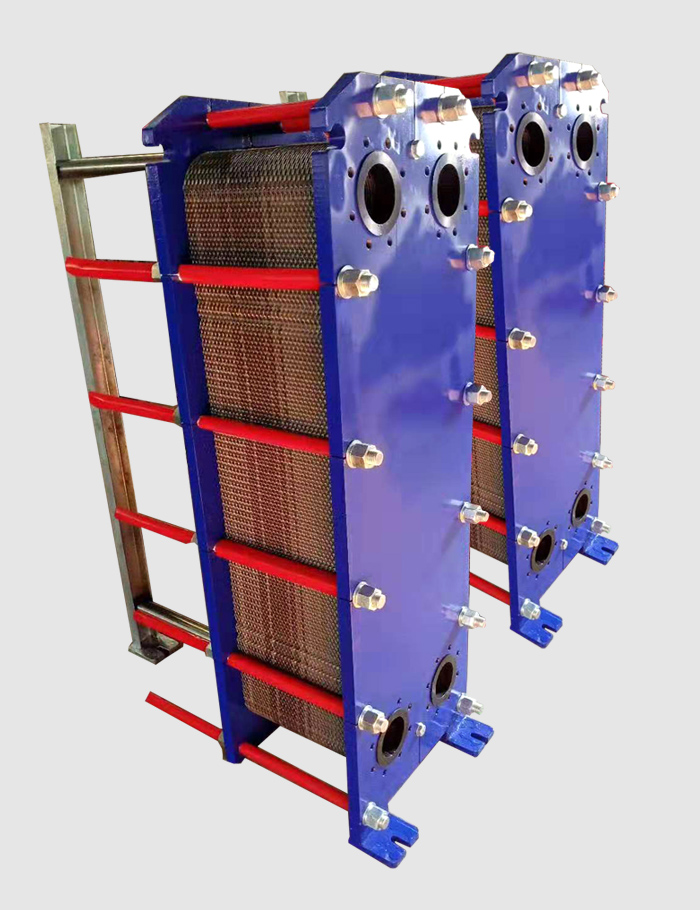
Alfa Laval plate heat exchanger is an efficient and compact heat exchange device mainly used for heat transfer between two fluids. It forms narrow channels through a series of corrugated metal plates, allowing the cold and hot media to flow in reverse on both sides of the plates, thereby achieving efficient heat exchange. This device is widely used in HVAC, district heating, industrial process cooling, and waste heat recovery scenarios. It can effectively solve the problems of large volume and low efficiency of traditional shell and tube heat exchangers, and is particularly suitable for working environments with limited space and high heat transfer efficiency requirements.
The core components of Alfa Laval plate heat exchangers include stainless steel plates, sealing gaskets, clamping bolts, and frames. The plate is usually made of AISI 304 or 316L stainless steel material, which is precision molded and has extremely high heat transfer coefficient and pressure resistance. The sealing gasket is made of heat-resistant and corrosion-resistant synthetic rubber material to ensure that the medium does not leak. The execution standards comply with international specifications such as ASME and PED, with a design pressure of up to 25 bar and a working temperature range typically between -35 ℃ and 180 ℃, depending on the gasket material. The equipment has a compact structure and occupies only 1/5 to 1/10 of the footprint of a shell and tube heat exchanger.
When selecting Alfa Laval plate heat exchangers, it is necessary to clarify key parameters such as medium type, flow rate, inlet and outlet temperatures, and allowable pressure drop. Suitable for clean or slightly polluted water water, steam water heat exchange scenarios, not suitable for working conditions containing a large amount of fibers, particles, or high viscosity media. If the medium is highly corrosive, titanium or Hastelloy plates should be selected. Compared with welded heat exchangers, detachable plate heat exchangers are easier to clean and maintain, but have slightly lower pressure bearing capacity; If higher pressure and temperature are required, semi welded or fully welded structures should be considered, and reasonable selection should be made based on actual operating conditions during procurement.
When installing Alfa Laval plate heat exchangers, it is necessary to ensure a flat foundation and reserve sufficient maintenance space for core cleaning. During daily operation, it is necessary to regularly check the pressure difference between the inlet and outlet. If the pressure drop increases abnormally, it indicates that the plate may be scaled or blocked, and chemical cleaning or high-pressure water flushing is required. It is recommended to conduct a comprehensive inspection at least once a year to check whether the sealing gasket is aging or deformed, and replace it in a timely manner if necessary. Common faults include external leakage and internal leakage. External leakage is often caused by changes in clamping size or damage to the gasket, while internal leakage may be due to corrosion and perforation of the plate, which needs to be judged through pressure testing and repaired in a timely manner to extend the service life of the equipment.
AfterSalesService :
Key words:
More Products