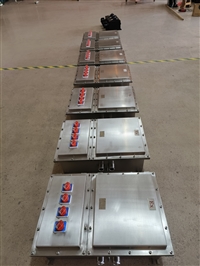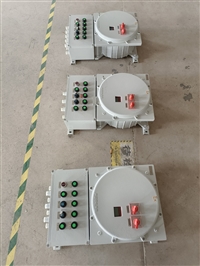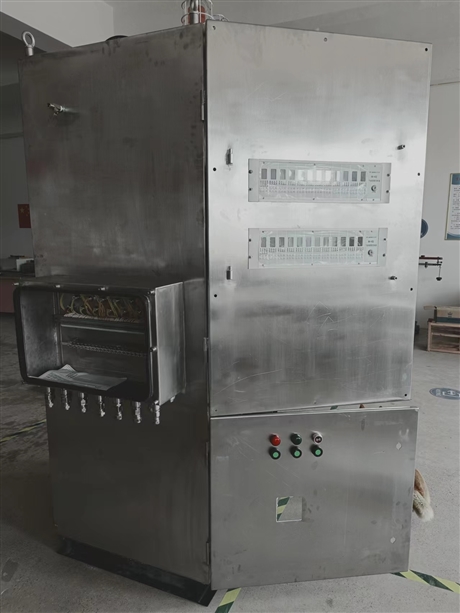

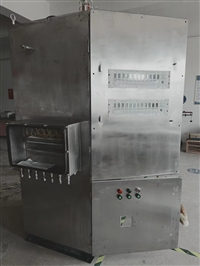
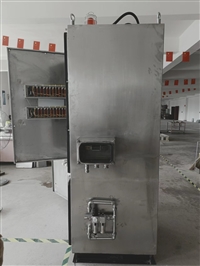
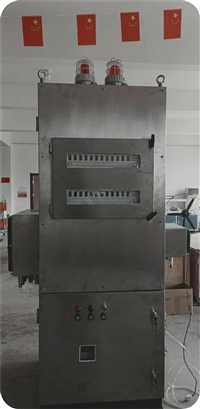
Positive pressure explosion-proof distribution box for industrial hazardous areas with dedicated continuous positive pressure protection
Category:
Electrical Engineering/Explosion proof electrical appliances/Explosion proof control box
Model:
BXP55
Brand:
Xin Zhongxing
Explosion-proof marking:
Ex db eb pxb IIC T4 Gb / Ex tb pxb IIIC T130°C Db
Shell material:
Q235 carbon steel/304 stainless steel
Protection rating:
IP54 / IP65
Working voltage:
AC 380V / 220V
Range of work pressure:
50Pa - 500Pa
Execution Standard:
GB/T 3836-2021,
Installation Method:
Wall mounted/vertical
Retail Price
10,000,000.00USD
重量
kg
- Product Description
-
Explosion-proof marking Ex db eb pxb IIC T4 Gb / Ex tb pxb IIIC T130°C Db
Shell material Q235 carbon steel/304 stainless steel
Protection rating IP54 / IP65
Working voltage AC 380V / 220V
Range of work pressure 50Pa - 500Pa
Execution Standard GB/T 3836-2021,
Installation Method Wall mounted/vertical
Description :
Positive pressure explosion-proof distribution box is an electrical equipment that continuously introduces protective gas (such as air or inert gas) into the interior of the box to increase the internal pressure above the external environmental pressure, thereby preventing external explosive mixtures from entering the box. It mainly solves the safety problem of electrical component sparks or high temperature induced explosions in hazardous environments such as petrochemicals, pharmaceuticals, and paint spraying where flammable and explosive gases or dust exist. Typical operating conditions include Zone 1/Zone 2 gas environment or Zone 21/Zone 22 dust environment, suitable for industrial automation systems that require frequent operation, monitoring, and distributed control to ensure production continuity and personnel safety.
This positive pressure explosion-proof distribution box is usually made of high-quality carbon steel or stainless steel welded together, and its surface is treated with sandblasting, rust removal, and electrostatic spraying, which has strong anti-corrosion and rust prevention capabilities. The implementation standards comply with GB/T3836-2021 "Explosive Atmosphere Part 1: General Requirements for Equipment" and GB 3836.5-2017 "Explosive Atmosphere Part 5: Equipment Protected by Positive Pressure Enclosures". The box design needs to meet the requirements of air tightness, usually equipped with air inlet, exhaust outlet, pressure monitoring instrument and automatic pressure relief valve. The protection level generally reaches IP54 or IP65, ensuring normal operation in harsh outdoor or humid indoor environments. The layout of internal electrical components should consider heat dissipation and airflow circulation to avoid local overheating.
When selecting, it is necessary to specify the explosion-proof level (such as Ex CCpxb IIC T4 Gb or Ex pxD IIIC T130 ° C Db), protective gas type, and consumption. If there is no stable clean gas source on site, a matching gas supply system is required. Compared with explosion-proof distribution boxes, positive pressure distribution boxes are more suitable for installation in large and complex control systems or equipment with high heat generation, because they do not rely on thick explosion-proof flanges, have better heat dissipation effects, but have a more complex structure and require maintenance of the air pressure system. Not suitable for places without gas supply or where continuous gas supply cannot be guaranteed. When purchasing, it is necessary to confirm whether interlocking functions such as air pressure alarm and automatic power cut-off are included to meet different safety integrity level requirements.
When installing a positive pressure explosion-proof distribution box, it is necessary to ensure that the intake and exhaust pipes are firmly connected without leakage, and the grounding resistance meets the specifications (usually ≤ 4 Ω). Before use, it is necessary to conduct a pressure test to confirm that the low pressure alarm and power-off protection functions are normal. The focus of daily maintenance is to check whether the filter is clogged, whether the pressure gauge reading is within the set range, and whether the pipeline is damaged. Common faults include shutdown due to insufficient air pressure, sensor failure, or aging and leaking seals, requiring regular replacement of sealing gaskets and cleaning of intake filter cartridges. When it is not in use for a long time, the gas source should be cut off and the inlet and outlet should be sealed to prevent dust and insects from entering. Before restarting, air tightness testing should be carried out again.
AfterSalesService :
Key words:
More Products