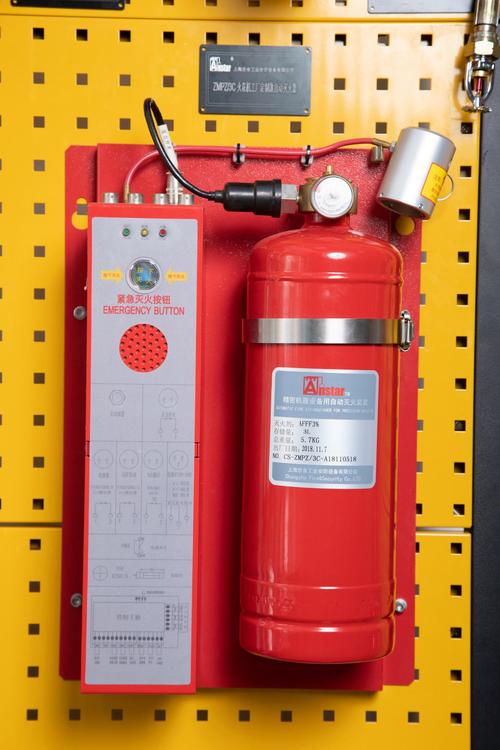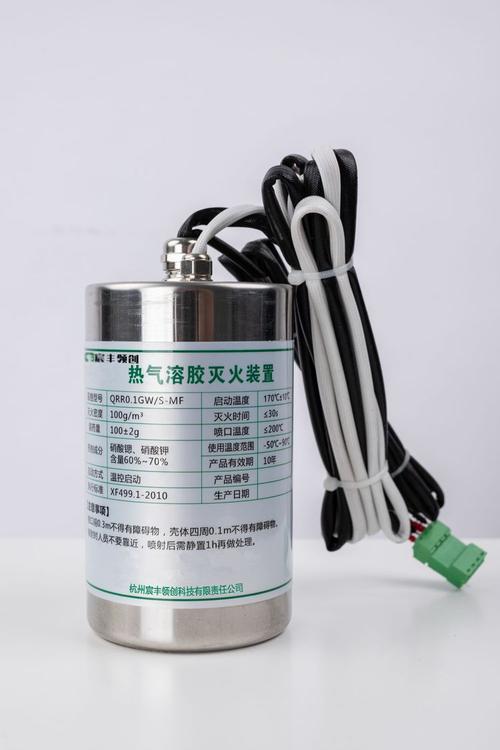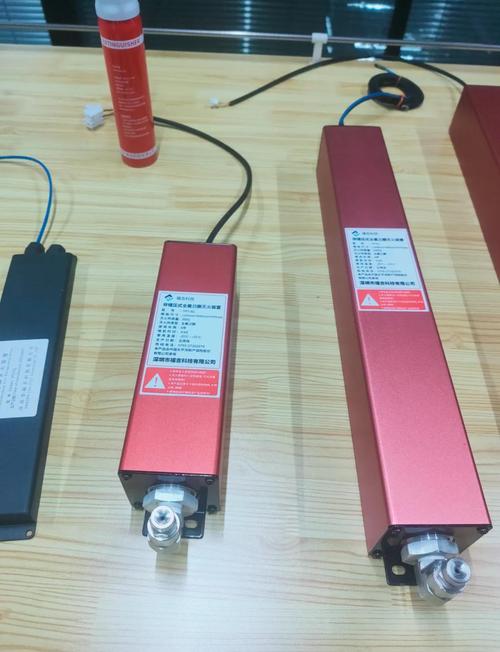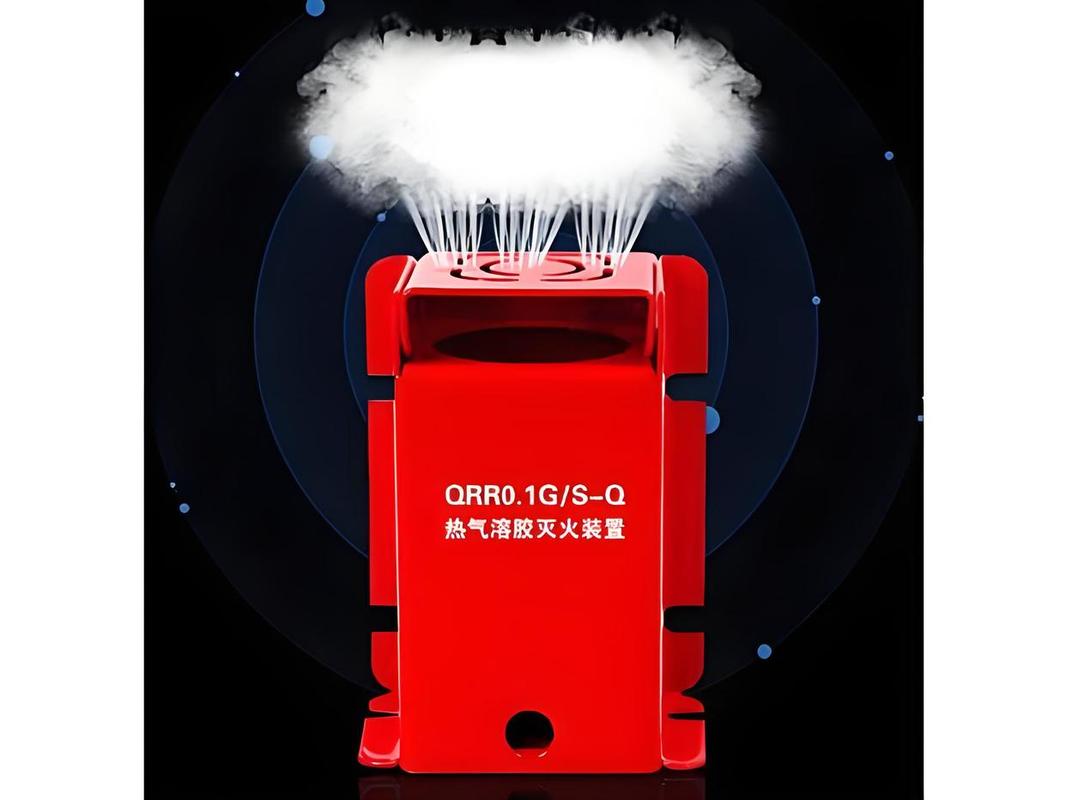

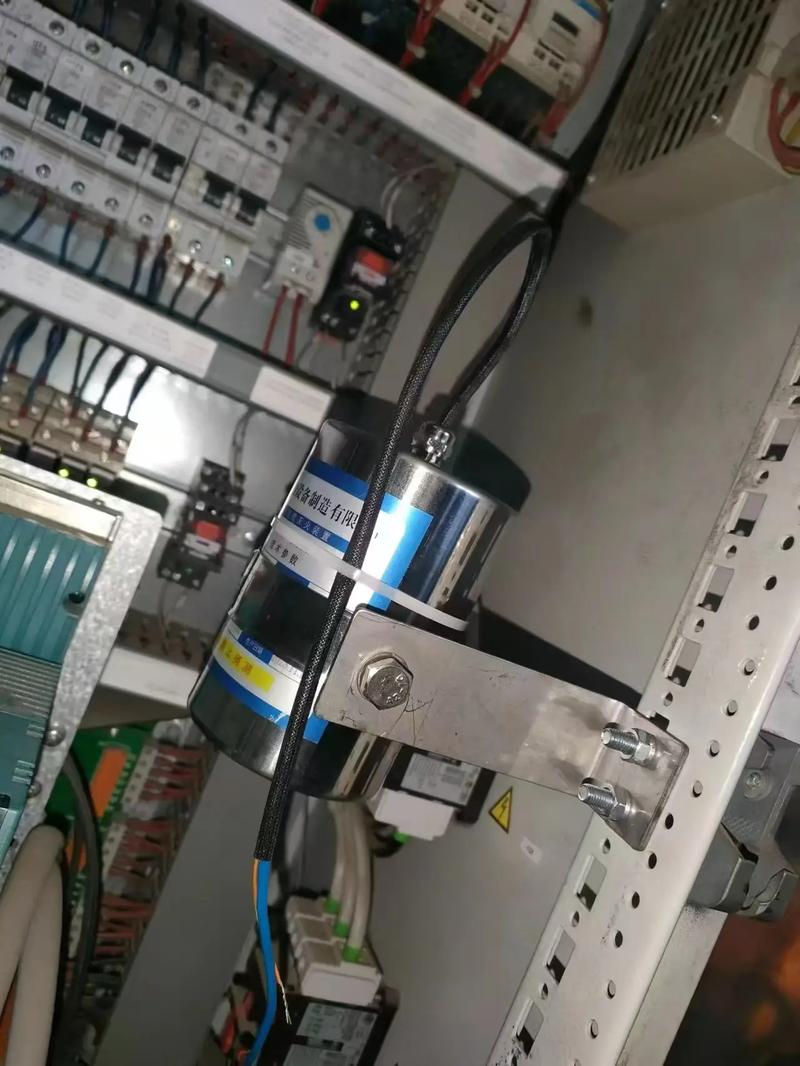
Aerosol automatic fire extinguishing device cabinet hanging type, no need for pipeline network, fast response
Category:
Security/Firefighting equipment/Fire extinguishing equipment
Model:
BD-QR0.5G
Brand:
Baodian Fire Protection
Fire extinguishing type:
Class A/B/C/E fires
Startup method:
Electric start/hot start/manual
Operating temperature:
-20℃~+50℃
Volume of protective zone:
Customize according to the model
Extinguishing density:
≤140g/m³
Spray time:
≤60s
Shell material:
Cold rolled steel plate/stainless steel
Execution Standard:
GB 50370
Retail Price
10,000,000.00USD
重量
kg
- Product Description
-
Fire extinguishing type Class A/B/C/E fires
Startup method Electric start/hot start/manual
Operating temperature -20℃~+50℃
Volume of protective zone Customize according to the model
Extinguishing density ≤140g/m³
Spray time ≤60s
Shell material Cold rolled steel plate/stainless steel
Execution Standard GB 50370
Description :
Aerosol automatic fire extinguishing device is a fixed fire extinguishing equipment based on the principle of chemical inhibition, mainly used to solve the problem of initial fire extinguishing in enclosed or semi enclosed spaces. It quickly extinguishes Class A, B, C, and E fires by releasing ultrafine dry powder aerosol particles that interrupt the combustion chain reaction. The typical operating conditions of the device include unmanned or unsuitable places such as distribution rooms, cable tunnels, generator rooms, archives rooms, and data centers for extinguishing fires with water. Its core advantage lies in the absence of complex fire protection pipelines, easy installation, low maintenance costs, and no pollution damage to protected objects. It is an important component of modern industrial and commercial fire protection systems.
The specification design of aerosol automatic fire extinguishing devices follows strict national standards, usually in accordance with GB 50370 "Design Specification for Gas Fire Extinguishing Systems" and related product standards. The device casing is often made of high-quality cold-rolled steel plate or stainless steel material, and the surface is treated with anti-corrosion spray coating to adapt to harsh environments. Internally equipped with efficient aerosol generators, the startup mode supports electric startup, hot startup (temperature sensitive glass ball or fusible alloy), and mechanical emergency manual startup. Common specifications are distinguished by the amount of fire extinguishing agent filled, such as 5kg, 10kg, 20kg, etc., corresponding to protection volumes ranging from tens of cubic meters to hundreds of cubic meters. The device needs to have 3C certification and pass high temperature resistance, vibration resistance, and electrical insulation performance tests to ensure reliable operation under extreme conditions.
When selecting an aerosol automatic fire extinguishing device, it is important to consider the volume, sealing, and type of fire in the protected area. This device is suitable for relatively enclosed spaces. If the opening of the protective area is too large or the ventilation is frequent, the aerosol concentration is difficult to maintain, and the fire extinguishing effect will be greatly reduced. Compared with heptafluoropropane, aerosol devices have lower costs and more flexible installation, but they will produce a small amount of sediment after spraying, so they are not suitable for direct coverage of precision instrument surfaces or dust-free workshops with extremely high cleanliness requirements. For large open spaces or densely populated areas, the visibility impact and evacuation safety should be carefully evaluated, and if necessary, combined with other fire extinguishing systems to achieve the best protective effect.
The key to installing an aerosol automatic fire extinguishing device is to ensure that the nozzle is facing reasonably and avoid direct exposure to personnel passages or sensitive equipment air intakes. The typical service life is over 10 years, and daily maintenance mainly includes checking the integrity of the appearance, confirming the normal connection of the startup circuit, and monitoring the status of the pressure gauge (if any). It is recommended to conduct a visual inspection every six months and have a professional organization conduct functional testing annually. Common faults include false alarms or open circuits in the start signal, and regular inspections of the control module battery and circuit insulation are required. After spraying, residual aerosol particles can be cleaned with a vacuum cleaner or wet cloth without the need for special chemical cleaning agents. After restoring the site, the device can be refilled or replaced to ensure continuous protection.
AfterSalesService :
Key words:
More Products