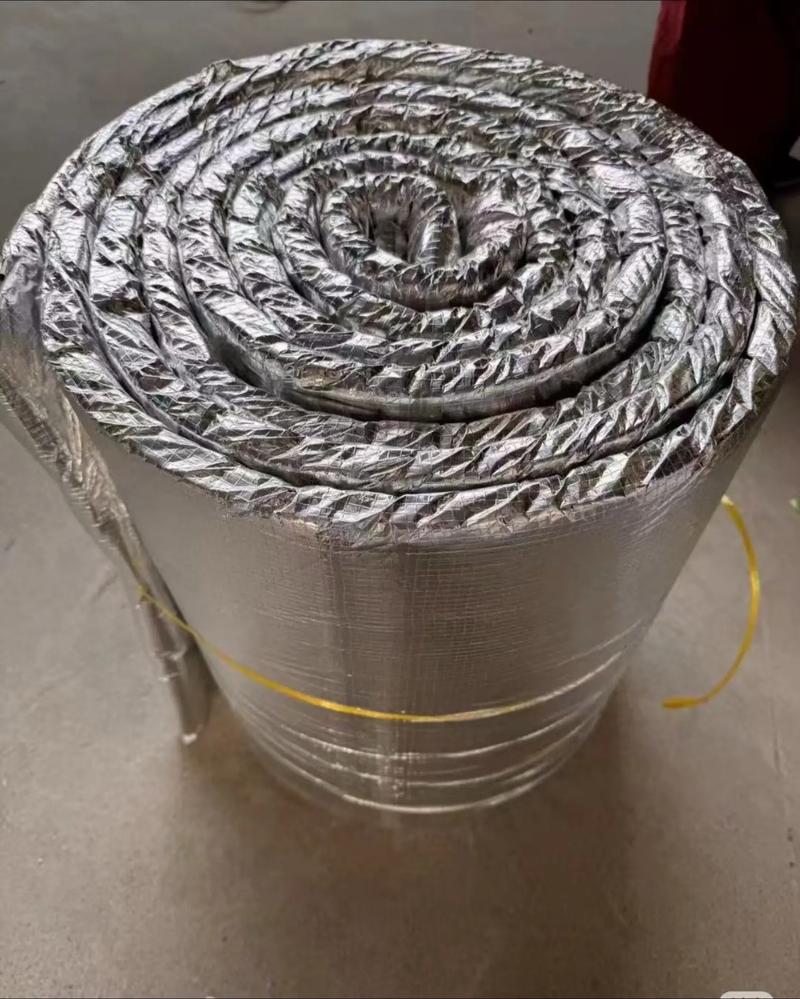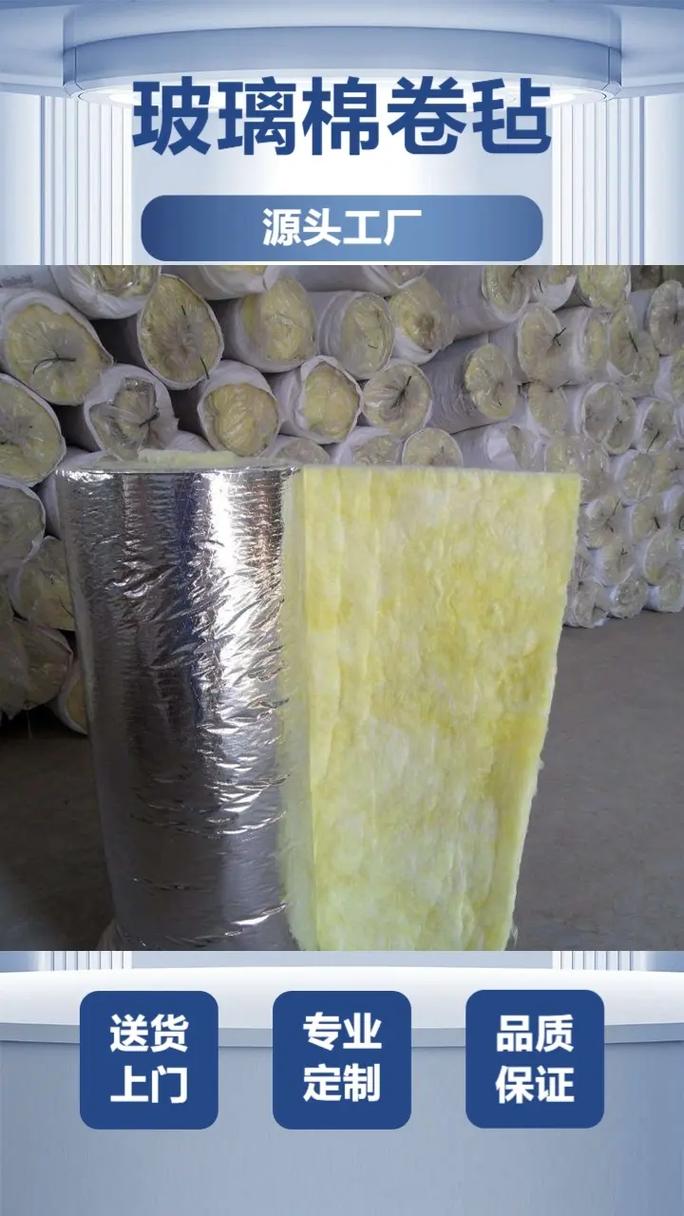

Insulation, heat insulation, glass wool roll felt, sound absorption, noise reduction, fire prevention, Class A pipeline equipment insulation special
Category:
building materials/Thermal insulation and sound absorption materials/Glass wool products
Model:
jh05
Brand:
Juhe Building Materials
thermal conductivity:
≤0.042 W/(m·k)
combustion performance:
A-class non combustible
density range:
10-48 kg/m³
thickness specification:
25-100 mm
Standard Width:
1200 mm
hydrophobic rate:
≥98%
Maximum operating temperature:
400 ℃
Execution Standard:
GB/T 13350-2017
Retail Price
10,000,000.00USD
重量
kg
- Product Description
-
thermal conductivity ≤0.042 W/(m·k)
combustion performance A-class non combustible
density range 10-48 kg/m³
thickness specification 25-100 mm
Standard Width 1200 mm
hydrophobic rate ≥98%
Maximum operating temperature 400 ℃
Execution Standard GB/T 13350-2017
Description :
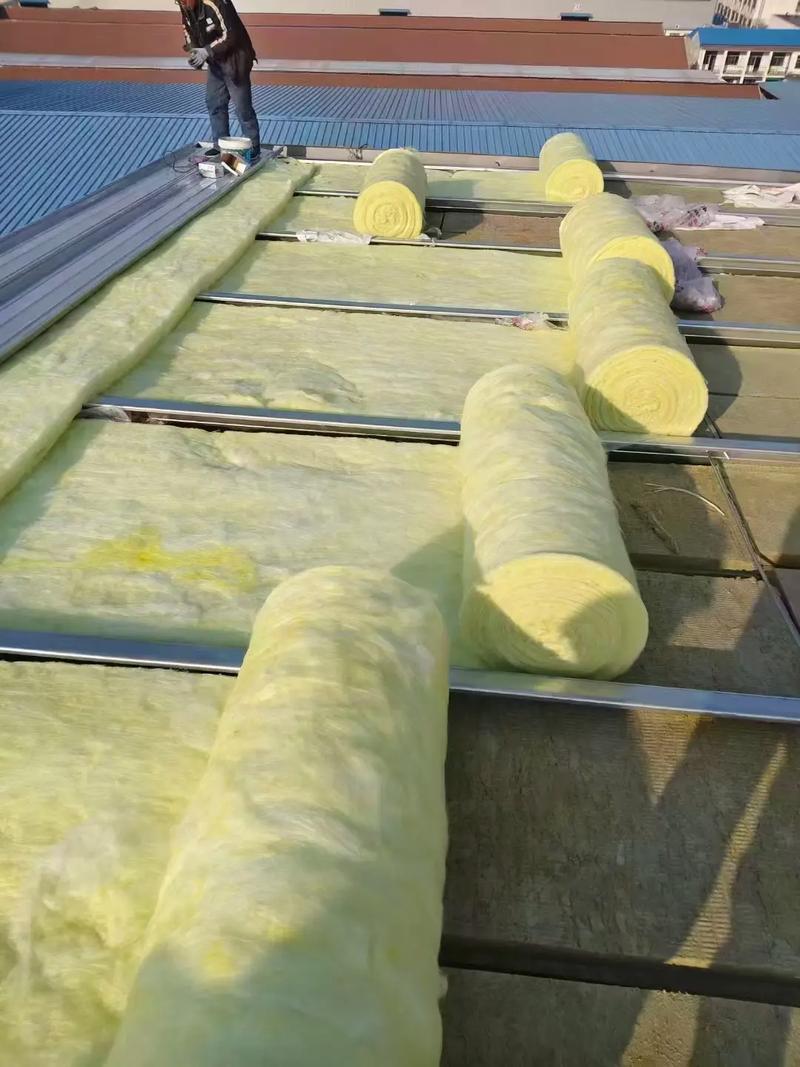
Glass wool roll felt is a fibrous insulation material produced by centrifugal spraying process, mainly used to solve the insulation, sound absorption and noise reduction problems of industrial pipelines, HVAC systems and building walls. It is made by melting glass fibers and applying thermosetting resin binder, which has the characteristics of light texture, low thermal conductivity, and strong chemical stability. Under typical working conditions, this material is widely used on various cold and hot pipelines and equipment surfaces with temperatures below 400 ℃. It can effectively reduce heat loss, prevent condensation, and reduce noise transmission. It is an indispensable basic material in modern building energy conservation and industrial insulation engineering.
The core specifications of this product include key indicators such as thickness, density, width, and length. The common thickness range is 25mm to 100mm, which can be customized according to insulation requirements; The density is usually between 10kg/m ³ and 48kg/m ³, which directly affects its insulation performance and mechanical strength. The standard width is generally 1200mm or 600mm, and the length depends on the roll weight and thickness, making it easy to transport and lay on site. The implementation standards usually comply with the requirements of GB/T 13350-2017 "Glass wool and its products for insulation", with Class A non combustible fire resistance, high oxygen index, and no melting or dripping in the event of fire. Some high-end products have also undergone hydrophobic treatment, with a hydrophobicity rate of over 98%, ensuring that their insulation performance does not deteriorate in humid environments.
When selecting, it is important to consider the temperature range, humidity conditions, and spatial limitations of the usage environment. For high-temperature pipelines or situations requiring high mechanical strength, it is recommended to choose high-density (≥ 24kg/m ³) glass wool roll felt with aluminum foil veneer to enhance radiation heat reflection ability and moisture and vapor barrier effect. If used for sound-absorbing ordinary indoor walls or ceilings, low-density non veneer products can be selected to reduce costs. It should be noted that glass wool roll felt is not suitable for direct contact with open flames or environments with temperatures exceeding its tolerance limit (usually 400 ℃), and it is not recommended to use it in scenarios where it is immersed in water for a long time without effective waterproof protection. Compared to rock wool, glass wool is lighter and has finer fibers, making it suitable for areas that are sensitive to weight or require fine construction.
Wear protective gloves, masks, and goggles during installation to avoid fiber irritation to the skin or respiratory tract. When laying, it is necessary to ensure that the joints are tight. When laying multiple layers, the joints between layers should be staggered to avoid the formation of thermal bridges. If aluminum foil veneer is used, it is necessary to seal the joint with aluminum foil tape to ensure the continuity and integrity of the vapor barrier layer. In daily maintenance, it is necessary to regularly check whether the outer protective layer is damaged to prevent rainwater from entering and causing a decrease in insulation performance. If local moisture or deformation is found, the damaged part should be replaced in a timely manner. When storing, it should be placed in a dry and ventilated place to avoid heavy pressure causing irreversible volume compression, which affects the actual thickness and insulation effect after laying.
AfterSalesService :
Key words:
More Products