
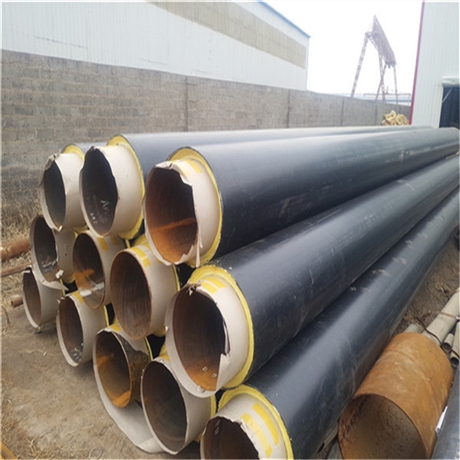



Prefabricated polyurethane direct buried insulation pipes for community heating insulation support customized drawings
Category:
building materials/Pipe fittings/Welded steel pipe
Model:
Brand:
Hebei Xingsong Pipeline Technology Co., Ltd
Weld seam form:
Longitudinal seam welded pipe
coating:
Black tube/uncoated
cross-sectional shape:
round tube
connection method:
welded type
purpose:
Used for oil/gas pipelines
wall thickness:
seven
outer diameter:
five hundred and twenty-nine
nominal diameter:
six hundred and thirty
length:
twelve
tensile strength:
≤370
Specifications:
DN500
Scope of application:
Widely used in liquid and gas transportation pipelines, chemical pipelines, and insulation engineering
Type of goods sales:
spot
manufacturer:
Hebei Xingsong Pipeline Technology Co., Ltd
Retail Price
3,295.00USD
重量
kg
- Product Description
-
Weld seam form Longitudinal seam welded pipe
coating Black tube/uncoated
cross-sectional shape round tube
connection method welded type
purpose Used for oil/gas pipelines
wall thickness seven
outer diameter five hundred and twenty-nine
nominal diameter six hundred and thirty
length twelve
tensile strength ≤370
Specifications DN500
Scope of application Widely used in liquid and gas transportation pipelines, chemical pipelines, and insulation engineering
Type of goods sales spot
manufacturer Hebei Xingsong Pipeline Technology Co., Ltd
Description :


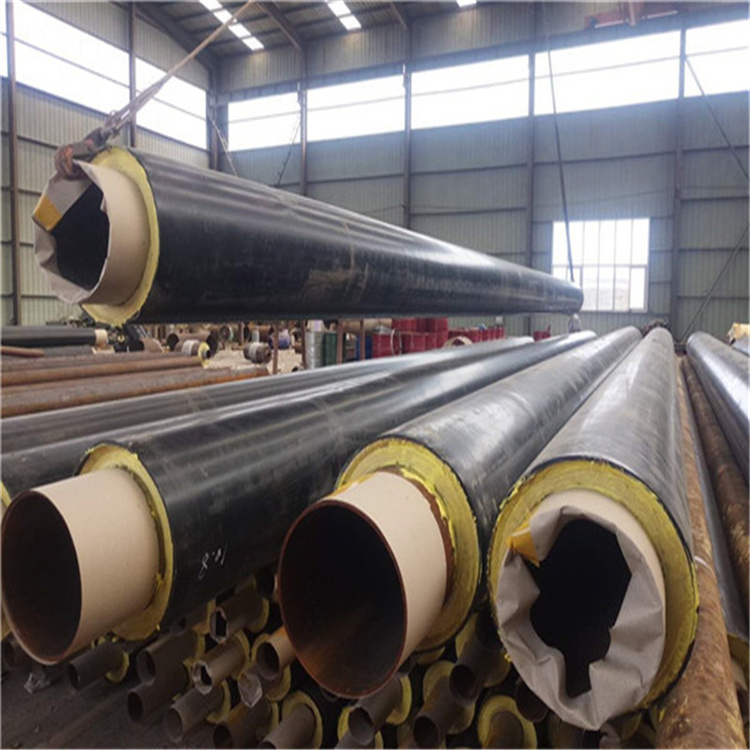


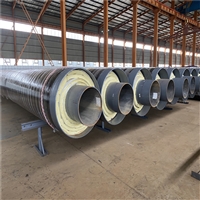
Characteristics of polyurethane insulated steel pipe:
1. According to relevant departments' calculations, polyurethane insulated steel pipes can generally reduce project costs by about 25% (using fiberglass as the protective layer) and 10% (using high-density polyethylene as the protective layer)
2. Low heat loss and energy-saving. The thermal conductivity of polyurethane is λ=0.013-0.03kca/m · h · oC, which is much lower than other commonly used pipeline insulation materials in the past, and the insulation effect is improved by 4-9 times. Moreover, its water absorption rate is very low, about 0.2kg/m2. The reason for low water absorption is that the closed cell rate of polyurethane foam is up to 92%. Low thermal conductivity and low water absorption, combined with insulation layer and high-density polyethylene or fiberglass protective shell with good waterproof performance, have changed the traditional situation of "wet cotton jacket" for laying heating pipes in underground trenches, greatly reducing the overall heat loss of heating pipes. The heat loss of the heating network is 2%, far less than the international standard requirement of 10%.
3. It has good corrosion resistance, insulation performance and long service life. As the polyurethane rigid foam insulation layer is tightly bonded to the steel pipe skin, it can isolate the infiltration of air and water and play a good anti-corrosion role. At the same time, its foam pores are all closed, and its water absorption is very low. The high-density polyethylene shell and fiberglass shell both have good anti-corrosion, insulation, and mechanical properties. Therefore, the outer skin of the working steel pipe is difficult to be eroded by external air and water. As long as the water quality inside the pipeline is treated well, according to foreign data, the service life can reach more than 50 years, which is 3-4 times longer than the service life of traditional trench laying and overhead laying.
4. Less land occupation, faster construction, favorable for environmental protection
5. Directly buried heating pipelines do not require the construction of large trenches, only the insulation pipes need to be buried underground, thus greatly reducing project land occupation, reducing excavation volume by more than 50%, and reducing civil engineering masonry and concrete volume by 90%. At the same time, the processing of insulation pipes and on-site trenching are carried out in parallel, and only on-site joints are required, which can shorten the construction period by more than 50%.

AfterSalesService :
Key words:- Directly buried insulation pipe
More Products