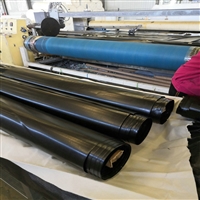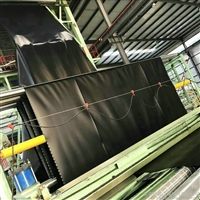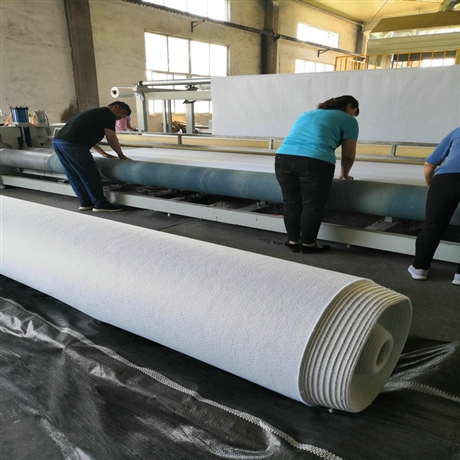

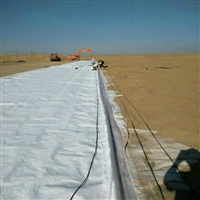
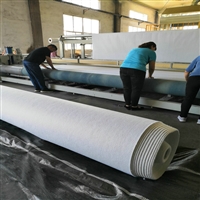


400g Two Cloth One Film Three Layer Composite 400g Non permeable Geotextile Fabric
Category:
building materials/Geosynthetic materials/Composite geotechnical materials
Model:
400g
Brand:
Shandong Dexuda
model:
400g
purpose:
Impermeable, waterproof, isolated, moisture-proof
shape:
rectangle
manufacturer:
Shandong Dexuda Geotechnical Materials Co., Ltd
Retail Price
3.60USD
重量
kg
- Product Description
-
model 400g
purpose Impermeable, waterproof, isolated, moisture-proof
shape rectangle
manufacturer Shandong Dexuda Geotechnical Materials Co., Ltd
Description :

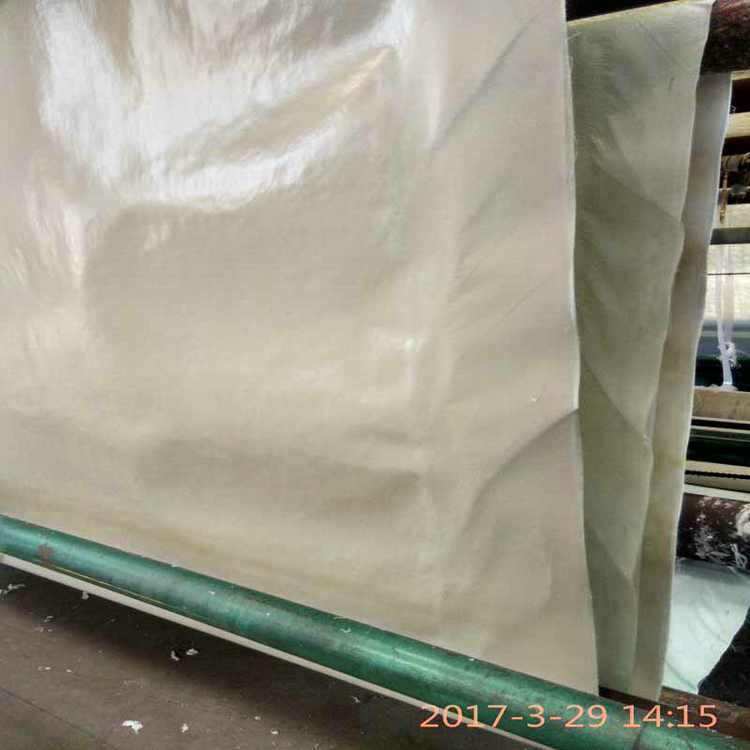

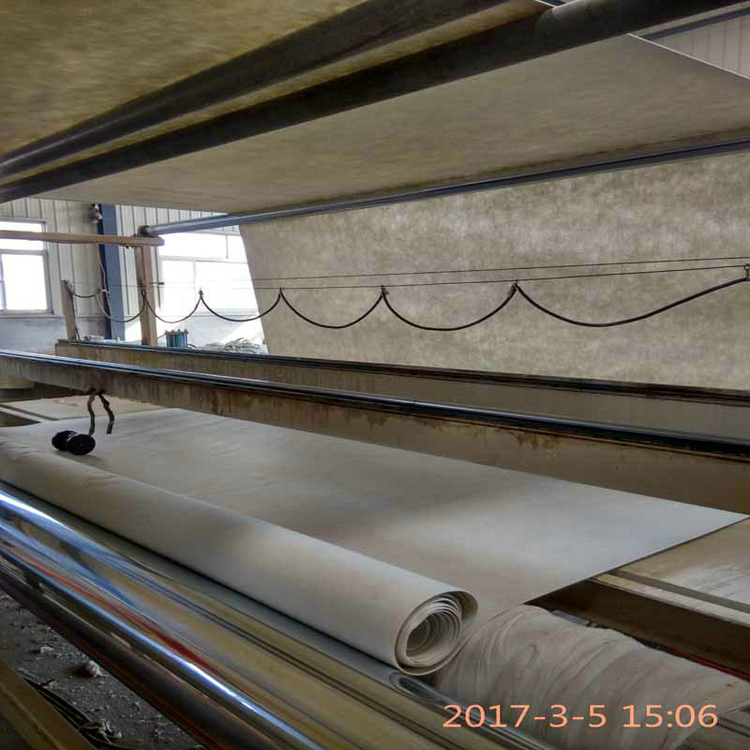
400g waterproof geotextile, also known as 400g composite geotextile membrane (one fabric, one membrane, 400g two fabrics, one membrane), is widely used in channel anti-seepage engineering. The extensive application and effectiveness of geosynthetic materials in civil engineering, especially in flood control and emergency engineering, have attracted high attention from engineering and technical personnel. For the application technology of geosynthetics, the country has put forward standardized technical requirements from aspects such as anti-seepage, filtration, drainage, reinforcement, and protection, greatly accelerating the promotion and application of new materials. This material has been widely used in the anti-seepage engineering of irrigation channels. Based on construction practice, this article briefly discusses the application technology of composite geomembranes.
400g waterproof geotextile is an impermeable material composed of geotextile and geotextile membrane. It is mainly used for anti-seepage. The composite geotextile membrane is divided into one fabric and one membrane and two fabrics and one membrane, with a width of 4-6m and a weight of 200-1500g/m2. It has high physical and mechanical performance indicators such as tensile strength, tear resistance, and bursting resistance, and can meet the needs of civil engineering such as water conservancy, municipal engineering, construction, transportation, subway, and tunnel engineering. Due to the use of polymer materials and the addition of anti-aging agents in the production process, it can be used in unconventional temperature environments.
Construction precautions for 400g waterproof geotextile:
1.400 grams of waterproof geotextile is formed by heating one or both sides of a thin film in a far-infrared oven, and then pressing the geotextile and geotextile together through a guide roller to form a composite geotextile. With the improvement of production technology, there is also a casting method for making composite geomembranes. Its forms include one cloth and one film, two cloths and one film, two films and one cloth, etc.
2. Geotextile serves as a protective layer for geomembrane, preventing damage to the anti-seepage layer. In order to reduce the ultraviolet radiation and increase the anti-aging performance, the embedding method is adopted.
During construction, the first step is to use sand or clay with smaller diameters to level the base surface, and then lay the geomembrane. Do not tighten the geomembrane too tightly. The two ends should be buried in the soil in a corrugated shape, and then a transition layer of about 10cm should be laid on the geomembrane with fine sand or clay. Build 20-30cm stone blocks (or precast concrete blocks) as a protective layer against erosion. During construction, efforts should be made to avoid stones directly hitting the geomembrane, and protective layer construction should be carried out while laying the membrane. The connection between composite geomembrane and surrounding structures should be anchored with expansion bolts and steel plate pressure strips. The connection area should be coated with emulsified asphalt (2mm thick) for bonding to prevent leakage.


AfterSalesService :
Key words:- 400 grams of two fabrics and one film