




Glycerol Glycerol Industrial Grade Glycerol Glycerol 95% Glycerol Huibang Wholesale
Category:
chemical industry/alcohols/Glycerol/glycerol
Model:
Brand:
Huibang New Materials
chemical name:
Glycerol
product grade:
Premium product
alias:
Trihydroxypropane
molecular formula:
C3H8O3
relative molecular mass:
ninety-two point zero nine
physical state:
liquid
purity:
ninety-nine
Implement quality standards:
National Standard
purpose:
Industrial organic solvents
CAS:
56-81-5
appearance:
Colorless, transparent, odorless, viscous liquid
Packing Specification:
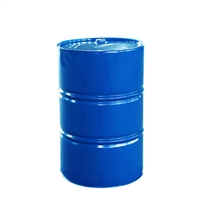
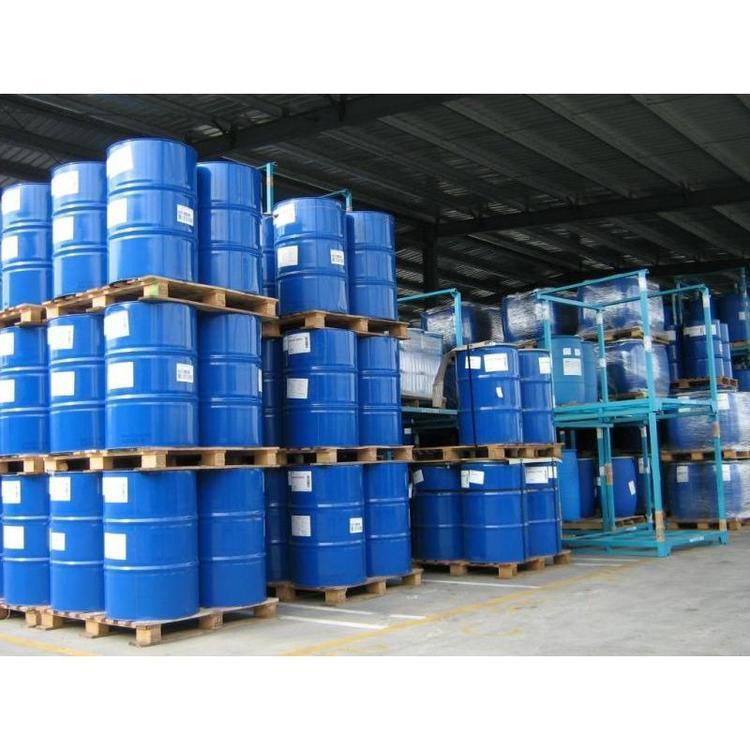
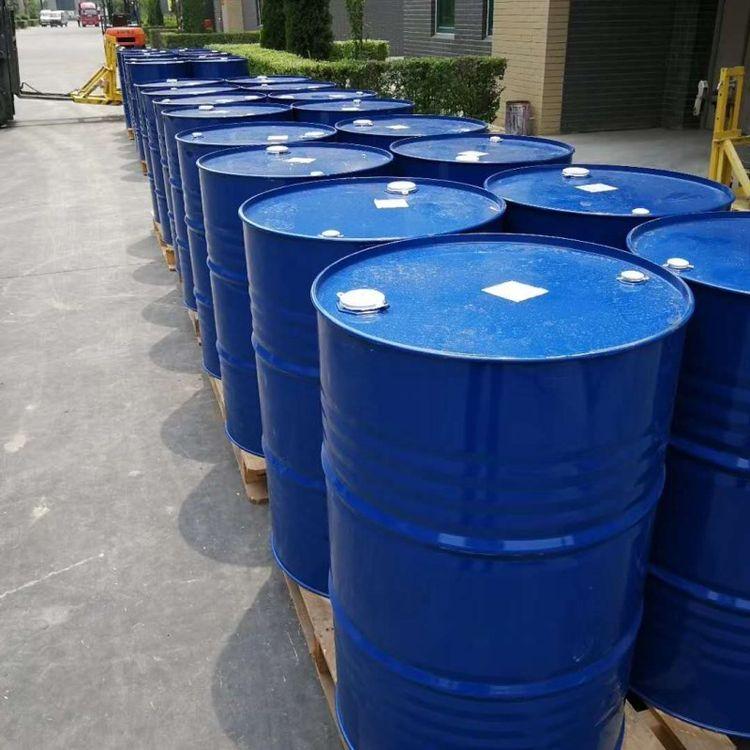
250kg/barrel
Storage method:
Sealed storage, in a cool and dry place
Place of Origin:
Shandong
manufacturer:
Shandong
Retail Price
5,200.00USD
重量
kg
- Product Description
-
chemical name Glycerol
product grade Premium product
alias Trihydroxypropane
molecular formula C3H8O3
relative molecular mass ninety-two point zero nine
physical state liquid
purity ninety-nine
Implement quality standards National Standard
purpose Industrial organic solvents
CAS 56-81-5
appearance Colorless, transparent, odorless, viscous liquid
Packing Specification 250kg/barrel
Storage method Sealed storage, in a cool and dry place
Place of Origin Shandong
manufacturer Shandong
Description :

Glycerol is a colorless, sweet, clear, viscous liquid. Odorless. It has a warm and sweet taste. Commonly known as glycerol, it can absorb moisture from the air and also absorb sulfur dioxide. Difficult to dissolve in benzene, chloroform, petroleum ether, and oils. Relative density 1.26362. Melting point 17.8 ℃. Boiling point 290.0 ℃ (decomposition). The refractive index is 1.4746. Flash point (open cup) 176 ℃. Acute toxicity: LD50: 31500 mg/kg (oral administration in rats). Glycerol is the backbone component of triglyceride molecules.
Chemical properties: Esterification reaction occurs with acids, such as the formation of alkyd resin through the esterification with benzene. Undergo ester exchange reaction with esters. Reacts to produce chloroalcohols. There are two ways to dehydrate glycerol: intermolecular dehydration to obtain diglyceride and polyglycerol; Obtained through intramolecular dehydration. Glycerol reacts with alkali to form alcoholates. Reacts with aldehydes and ketones to form acetals and ketals. Generate glycerol aldehydes and dihydroxy groups through dilute oxidation; Use periodic acid oxidation to generate and. Contact with strong oxidants such as chromic anhydride can cause combustion or explosion. Glycerol can also play a role in nitrification and acetylation.




AfterSalesService :
Key words:- Glycerol
More Products


