

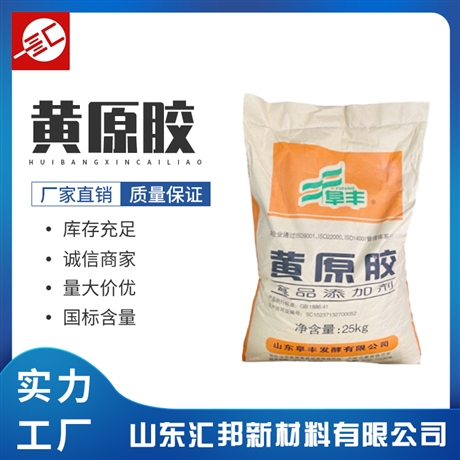



Manufacturer's xanthan gum, food grade free sample, Hansheng gum, high viscosity thickener, coagulant, emulsifier
Category:
Food and Beverage/food additives/Thickener
Model:
food-grade
Brand:
Huibang New Materials
model:
food-grade
level:
food-grade
Production execution standards:
National Standard
purpose:
thickener
trait:
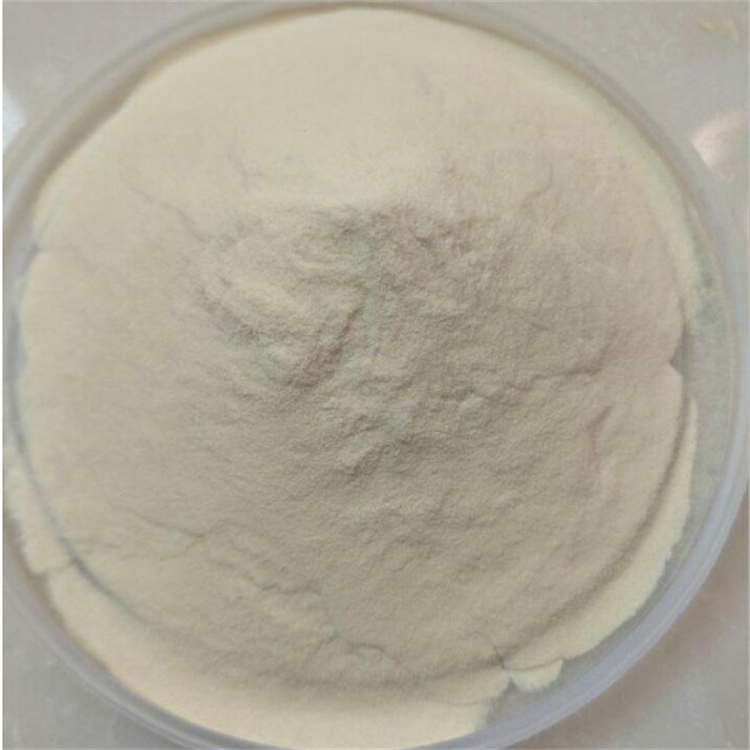
White powder
Packing Specification:
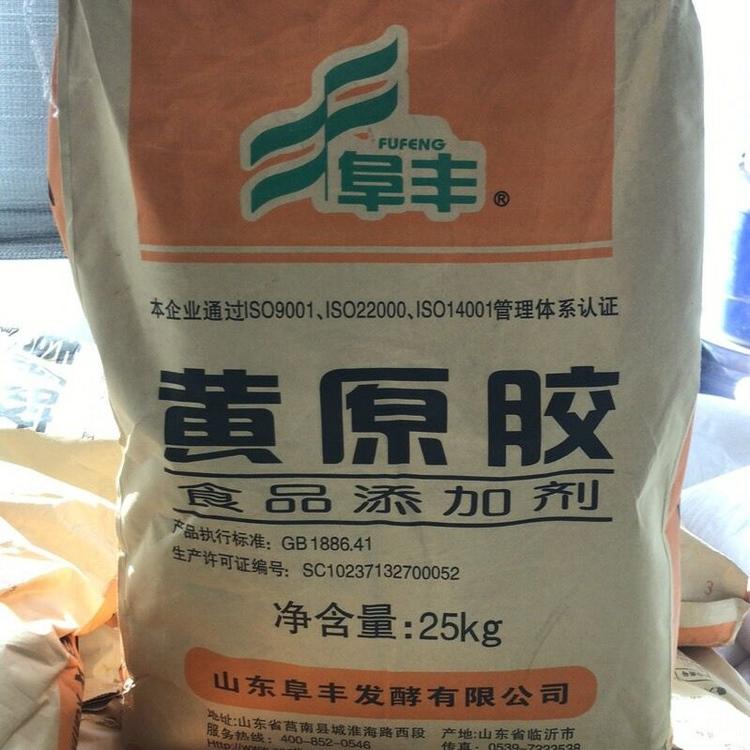
25kg bag
Storage method:
dry and well-ventilated
shelf life:
December
Place of Origin:
Shandong
manufacturer:
Huibang
Retail Price
25.00USD
重量
kg
- Product Description
-
model food-grade
level food-grade
Production execution standards National Standard
purpose thickener
trait White powder
Packing Specification 25kg bag
Storage method dry and well-ventilated
shelf life December
Place of Origin Shandong
manufacturer Huibang
Description :

Xanthan gum is currently an internationally recognized biomaterial that combines thickening, suspension, emulsification, and stabilization, with superior performance. The amount of acid groups at the end of the molecular side chain of xanthan gum has a significant impact on its properties. Xanthan gum has the general properties of long-chain polymers, but it contains more functional groups than ordinary polymers and exhibits unique properties under specific conditions. Its conformation in aqueous solution is diverse, exhibiting different characteristics under different conditions.
1. Suspension and emulsifying properties
Xanthan gum has a good suspension effect on insoluble solids and oil droplets. Xanthan gum sol molecules can form super bonded helical copolymers, forming a fragile gel like network structure that can support the morphology of solid particles, droplets, and bubbles, demonstrating strong emulsifying stability and high suspension ability.
2. Good water solubility
Xanthan gum can dissolve quickly in water and has good water solubility. Especially soluble in cold water, it can eliminate complicated processing and is easy to use. However, due to its strong hydrophilicity, if water is added directly without sufficient stirring, the outer layer will absorb water and expand into a gel, which will prevent water from entering the inner layer and affect its effectiveness. Therefore, it must be used correctly. Mix xanthan gum dry powder or dry powder additives such as salt and sugar, and slowly add them to the stirring water to make a solution for use.
3. Thickening property
Xanthan gum solution has the characteristics of low concentration and high viscosity (the viscosity of a 1% aqueous solution is equivalent to 100 times that of gelatin), making it an efficient thickener.
4. Pseudoplasticity
The xanthan gum solution has high viscosity under static or low shear conditions, and exhibits a sharp decrease in viscosity under high shear conditions, but the molecular structure remains unchanged. When the shear force is eliminated, the original viscosity is immediately restored. The relationship between shear force and viscosity is completely plastic. The pseudoplasticity of xanthan gum is very prominent, and this pseudoplasticity is extremely effective for stabilizing suspensions and emulsions.
5. Stability to heat
The viscosity of xanthan gum solution does not change significantly with temperature. Generally, polysaccharides undergo viscosity changes due to heating, but the viscosity of xanthan gum aqueous solution remains almost unchanged between 10-80 ℃. Even low concentration aqueous solutions still exhibit stable high viscosity over a wide temperature range. Heating 1% xanthan gum solution (containing 1% potassium chloride) from 25 ℃ to 120 ℃ only reduces its viscosity by 3%.
6. Stability to acidity and alkalinity
Xanthan gum solution is very stable to acidity and alkalinity, and its viscosity is not affected between pH 5-10. There is a slight change in viscosity when the pH is less than 4 and greater than 11. Within the range of PH3-11, the viscosity * is less than 10% different from the minimum value. Xanthan gum can dissolve in various acid solutions, such as 5% sulfuric acid, 5% acetic acid, 10% and 25% phosphoric acid, and these xanthan gum acid solutions are quite stable at room temperature, and the quality of the parts will not change for several months. Xanthan gum can also dissolve in solution and has thickening properties. The resulting solution is very stable at room temperature. Xanthan gum can be degraded by strong oxidants such as persulfate, and the degradation accelerates with increasing temperature.
7. Stability of salt
Xanthan gum solution can be mixed with many salt solutions (potassium salt, sodium salt, calcium salt, magnesium salt, etc.), and its viscosity is not affected. Under high salt concentration conditions, even in saturated salt solutions, its solubility is maintained without precipitation and flocculation, and its viscosity is almost unaffected.
8. Stability of enzymatic hydrolysis reaction
The stable double helix structure of xanthan gum endows it with strong antioxidant and anti enzymatic abilities. Many enzymes such as protease, amylase, cellulase, and hemicellulase cannot degrade xanthan gum.
Due to its unique properties, xanthan gum has extremely wide applications in more than ten fields such as food, petroleum, medicine, and daily chemical industry. Its high degree of commercialization and wide range of applications make it impossible for any other microbial polysaccharide to catch up.
1. In terms of food, many foods contain xanthan gum as a stabilizer, emulsifier, suspension agent, thickener, and processing aid. Xanthan gum can control the rheological properties, structure, flavor, and appearance of products, and its pseudoplasticity can ensure good taste. Therefore, it is widely used in salad dressings, bread, dairy products, frozen foods, beverages, seasonings, brewing, candies, pastries, soups, and canned foods. In recent years, people in more developed countries have often been concerned about the high calorie content in food, which could lead to weight gain. Xanthan gum, which cannot be directly degraded by the human body, has dispelled this concern. In addition, according to a report from Japan in 1985, xanthan gum was found to be the most effective anti-cancer agent among eleven food additives tested for comparison.
2. In terms of daily chemical industry, xanthan gum contains a large number of hydrophilic groups in its molecules, making it a good surface active substance with antioxidant and anti-aging effects. Therefore, almost all high-end cosmetics use xanthan gum as their main functional ingredient. In addition, xanthan gum can also be used as an ingredient in toothpaste to substantially thicken and shape teeth, reducing surface wear and tear.
3. In terms of medicine, xanthan gum is a functional component in the currently popular micro drug capsule materials internationally, playing an important role in controlling drug release; Due to its strong hydrophilicity and water retention, it has many specific applications in medical procedures, such as forming a dense water film to avoid; Reduce thirst and other symptoms in patients after radiation therapy. In addition, Li Xin and Xu Lei have written that xanthan gum itself has a significant enhancing effect on the humoral immune function of mice.
4. Application in industry and agriculture: In the petroleum industry, due to its strong pseudoplasticity, a low concentration of xanthan gum (0.5%) aqueous solution can maintain the viscosity of drilling fluid and control its rheological properties. Therefore, the viscosity of the high-speed rotating drill bit is extremely low, saving power; However, high viscosity is maintained in the relatively stationary drilling area to prevent wellbore collapse. And due to its excellent salt and heat resistance, it is widely used in drilling in special environments such as the ocean and high salt layers, and can be used as an oil recovery and displacement agent to reduce dead oil areas and improve oil recovery rates.
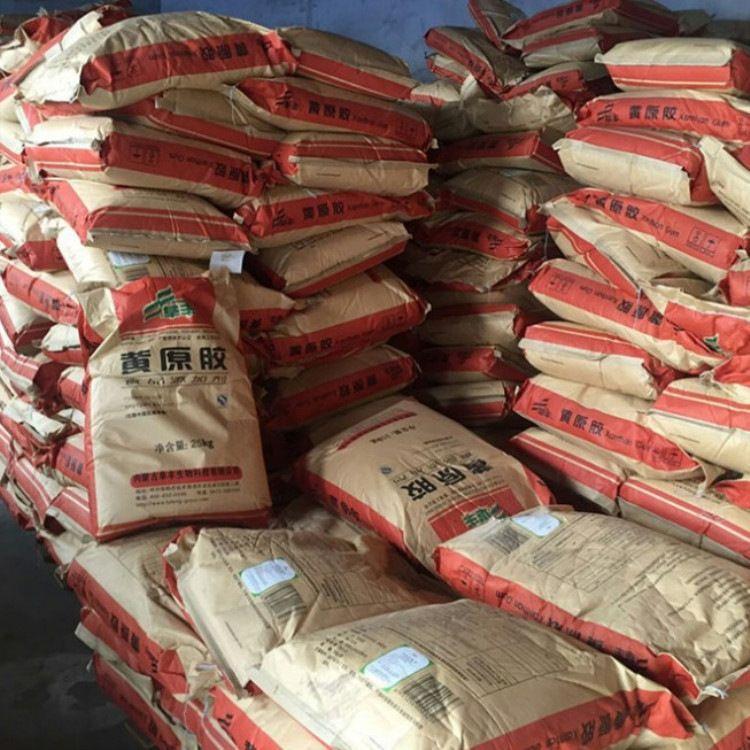


AfterSalesService :
Key words:- xanthan gum
More Products


