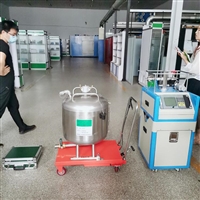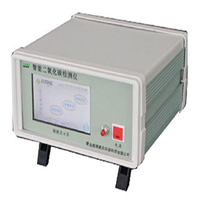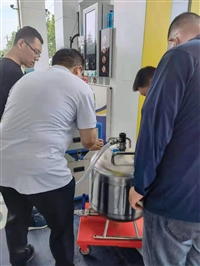



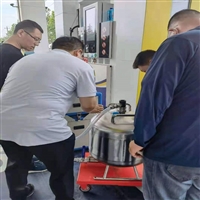
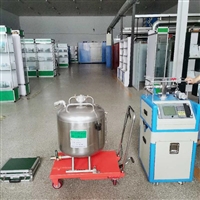
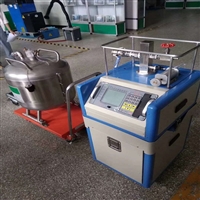
The oil and gas recovery detector is carefully developed for gas station oil and gas recovery
Category:
Transportation/Gas station equipment/Oil and gas recovery equipment
Model:
LB-7035
Brand:
Qingdao Lubo Jianye Environmental Protection Techn
model:
LB-7035
type:
Oil drum/tank
Processing & Customization:
yes
Scope of Application:
( 10~130) L/min
Specifications and Dimensions:
1200mm×450mm×500mm
Place of Origin:
Qingdao
weight:
About 18
manufacturer:
Qingdao Road Expo
Retail Price
356,556.00USD
重量
kg
- Product Description
-
model LB-7035
type Oil drum/tank
Processing & Customization yes
Scope of Application ( 10~130) L/min
Specifications and Dimensions 1200mm×450mm×500mm
Place of Origin Qingdao
weight About 18
manufacturer Qingdao Road Expo
Description :
LB-7035 Oil and Gas Recovery Detector


Oil and gas recovery multi parameter detector LB-7035Technical Specifications
Main parameters
Parameter Range
resolution
Accuracy
flow range
(10~130)L/min
0.1L/min
≤2.5L/min
pressure
(0~2500)Pa
1 Pa
≤±1%
temperature
(-2~45℃
0.1℃
≤±3.0℃
humidity
(0~90RH
0.1%RH
≤±3%RH
power consumption
<0.5W
standby time
Not less than 12 hours
display
5.7 inches
Overall dimensions
(500 × 450 × 1200) mm length × width × height
Total weight
About 18.0kg
Talk about oil and gas recovery detection equipment and common problems
After the renovation of the oil and gas recovery system is completed, corresponding inspections should be carried out and periodic inspections should be maintained to ensure that the system can operate effectively for a long time. The following text starts with the basic principles of oil and gas recovery, and then analyzes themOil and gas recovery detectorMethods and common problems.
Basic components of oil and gas recovery system
1. Composition of Oil and Gas Recovery System The physical structure of the oil and gas recovery system mainly consists of the following three parts: the quick connector box cap at the bottom of the tank, manual or pneumatic valves, elbows, and seamless steel pipes; Seamless steel pipes passing through the bottom and top of the tank, or external piping connection systems; Elbows at the top of the tank, manual or pneumatic valves, rubber hoses, parallel main pipes, elbows returning into the tank body, etc.
1.2 Classification of Oil and Gas Recovery System: A system that collects the oil and gas generated during the unloading of gasoline distribution tankers into the tanker. Secondary oil and gas recovery system: a system that collects the oil and gas generated when supplying gasoline to vehicles and stores it in buried oil tanks. Triple oil and gas recovery system: a system that processes the recovered oil and gas through condensation or pressurization, and converts it back into gasoline.
1.3 Working principle of oil and gas recovery system
(1) The primary oil and gas recovery stage is the process of collecting the evaporated oil and gas during the unloading process into the oil tank truck and transporting it back to the storage tank for recovery and treatment, based on the principle of pressure balance. During the unloading process of the oil tanker, the pressure inside the vehicle decreases, while the pressure inside the underground storage tank increases. The pressure difference between the underground storage tank and the oil tanker causes the volatile oil and gas during the unloading process to return to the tanker through pipelines, achieving the goal of oil and gas recovery. After the unloading is completed, the pressure inside the underground storage tank and the oil tanker reaches equilibrium. At this time, the unloading port is closed to keep the oil tank and the oil tanker in a sealed state. Gasoline and oil and gas exchange between the two, ensuring that oil and gas do not enter the air.
(2) The secondary oil and gas recovery stage is an oil and gas recovery system that is carried out simultaneously with refueling. At this stage, vacuum assisted oil and gas recovery equipment is used to transfer the evaporated oil and gas during refueling through underground oil and gas recovery pipelines to underground storage tanks for oil and gas recovery. During the process of refueling a car at a gas station, the vacuum pressure generated by the vacuum pump is controlled at a gas-liquid ratio of 1 through equipment such as oil and gas recovery pipelines installed on the refueling gun 0 ~1. The requirement for the scope of 2 is to recover the volatile oil and gas during the refueling process into the oil tank. The secondary oil and gas recovery system is currently the main part of the oil and gas recovery renovation at gas stations, and it is also the focus of oil and gas recovery testing. (3) The tertiary oil and gas recovery system refers to the oil and gas discharge treatment device.
On the one hand, collecting oil and gas from the low oil storage tank may cause an increase in pressure in the tank system, leading to the discharge of oil and gas from the breathing valve; On the other hand, due to the high volatility of gasoline, when the temperature inside the oil tank rises, the evaporation of gasoline intensifies, which can also cause the breathing valve to discharge oil and gas. According to the requirements, in order to ensure the efficiency of the second stage oil and gas recovery, the tertiary oil and gas recovery system mainly recovers and processes the oil and gas generated in the above situation. At present, there are three main methods for oil and gas recovery at gas stations both domestically and internationally, including condensation, absorption, adsorption, membrane separation, and their combination methods.
AfterSalesService :
Key words:- Oil and gas recovery detector
More Products