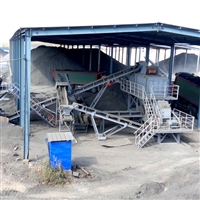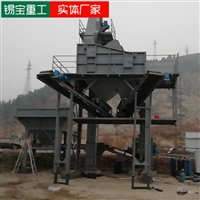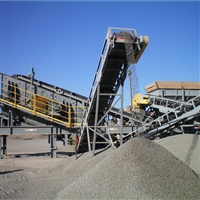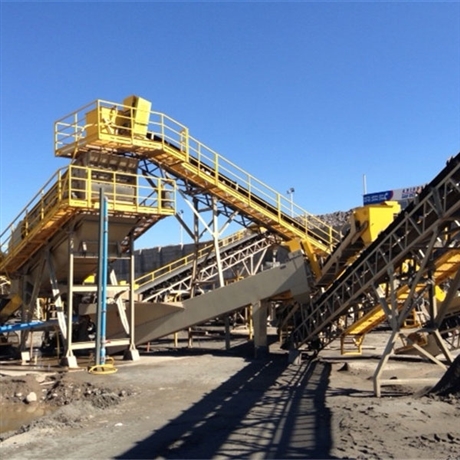




Asphalt pavement crushing equipment, waste asphalt recycling material crusher manufacturer
Category:
metallurgy/Mining washing machinery and equipment/Crushing equipment
Model:
XB50
Brand:
Jiangsu Xibao Heavy Industry
Retail Price
110,000.00USD
重量
kg
- Product Description
-
Description :
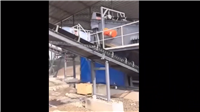
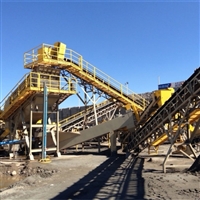
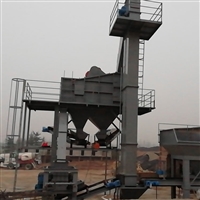
Asphalt pavement crushing equipment, waste asphalt recycling material crusher manufacturer
Since its establishment, Xibao Heavy Industry has been focusing on providing customers with competitive equipment solutions and services in the field of asphalt mixing/recycling. Our product development and manufacturing cover multiple product series, including asphalt mixture mixing equipment, asphalt plant mixing and hot recycling equipment, waste asphalt mixture crushing and screening equipment, asphalt warm mixing equipment, etc. Among them, the asphalt plant mixing and hot recycling equipment has gained high recognition from industry customers due to its technological advantages!

With a large amount of asphalt waste material (RAP) being reused, more and more customers are paying attention to equipment in the field of asphalt recycling, and the demand for related equipment has doubled accordingly. Jiangsu Xibao Heavy Industry, as a rising star in the field of asphalt recycling, has attracted a lot of attention from customers for its independently developed recycling products.
From this year's equipment sales data, it can be seen that the XB series asphalt waste crushing and screening equipment from Xibao Heavy Industry has been exceptionally popular in sales. As of now, it has been put into use in provinces and cities across the country such as Zhejiang, Jiangsu, Anhui, Xinjiang, Hubei, and Beijing, and has been exported to overseas countries such as Vietnam, helping RAP to recycle and achieve resource regeneration.
What are the advantages of XB series roller crushing and screening equipment?
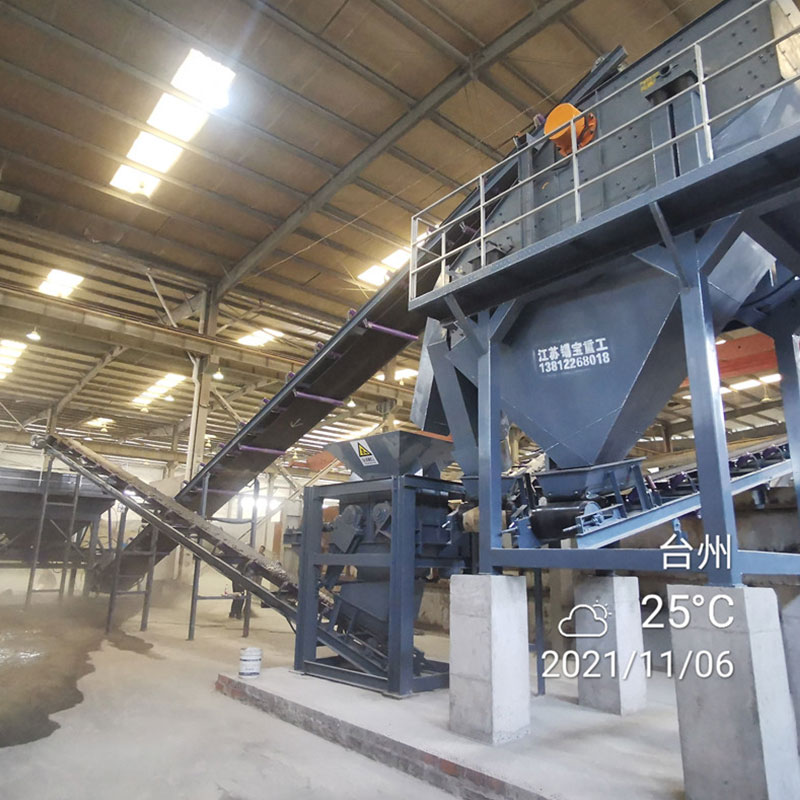
The XB series is a specialized crushing and screening product launched by Xibao Heavy Industry based on its rich design experience in asphalt plant mixing and hot recycling equipment, combined with the particularity of domestic RAP material acquisition methods. The equipment adopts flexible separation technology combined with high-frequency screening technology to ensure the gradation control requirements in the production process of RAP mixture with high mixing ratio. The flexible crushing and screening method avoids the secondary damage of RAP grading, and the high-frequency screening technology can screen RAP below 4.75mm, ensuring the control of the proportion of fine materials in the mixture grading.
RAP flexible crushing and screening "3-step method":
1. First level single roll flexible separation
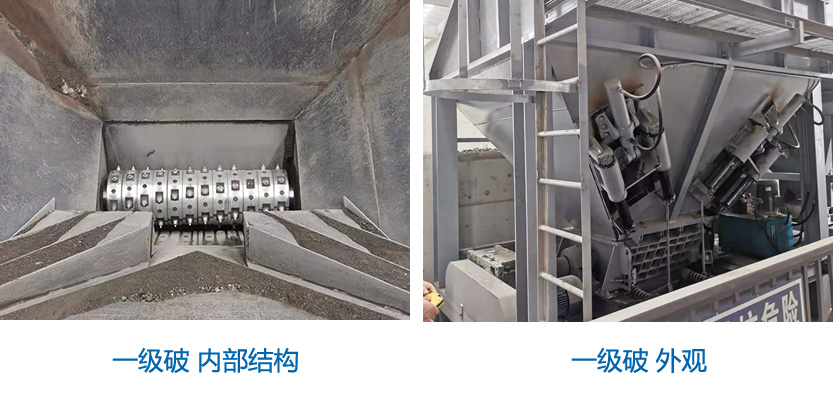
The crushing roller of the single roll primary crusher works in conjunction with the hydraulic driven pushing device, resulting in high crushing efficiency. Low speed combined with a movable buffer plate can achieve flexible separation. The wear-resistant parts on the crushing roller adopt the standard cutting head of the milling machine, which has good wear resistance and is easy to replace.
2. Grading system
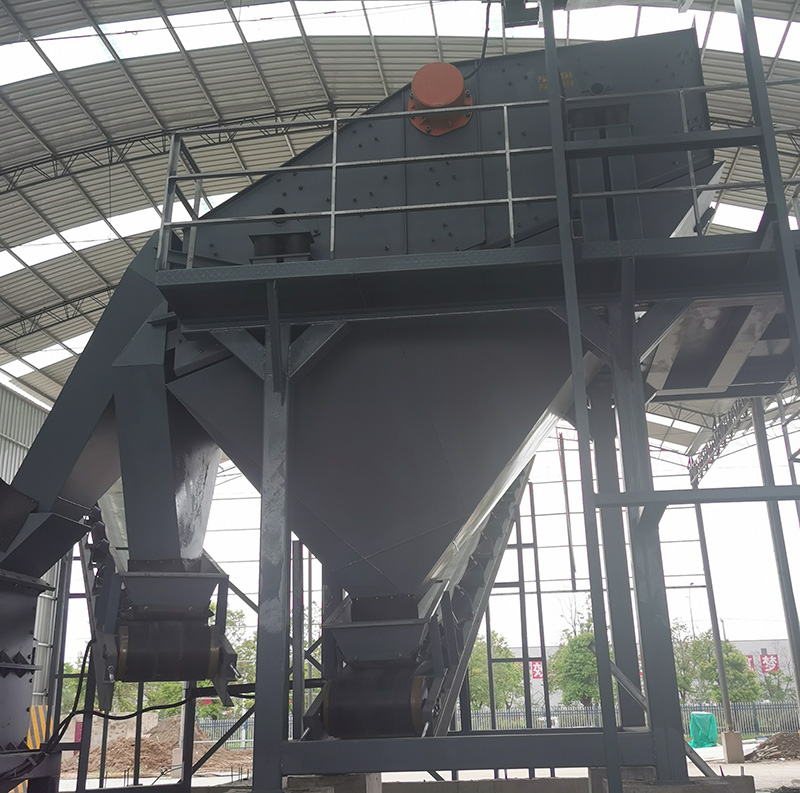
The high-frequency vibration motor is used as the driving force motor to drive the screen mesh to vibrate (the screen body does not move), solving the problem of RAP material blockage below 4.75mm and achieving high-speed tapping of materials. This structure combines the conventional vibrating screen and vibrating screen into one, and one vibrating screen can separate three types of materials, reducing equipment occupation and saving costs.
3. Secondary roller type flexible separation
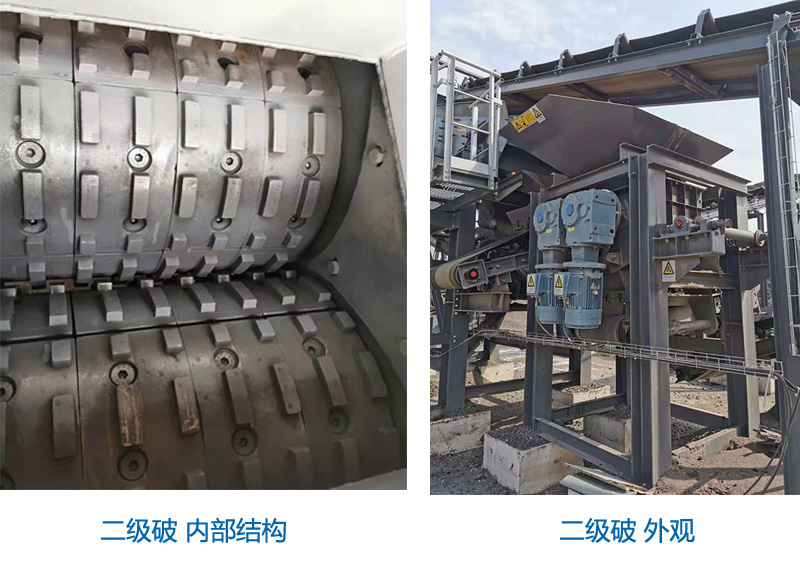
The double roll secondary crusher is equipped with two sets of crushing rollers arranged in a cross pattern. One of the crushing rollers is equipped with a spring tensioning device, which can adjust the gap between the crushing rollers to achieve the adjustment of material particle size and output after crushing. Compared with hammer crushing and impact crushing, roller crushing causes less damage to the gradation of RAP raw aggregates. The roller speed is low and the crushing method has minimal impact, greatly extending the service life of the equipment. At the same time, there is almost no dust generated during on-site work.



Asphalt pavement materials are divided into two categories: bonding materials (asphalt materials) and skeleton materials (sand and gravel materials). Among them, sand and gravel materials can be directly utilized with only slight treatment. Therefore, the key to the regeneration of asphalt pavement materials lies in the regeneration of asphalt materials.
1. Aging of asphalt
During the use of asphalt, due to prolonged exposure to sunlight, air, and water, as well as physical and chemical interactions between asphalt and mineral aggregates, asphalt molecules undergo oxidation and polymerization, transforming low molecular weight compounds into higher molecular weight compounds, resulting in deterioration of road performance. This phenomenon is commonly referred to as "aging". After asphalt aging, its chemical composition and properties change, manifested as a decrease in penetration, a decrease in ductility, an increase in softening point, an increase in viscosity, and a decrease in brittle point.
2. Regeneration mechanism of old asphalt materials
There are two theories for the mechanism research of old asphalt regeneration: one theory is the "compatibility theory", which believes that the reason for asphalt aging is that the compatibility of various components in the asphalt gum system decreases, resulting in an increase in the solubility parameter difference between components. It is believed that adding a certain amount of rejuvenator can reduce the solubility parameter difference, and asphalt can recover (or even exceed) its original properties. Another theory is the "component adjustment theory", which holds that due to the migration of components, the proportion of each component is not coordinated after asphalt aging, resulting in a decrease in asphalt road performance. It is believed that by adding rejuvenators to adjust its components, asphalt can restore its original properties. Therefore, in order to restore the original performance of aged asphalt, it is necessary to compare the components of aged asphalt and original asphalt, and add the missing components (i.e. asphalt rejuvenator) to the aged asphalt to re coordinate the components.
3. Recycling of old asphalt materials
Asphalt material is a mixture composed of several components such as oil, resin, and asphaltene, and a certain component of asphalt, such as oil, is also a mixture composed of hydrocarbons with varying molecular weights. According to the principle that asphalt materials are mixtures, mixing several different components can result in blended asphalt with different properties. The asphalt produced by this method is called blended asphalt in the petroleum industry.
Regeneration of old asphalt materials refers to the process of adding a low viscosity oil (rejuvenator) or an appropriate viscosity asphalt material to aged asphalt based on the principle of producing blended asphalt, in order to blend the blended asphalt with suitable viscosity and required properties. So recycled asphalt is actually a blended asphalt made by mixing old asphalt with new asphalt materials (with the addition of rejuvenators if necessary). Of course, in actual construction, the mixing of old asphalt with rejuvenators and new asphalt materials is carried out with accompanying sand and gravel materials, rather than specifically extracting old asphalt for blending, which is far inferior to the production and blending of asphalt in the petroleum industry. However, their theoretical basis is the same.
AfterSalesService :
Key words:- Asphalt pavement crushing equipment