

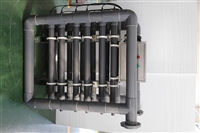
Aquaculture UV sterilizer manufacturer UV sterilizer manufacturer UV sterilizer
Category:
Environmental Protection/Raw water treatment equipment/Water sterilization and disinfection equipment
Model:
GYC-UUVC-1200
Brand:
Guanyu
Retail Price
88,889.00USD
重量
kg
- Product Description
-
Description :
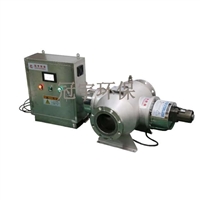
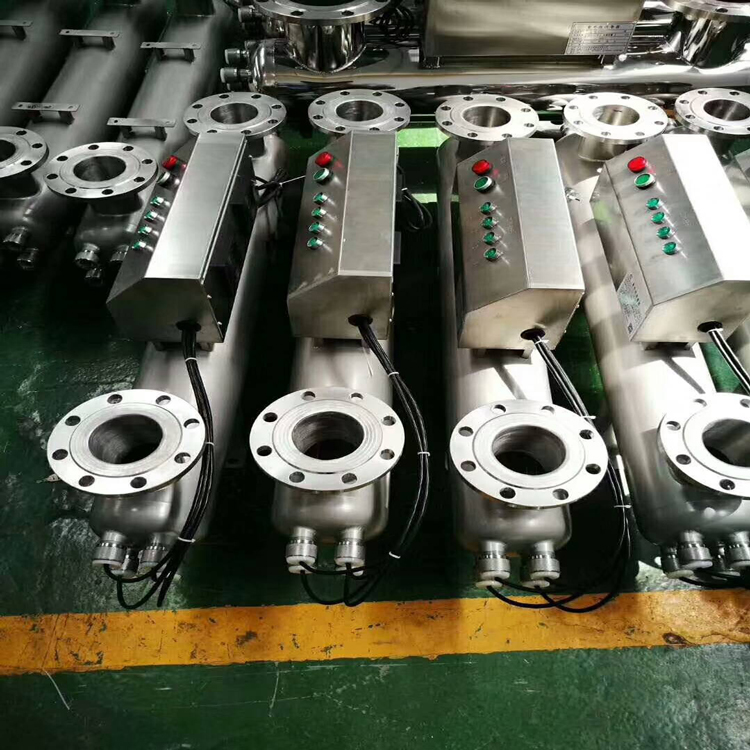
Aquaculture UV sterilizer manufacturer UV sterilizer manufacturer UV sterilizer is increasingly widely used in aquaculture and ornamental fish farming. In the process of aquaculture, the reproduction of algae in water and the bacteria and viruses that cause fish diseases can both die and disintegrate within seconds under strong ultraviolet radiation. After UV sterilization and purification of water bodies, more than 99% of bacteria and viruses will be killed, thereby reducing the disease rate of fish, increasing aquaculture density and yield, and improving the ornamental value of ornamental fish.
Aquaculture UV sterilizer manufacturer UV sterilizer manufacturer UV sterilizer product features
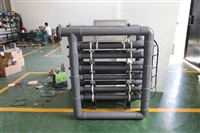
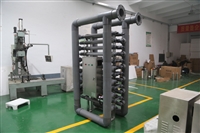
The product uses customized PVC pipes for aquaculture and main accessories for connection, pressure bearing and circuit formed by molds. It has anti-corrosion, anti-aging, acid and alkali resistance and other functional characteristics during the use of aquatic products (seawater)
It has the advantages of low price, economic practicality, and can save 30% of investment compared to stainless steel equipment
Selected matching original UV-C lamps from Lightsources in the United States, equipped with high-purity quartz glass sleeves and long-lasting sterilization
Choose quartz sleeves with high transparency and purity to ensure that ultraviolet rays pass through at least 90%
Modular production and parallel combination of equipment can enable quantitative production of products and improve disinfection and sterilization effects
No chemical reaction, no secondary pollution generated
The inlet and outlet can be connected by threads or flanges, and the diameter can be customized according to user requirements
Product specifications: Treatment water flow rate 2T-500T/H
Aquaculture UV sterilizer manufacturer UV sterilizer manufacturer UV sterilizer performance characteristics
Work status indicator light with sound/light alarm function (optional)
Modular modular structure design, reducing footprint, easy to install and operate for management
Lamp: Imported from the United States/Philips/Domestic (optional) Lamp with a lifespan of 12000 hours
Ballasts: domestic and imported, configured according to user needs
System withstand voltage: 0.4-0.6Mpa
The history and current status of marine aquaculture can be divided into single aquaculture, mixed aquaculture, and intercropping (such as intercropping with shellfish) according to aquaculture methods. China has a long history of marine aquaculture, such as the cultivation of pearl oysters, which originated in China. Hepu, Beihai, and Dongxing are known as the "hometown of pearls", while Zhanjiang is known as the "hometown of southern pearls". The foundation of the world's marine aquaculture industry is still relatively weak, but there is enormous potential for development. Artificial aquaculture (such as release, artificial reefs, and large-scale cage aquaculture in offshore areas) can be developed in coastal areas, harbors, inland seas, and shallow seas. Since the 1970s, due to the decline of traditional nearshore fishery resources, many coastal countries have successively announced the implementation of 200 nautical mile economic zones and exclusive fishing zones, promoting the development of marine aquaculture. In 1980, the output reached 3 million tons, especially in countries such as Japan, Russia, the United States, and Norway. China's marine aquaculture industry has achieved significant development in the past thirty years. China is a country with developed marine aquaculture in the world, ranking first in both aquaculture area (1579 thousand hectares, 2008) and total production. According to statistics from the Food and Agriculture Organization (FAO), the total output of China's marine aquaculture industry was only 100000 tons in 1955 and has gradually increased since then. In the past thirty years, it has experienced rapid development, exceeding 3 million tons in 1990 and rising to 13.4 million tons in 2008, accounting for 51.6% of China's marine aquatic product production and about 2/3 of the world's total marine aquaculture production. The great development of China's marine aquaculture industry is mainly due to the rise of shallow sea shellfish and algae aquaculture. For example, in 2008, shellfish production (10.08 million tons) accounted for about 75% of the total production, while macroalgae production (1.38 million tons) accounted for about 10.3%. Together, the two accounted for more than 85% of China's marine aquaculture production, while fish (740000 tons) and shrimp and crab (940000 tons) accounted for about 5.5-7%. It can be seen that China's marine aquaculture industry is still mainly based on shellfish and algae farming, and there is still a lot of room for development in terms of variety.
The impact of marine aquaculture on the environment. Most of the world's marine aquaculture systems have entered semi intensive or intensive aquaculture, and the feeding of feed and the generation of residual feed are important factors contributing to self pollution in aquaculture. Specifically, pollution from shrimp farming mainly comes from the release of N and P nutrients from newly formed residual feed, as well as a large amount of sulfides, NH4, and suspended solids in the aquaculture wastewater. In addition to residual feed, fish also include their feces and excreta, which contain nutrients such as N, P, and organic matter. These substances will have a eutrophic impact on water bodies and sediment. Overall, aquaculture self pollution belongs to organic pollution, which mainly increases the environmental load of N and P.
Driven by economic interests, many regions have developed aquaculture in a disorderly, unrestrained, or even gratuitous manner. Large scale reclamation has led to a reduction in sea area and tidal capacity, weakening the self purification ability of the ocean and exacerbating the deterioration of the water environment. The blind construction of net cages and the installation of suspended rafts by aquaculture owners on the sea surface have resulted in excessive aquaculture density, far exceeding the carrying capacity of the marine ecosystem, causing obstruction or disorder of the logistics and energy circulation of the marine aquaculture ecosystem, and leading to diseases. The decomposition of a large amount of leftover bait, debris, fish and shrimp feces, as well as household waste from aquaculture workers, produces a large amount of nitrogen and phosphorus nutrients, leading to eutrophication of aquaculture waters and providing a suitable ecological environment for red tide organisms, which is the root cause of red tide. Unplanned marine aquaculture is becoming an important source of pollution in nearshore waters, and even has a trend of surpassing land-based pollution. For example, in some aquaculture areas in Norway, its pollution hazards to the sea area and the severity of direct damage to the ecosystem far exceed land-based pollution;

AfterSalesService :
Key words:- Aquaculture UV sterilizer manufacturer