
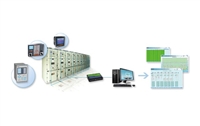


Energy storage metering and energy consumption monitoring
Category:
Electrical Engineering/CNC and instrumentation/Data collector
Model:
Acrel
Brand:
Acrel
brand:
Acrel
model:
Acrel
type:
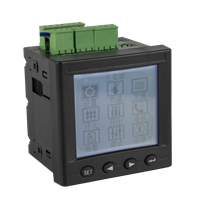
Energy consumption monitoring system
Power supply method:
UPS
Control method:
discrete signal
function:
Electricity sub item measurement
Retail Price
3,000,000.00USD
重量
kg
- Product Description
-
brand Acrel
model Acrel
type Energy consumption monitoring system
Power supply method UPS
Control method discrete signal
function Electricity sub item measurement
Description :
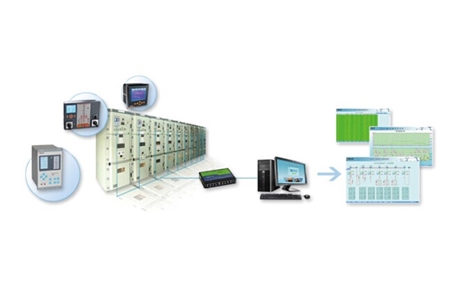
The energy-saving monitoring platform system integrates the energy-saving management concept of universities with software analysis technology, monitoring and measurement, and correct control technology. The correct identification of energy use and energy-saving measures can provide valuable feedback on equipment operation to management personnel, enabling them to optimize the management of energy consuming equipment, achieve better energy-saving levels, increase the sustainability of energy-saving effects, and reduce the variability of energy-saving effects. The system adopts a B/S framework structure, uses web browsing, and utilizes advanced technologies such as open platform construction and subsystem embedding. Therefore, the system has strong future scalability and compatibility. The main functions of the energy consumption monitoring platform system include energy consumption monitoring and energy-saving control. Energy consumption monitoring mainly utilizes current IoT communication technology and detection technology to collect, transmit, store, analyze, and display water, electricity, and gas data in real time, achieving real-time monitoring of energy consumption in energy consuming buildings and departments. The system deeply analyzes the data, providing basic data, data analysis, energy-saving solutions, and other functions for energy management. The implementation of energy-saving control function is based on energy consumption monitoring and data collection, analyzing the data, combining with the characteristics of electrical equipment, formulating reasonable automatic control strategies, or using automatic control technology and communication technology to achieve energy-saving self-control or remote control of energy consuming equipment, in order to avoid energy waste. The implementation of platform functions mainly includes a three-layer structure, namely a data acquisition layer, a data storage and analysis layer, and a data display layer, which can be compatible with various commonly used communication protocols such as Mod bus, DLT645, M-bus, etc. Water meters, electricity meters, lighting control equipment, etc. are uploaded to the data network management through RS485 lines. The data gateway then uploads the data to the data storage server and system platform server through the campus network or local area network. The system platform server conducts in-depth analysis and processing of the data, and presents it to the manager in a more intuitive and convenient way in the form of curve charts or bar charts.
Overview of Cloud Platform Introduction
Acrel EIoT energy IoT cloud platform is a set of platform based on the Ankeri IoT data middle platform, which has established the uplink and downlink data standards and provides Internet users with energy IoT data services. Users only need to purchase Ankerui IoT sensors and transformers, and install them themselves. Whether it is IoT instrument direct transmission or uploading through the gateway, they can use their mobile phones to scan the code to obtain the required industry data services.
system architecture
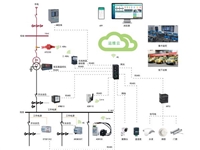
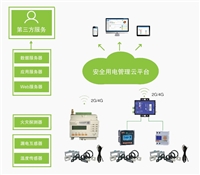
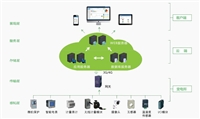
 The Acrel EIoT energy IoT cloud platform adopts a layered and distributed structure, mainly composed of three parts: the perception layer (terminal collection devices), the network layer (communication management terminals), and the platform layer (energy IoT cloud platform).
Perception layer: Various sensors connected to the network, including multifunctional meters, prepaid meters, multi loop meters, IoT meters, IoT water meters, electric vehicle charging stations, car charging stations, street light controllers, etc. Network layer: Intelligent gateway, collects data from the perception layer, performs protocol conversion and storage, and uploads the data to the energy IoT cloud platform. Platform layer: includes application servers and data servers, which can implement applications on PC or mobile devices.

Platform Architecture
 Platform Features
1. Energy supply
Power collection and reading function module

Intelligent operation and maintenance function module

2. Energy management
Safe electrical function module

Power Quality Function Module

3. Equipment management
Intelligent lighting function module

Prepaid water and electricity function module

Car/electric scooter charging operation function module

4. Energy analysis
Energy management functional module

Value added service function module
(1) Industrial configuration

(2) 3D visualization

Equipment selection
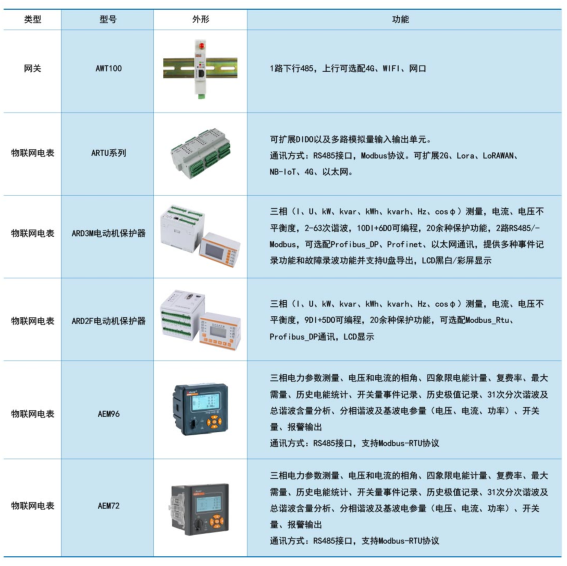
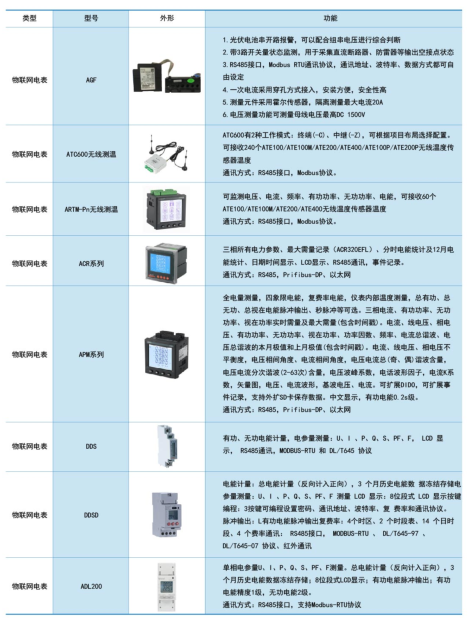

The energy-saving monitoring platform is an intelligent energy-saving management system based on remote collection of water, electricity, and gas data, covering multi-dimensional data analysis, energy consumption prediction, real-time control, and other functions. The energy consumption of universities is mainly based on water and electricity, especially in public buildings and office buildings where leakage and constant lighting are particularly common. Therefore, the system mainly includes functions such as water supervision balance analysis, energy consumption monitoring, lighting control, and air conditioning energy-saving control.
Water regulatory balance system
The water supervision balance system realizes the functions of multi-level grading measurement, management, statistics, and analysis of the entire school's water pipe network. By utilizing current communication and electronic metering technologies, the intelligent water meter can remotely upload real-time flow data to the data gateway, which then collects the data
The raw data is uploaded to the database server for storage, and the system platform server provides query and management functions for pipeline flow operation and building water consumption. The administrator discovered suspected leaking buildings through a bar chart of 72 hour flow data from the water meter and notified the building administrator to strengthen inspections to reduce water waste. For the water pipe network between the terminal water meter of the building and the main water meter of the university, non-human leakage such as water pipe rupture, loose water valve connection, etc. is often difficult to detect. Therefore, the system adopts real-time monitoring of individual and water meters, and utilizes the logical relationship between water meters at all levels to develop a water balance management subsystem. This system utilizes the theory of balancing flow data between upper level and lower level tables in the upper level box. Real time analysis and comparison of flow data. When the flow rate of the upper level meter is greater than the sum of the flow rates of each lower level meter, it indicates that there is a leakage point in the water pipe network, providing strong data support for manual secondary listening.
Energy consumption monitoring system
The energy consumption monitoring system realizes the classification and sub item measurement of electricity consumption in each building. Real time collection and statistical analysis of energy consumption data using modern communication technology. Centralize the collected data for storage and provide data query and display functions. The system has implemented comprehensive analysis of energy efficiency, time period analysis, and energy consumption comparison analysis for the entire university, secondary departments, secondary colleges, and various buildings; And it can conduct targeted analysis on important places such as school bathrooms and power distribution rooms, combined with multiple analyses of factors such as weather, location, pedestrian flow, and holidays; Production analysis report, accurately identify energy-saving points, and calculate energy-saving space.
AfterSalesService :
Key words:- Energy storage metering and energy consumption monitoring
More Products