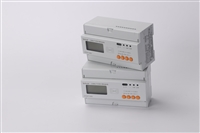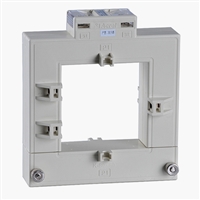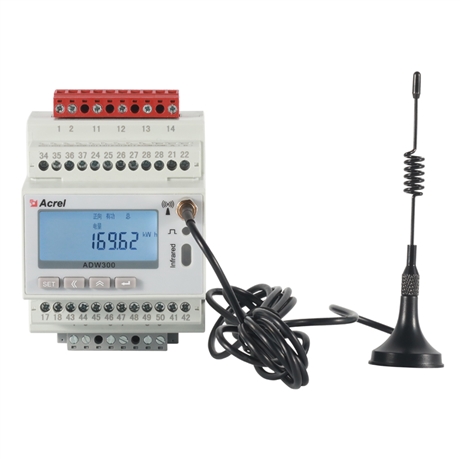

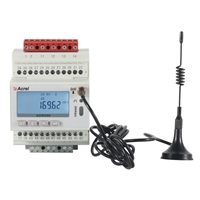


Ankrui Remote Meter Reading ADW300 Power IoT Instrument
Category:
Instrumentation/Standard measuring instruments/Optical metrology standards
Model:
ADW
Brand:
Acrel
model:
ADW
measurement range:
0-400V
accuracy:
Level 0.5
resolution:
LCD (Liquid Crystal Display)
Processing & Customization:
No
Overall dimensions:
35mm guide rail
Place of Origin:
Jiangyin, Jiangsu
manufacturer:
Acrel
Retail Price
1,000.00USD
重量
kg
- Product Description
-
model ADW
measurement range 0-400V
accuracy Level 0.5
resolution LCD (Liquid Crystal Display)
Processing & Customization No
Overall dimensions 35mm guide rail
Place of Origin Jiangyin, Jiangsu
manufacturer Acrel
Description :
Since the beginning of this year, driven by favorable policies, the new energy industries such as photovoltaics, wind power generation, electrochemical energy storage, and pumped storage have developed rapidly, with a significant increase in installed capacity. New energy generation has become an important component of the new power system, which also makes it more complex than traditional power systems. In the future, it is expected that the installed scale of renewable energy will continue to grow rapidly, gradually completing the deep transformation of the energy system and achieving the goal of "carbon neutrality". Subsequently, how to achieve effective operation and maintenance management of photovoltaic power plants, energy storage, and supporting electrical facilities through the system, so as to ensure their safe and reliable operation.
Keywords: photovoltaic monitoring; Photovoltaic operation and maintenance; Energy storage monitoring; Energy storage operation and maintenance; Box Transformer Monitoring Ankerui Remote Meter Reading ADW300 Power Internet of Things Instrument
According to data from the New Energy and Renewable Energy Department of the National Energy Administration, in the first quarter of 2023, 33.66 GW of photovoltaic power was added to the grid nationwide, a year-on-year increase of 154.8%, including 15.53 GW of centralized photovoltaic power generation and 18.13 GW of distributed photovoltaic power generation. As of the end of the first quarter, the installed capacity of photovoltaic power generation in China reached 425 GW, including 249 GW of centralized photovoltaic power generation and 176 GW of distributed photovoltaic power generation. The investment in solar power generation reached 52.2 billion yuan, a year-on-year increase of 177.6%. In the first quarter, the national wind power added 10.40GW of grid connected capacity, including 9.89GW of onshore wind power and 0.51GW of offshore wind power. As of the end of the first quarter, the cumulative installed capacity of wind power in China reached 376GW, a year-on-year increase of 11.8%, including 345GW of onshore wind power and 30.89GW of offshore wind power. Wind power investment completed about 24.9 billion yuan, a year-on-year increase of 15%.
From January to April 2023, a total of 73 electrochemical energy storage projects were put into operation, with an installed capacity of 2.523GW/5.037GWh. The installed power increased by 577.1% year-on-year compared to the same period last year (374.4MW). Among them, there are as many as 69 lithium iron phosphate energy storage projects with an installed capacity of 2.52GW/5.019GWh; There are a total of 4 flow battery energy storage projects with an installed capacity of 3.1MW/18.1MWh.
Introduction
In the context of dual carbon, the substitution of electricity for enterprise energy consumption will be a long-term trend. Therefore, a large number of new electrical equipment will be added within the enterprise. Improving the energy efficiency level of these equipment will reduce the total electricity consumption and help achieve the dual carbon goal as soon as possible.
Energy metering instruments that require multiple communication methods, support embedded and rail mounted installation, RS485, Lora, 4G and other data upload modes, and can achieve wiring free and power free construction.
Electric energy meters are installed at major distribution nodes, key energy consuming equipment, etc. They collect real-time electricity data, monitor the operation of the distribution system, and analyze the electricity data hourly, daily, and monthly. Combined with national and industry standards, they calculate the overall carbon emissions of the enterprise and provide basic data services for carbon neutrality.
1、 Product Overview
The ADW300 wireless measuring instrument is mainly used to measure three-phase active energy in low-voltage networks. It has RS485 communication and 470MHz wireless communication functions, making it convenient for users to monitor, collect and manage electricity consumption. It can be flexibly installed in the distribution box to achieve sub item energy measurement, statistics, and analysis for different areas and loads.
2、 Model Description

3、 Technical parameters

4、 Product Features


5、 Application scope
ADW300-4GWireless metering instruments for power Internet of ThingsThe ADW300 is convenient for users to monitor, collect and manage electricity usage, and can be flexibly installed in distribution boxes. It can be used in online monitoring platforms such as power operation and maintenance, environmental supervision, etc.
6、 Ordering Example
Specific model: ADW300W-LR/KCTL Technical requirements: Rated current 3 × 1.5 (6) A (ADW300W), 3 × 20 (100) A (ADW300W) Communication protocol: C: RS485 communication; LR: Lora Auxiliary Power Supply: AC220V
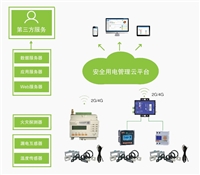
7、 Application Networking Diagram

8、 Exterior installation
Overall dimensions


wiring method

ADW300 three-phase four wire

ADW300 three-phase three wire

ADW300W three-phase four wire
Installation Diagram

On site installation diagram

9、 Application scenarios

The installed capacity of photovoltaic power stations and electrochemical energy storage power stations both increased significantly in the first half of this year. It is expected that, influenced by policy incentives, the photovoltaic storage system will continue to maintain significant growth in the future to meet the requirements of the dual carbon plan.
Along with the rapid development of the photovoltaic and energy storage industries, there are also many tenders for monitoring and operation management projects of existing photovoltaic and wind power plants and energy storage systems. In the first half of 2023, the scale of operation and maintenance tenders for photovoltaic power plant development enterprises was 28.6GW, a year-on-year increase of 204.3%. Among the 28.6GW tender projects mentioned above, a total of 14.9GW have announced their winning bids, as shown in Table 1. The price of photovoltaic outsourcing operation and maintenance varies greatly due to the geographical distribution, capacity, environment, and assessment conditions of photovoltaic power stations. Table 1 shows that the operation and maintenance price is as low as 1.93 yuan/year * kW.
Ankrui Remote Meter Reading ADW300 Power IoT Instrument
AfterSalesService :
Key words:- Electric Internet of Things Instruments