Xiamen reactor resin production equipment has excellent technology and performance
Category:
chemical industry/Reaction equipment/Reaction kettle
Model:
JZ-100/50000
Brand:
Jinzong Machinery
Retail Price
20,000.00USD
重量
kg
- Product Description
-
Description :
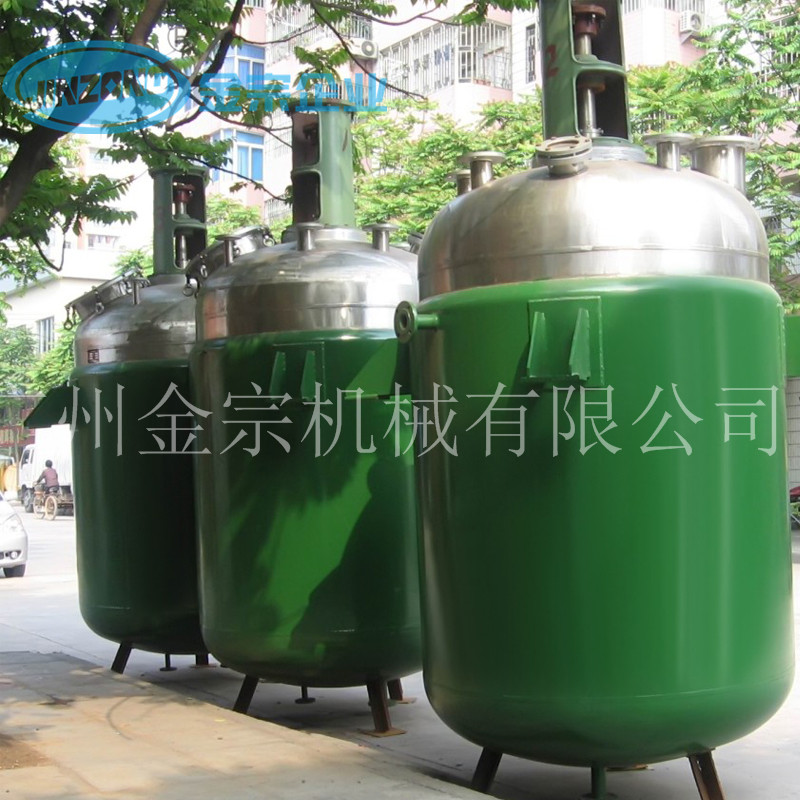
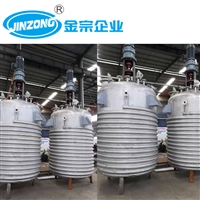
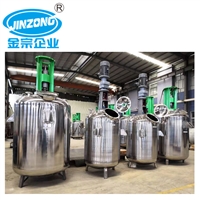
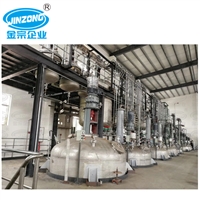
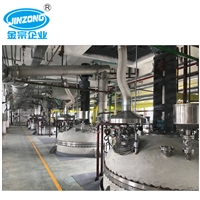
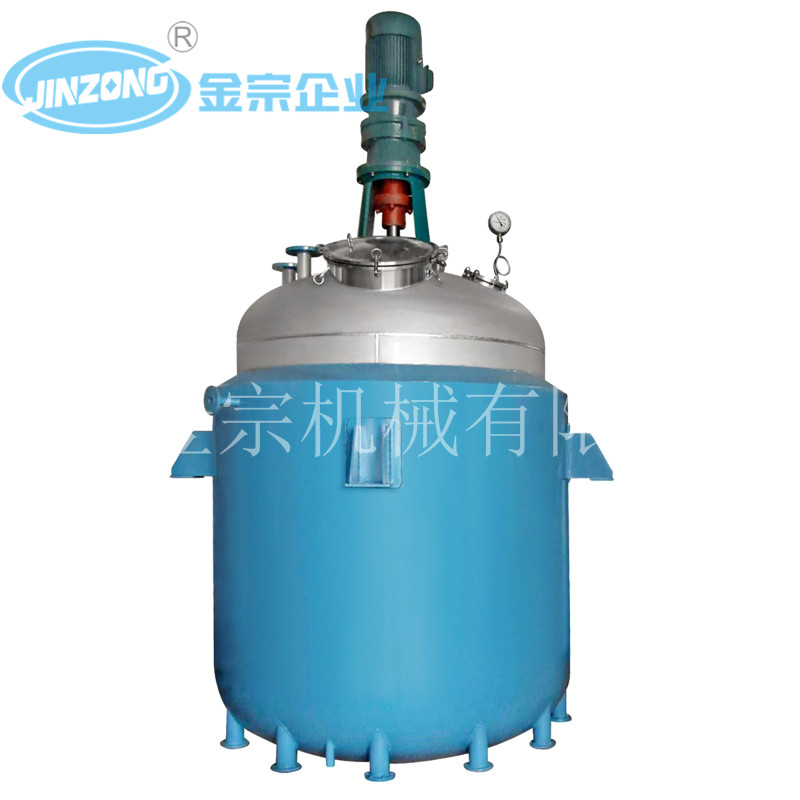
Reaction vessels are widely used in petroleum, chemical, rubber, pesticide, dye, medicine, food, and are pressure vessels used to complete processes such as vulcanization, nitration, hydrogenation, alkylation, polymerization, and condensation, such as reactors, reaction pots, decomposition pots, polymerization pots, etc; Materials generally include carbon manganese steel, stainless steel, zirconium, nickel based (Hastelloy, Monel, Inconel) alloys, and other composite materials.
Operating procedures for stainless steel reaction kettle:
Before starting the stainless steel reactor
1. Check whether the kettle, mixer, rotating parts, auxiliary equipment, indicating instruments, safety valves, pipelines and valves meet safety requirements.
2. Check if water, electricity, and gas meet safety requirements.
Stainless steel reactor is in operation
1. Before adding materials, the mixer of the reaction kettle should be turned on first. When there is no noise and it is normal, the materials should be added to the reaction kettle, and the amount of materials added should not exceed the process requirements.
2. Before opening the steam valve, first open the return valve, and then open the intake valve. The steam valve should be opened slowly to preheat the jacket and gradually increase the pressure. The pressure inside the jacket should not exceed the specified value.
3. The steam valve and cooling valve cannot be started simultaneously, and hammering and collision are not allowed when the steam pipeline is out of air.
4. When opening the cooling water valve, first open the return valve, and then open the inlet valve. The cooling water pressure shall not be lower than 0.1 megapascals, nor shall it be higher than 0.2 megapascals.
5. The water ring vacuum pump should be started before supplying water. When stopping the pump, the pump should be stopped first and then the water should be stopped, and the accumulated water in the pump should be drained.
6. Check the operation of the reaction kettle at any time and stop for maintenance if any abnormalities are found.
7. When cleaning the titanium epoxy (enamel) reaction vessel, do not use alkaline water to brush the reaction vessel, and be careful not to damage the enamel.
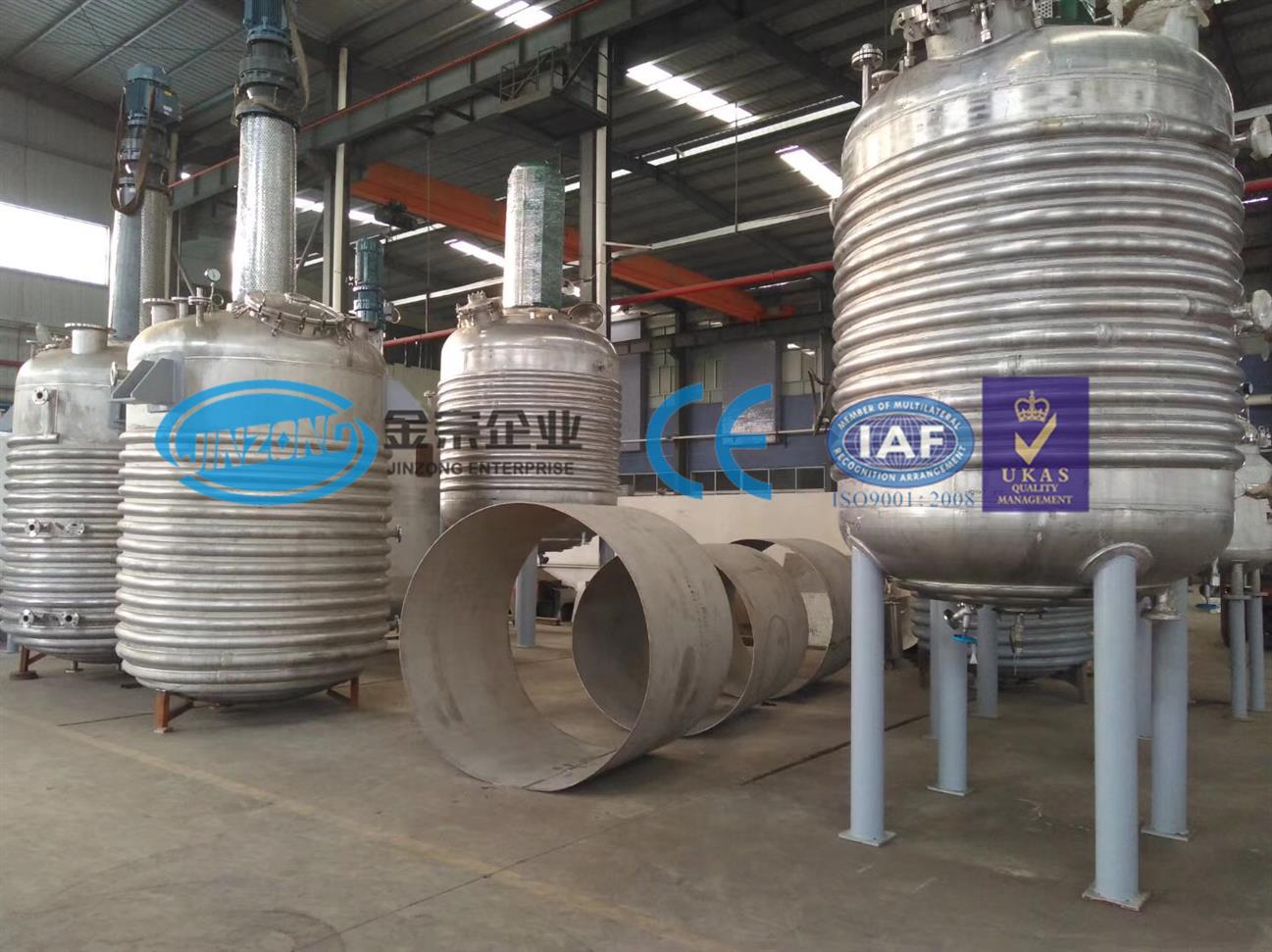
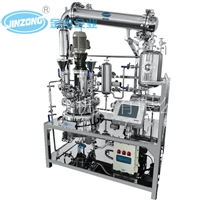
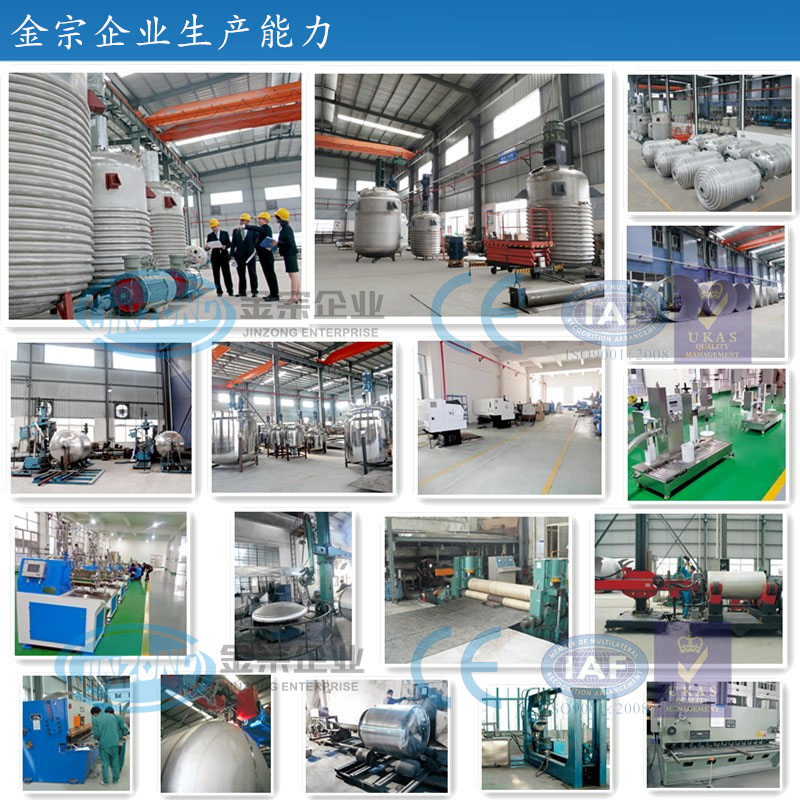
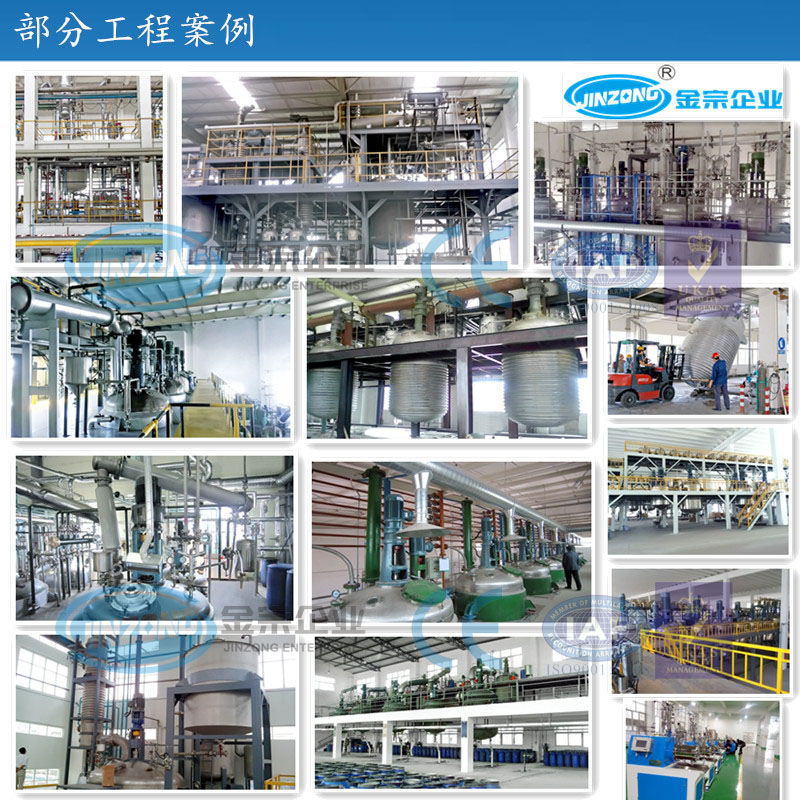
The reaction kettle consists of a kettle body, kettle cover, jacket, stirrer, transmission device, shaft seal device, support, etc. When the aspect ratio of the mixing device is large, multiple layers of mixing blades can be used, and it can also be selected according to the user's requirements. A jacket is installed outside the kettle wall, or a heat exchange surface is installed inside the reactor, or heat exchange can be achieved through external circulation. The support seat can be of the support type or ear type. Gear reducers should be used when the speed exceeds 160 revolutions per minute The number of openings, specifications, or other requirements can be designed and manufactured according to user requirements.
1. Packing sealing is usually used under normal or low pressure conditions, with a pressure of less than 2 kilograms.
2. In general, mechanical seals are used for medium pressure or vacuum situations, with a pressure of negative pressure or 4 kilograms.
3. Magnetic sealing will be used under high pressure or high volatility of the medium, usually when the pressure exceeds 14 kilograms. Except for magnetic seals that use water cooling, other sealing forms will increase the cooling water jacket when the temperature exceeds 120 degrees.




AfterSalesService :
Key words:- Xiamen Reactor