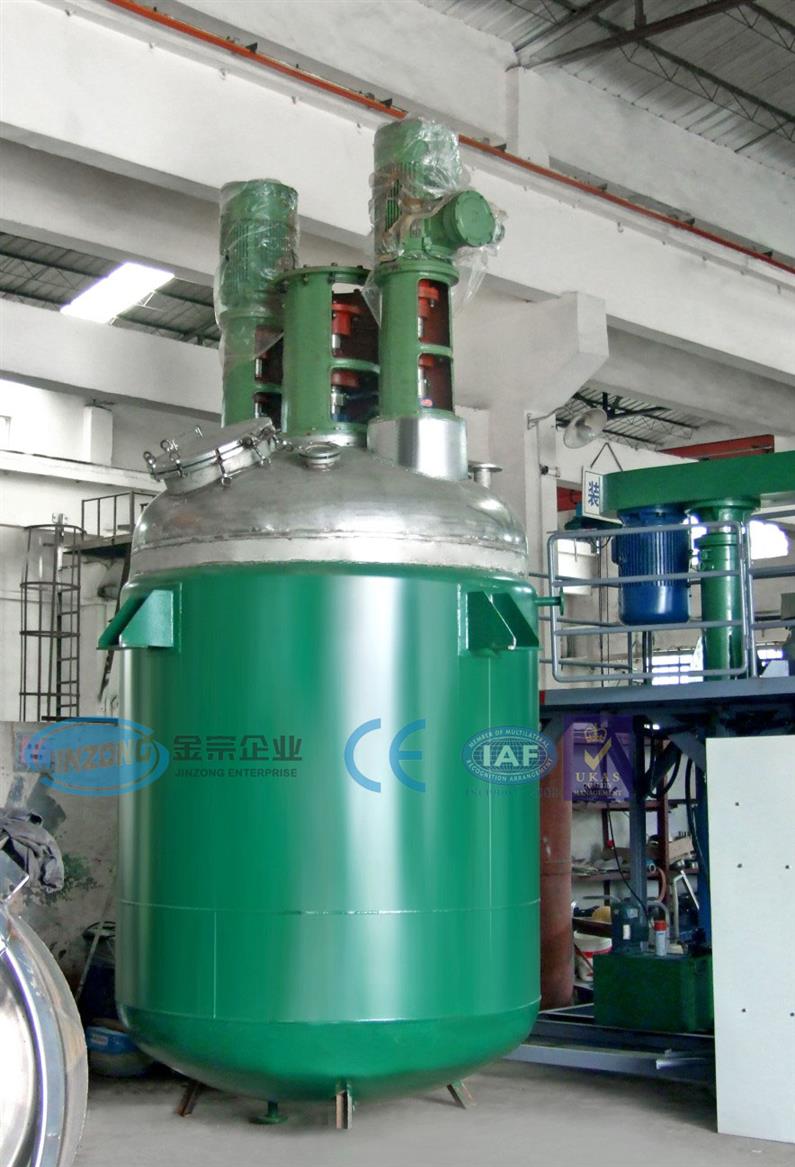


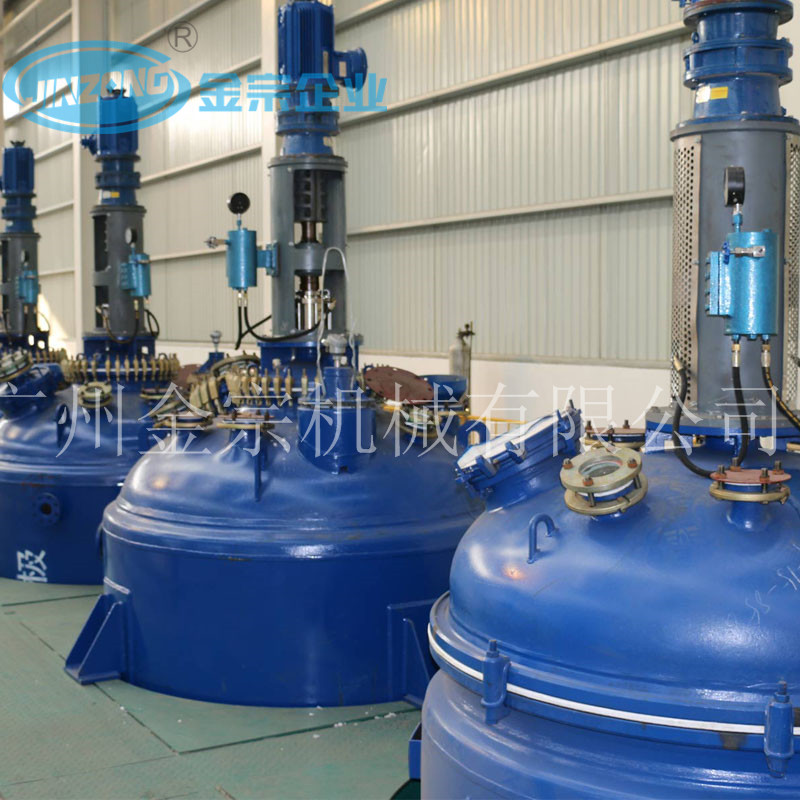
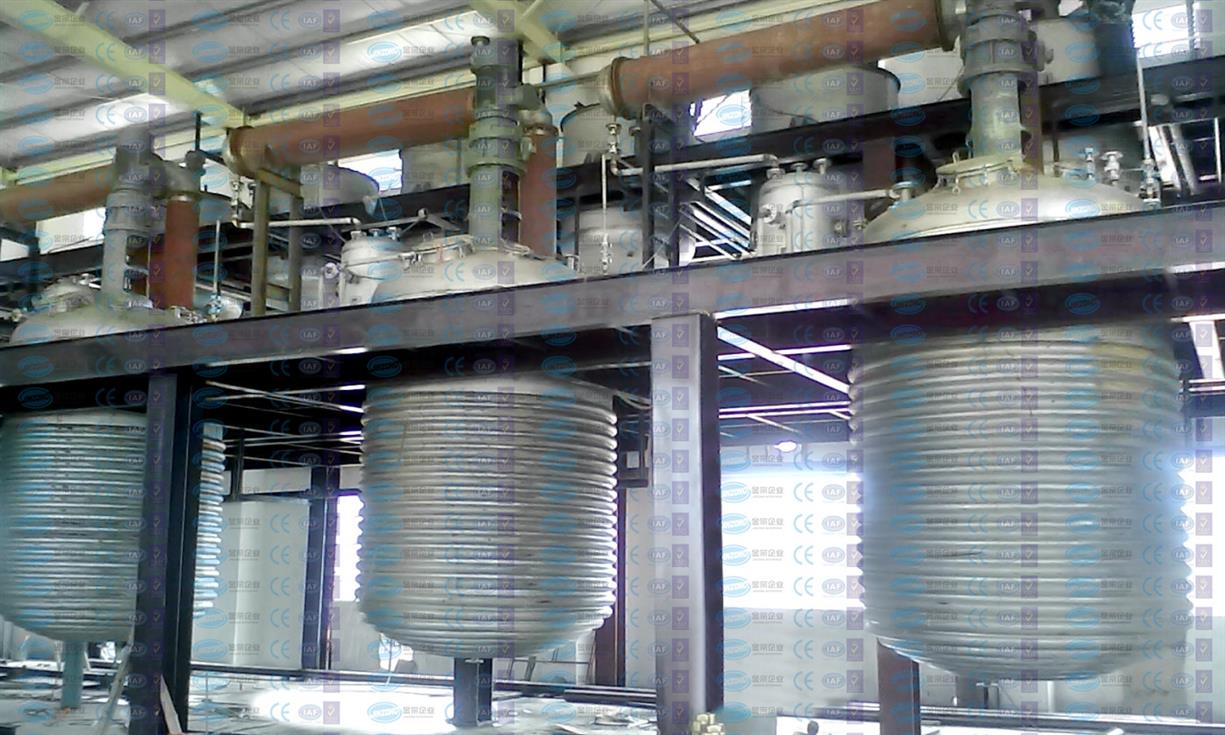
Resin production equipment
Category:
chemical industry/Reaction equipment/Reaction kettle
Model:
Brand:
Jinzong Machinery
Retail Price
Negotiable
重量
kg
- Product Description
-
Description :
When using a stainless steel reactor, the refrigerant inlet valve must be closed, the remaining refrigerant in the pot and jacket must be drained, and then the material must be input. The mixer should be started, and then the steam valve and electric power supply should be turned on. After reaching the desired temperature, the steam valve and electric power supply should be turned off first. After 2-3 minutes, the mixer should be turned off. After processing is completed, the remaining condensed water in the pot and jacket should be drained, and the sticky material should be washed away as soon as possible with warm water. Then, the inner wall of the container should be thoroughly cleaned with 40 ℃ -50 ℃ alkaline water, and rinsed with clean water. Especially when there is no material (heat absorbing medium) in the stainless steel reactor pot, the steam valve and electric power supply should not be turned on. Pay special attention to the use of steam pressure. Do not exceed the rated work pressure.
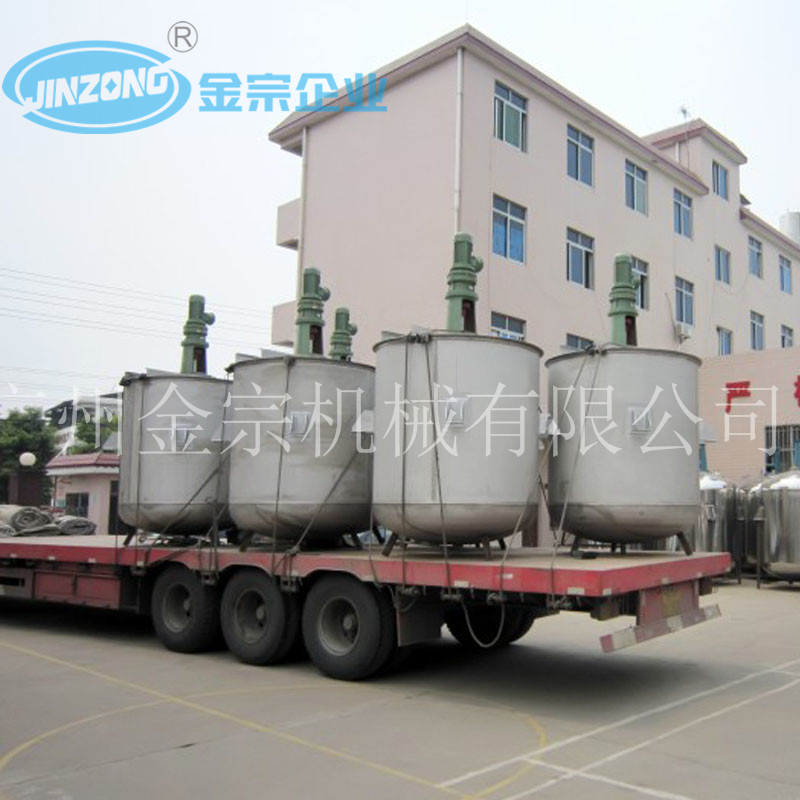
Application scope of stainless steel reaction kettle
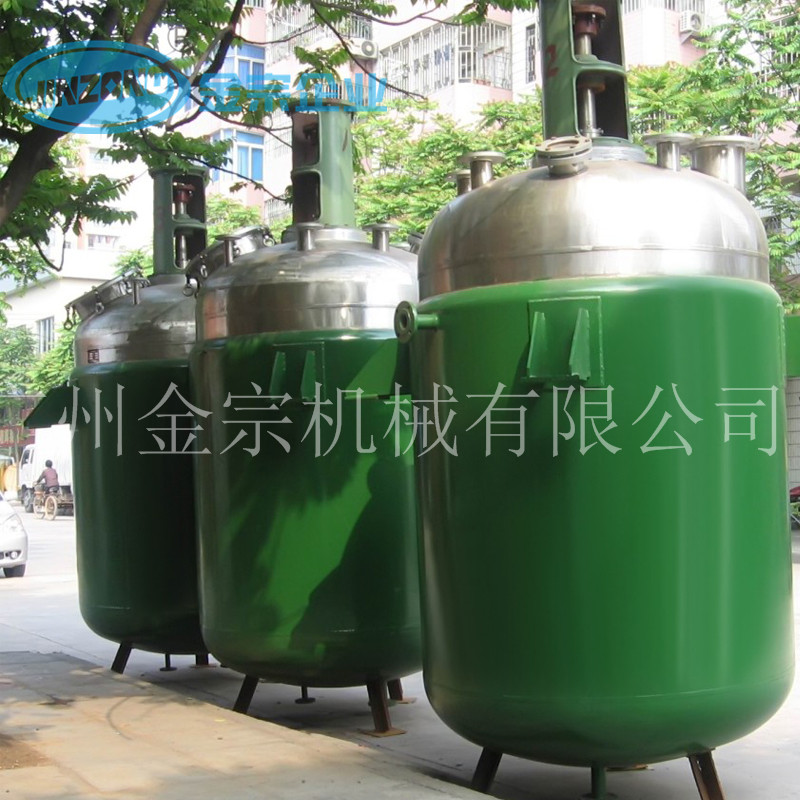
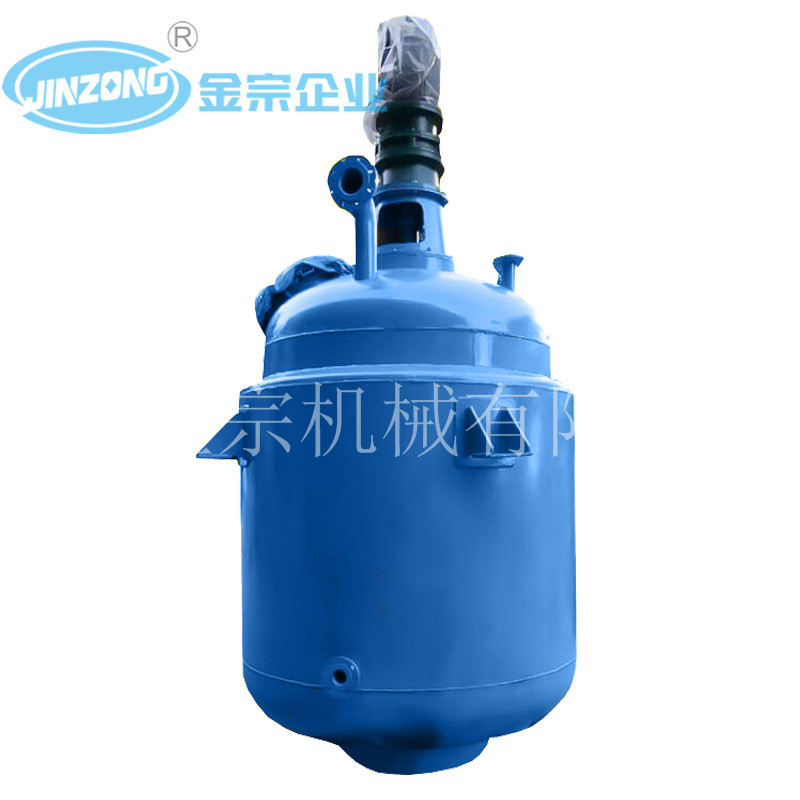
Stainless steel reaction vessels are widely used as pressure vessels for processes such as reactions, evaporation, synthesis, polymerization, saponification, sulfonation, chlorination, nitration, etc. in chemical, food, coating, hot melt adhesive, silicone, paint, pharmaceutical, and petrochemical production, such as reactors, reaction vessels, decomposition pots, polymerization pots, etc. The reaction pot is mainly composed of four components: an inner tank body, a jacket, a stirring device, and a support seat (insulation structure can be used according to process requirements).
The inner tank body is made of stainless steel (SUS304, SUS316L or SUS321) and other materials according to the process requirements. The inner surface is mirror polished and can be cleaned online with CIP and sterilized with SIP, meeting the requirements of hygiene standards.
The jacket shall be made of stainless steel (SUS304) or carbon steel (Q235-B) according to the process requirements.
Suitable diameter to height ratio design, customized mixing device as needed; The mixing shaft seal adopts a pressure resistant sanitary mechanical seal device to maintain the working pressure inside the tank and prevent unnecessary pollution and material loss caused by material leakage inside the tank.
The support type shall be suspended ear type or floor standing leg type according to operational requirements.
Operating procedures for stainless steel reaction kettle:
Before starting the stainless steel reactor
1. Check whether the kettle, mixer, rotating parts, auxiliary equipment, indicating instruments, safety valves, pipelines and valves meet safety requirements.
2. Check if water, electricity, and gas meet safety requirements.
Stainless steel reactor is in operation
1. Before adding materials, the mixer of the reaction kettle should be turned on first. When there is no noise and it is normal, the materials should be added to the reaction kettle, and the amount of materials added should not exceed the process requirements.
2. Before opening the steam valve, first open the return valve, and then open the intake valve. The steam valve should be opened slowly to preheat the jacket and gradually increase the pressure. The pressure inside the jacket should not exceed the specified value.
3. The steam valve and cooling valve cannot be started simultaneously, and hammering and collision are not allowed when the steam pipeline is out of air.
4. When opening the cooling water valve, first open the return valve, and then open the inlet valve. The cooling water pressure shall not be lower than 0.1 megapascals, nor shall it be higher than 0.2 megapascals.
5. The water ring vacuum pump should be started before supplying water. When stopping the pump, the pump should be stopped first and then the water should be stopped, and the accumulated water in the pump should be drained.
6. Check the operation of the reaction kettle at any time and stop for maintenance if any abnormalities are found.
7. When cleaning the titanium epoxy (enamel) reaction vessel, do not use alkaline water to brush the reaction vessel, and be careful not to damage the enamel.
AfterSalesService :
Key words:- Resin production equipment