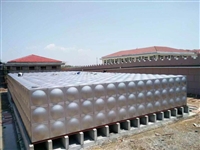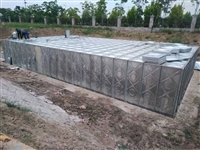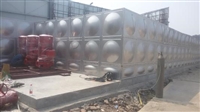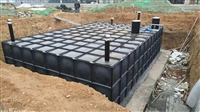

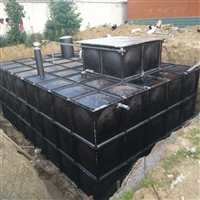
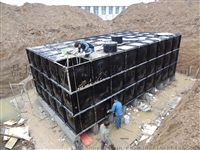

Underground fire pump station, underground box pump integrated fire pump station, Yangzhou fire booster water supply equipment manufacturer
Category:
Environmental Protection/Sewage treatment equipment/Buried sewage treatment equipment
Model:
JZFBZ-800-200-60-1
Brand:
Yancheng Jinze Water Supply Equipment Co., Ltd
model:
JZFBZ-800-200-60-1
purpose:
Fire water supply
Processing & Customization:
yes
Wastewater treatment capacity:
two hundred
category:
Underground fire pump station
Decontamination rate:
ninety-nine
pump power:
twenty-two
Overall dimensions:
800x200x60
Flow meter specifications:
two hundred
Diameter of water outlet pipe:
eight hundred
Inlet pipe diameter:
one thousand
Specifications:
8x2x0.6m
Is it a cross-border source of goods:
No
manufacturer:
Yancheng Jinze
Retail Price
34,000.00USD
重量
kg
- Product Description
-
model JZFBZ-800-200-60-1
purpose Fire water supply
Processing & Customization yes
Wastewater treatment capacity two hundred
category Underground fire pump station
Decontamination rate ninety-nine
pump power twenty-two
Overall dimensions 800x200x60
Flow meter specifications two hundred
Diameter of water outlet pipe eight hundred
Inlet pipe diameter one thousand
Specifications 8x2x0.6m
Is it a cross-border source of goods No
manufacturer Yancheng Jinze
Description :

Yangzhou Fire Boosting Water Supply Equipment Manufacturer for Underground Fire Pump Stations
1. Water pump unit
The integrated buried box pump determines the model of the fire water pump based on the design flow rate and required fire water supply pressure of the fire water supply system in the engineering project. The water pump should be one in use and one as backup, and the pressure at zero flow should not exceed 140% of the system design pressure; When the system flow rate is 150% of the rated flow rate of the water pump, the pressure should not be lower than 65% of the rated pressure.
2. Fire water tank
Calculate the required fire extinguishing water consumption for each individual fire water supply system based on the fire design flow rate and fire duration of each system in the engineering project. When a construction project consists of multiple fire water supply systems, the total amount of water used for extinguishing a single fire is the sum of the water used for extinguishing each individual system. From this, the effective volume of the fire water tank is determined, and the size of the fire water tank can be determined based on the tank volume and the actual situation on site.
3. Pump room
The width of the main passage in the pump room should not be less than 1.2m, and the width of the passage in front of the electrical control cabinet should not be less than 1.5m. A 2m × 2m maintenance port should be set at the top of the pump room, which should be at least 200mm above the ground. A sliding rail type top cover should be added to the top of the maintenance port for easy opening and closing; Install escalators in the pump room for easy access; Ventilation pipes should be installed at the top of the pump room, with a height of at least 1.5m above the ground.
The new concept adopts a reinforced concrete whole slab foundation instead of the bottom plate of the stainless steel water tank, which not only saves the material of the bottom plate and eliminates the installation process of the bottom plate, but also completely avoids the effect of groundwater buoyancy on the bottom plate of the water tank, eliminates the leakage of the bottom plate of the box, overcomes the disadvantages of long construction period, saves raw materials and human resources, and increases the strength of the bottom plate.
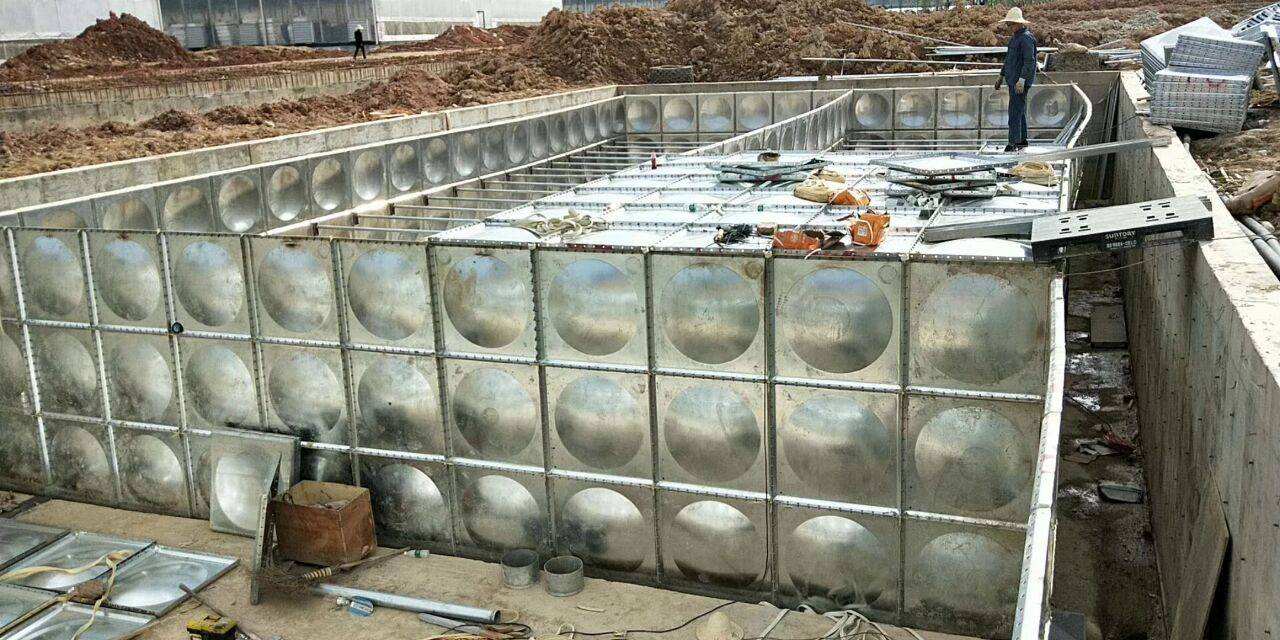
Application scope of integrated anti floating box pump buried fire booster water supply equipment
This product is applicable to fire hydrant water supply system, automatic sprinkler system, water spray fire extinguishing system, fixed fire monitor fire extinguishing system and other fire water supply systems with pressurization facilities required for new, expanded and reconstructed industrial and civil buildings.
Implementation points of integrated solution for buried box pump
Based on multiple practices, experiments, and research, our company has redesigned the traditional buried fire water tank and explored a new approach to resist groundwater buoyancy. By eliminating the bottom plate of the water tank and connecting the side plate of the box to the reinforced concrete foundation, we not only completely eliminate the effect of buoyancy on the box, but also ensure that the bottom plate of the box has no leakage point. At the same time, it is easy to install, has a short engineering cycle, and saves manpower and material resources. There are three key points to implementing this technical solution:
One is to establish a comprehensive integrated non floating pump station system, which includes various parts such as stainless steel water tanks, fire hydrant pump rooms, sprinkler pump rooms, channel steel profiles, connecting bolts, pits, and embedded bolts.
The second approach is to consider the pit as a whole, consisting of a side wall foundation, a reinforced concrete slab foundation at the bottom, and a sand and gravel cushion layer placed under the reinforced concrete slab foundation; The third is to fasten the fire hydrant pump room and sprinkler pump room to the reinforced concrete slab foundation through embedded bolts embedded in the foundation, and place them in a stainless steel water tank. This structural design has several obvious features: firstly, the stainless steel water tank is composed of a top plate and side plates; The second is that the channel steel profile is connected to the bottom surface of the four wall side plates of the stainless steel water tank through connecting bolts, and a rubber sealing strip is provided between the two.
Thirdly, there is a concave rectangular plane on the reinforced concrete slab foundation, which is longer than the length of the stainless steel water tank and wider than the width of the stainless steel water tank; Thirdly, the channel steel profile is fastened to the concave plane of the reinforced concrete slab foundation through pre embedded bolts, and a rubber sealing strip is provided between the two; The fourth is that the concave plane and concave side of the reinforced concrete slab foundation are filled with sealant between the channel steel profile, and the sealant is silicon copper sealant or silicon steel structural adhesive; The upper end of the pre embedded bolt connecting the groove steel profile and the concave plane of the reinforced concrete slab foundation is submerged in the sealant.

Integrated product features of buried box pump
1. Do you want to eliminate common problems such as long construction period, high cost, large space occupation, easy leakage, unhygienic, easy algae growth, lack of energy saving, inability to reuse and disassemble, high management costs, high failure rate, high maintenance costs, poor reliability, and short service life caused by traditional reinforced concrete water tanks and pump rooms? The intelligent pump station will relieve you of the above-mentioned troubles and pains, bringing good news.
2. Develop cost-effective high-tech products using new materials, technologies, and processes. It integrates a water tank and a pump room, with a novel concept and reasonable design, and has been used by thousands of users across the country.
3. The integrated pump station of buried box pump completely solves the problem of water tank occupying a large amount of land. It can be buried underground and used as a parking lot or greening on the ground.
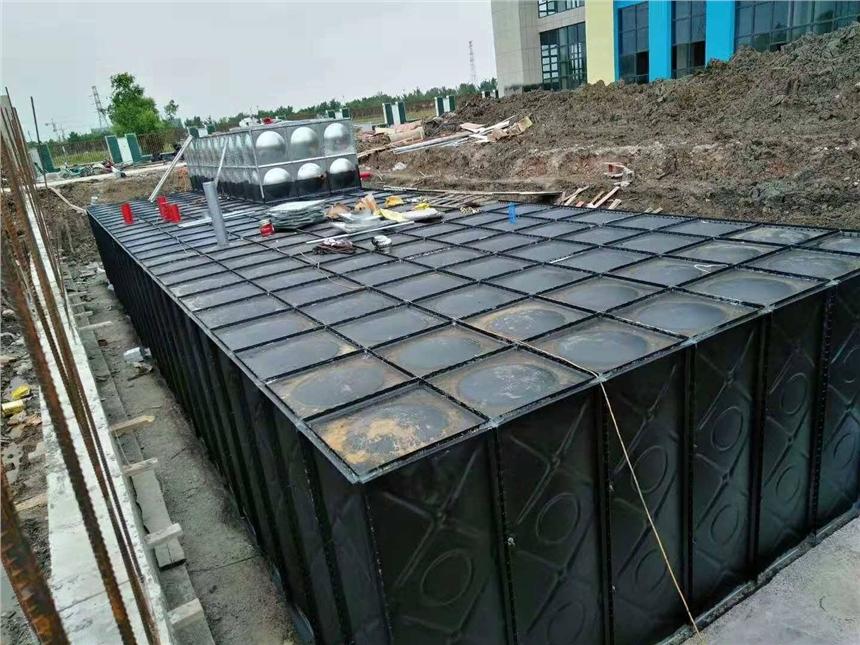
4. Compared with traditional buried water tank products on the market, this integrated product of buried box pump has the following advantages: firstly, it has good anti floating effect. Because the bottom plate is connected to the box body during design, the weight of the box body offsets the buoyancy of groundwater. Therefore, not a single one of the more than 100 underground fire water supply systems we have produced has encountered any problems due to buoyancy. Secondly, the system is well maintained, and all internal components such as reinforcement, pump stations, pipelines, and sprinklers are running smoothly without any damage; Thirdly, the structure is more sturdy. The planting of grass and trees, as well as the parking of cars, were not affected in any way; Fourthly, it saves costs. Labor costs are reduced by 25%, material production is reduced by 21%, and project duration is shortened by 18%.
AfterSalesService :
Key words:- Underground fire pump station
More Products