

Category:
Environmental Protection/Sewage treatment equipment/Buried sewage treatment equipment
Model:
JZFBZ-800-200-60-1
Brand:
Yancheng Jinze Water Supply Equipment Co., Ltd
model:
JZFBZ-800-200-60-1
purpose:
Fire water supply
Processing & Customization:
yes
Wastewater treatment capacity:
two hundred and twenty
category:
Underground fire pump station
Decontamination rate:
ninety-nine
pump power:
twenty-two
Overall dimensions:
800x200x60
Flow meter specifications:
two hundred and twenty
Diameter of water outlet pipe:
six hundred
Inlet pipe diameter:
eight hundred
Specifications:
8x2x0.6m
Is it a cross-border source of goods:
No
manufacturer:
Yancheng Jinze
Retail Price
32,000.00USD
重量
kg
- Product Description
-
model JZFBZ-800-200-60-1
purpose Fire water supply
Processing & Customization yes
Wastewater treatment capacity two hundred and twenty
category Underground fire pump station
Decontamination rate ninety-nine
pump power twenty-two
Overall dimensions 800x200x60
Flow meter specifications two hundred and twenty
Diameter of water outlet pipe six hundred
Inlet pipe diameter eight hundred
Specifications 8x2x0.6m
Is it a cross-border source of goods No
manufacturer Yancheng Jinze
Description :
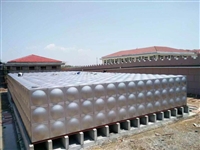
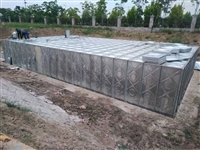
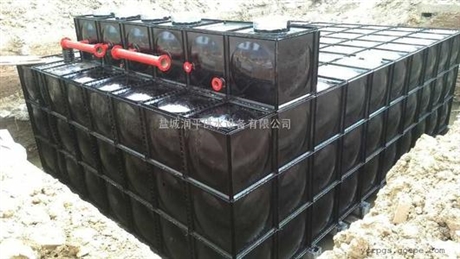
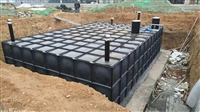
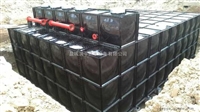
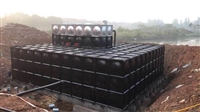
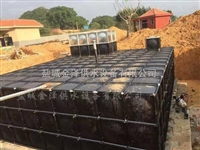
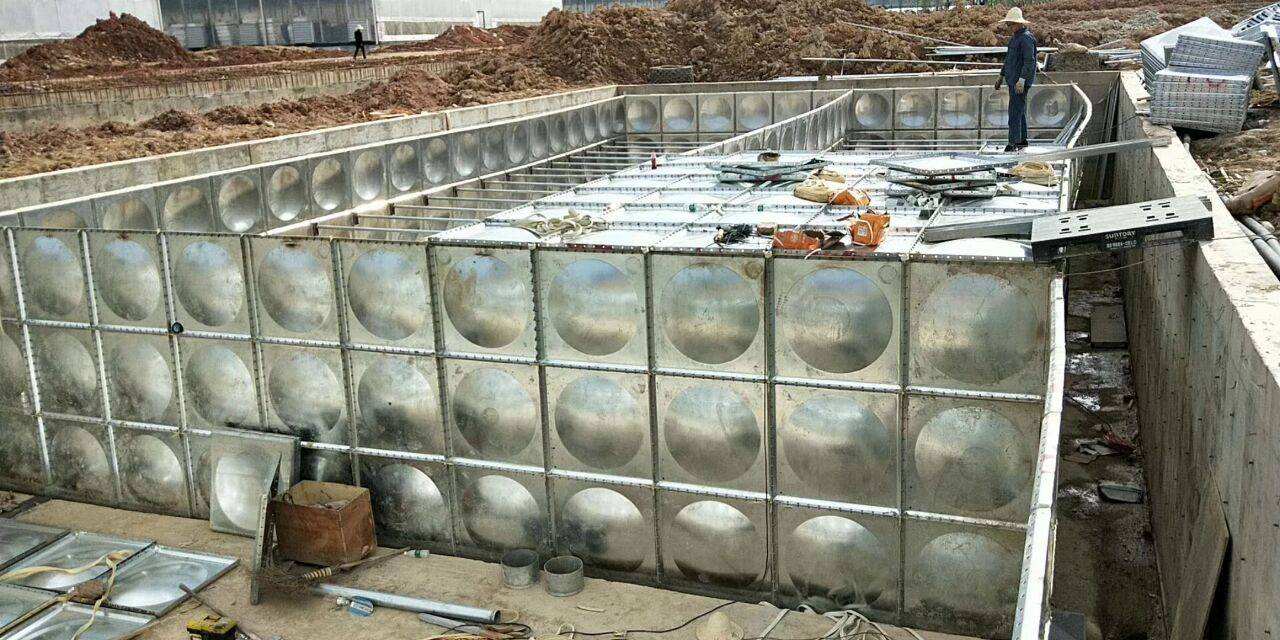
Underground fire pump stationIt is mainly composed of a fire water pool, a fire pump room, a fire booster water supply equipment system, and a sewage system. The material of the integrated box body of a general buried box pump is BDF composite material, where B refers to stainless steel; D refers to galvanized steel sheet; F refers to a composite material, which is a combination of stainless steel and galvanized steel sheet. At present, there are three types of composite materials on the market, each with a different price (the material is the same, mainly due to differences in technology). One type of buried assembled water tank composite plate is old-fashioned (stainless steel is first molded, then galvanized sheet is molded, and then stainless steel sheet and galvanized sheet are manually combined together), with the advantage of being cheap in price; Disadvantages: time-consuming and labor-intensive, outdated and unattractive craftsmanship; Another type is the four corner welding type (similar to the usual stainless steel molded plate, which is formed by mechanical grinding tools to composite mold stainless steel and galvanized plate and then welded at the four corners), with a moderate price; The third type of buried assembled water tank composite plate is formed at a 45 ° angle without welding in one go (four corners without welding, strong sealing, relatively high price).

Underground fire pump stationThere are many types of materials suitable for making water tanks, including steel plates, stainless steel, reinforced concrete, fiberglass reinforced plastic, enamel steel plates, etc., but they each have their own advantages and disadvantages. The steel plate water tank made of carbon steel plate welding needs to undergo anti-corrosion treatment on the inner surface, and the anti-corrosion material must not affect hygiene requirements. The water tank poured with reinforced concrete on site is heavy, has a long construction period, and is prone to leakage at the junction with the piping. The surface material is also prone to peeling off during cleaning. Enamel steel plate water tank has pollution-free water quality, can prevent steel plate corrosion, is easy and quick to install, not limited by civil engineering progress, has a reasonable structure, is sturdy and beautiful, does not deform or leak, and has a wide range of applicability. Fiberglass water tanks are not limited by building space, have strong adaptability, light weight, no rust, no leakage, beautiful appearance, long service life, good insulation performance, relatively safe and reliable, easy installation, and simple cleaning and maintenance. Stainless steel water tank is sturdy, does not pollute water quality, corrosion-resistant, leak proof, easy to clean, lightweight, does not breed algae, easy to insulate, beautiful, easy to construct, but expensive.
Fire water tanks can be divided into three categories based on their functions: high-level water tanks, pressure reducing water tanks, and transfer water tanks. In most cases, what we usually refer to is high-level fire water tanks.
The fire water tank is set up to meet the fire water demand in minutes after a building catches fire, that is, the water demand for extinguishing the fire in the early stage of the fire; The fire water pool is set up to meet the indoor and outdoor fire water demand of buildings during the entire fire extinguishing period (usually 2-3 hours for industrial and civil buildings).
Generally speaking, the capacity of a fire water tank should be greater than that of a fire water tank. After all, the water consumption for two to three hours is much greater than that for 10 minutes. Common fire water tanks have capacities of 6m, 12m, 18m, etc., while fire water tanks have capacities of over a hundred cubic meters.

AfterSalesService :
Key words:- Underground fire pump station
More Products