
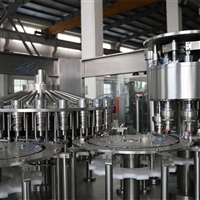
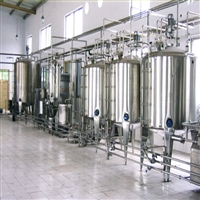
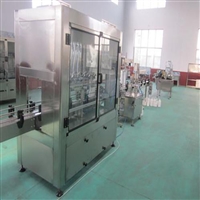
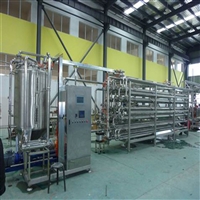
Zhongyilong Juice Fruit Wine Production Line Blueberry Fruit Wine Filling Equipment Price Discount
Category:
mechanical equipment/Beverage processing machinery/Fruit and vegetable juice beverage production line
Model:
ZYL-HLGJSB117
Brand:
Zhongyi Long
brand:
Zhongyi Long
model:
ZYL-HLGJSB117
Item Number:
A117
type:
Fruit Wine Equipment
Processing & Customization:
yes
Product Specifications:
7000 bottles per hour
Place of Origin:
Henan
Retail Price
260,000.00USD
重量
kg
- Product Description
-
brand Zhongyi Long
model ZYL-HLGJSB117
Item Number A117
type Fruit Wine Equipment
Processing & Customization yes
Product Specifications 7000 bottles per hour
Place of Origin Henan
Description :

Basic process of fruit wine production line:
Fresh fruit → Sorting → Crushing and removing stems → Fruit pulp → Separating and extracting juice → Clarifying → Clear juice → Fermentation → Pouring bucket → Storing wine → Filtering → Cold treatment → Mixing → Filtering → Finished product
1. Choose the fruit. Good wine making ingredients should have a high sugar content, a certain acidity, bright color, and aromatic fruit flavor. Alcohol fermentation can generate alcohol from sugar. The higher the sugar content, the more abundant the alcohol produced, and the better the quality of fruit wine; Acid is beneficial for yeast reproduction during fermentation, as it can dissolve pigments and enhance the color of the wine; The brewed fruit wine is rich in aroma and refreshing due to the ester compounds generated by acid and ethanol. The raw materials should be selected with good maturity and no moldy fruits.
2. Broken. Due to the fact that yeast that can cause fermentation mostly adheres to the outer surface of the fruit, it is necessary to crush the fruit before the yeast can fully mix with the flesh and fruit residue, thereby acting on the sugar in the fruit and producing alcohol. The crushing method often uses a crusher, and the crushed fruit pulp contains juice, pulp, seeds, seed coat, etc. It is generally required to remove the fruit stem.
3. Composition adjustment. First, adjust the sugar. Ordinary fruit wine contains approximately 10-16 degrees of alcohol, and if it is below 10 degrees, it is difficult to store. Therefore, adding sugar can increase the alcohol production to meet the alcohol content requirements of fruit wine. Sugar is usually added using granulated sugar, and it should be done in stages during the fermentation process. After each addition, the total sugar content should be controlled at 14% to 16% to avoid inhibiting yeast activity and affecting the fermentation process. Next is acid adjustment. Due to the impact of acid content on fermentation process and wine preservation, necessary adjustments should be made to the acid content. Generally, each liter of fruit pulp contains 8-12 grams of acid, which is beneficial for yeast reproduction and has a certain inhibitory effect on the growth of harmful microorganisms. If the acidity is too high, sugar can be added to reduce the acidity, or water can be added to dilute the acidity in the fruit pulp. Different acidity fruit pulp can also be mixed with each other to achieve moderate acidity, and then sulfur dioxide can be added. This can kill or inhibit the growth of harmful microorganisms, with a dosage of 40-60mg of sulfur dioxide per liter.
4. Main fermentation (pre fermentation). Place the adjusted fruit pulp into the fermentation tank (or barrel), inoculate 50-100 grams of yeast per liter of raw material, and add yeast nutritional powder at a rate of 0.4% -0.5%. Within 8-12 hours after inoculation, stir thoroughly to ensure even distribution of yeast in the raw material. After inoculation with yeast, gradually raise the temperature to 23 ℃, 27 ℃, and 30 ℃. After the formation of the cap, press the cap down and stir 2-4 times a day for 10-15 minutes each time until fermentation is complete. The alcohol fermentation period is 6-14 days, and the suitable temperature for fermentation is between 23 ℃ and 30 ℃, with a maximum temperature of 36 ℃. During this period, due to the action of yeast, sugar is converted into alcohol and carbon dioxide, while the liquid temperature gradually rises and a boiling sound like water can be heard, forming a "wine cap". When the "wine cap" sinks, most of the sugar is converted into alcohol. Meanwhile, the temperature should be measured three times a day, and if it exceeds 36 ℃, cold air should be introduced to cool it down; When the temperature drops below 18 ℃, hot water or steam should be introduced to raise the temperature. There should be a large amount of air in the middle for yeast reproduction, so when yeast growth is not vigorous, the fruit pulp can be released and then introduced to release carbon dioxide and increase oxygen in the liquid.
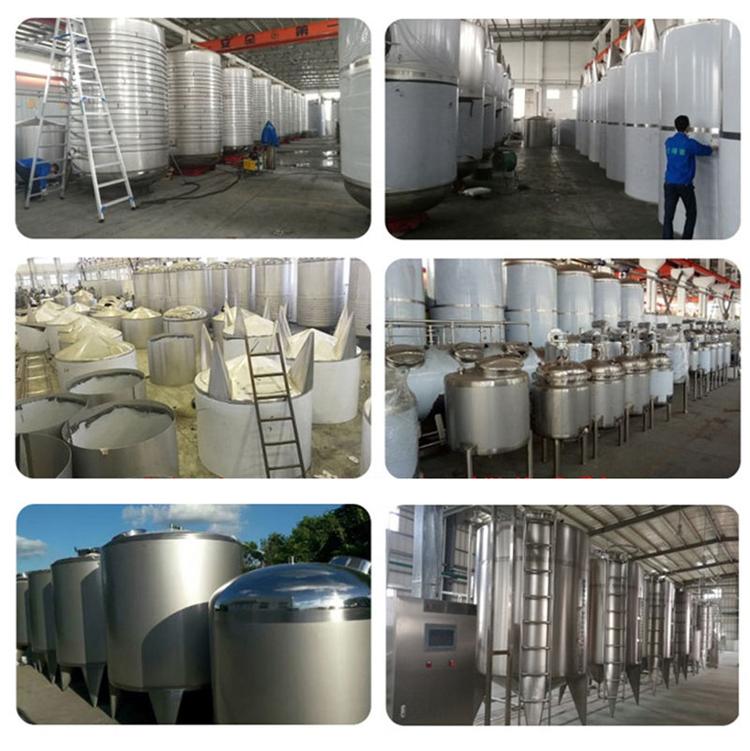
5. Squeeze separation. When the residual sugar content in the fruit pulp to be fermented drops to 1%, the fermentation should be immediately ended and the pulp should be removed from the barrel to prevent excessive leakage of harmful substances from the residue, which may affect the quality of the wine. If the floating slag is found to be damaged, moldy, and acidic, it should be removed and thrown away first, and then the liquor should be released. The wine that flows out without applying pressure by removing the floating slag in this way is called self flowing wine, which can be mixed with the original wine; The liquor squeezed out after pressurization is called pressed liquor, and the residue can also be distilled to make liquor.
6. Post fermentation. Put the new wine into a storage bucket and seal it with a wooden lid. Use a rubber stopper in the middle to seal it tightly, and then install a fermentation plug to release the generated carbon dioxide from the fermentation plug. After about 2-3 weeks, the release of carbon dioxide stops. Remove the fermentation plug. When the wine is sour but not sweet, with a slight carbon dioxide and alcohol flavor, and presents the unique color and aroma of the wine, it indicates that the post fermentation has ended. If the alcohol content of the fruit wine does not reach 15 degrees, adjust it to 15 degrees with deodorized wine. Afterwards, fill the wine barrel with the same type of wine, and then tighten and seal the wooden cold alarm gauze.
7. Aging. Newly brewed wine is cloudy, spicy, and not suitable for drinking. It must undergo a period of storage, which is called aging. Generally, it takes 6-18 months for yeast and sediment to gradually settle at the bottom of the tank during storage. These impurities can be removed by changing the tank in a timely manner. Start changing the bucket once a month, after changing it twice, change it every three months, and then change it once every six months or in spring, summer, and autumn.
8. Clarify. Although the aged wine has undergone multiple barrel changes, it is inevitable that there will still be suspended turbidity, so it must be clarified. There are two clarification methods: adding glue and filtering. Adding gel, which utilizes the interaction between proteins and tannins to precipitate. Gelatin, fish gelatin, protein, and some adsorbent substances (such as kaolin) are commonly used for adding glue. Before applying glue, a small test must be conducted to determine the amount of glue to be applied. Generally, 2-3 grams of protein and 4-6 grams of tannins are added to every 100 liters of fruit wine. 10-15 grams of edible gelatin (dissolved in cold water) are added to every 100 liters of fruit wine, and tannins are added in a ratio of gelatin to tannins of 1:0.8. After standing for 2-3 weeks, the mixture is filtered.
9. Cold and hot treatment. To accelerate fruit ripening, cold treatment, heat treatment, or cold hot interaction treatment can be used. Freezing treatment can precipitate tartaric acid salts in wine, improve its stability, and enhance its flavor. The freezing temperature should be controlled for 3-5 days under the condition that the wine does not freeze. Heat treatment can accelerate esterification and oxidation reactions, improve the quality and flavor of wine, with a temperature of 50-60 ℃ and a duration of about 25 days. During the cold hot interaction treatment, the method of first heating and then cooling is generally used. The tartaric acid in the wine is first reacted with ethanol to form an ester, and then frozen to remove precipitation. Therefore, the wine has a good flavor, high clarity, and high stability.
10. Blending, bottling, and sterilization of finished wine. By evaluating the wine and analyzing its chemical composition, determine whether it needs to be blended and formulate a blending plan. The blending content includes alcohol content, acidity, color matching, aroma enhancement, etc. If the alcohol concentration of the original liquor is lower than the target, it can be paired with fruit distilled liquor or edible alcohol.


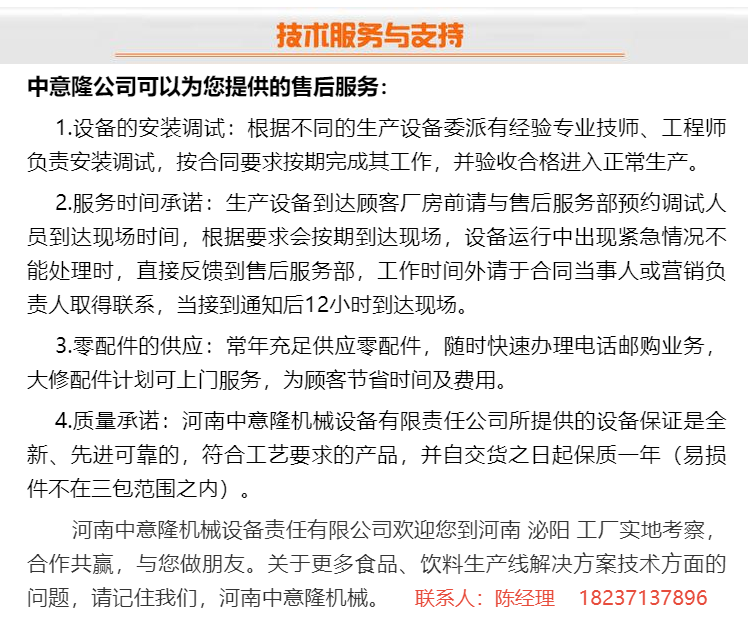


AfterSalesService :
Key words:- Fruit juice and fruit wine production line
More Products