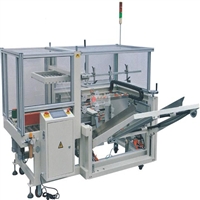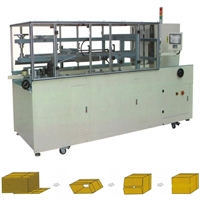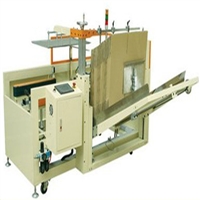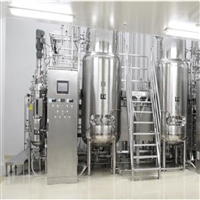
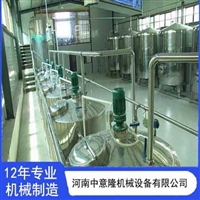
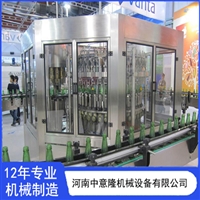
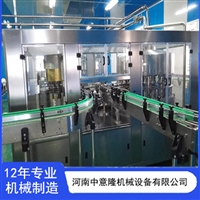
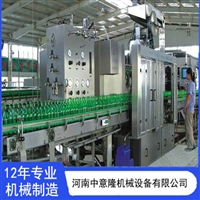
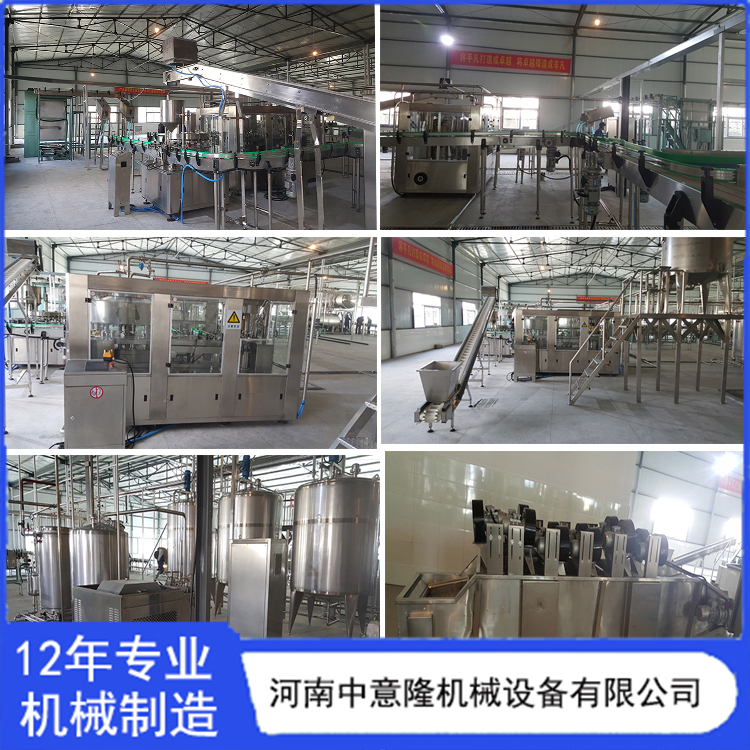
Manufacturer supplies a complete set of canned beer and beverage equipment, including automated beer production equipment
Category:
mechanical equipment/Beverage processing machinery/Fruit and vegetable juice beverage production line
Model:
ZYL-PJLZSCX039
Brand:
Zhongyi Long
brand:
Zhongyi Long
model:
ZYL-PJLZSCX039
Item Number:
A039
type:
Beer production and processing
Processing & Customization:
yes
Product Specifications:
2000-7000 bottles/hour
Place of Origin:
Henan
Retail Price
270,000.00USD
重量
kg
- Product Description
-
brand Zhongyi Long
model ZYL-PJLZSCX039
Item Number A039
type Beer production and processing
Processing & Customization yes
Product Specifications 2000-7000 bottles/hour
Place of Origin Henan
Description :

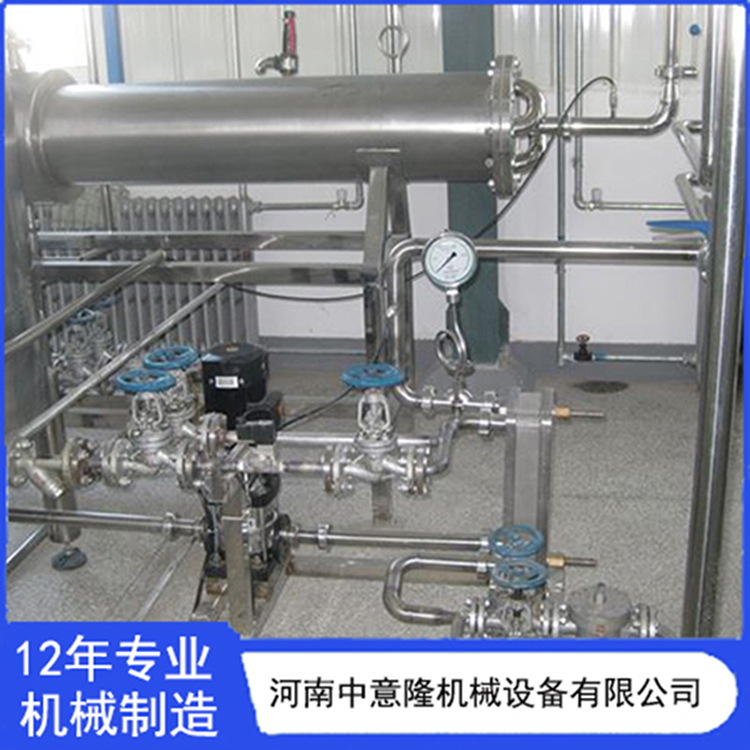
Manufacturer supplies a complete set of canned beer and beverage equipment, including automated beer production equipment
Features of production equipment for Zhongyilong production line:
1. The main structure is made of 304 or 316L stainless steel;
2. Integrate Italian technology and comply with European standards;
3. Compulsory circulation evaporator energy-saving design (energy recovery), improving energy utilization efficiency and greatly reducing production costs;
4. We can provide semi-automatic and fully automatic production lines for customers to choose from based on their actual needs;
5. Excellent quality of terminal products;
6. High production efficiency, flexible production, and the ability to customize production lines according to customers' actual needs;
7. The low-temperature vacuum falling film concentration evaporator greatly reduces the loss of flavor substances and nutrients;
8. Adopting fully automatic PLC control to reduce production labor intensity and improve production efficiency;
9. Independent control system to monitor various processing sections and systems.
Beer production line
The brewing process of craft beer on the beer production line
The brewing of beer involves the following 5 processes. The main processes are saccharification, fermentation, and alcohol maturation after storage.
1. Raw material crushing:
Grind malt and rice separately by a grinder to a degree suitable for saccharification operation.
2. Saccharification:
Mix the crushed malt and starch excipients with warm water in the gelatinization pot and saccharification pot respectively, and adjust the temperature. The saccharification pot should be maintained at a temperature suitable for protein decomposition (45-52 ℃) (protein resting). Mix the fully liquefied mash from the gelatinization pot into the saccharification pot and maintain it at a temperature suitable for saccharification (β - starch and α - starch) (62-70 ℃) (saccharification stopped) to produce wheat mash. There are two methods for increasing the temperature of wheat mash: leaching and boiling. The protein, saccharification rest time, and temperature rise method are determined based on the properties of the beer, the raw materials used, equipment, etc. After filtering out the wort using a filtration tank or filter, it is boiled in a boiling pot, hops are added, and adjusted to an appropriate wort concentration. Then, it enters a rotary sedimentation tank to separate the hot solids, and the clarified wort is cooled to 5-8 ℃ in a cooler.
3. Fermentation:
After cooling, yeast is added to the wort and sent to the fermentation tank or cylindrical conical bottom fermentation tank for fermentation. The wort is cooled using a snake tube or jacket and the temperature is controlled. When conducting the following fermentation, the extremely high temperature is controlled at 8-13 ℃, and the fermentation process is divided into foaming period, high foaming period, and low foaming period, generally lasting 5-10 days. Fermented beer is called tender beer, with a strong bitterness, rough taste, low CO2 content, and is not suitable for consumption.
Post fermentation: In order to ripen the tender beer, it is sent to a storage tank or further cooled to around 0 ℃ in a cylindrical conical bottom fermentation tank, and the pressure inside the tank is adjusted to dissolve CO2 into the beer. The storage period for beer takes 1-2 months, during which residual yeast, condensed solids, etc. gradually precipitate, the beer gradually clarifies, CO2 saturates in the beer, and the taste is mellow and suitable for drinking.
4. Filtering:
In order to make beer clear and transparent as a commodity, beer is clarified and filtered at -1 ℃. The requirements for filtration are: high filtration capacity, good quality, minimal loss of wine and CO2, and no impact on the flavor of the wine. The filtration methods include diatomaceous earth filtration, cardboard filtration, microporous membrane filtration, etc.
5. Filling
Filling is a process before the completion of beer production, which has a direct impact on maintaining the quality of beer and giving it a commercial appearance. The filled beer should meet hygiene standards, minimize CO2 loss, and reduce the air content inside the sealed container as much as possible.
Barrel: The material of the barrel is aluminum or stainless steel, with capacities of 15, 20, 25, 30, and 50L. Among them, 30L is a commonly used specification. Bottled beer is usually unpasteurized fresh beer. Fresh beer has a good taste and low cost, but it has a short shelf life and is suitable for local sales.
Canned beer: Canned beer originated in the United States in 1935. It developed rapidly during World War II due to military demand. Canned beer is lightweight, easy to transport, carry, and open for consumption, making it popular among consumers and developing rapidly. PET (polyethylene terephthalate) plastic bottles: Since 1980, they have been on the market and the quantity has been increasing year by year. Its advantages are high transparency, light weight, and the ability to reseal after opening, with a reasonable price. The main disadvantage is poor gas retention, and during storage, CO2 gradually decreases. Adding coatings can improve gas retention, but the storage time should not be too long. PET bottles cannot be pre evacuated or pasteurized, and special filling procedures are required to avoid ingestion of air and contamination of bacteria.
Bottled: In order to maintain beer quality and reduce the impact of ultraviolet radiation, brown or dark green glass bottles are generally used. Empty bottles are soaked in a soaking tank (2-5% alkaline solution, 40-70 ℃), then washed by a bottle washing machine, filled with beer by a filling machine, and pressed onto the bottle cap by a capping machine. After being pasteurized by a sterilization machine and passing the inspection, it can be packed and shipped out of the factory.




AfterSalesService :
Key words:- Can beer beverage equipment
More Products