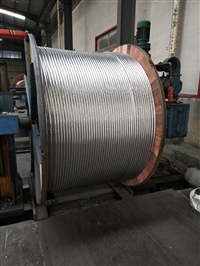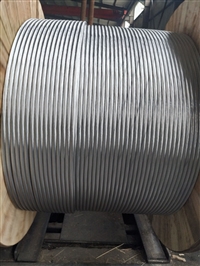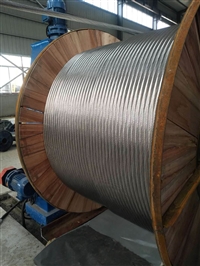
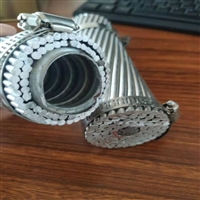
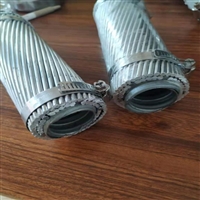


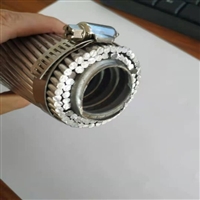
Dazheng Power Transmission JLHN60K-1600 Heat resistant Aluminum Alloy Expansion Wire
Category:
Electrical Engineering/Wire and cable/Bare wire
Model:
JLHN60K-1600mm2
Brand:
Zheng Fan
Retail Price
126.00USD
重量
kg
- Product Description
-
Description :
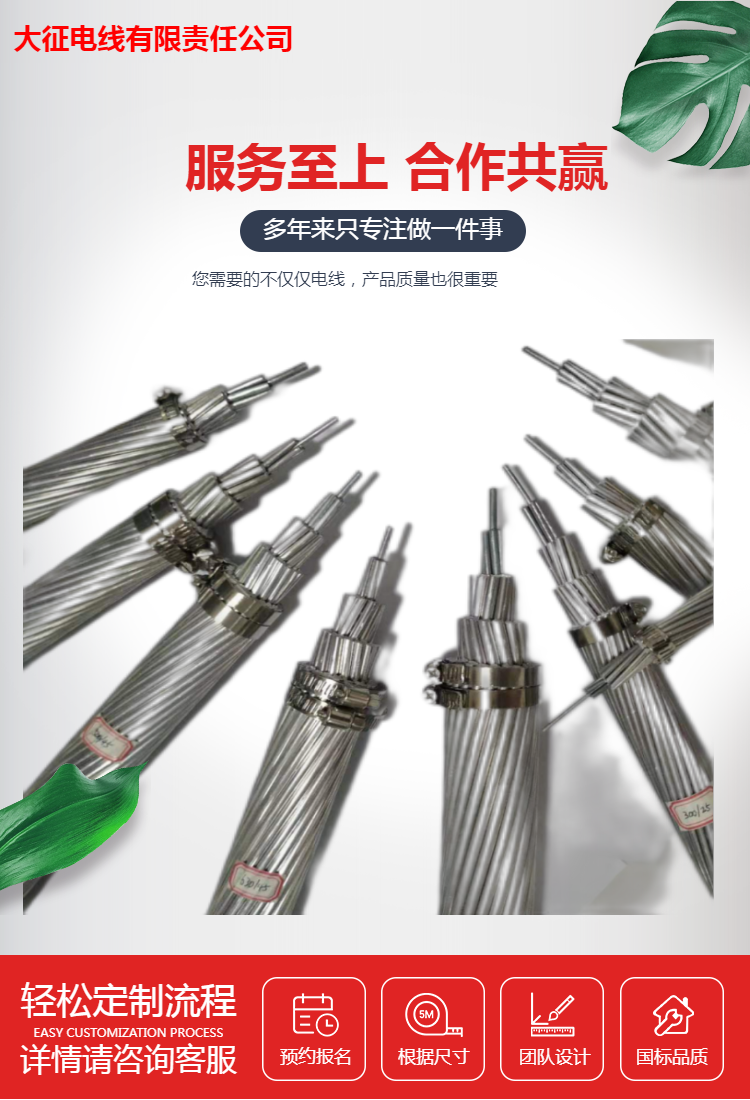
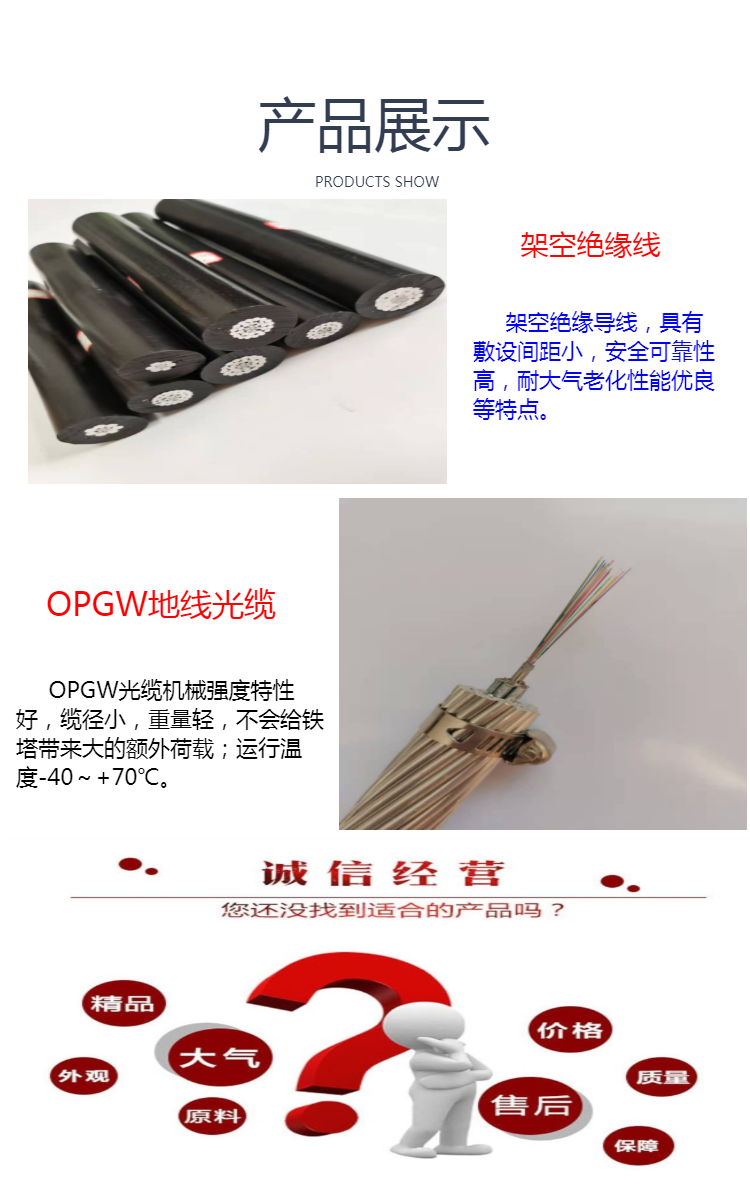
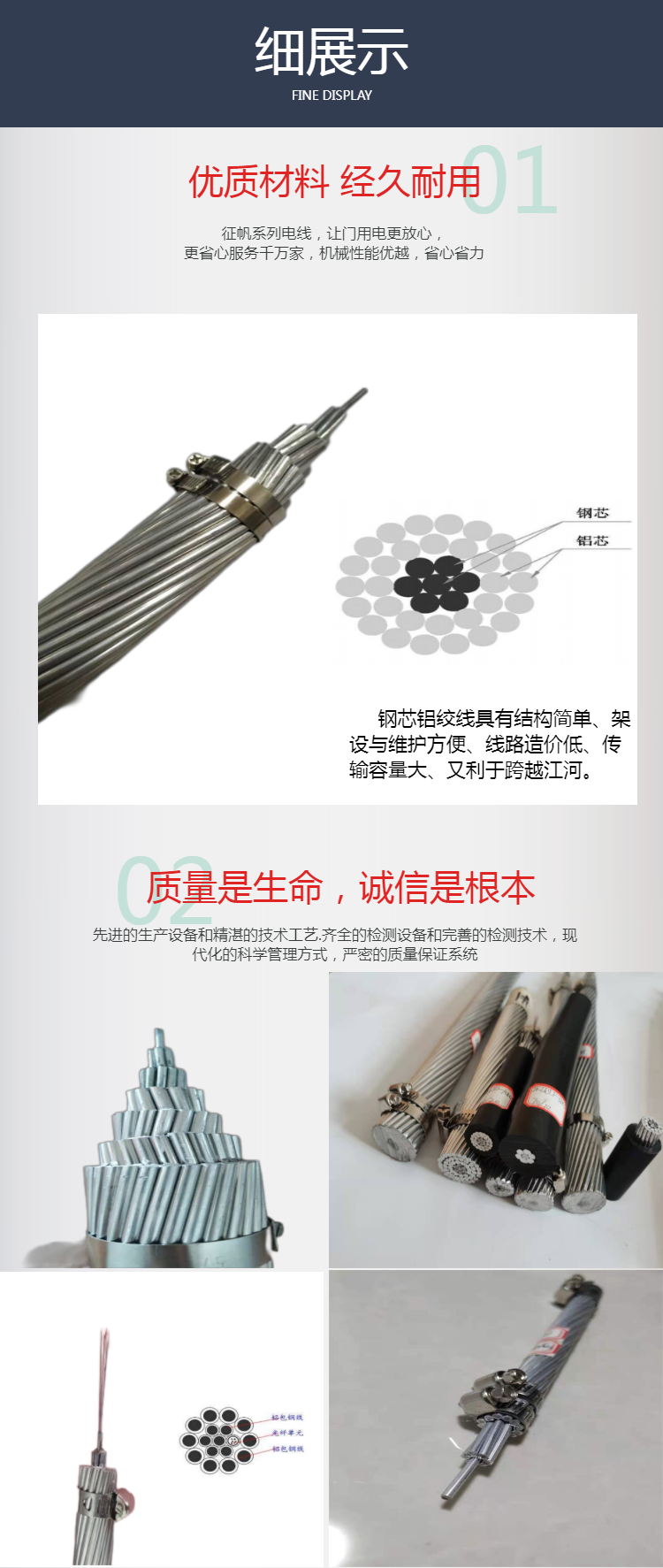
Dazheng Power Transmission JLHN60K-1600 Heat resistant Aluminum Alloy Expansion Wire
Characteristics of the extended cable:
JLHN60K-1600mm2 aluminum tube supported heat-resistant aluminum alloy expanded diameter wire is widely used in substation projects above 220kv-1000kv. The wire is added with alloy components to improve the high temperature performance of the product. The wire has a large cross-section, increased current carrying capacity, high heat resistance, high conductivity, low loss, reduces electrical energy loss, and increases the safety performance of equipment operation.
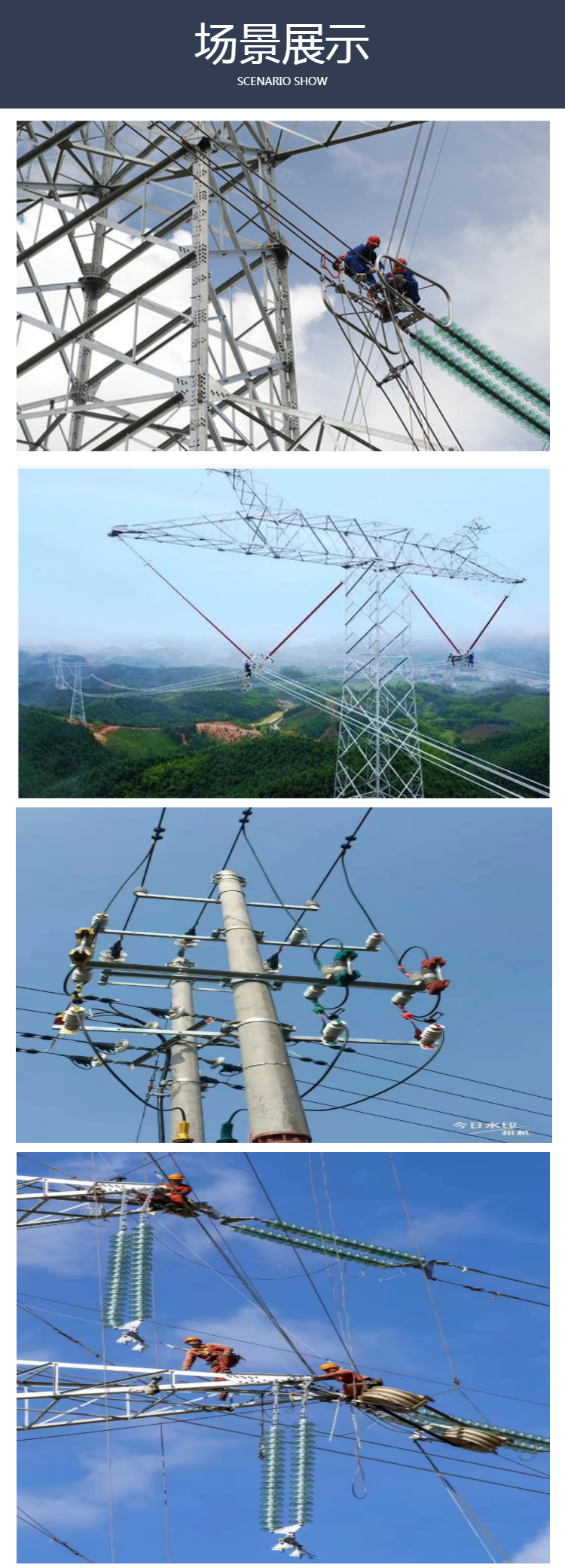
Installation and maintenance are the same as regular wire installation procedures, without the need for any special tools or fixtures. Installation and maintenance are convenient and cost-effective. The product specifications are complete and can meet all the needs of various specifications of special conductors (flexible busbars) for substations and converter stations in China.
This series of products has been successfully operated in multiple 500kV, 800kV, 750kV, 1000kV substations, and converter stations in China, achieving good operational performance.
Model details analysis using JLHN60K-1600 as an example:
The letters JLHN60K represent the model number
1600mm2 represents cross-sectional area
Aluminum tube supports heat-resistant aluminum alloy expanded diameter wire, in accordance with standard Q/SDJZ-J01.001-2017
Introduction to the details of the extension wire;
Expanded diameter conductor refers to a conductor with an enlarged outer diameter compared to a concentric twisted hollow conductor with a similar cross-section. There are many types of expanded diameter conductors with significant structural differences, but they can be divided into two categories based on their use: for substations and for transmission lines. Expanded diameter wires have the following characteristics:
(1) Compared with conventional wires of the same cross-section, the outer diameter of the expanded wire increases, the corona loss decreases, and the radio interference and audible noise derived from corona also decrease, effectively improving the electromagnetic environment and benefiting environmental protection.
(2) Compared with conventional wires with the same outer diameter, the aluminum cross-section of the expanded wire is reduced, saving aluminum material and reducing the weight of the wire. This not only reduces the amount of wire used, but also reduces the steel consumption of the tower due to the decrease in tower load, thereby reducing the investment in transmission line engineering.
(3) Compared with conventional wires with the same outer diameter, expanded diameter wires have the same corona characteristics due to the same outer diameter of the wires.

Selection of Expanding Method
Determine the wire cross-section based on the conveying capacity, determine the outer diameter of the wire based on electromagnetic environment control indicators, and consider expanding the diameter after the wire cross-section and outer diameter are clear. When choosing the expansion method, the first consideration should be the economy. Based on preliminary calculations, the cost of the sparse twisted expanded diameter wire is lower than that of the high-density polyethylene supported expanded diameter wire, and the project cost is lower if the sag characteristics are better, which shows that the investment for sparse twisted expanded diameter wire of the same specification is lower. Secondly, the stability of the structure should be considered.
For sparse twisted expanded diameter conductors, the expansion ratio of 310K400 is 1.29, and the expansion ratio of 400K500 is 1.20. Engineering practice has proven that its structure is stable; The expansion ratio of 630K720 is 1.14, and the test proves that its structure is stable. This wire underwent engineering deployment tests on the Yongdeng Baiyin 750 kV transmission line in March 2009. However, the expansion ratio of 500K630 is 1.26630K800, 1.27720K900 is 1.25, and analysis suggests that all three structures are unstable. It can be seen that with the increase of conductive cross-section, the expansion ratio shows a downward trend while maintaining structural stability. Therefore, the expansion ratio alone cannot be used to select the expansion method. In actual transmission projects, when choosing the wire expansion method, the size of the conductive cross-section needs to be taken into account.
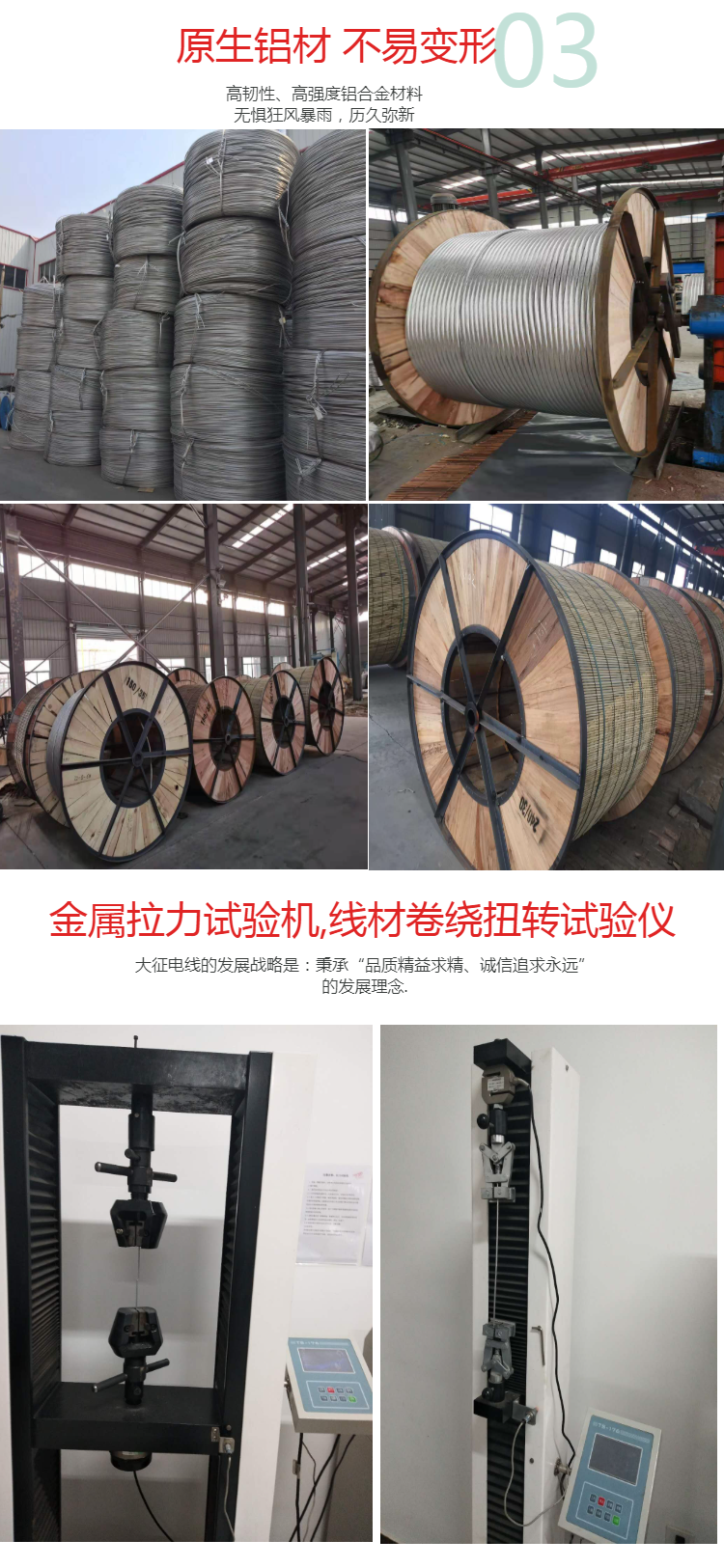
The extension wire should be delivered in a reel, and the distance between the outermost layer and the edge of the cable reel side plate should not be less than 30mm, and it should be properly packaged.
The two twisted wires connected together during packaging should have at least half of the aluminum wire cut at the connection point, and the two sides of the connection point should be firmly tied. The cable reel shall comply with the provisions of GB4005-83 "Delivery reels for wires and cables". Short stranded wires are allowed to be delivered in loops, and each loop should be tied at least three times and properly packaged. The product should be inspected and qualified by the manufacturer before leaving the factory, and each product leaving the factory should be accompanied by a quality inspection certificate.
Steel cored aluminum stranded wires are arranged in a criss crossing manner on transportation vehicles such as vehicles and ships. The cable reels must be placed steadily, and both sides must be firmly fixed to the transportation vehicle with steel wire ropes. The bottom of the cable reels should be plugged with triangular wedges to prevent them from shaking, colliding, or tipping over during transportation. When transporting large cable reels, attention should be paid to selecting road transportation equipment. If using heavy-duty trucks for transportation, the height of the truck should comply with the height restrictions of bridges, culverts, etc. on the traffic road. If the limit is exceeded, a dedicated trailer can be used to reduce the transportation height. 10. When rolling the cable reel on the ground, it must be rolled in the direction indicated by the arrow on the side of the cable reel. Rolling in the opposite direction will cause the cable to unwind and loosen. For cables without protective plates, the two side plates must protrude more than 10cm from the outer layer of the cable when rolling. During rolling, hard objects should be prevented from pressing under the cable reel to avoid damaging the wires. When rolling the cable reel, it should be controlled within a small distance range, and special equipment such as forklifts or cranes should be used for long-distance movement.
AfterSalesService :
Key words:- Heat resistant aluminum alloy expansion wire
More Products