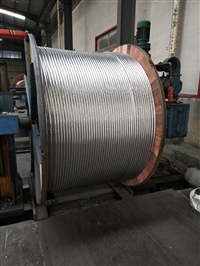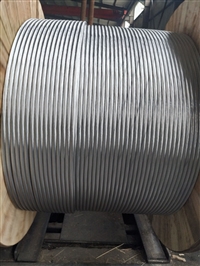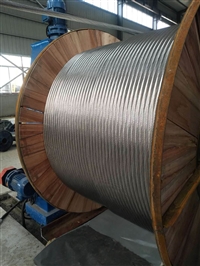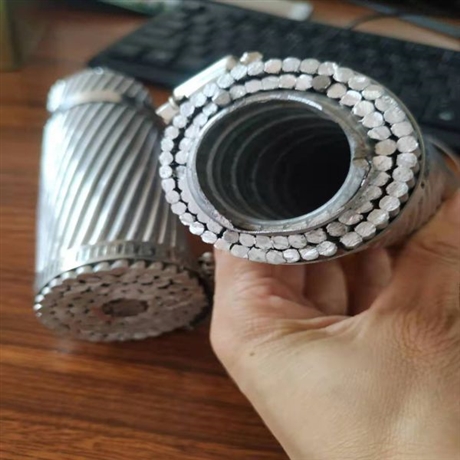

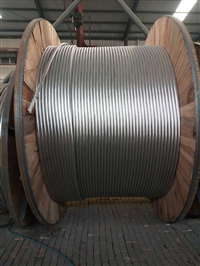
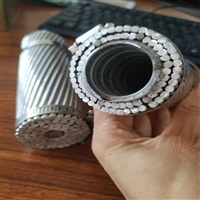

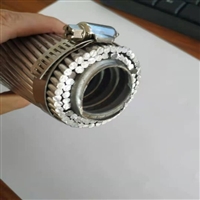
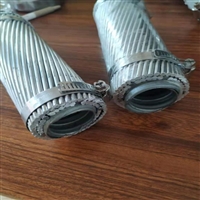
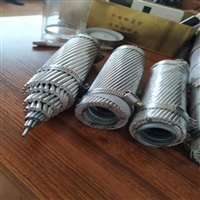
Power overhead hollow aluminum busbar LGKK-1400 special wire with extended conduit
Category:
Electrical Engineering/Wire and cable/Bare wire
Model:
LGKK-1400
Brand:
Zheng Fan
Retail Price
139.80USD
重量
kg
- Product Description
-
Description :
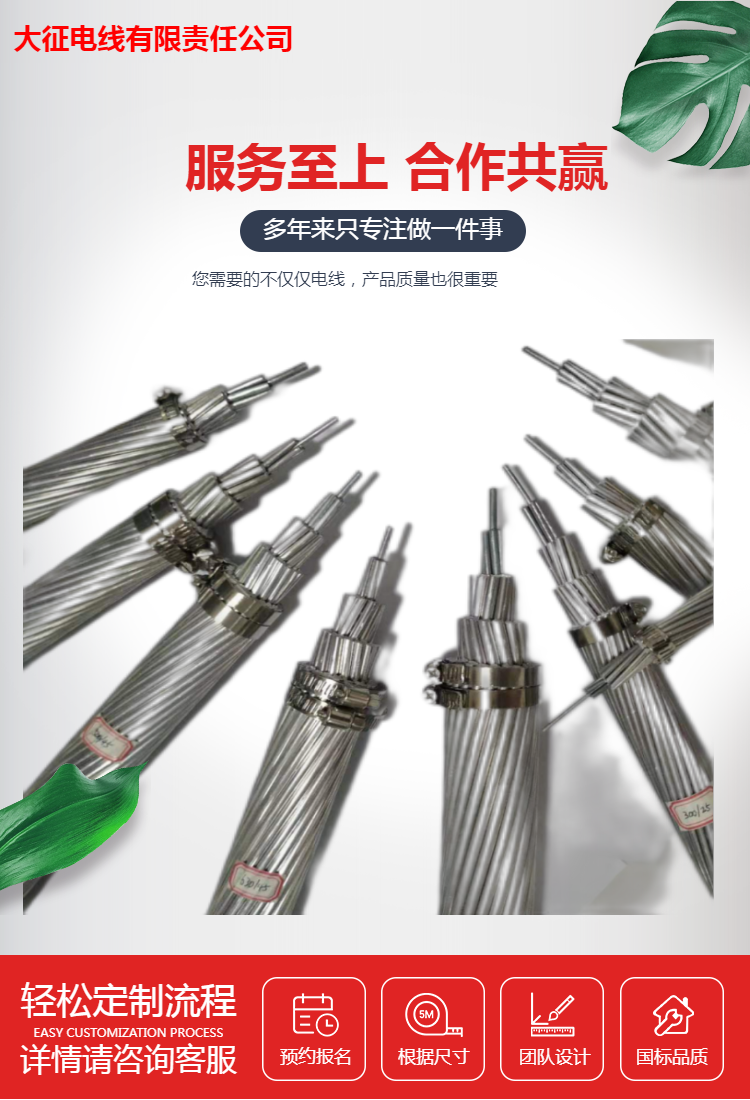
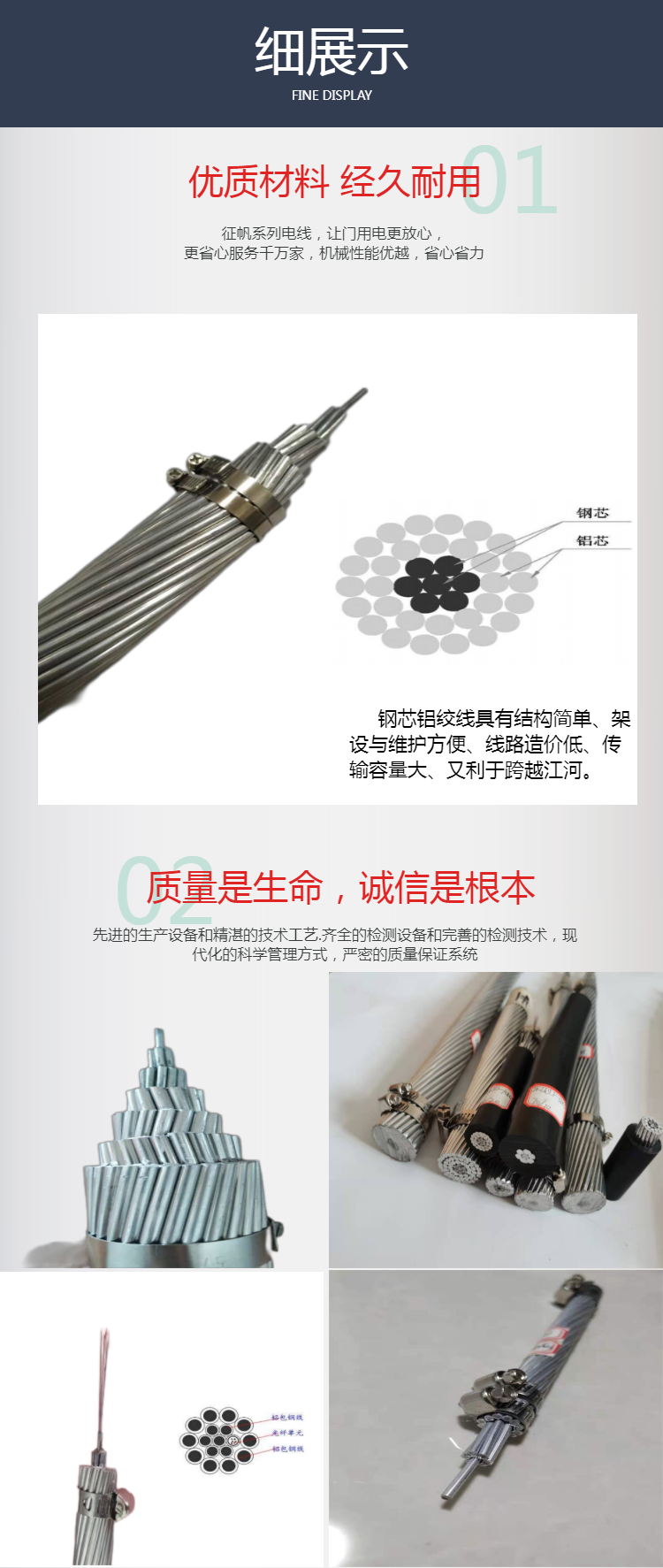
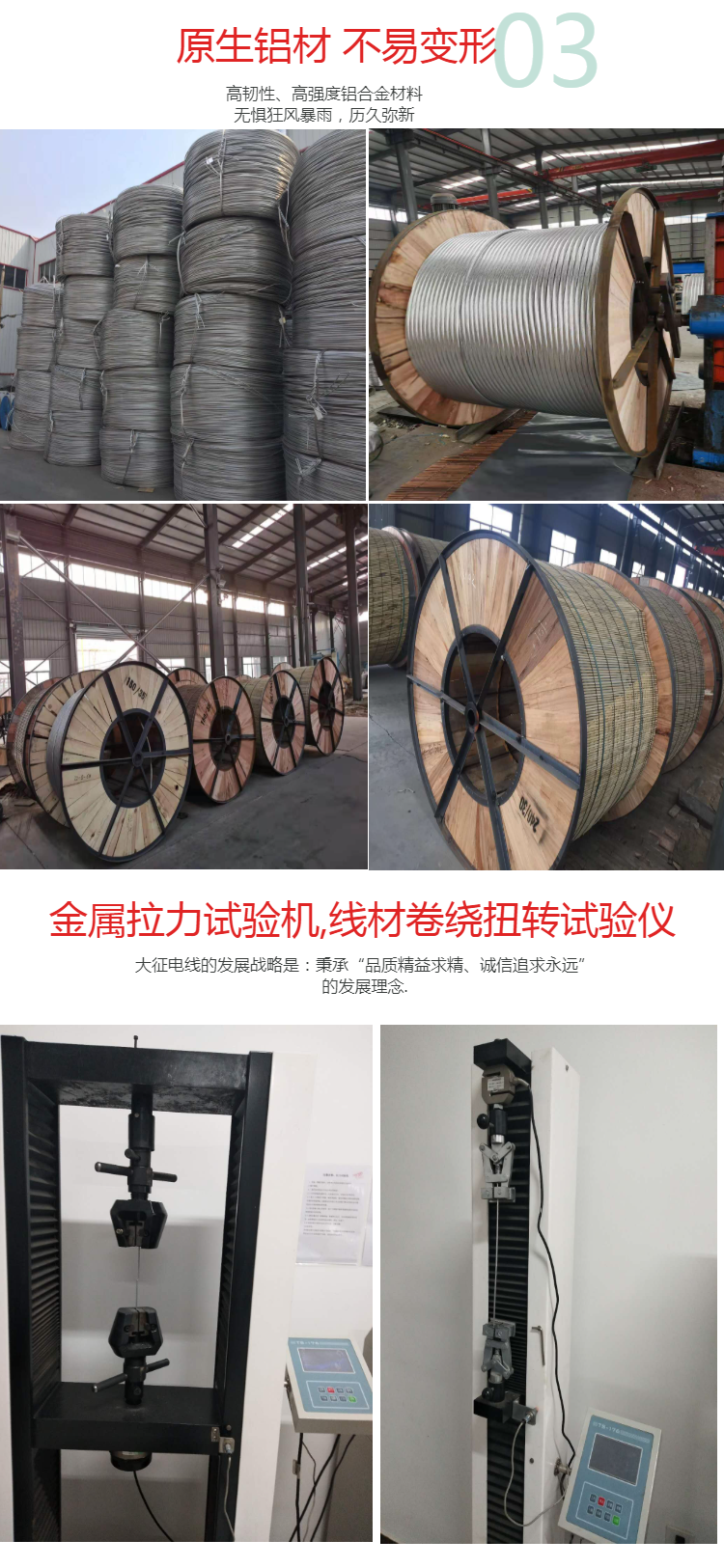
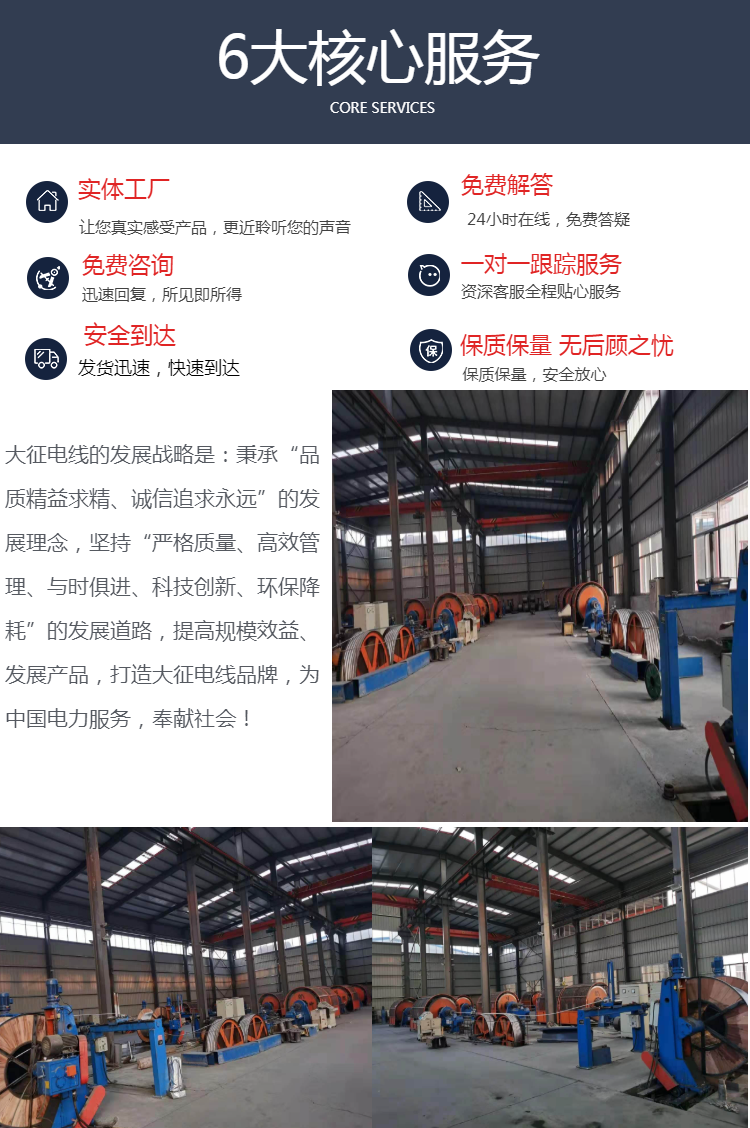
Power overhead hollow aluminum busbar LGKK-1400 special wire with extended conduit
Product details introduction
LGKK-600, LGKK-900, LGKK-1250, LGKK-1400 expanded diameter wires, JLHN60K-1600, Aluminum tube supported heat-resistant aluminum alloy busbar, steel core heat-resistant alloy wire (nrlh58gj nrlh60gj), and ultra light steel core aluminum stranded wire (LGJQT) are widely used in 220kV and above substation projects. The addition of alloy components to the wire improves the high-temperature performance of the product. The wire has a large cross-section, increased current carrying capacity, high heat resistance, high conductivity, low loss, reduces electrical energy loss, and increases the safety performance of equipment operation. Installation and maintenance are the same as regular wire installation procedures, without the need for any special tools or fixtures. Installation and maintenance are convenient and cost-effective. NRLH58GJ and NRLH60GJ heat-resistant aluminum alloy stranded wires are widely used in 220kV and above 500kV substation projects. The addition of alloy components to these wires improves the high-temperature performance of the products. The wire has a large cross-section, increased current carrying capacity, high heat resistance, high conductivity, and low losses, reducing electrical energy loss and increasing the safety performance of equipment operation. Installation and maintenance are the same as regular wire installation procedures, without the need for any special tools or fixtures. Installation and maintenance are convenient and cost-effective. The performance of heat-resistant aluminum alloy wire can increase the transmission capacity of transmission lines by 60% without changing the support of the transmission lines, which has significant economic value.
Expanded conductors are suitable for power plant and substation distribution lines, busbars, etc. in high and low voltage transmission lines. Reduce corona losses and save non-ferrous metals.Performance characteristics: coefficient of linear expansionGood, with low corona loss and good heat dissipation.Product features: Expanded hollow aluminum steel stranded wire (expanded diameter conductor)Model: LGKK/600/900/1400mm1. 600mm current carrying capacity 900A tensile strength 140000N km weight 2875KG/KM2. 900mm current carrying capacity: 1020A tensile strength: 209000N kilometer weight 3650KG/KM
3. 1400mm current carrying capacity 1290A tensile strength 295000N km weight 5159KG/KM
Expanding diameterconductorIt is based on the conventional wire specifications that meet the technical requirements, and adopts the technique of expanding the outer diameter of the wire to ensurecoronaReduce the aluminum content of the wire while maintaining the required outer diameter of the wirecross-section, thereby reducing the total weight of the wire and decreasingiron towerloadAnd the structural weight greatly reduces the cost of the line. Expanded conductors can be divided into two categories based on their usage: one type is used in substations, and the other type is used in transmission lines.
Expanded conductors can be divided into two categories based on their usage: one type is used in substations, and the other type is used in transmission lines. In order to reduce sag and tower height, the tension to weight ratio of expanded conductors used in transmission lines should be in accordance withaluminum conductor steel reinforced (ACSR)Equivalent, so this type of expanded diameter wire must have a steel core. Because the expansion wire used in transmission lines must be tensioned, and after passing through several pulleys during the tensioning process, it is required to have no jumping or loosening of strands. Therefore, the stability of the structure of this expansion wire is higher, and the expansion ratio of this expansion wire should not be too large. The main function of using expanded diameter conductors in substations is to direct current from transformers to transmission lines, usually only a few tens of meters away, without considering issues such as sag and tension. Due to the fact that the number of splits in substation busbars is usually smaller than the number of splits in line conductors, and given similar environmental limits for electromagnetic noise, it is required that the outer diameter of substation busbars be much larger than that of line conductors. Therefore, the characteristic of this type of expanded diameter conductor is that it has no steel core, but the expansion diameter is relatively large. According to the structural characteristics of expanded diameter wires, they are divided into four categories: large inner diameter aluminum tube supported expanded diameter wires, small inner diameter aluminum tube filled expanded diameter wires, sparse twisted expanded diameter wires, and high-density polyethylene expanded diameter wiresSupporting type expanded diameter wire.Small inner diameter aluminum tube filled expanded diameter wire. This type of expanded diameter wire is made by twisting multiple small inner diameter aluminum tubes (instead of aluminum single wires) outside the steel core. Large inner diameter aluminum tube supported expanded diameter wire. This type of expanded diameter wire has no steel core and is made by twisting multiple layers of aluminum single wires on a large inner diameter aluminum tube. Sparse twisted expanded diameter wire, high-density polyethylene supported expanded diameter wire. Expanded diameter conductor refers to a conductor with an enlarged outer diameter compared to a concentric twisted hollow conductor with a similar cross-section. There are many types of expanded diameter conductors with significant structural differences, but they can be divided into two categories based on their use: for substations and for transmission lines. Expanded diameter wires have the following characteristics:(1) Compared with conventional wires of the same cross-section, the outer diameter of the expanded wire increases, the corona loss decreases, and the radio interference and audible noise derived from corona also decrease, effectively improving the electromagnetic environment and benefiting environmental protection.(2) Compared with conventional wires with the same outer diameter, the expanded diameter wire has a smaller aluminum cross-section, saving aluminum material and reducing the weight of the wire. This not only reduces the amount of wire used, but also reduces the steel consumption of the iron tower due to the decrease in the load on the tower, thereby reducing the cost of transmission line engineeringinvestment.(3) Compared with conventional wires with the same outer diameter, expanded diameter wires have the same corona characteristics due to the same outer diameter of the wires. Determine the wire cross-section based on the conveying capacity, determine the outer diameter of the wire based on electromagnetic environment control indicators, and consider expanding the diameter after the wire cross-section and outer diameter are clear. When choosing the expansion method, the first consideration should be the economy. Based on preliminary calculations, the cost of the sparse twisted expanded diameter wire is lower than that of the high-density polyethylene supported expanded diameter wire, and the project cost is lower if the sag characteristics are better, which shows that the investment for sparse twisted expanded diameter wire of the same specification is lower. Secondly, the stability of the structure should be considered.
For sparse twisted expanded diameter conductors, the expansion ratio of 310K400 is 1.29, and the expansion ratio of 400K500 is 1.20. Engineering practice has proven that its structure is stable; The expansion ratio of 630K720 is 1.14, and the test proves that its structure is stable. This wire underwent engineering deployment tests on the Yongdeng Baiyin 750 kV transmission line in March 2009. However, the expansion ratio of 500K630 is 1.26630K800, 1.27720K900 is 1.25, and analysis suggests that all three structures are unstable. It can be seen that with the increase of conductive cross-section, the expansion ratio shows a downward trend while maintaining structural stability. Therefore, the expansion ratio alone cannot be used to select the expansion method. In actual transmission projects, when choosing the wire expansion method, the size of the conductive cross-section needs to be taken into account.
Power overhead hollow aluminum busbar LGKK-1400 special wire with extended conduit
AfterSalesService :
Key words:- Expansion wire
More Products