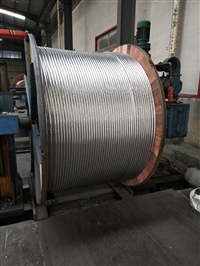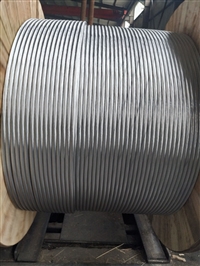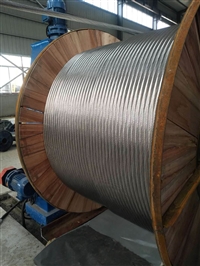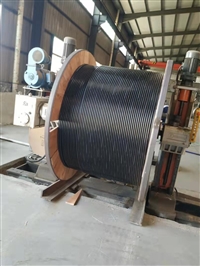
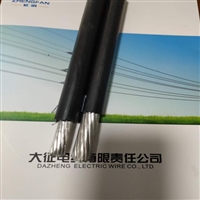
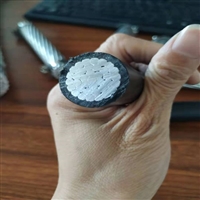
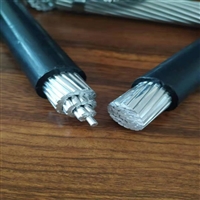
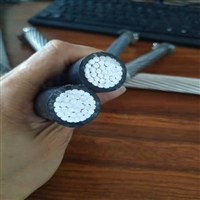

JKLYJ-10KV-1 * 120 specification cross-linked polyethylene overhead insulated wire steel core aluminum stranded wire
Category:
Electrical Engineering/Wire and cable/Insulated wire
Model:
JKLYJ-10KV-1*120
Brand:
Zheng Fan
model:
JKLYJ-10KV-1*120
Processing & Customization:
yes
Scope of Application:
electricity
purpose:
Power transmission and transformation
Is it a cross-border source of goods:
yes
Retail Price
6.68USD
重量
kg
- Product Description
-
model JKLYJ-10KV-1*120
Processing & Customization yes
Scope of Application electricity
purpose Power transmission and transformation
Is it a cross-border source of goods yes
Description :
JKLYJ-10KV-1 * 120 specification cross-linked polyethylene overhead insulated wire steel core aluminum stranded wire
Introduction to the use of overhead insulated conductors:
Overhead insulated conductors are a new type of material that can solve various problems encountered by conventional conductors during operation. Compared with traditional overhead bare conductors, overhead insulated conductors have significant advantages and have been widely used in 10kV distribution networks. However, the construction technology and design methods of such conductors are different from those of ordinary conductors. If the design and construction technology are improper, it not only cannot guarantee the construction quality of the line, but also cause safety hazards. This article mainly analyzes the characteristics and planning methods of overhead insulated conductors in 10kV distribution networks.
Overhead insulated conductor; 10kV distribution network; characteristic; planning
The development of urbanization has had a certain impact on the safety of the distribution network system. In order to ensure the safety and stability of power supply, overhead insulated wires can be applied in the distribution network. Overhead insulated wires are a new type of material that can solve various problems encountered by conventional wires during operation. Therefore, they have begun to receive attention from the power sector. Below is an analysis of the characteristics and planning of overhead insulated conductors in 10kV distribution networks.
Advantages of overhead insulated conductors
1.1 Ideal insulation performance
The outer layer of the overhead insulated conductor has an insulation layer, which can effectively reduce the distance between the lines compared to traditional bare conductors. The insulation requirements are not high, and it can also increase the number of circuits in the same pole line, avoiding the problem of phase to phase short circuit in the line. The schematic diagram of the structure of the overhead insulated conductor is shown in Figure 1.
1.2 Good anti-corrosion performance
The insulation layer of overhead insulated conductors can prevent the internal conductors from being affected by acid rain and oxidation factors, which can effectively improve the service life of the line.
1.3 Simple Structure
1.3 Simple Structure
The application of overhead insulated wires can simplify tower structures and be laid along walls, which can beautify streets and save materials. In addition, the application of overhead insulated wires is beneficial for the development of urban greening work and can reduce the amount of tree pruning.
1.4 Narrowing down the corridor
The application of overhead insulated conductors can reduce the distance between lines, narrow the corridors of lines, and facilitate the laying of lines.
1.5 Extended maintenance cycle
The application of insulation layer effectively improves the reliability and safety of overhead insulated wire operation, can effectively extend the maintenance cycle, and reduce power outage time.
Characteristics of using overhead insulated conductors:
1. Rated voltage: 0.6/1KV, 10KV;
2. The long-term allowable working temperature for cables is 70 ℃ for poly insulation and 90 ℃ for cross-linked polyethylene insulation.
3. When short circuited (maximum time not exceeding 5 seconds), the temperature of the cable is: 160 ℃ for polyethylene insulation, 150 ℃ for high-density polyethylene insulation, and 250 ℃ for cross-linked polyethylene insulation;
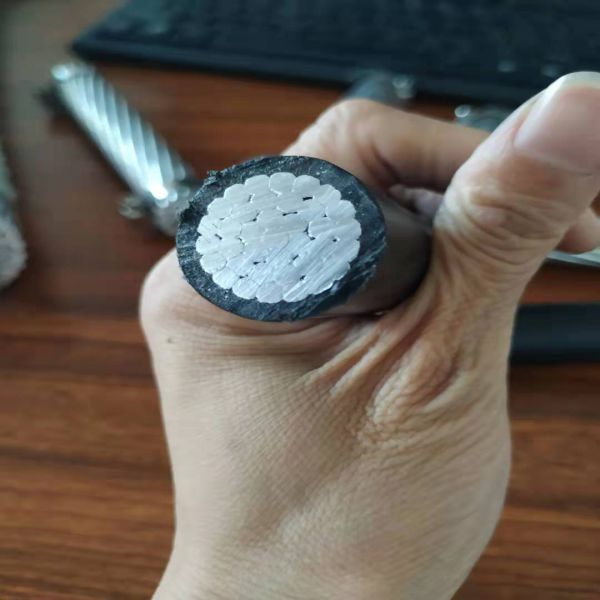
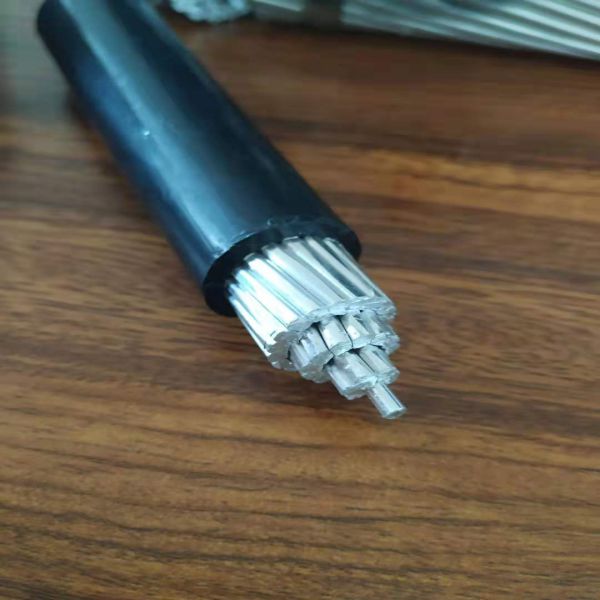
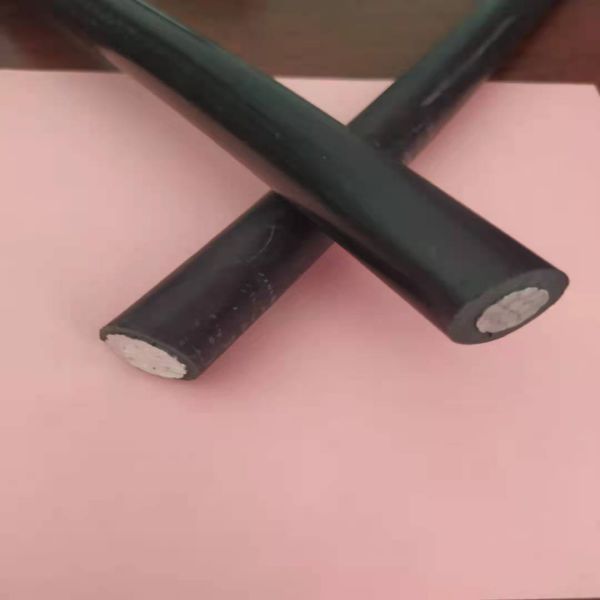

conductor
The production of conductors is carried out on a 500 type frame twisting machine, using a tensile die for layered compression.
The surface of the conductor should be smooth, free of oil stains, damage to shielding and insulation burrs and sharp edges. No protrusions or fractures
The single line. The conductor should be a circular single wire twisted tightly compressed conductor with a compression coefficient of not less than 0.9
The copper conductor material should be oxygen free copper rod. The aluminum conductor material is AO0 aluminum.
Extrusion crosslinking process
The conductor shielding, insulation, and insulation shielding adopt a three-layer co extrusion process, and the production equipment is a 0+3 dry cross-linking production line, fully enclosed chemical cross-linking and 1+2 warm water cross-linking equipment.
conductor shielding
The conductor shield is an extruded cross-linked semiconducting layer, which is uniformly coated on the conductor, with a surface light
Smooth, without obvious ridges, sharp corners, particles, burnt or scratched marks. When stripping the conductor shield, half
The conductive layer should not be stuck between the conductor strands.
insulation
The nominal insulation thickness is 3.4mm, and the average insulation thickness is not less than the nominal value. The minimum measured thickness at any point
Not less than 3.1, with a measured thickness not greater than 3.7mm. All aluminum 10kV overhead insulated conductor 10-400, in accordance with standard GB/T14049-2008
JKLYJ-10KV-1 * 120 specification cross-linked polyethylene overhead insulated wire steel core aluminum stranded wire
Transportation precautions;
It is strictly prohibited to throw cables or cable reels containing cables from a height during transportation, especially at lower temperatures (usually around 5 ℃ or below). Throwing or dropping cables may cause insulation and sheath cracking. Try to avoid storing cables in an exposed manner outdoors as much as possible, and cable reels are not allowed to be laid flat. When lifting the packaging of the JKLYJ overhead line model, it is strictly prohibited to lift several reels at the same time. On vehicles, ships, and other transportation vehicles, cable reels should be secured using appropriate methods to prevent collisions or tipping over, in order to prevent mechanical damage to the cables. Cables must not come into contact with acids, alkalis, and mineral oils, and must be stored separately from these corrosive substances There shall be no harmful gases that damage insulation or corrode metals in the warehouse where cables are stored. During the storage period, the cable should be rolled regularly (once every 3 months in summer, and may be extended at discretion in other seasons). When rolling, roll the storage tray upside down to prevent the bottom from getting damp and rotting. When storing, it is important to regularly pay attention to whether the cable head is intact and undamaged.
Product Purchase Notice
Our company has a wide range of product specifications and models, with customizable lengths and quantities. Special models can also be customized, and production requires specific specifications and quantities. For more information, please contact customer service to inquire and determine the model, specifications, and quantity before providing a specific quotation based on the quantity. The specific price is subject to the quotation provided by the salesperson. Welcome to call for consultation.
AfterSalesService :
Key words:- Overhead insulated conductor
More Products