
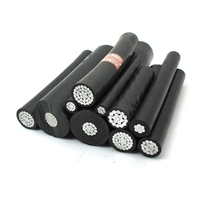
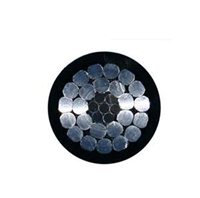
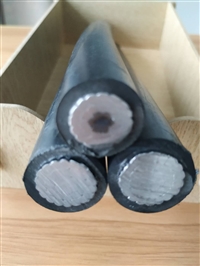


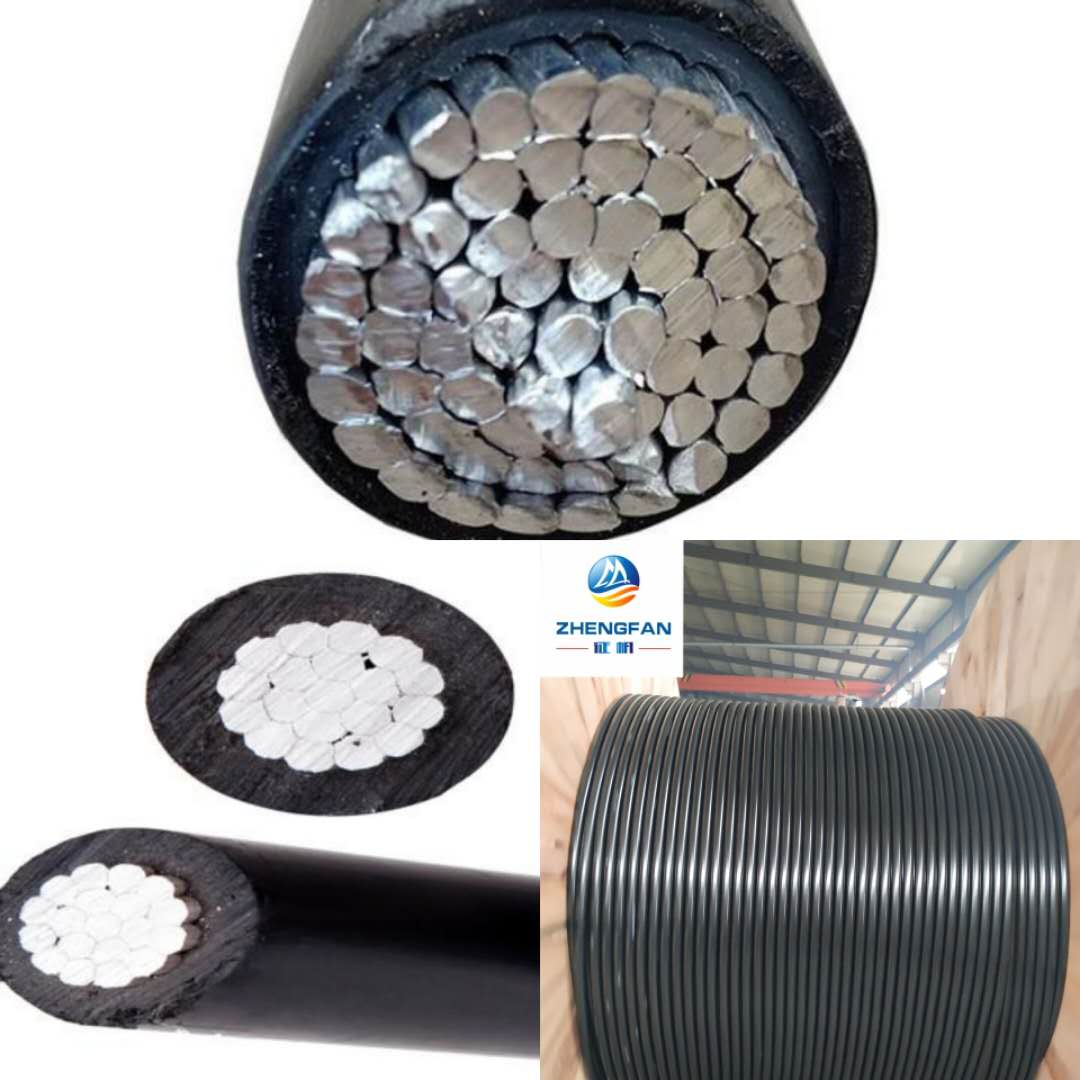
JKLGYJ overhead insulated conductor
Category:
Electrical Engineering/Wire and cable/Insulated wire
Model:
JKLGYJ-16/3
Brand:
Zheng Fan
Retail Price
1.38USD
重量
kg
- Product Description
-
Description :

Introduction to Dazheng Electric Wire Co., Ltd
Our company is located in Dazheng Industrial Park, Renqiu City, Hebei Province, China Located near the North China Pearl Baiyangdian Scenic Area and National Highway 106; The Beijing Kowloon Railway and Jinbao Road run through the city, 156 kilometers north of Beijing and 120 kilometers east of Tianjin, with a superior geographical location and convenient transportation. Zhang Dandan, the sales general manager of the company, looks forward to working with you
The company has strong strength, advanced production equipment and exquisite technical processes Complete testing equipment and sophisticated testing methods Modern scientific management methods and rigorous quality assurance systems The company's products are widely used in electricity Wind power Photovoltaic Mines Oil Various fields such as railway construction Has been rated as a province for several consecutive years Key contract credit enterprise in the city Unit quality trusted by consumers, serving as a national industry quality demonstration enterprise for integrity demonstration units: The product has been rated as a township enterprise product in Hebei Province and a trustworthy product for enterprise quality in Hebei Province.
The company covers an area of 76000 square meters, with a building area of 38000 square meters, fixed assets of 20 million yuan, and working capital of 40 million yuan. We have over 200 employees, including 50 engineering and technical personnel and 15 senior technical management personnel.


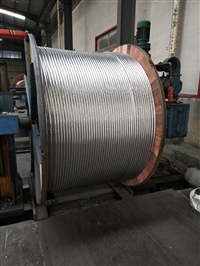
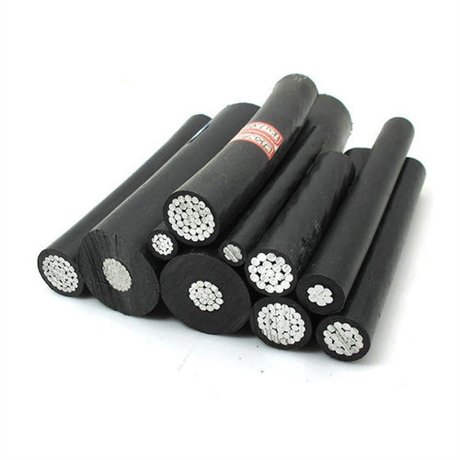
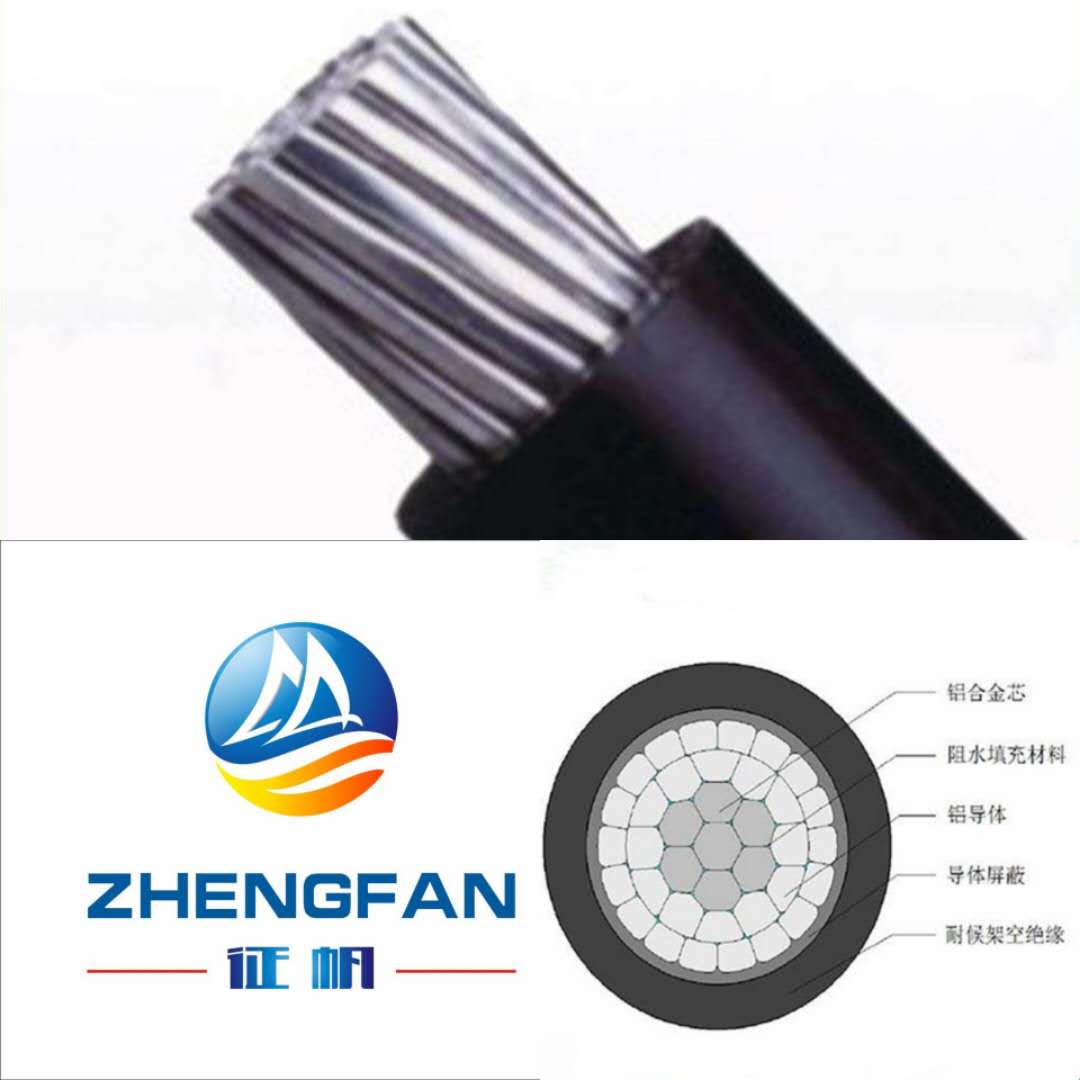
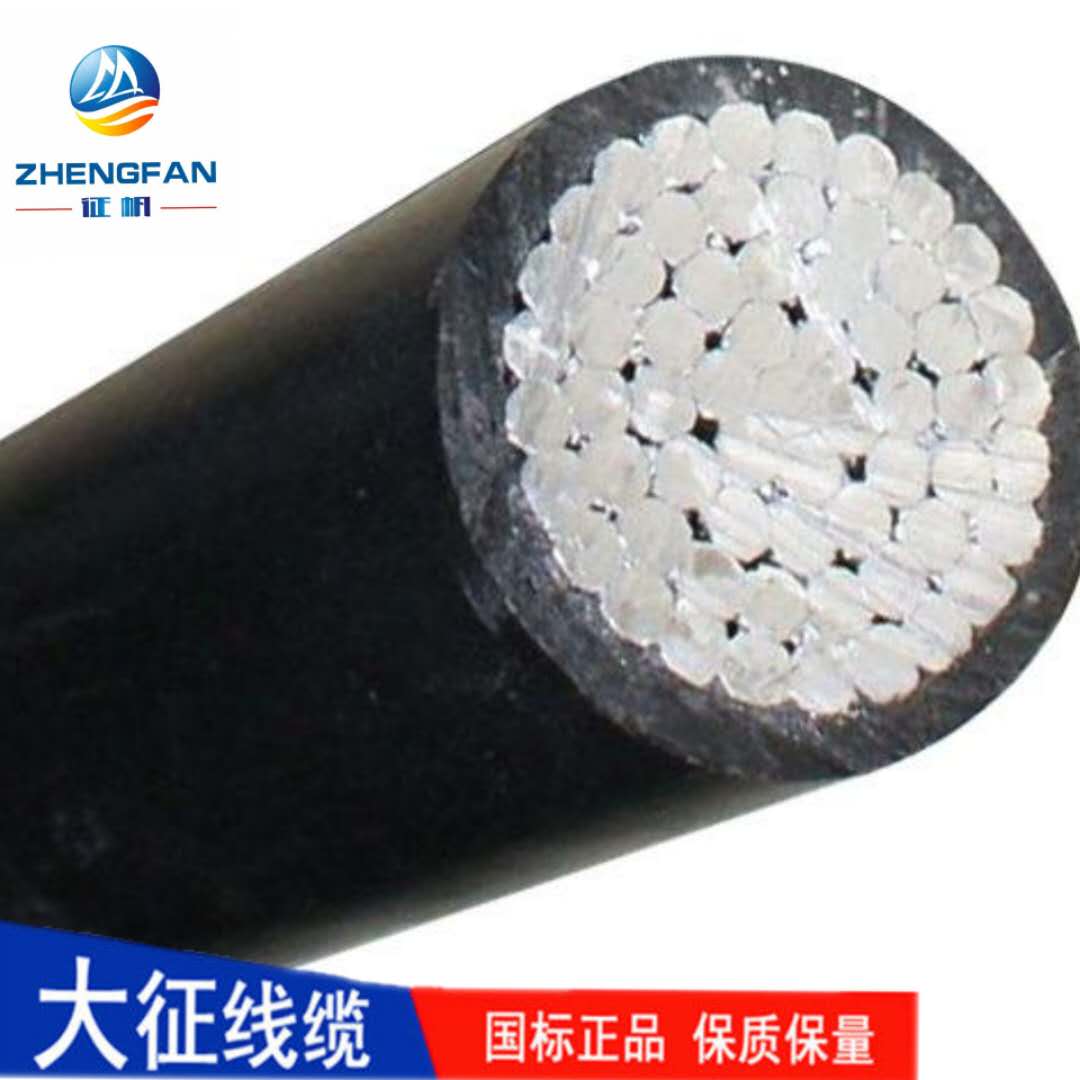
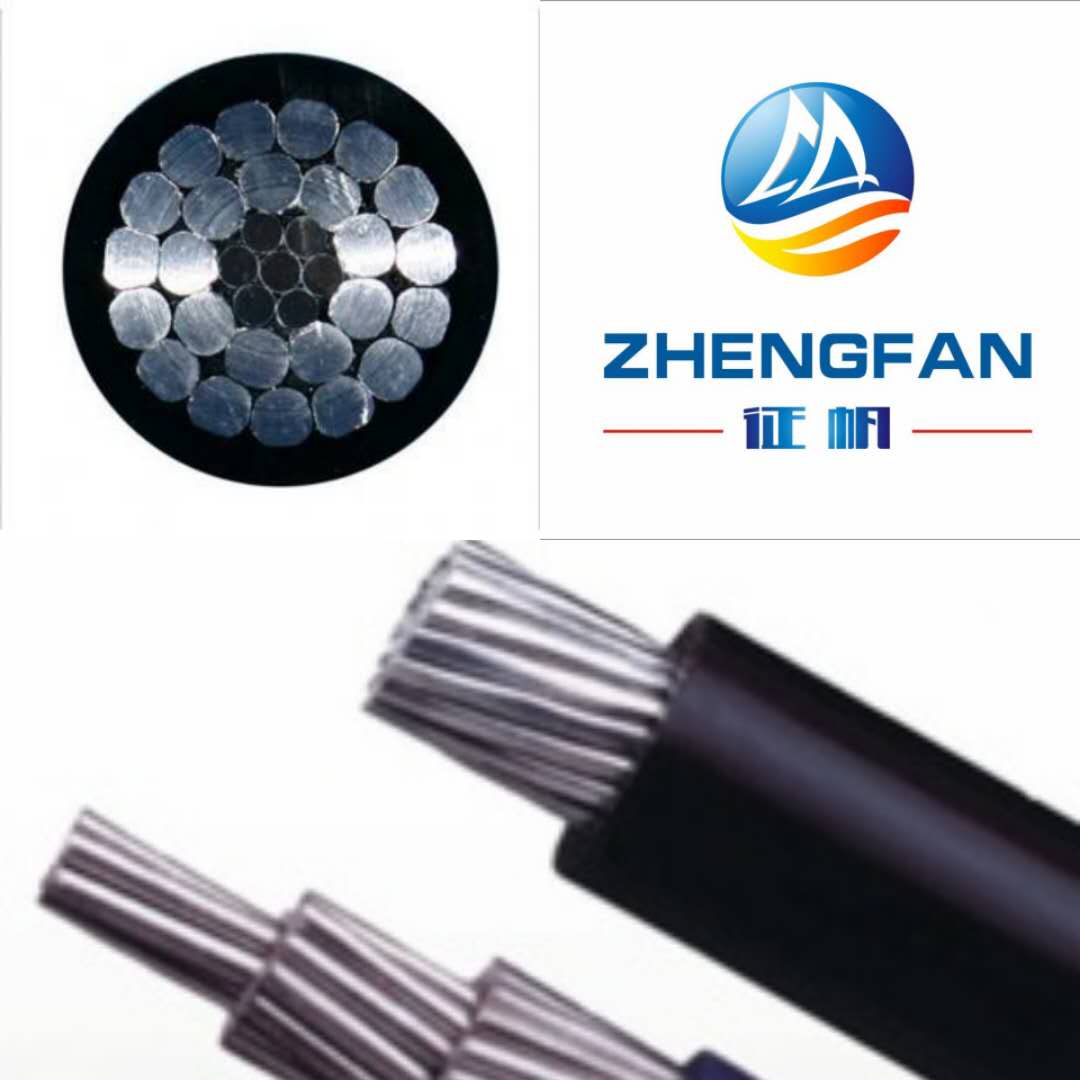
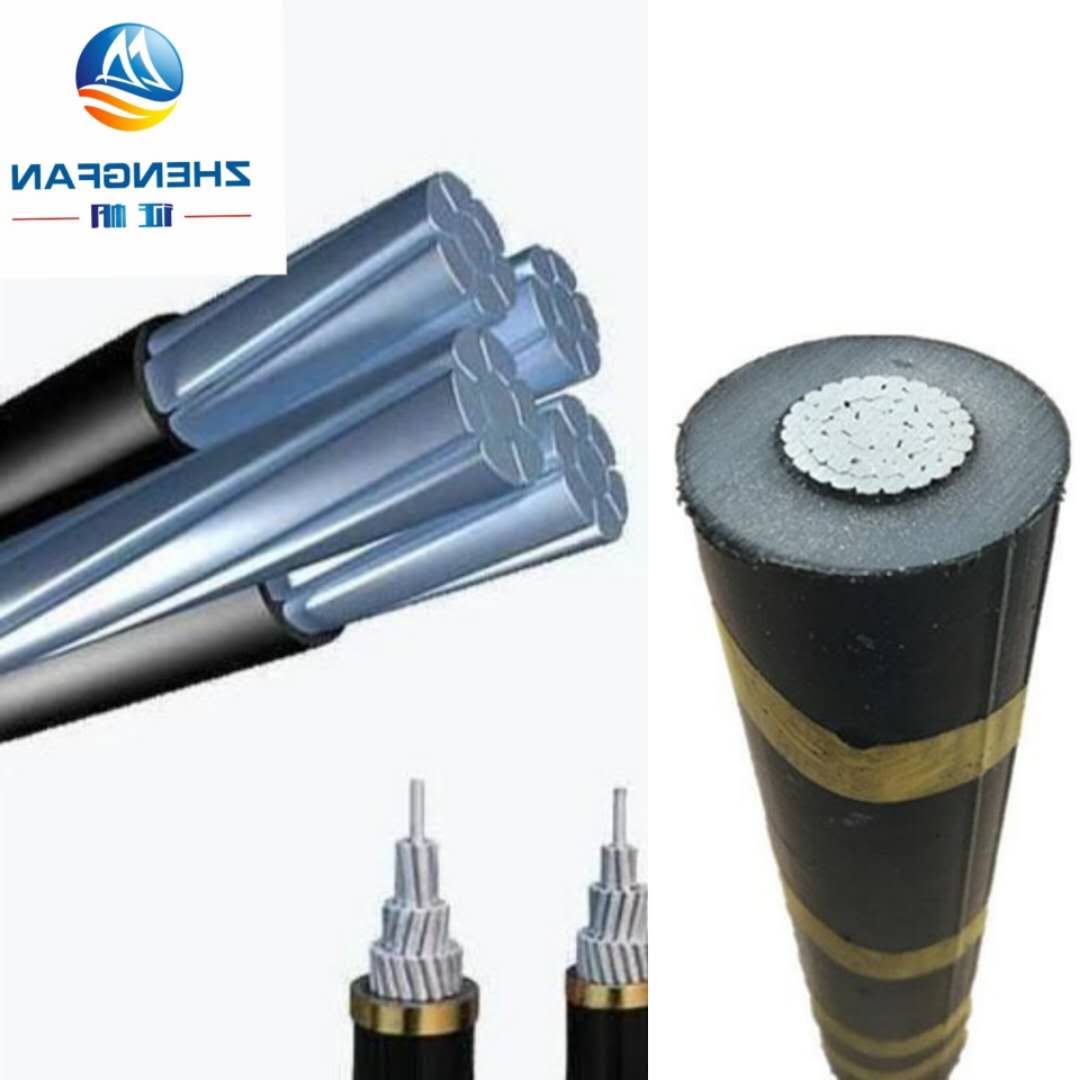
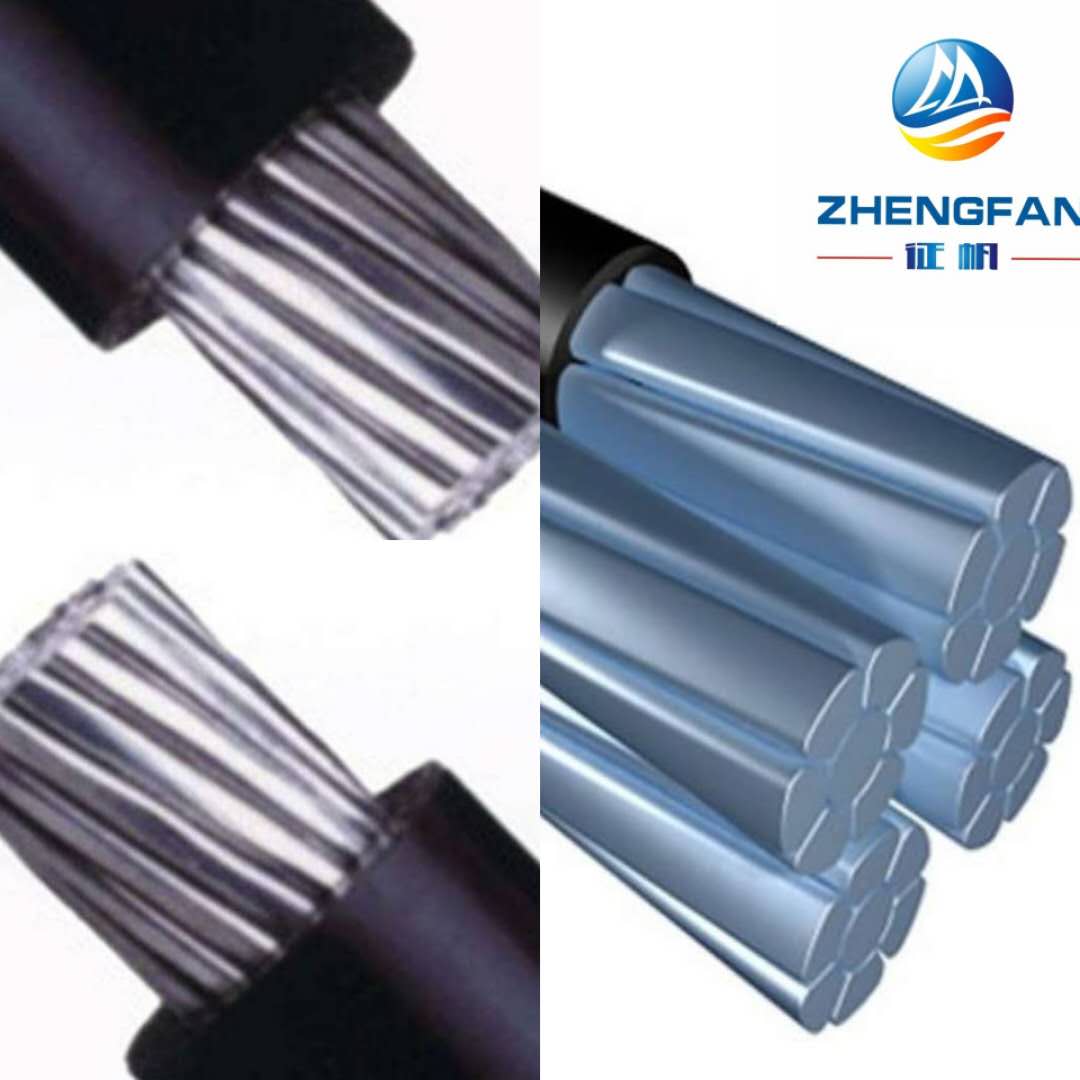
The main characteristics of the steel core overhead insulated conductor JKLGYJ-10KV-16/3 national standard outdoor low-voltage overhead cable are good insulation performance. Due to the addition of an insulation layer, overhead insulated conductors have superior insulation performance compared to bare conductors, which can reduce the distance between lines, lower the insulation requirements for line supports, and increase the number of circuits installed on the same pole. Good anti-corrosion performance. Due to the insulation layer on the outer layer, overhead insulated wires are less susceptible to oxidation and corrosion than bare wires, and have stronger corrosion resistance, which can extend the service life of the line. Prevent external damage, reduce the influence of external factors such as trees, flying objects, metal films, and dust, and minimize phase to phase short circuits and grounding accidents. The strength meets the requirements. Although the insulated wire lacks a steel core, it is tough and makes the mechanical strength of the entire wire meet the requirements of stress design. The specifications of the wire core for 2 overhead insulated conductors. There are two types of overhead insulated conductors: aluminum core and copper core. In the distribution network, aluminum core is widely used, mainly because aluminum is relatively light and cheap, with low requirements for line connectors and supports. In addition, the original distribution lines mainly use steel core aluminum stranded wires, and the use of aluminum core wires is convenient for connecting with the original network. Aluminum core wire is also commonly used in practical applications. Copper core wires are mainly used as down conductors for transformers and switchgear. Insulation material. There are two types of insulation protection layers for overhead insulated conductors: thick insulation (3.4mm) and thin insulation (2.5mm). Thick insulation allows frequent contact with trees during operation, while thin insulation only allows short-term contact with trees. The insulation protection layer is divided into cross-linked polyethylene and lightweight polyethylene, with cross-linked polyethylene having better insulation performance. The commonly used 10kV overhead insulated conductors are shown in Table 1. 3. The laying method of overhead insulated wires is the conventional single laying method. This installation method uses conventional cement poles, iron accessories, and ceramic insulator accessories with bare conductors, and is more suitable for the renovation of old lines and areas with sufficient corridors. Single laying uses specially designed insulation brackets to suspend wires, which can increase the number of circuits installed, save line corridors, and reduce the unit cost of the line.
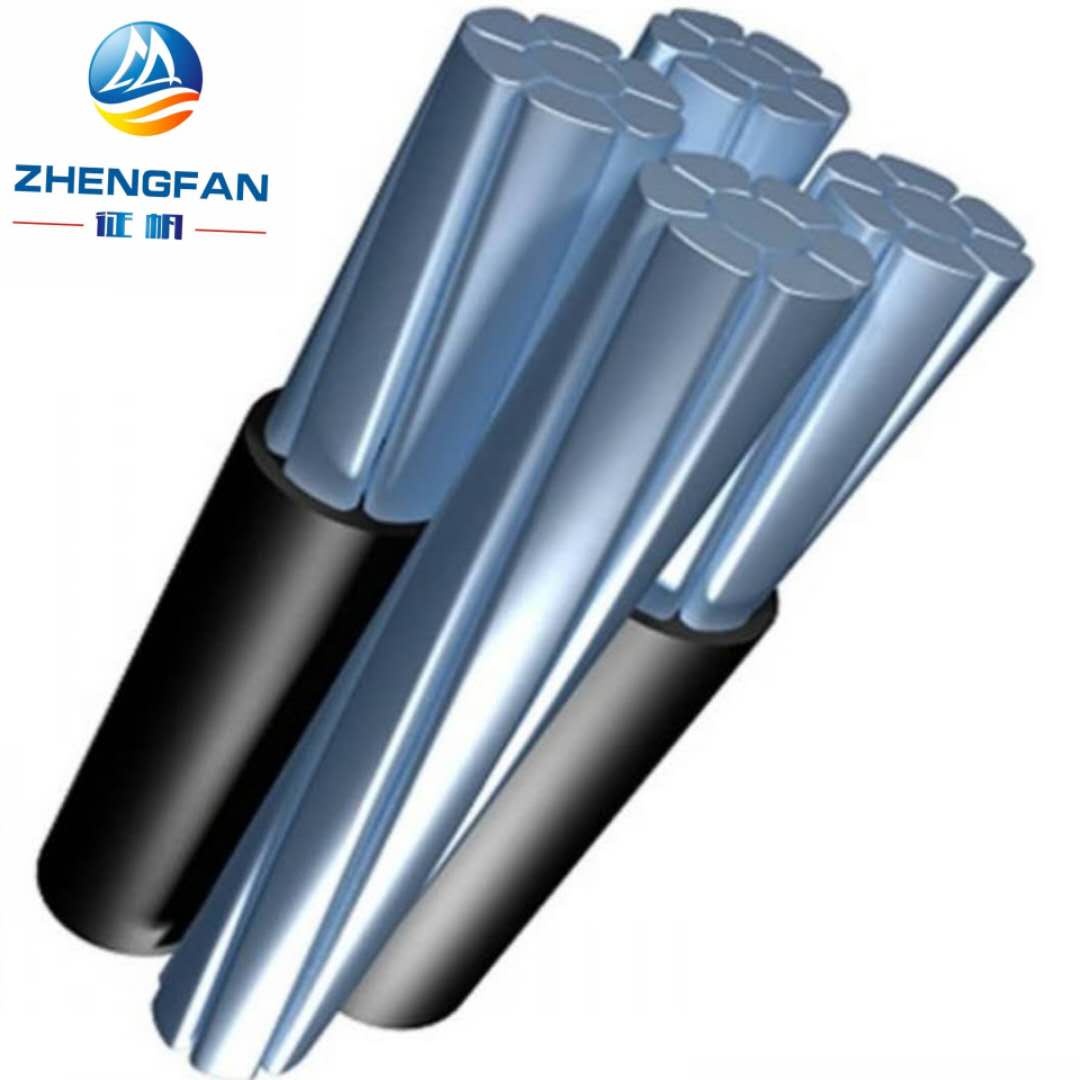
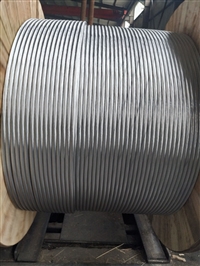
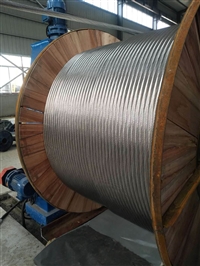
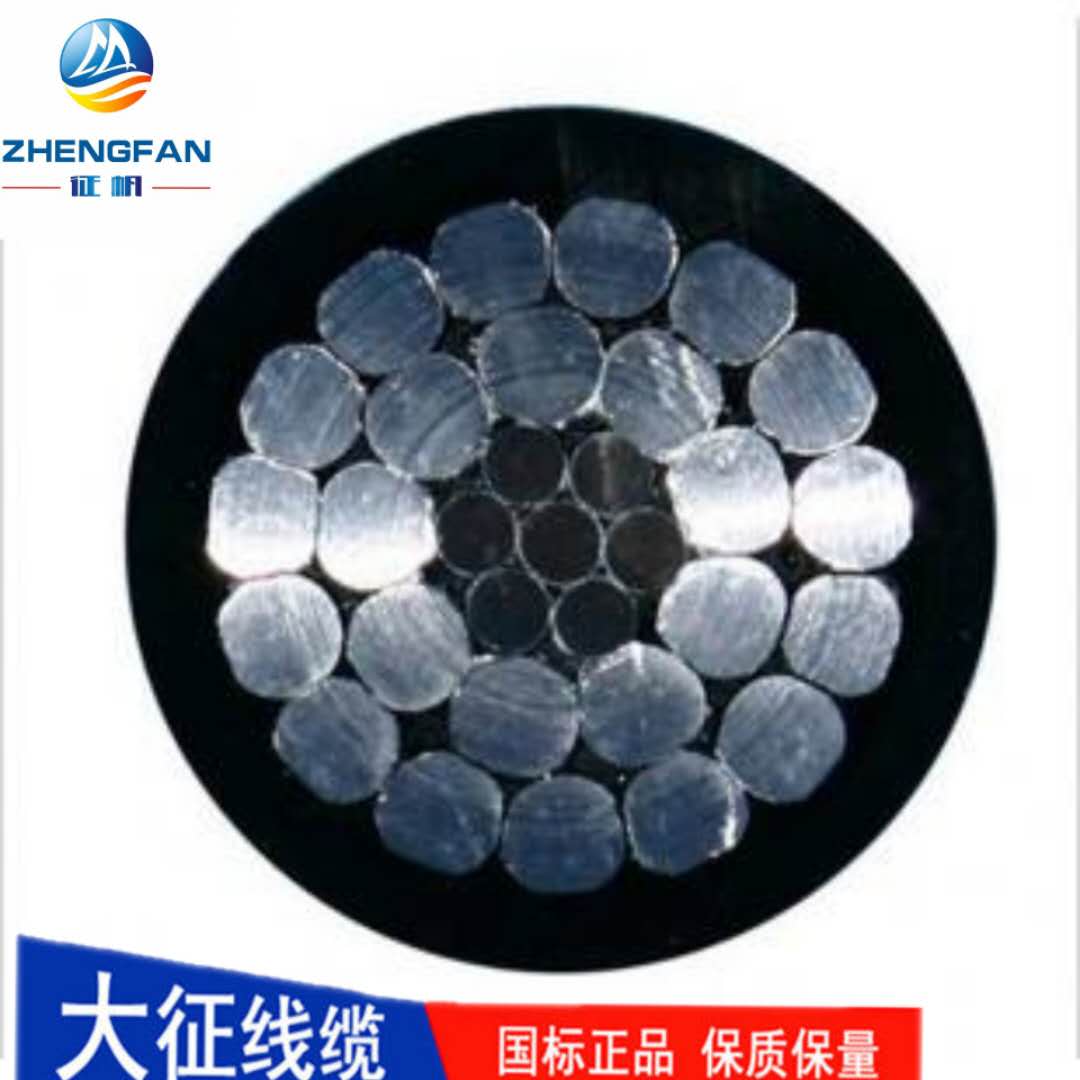
The role of steel core in overhead insulated conductors: Steel core aluminum stranded wire is generally used inside overhead insulated conductors, where the steel core mainly increases strength and the aluminum stranded wire mainly transmits electrical energy.
The so-called overhead line is relative to the cable, which refers to the transmission of electrical energy through the installation of wires at a certain height by towers. For the ground insulation of high-voltage transmission and distribution network overhead lines, air is generally used. Previously, distribution lines (except for 380V below 10kV) also used bare wires. However, due to the complex distribution environment in urban areas, short-circuit grounding and lightning strikes often occur, resulting in reduced power supply reliability. Therefore, currently, insulated wires (i.e. the outer layer of the wire is wrapped with insulation) are generally used for overhead lines below 10kV, which is called insulated overhead lines.



AfterSalesService :
Key words:- JKLGYJ overhead insulated conductor
More Products