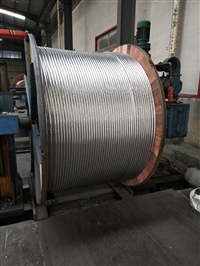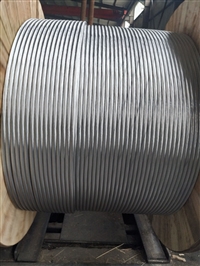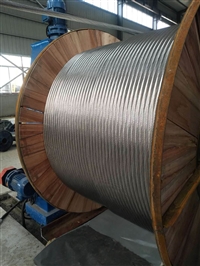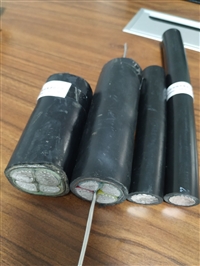
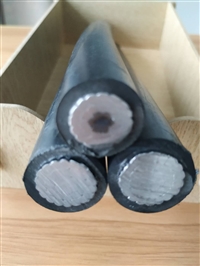


Overhead insulated conductor 1KV 10KV
Category:
Electrical Engineering/Wire and cable/Insulated wire
Model:
JKLYJ-240
Brand:
Zheng Fan
Retail Price
10.68USD
重量
kg
- Product Description
-
Description :
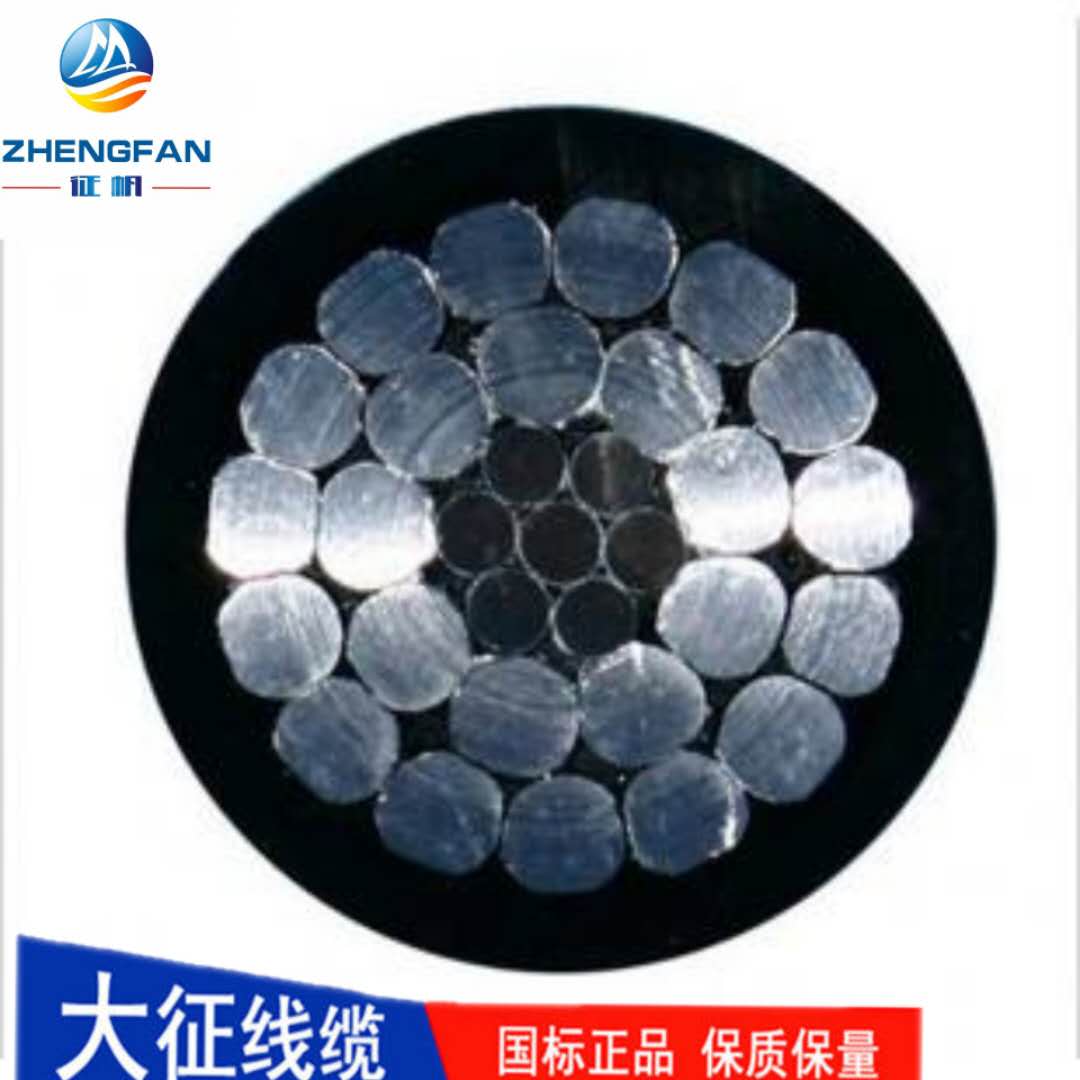
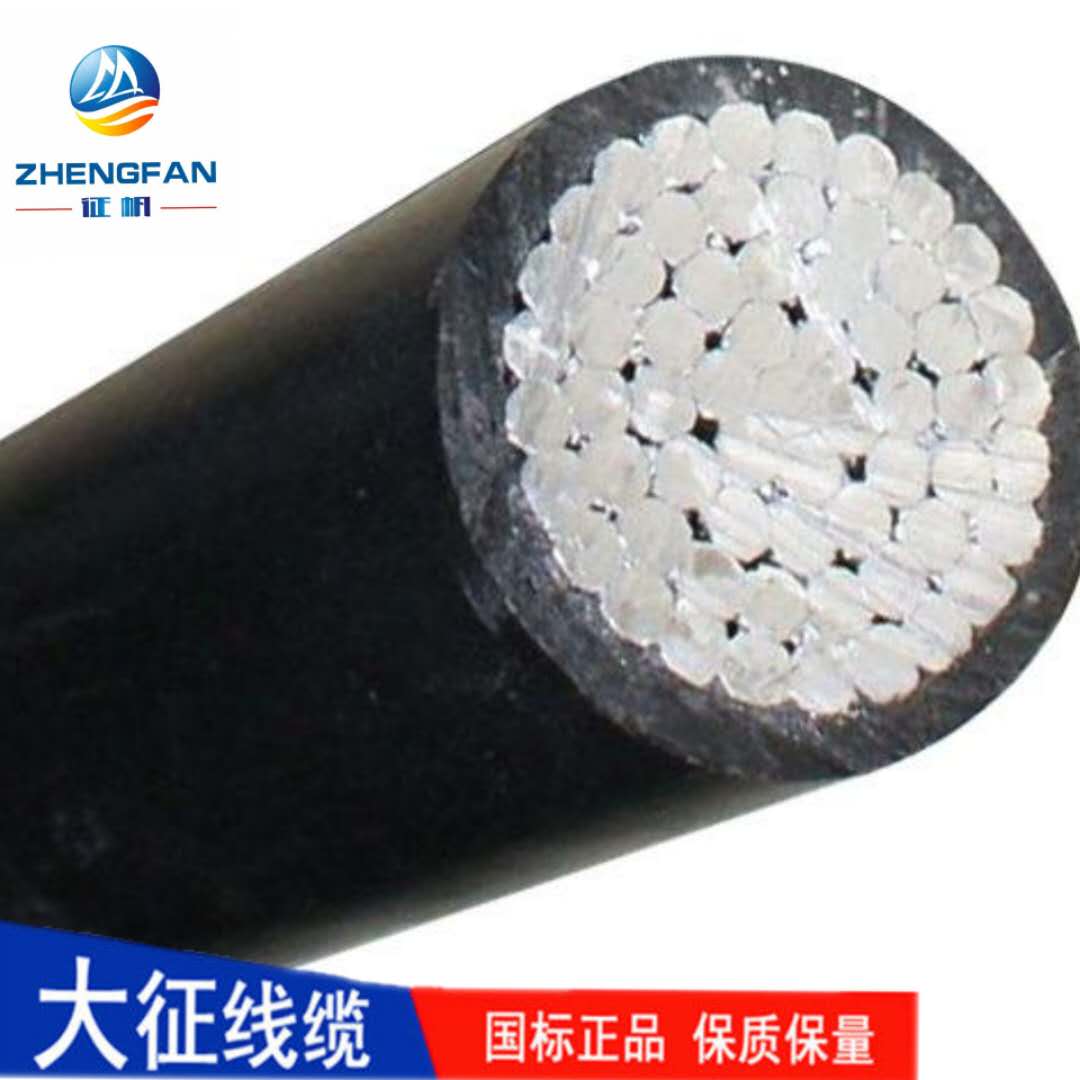
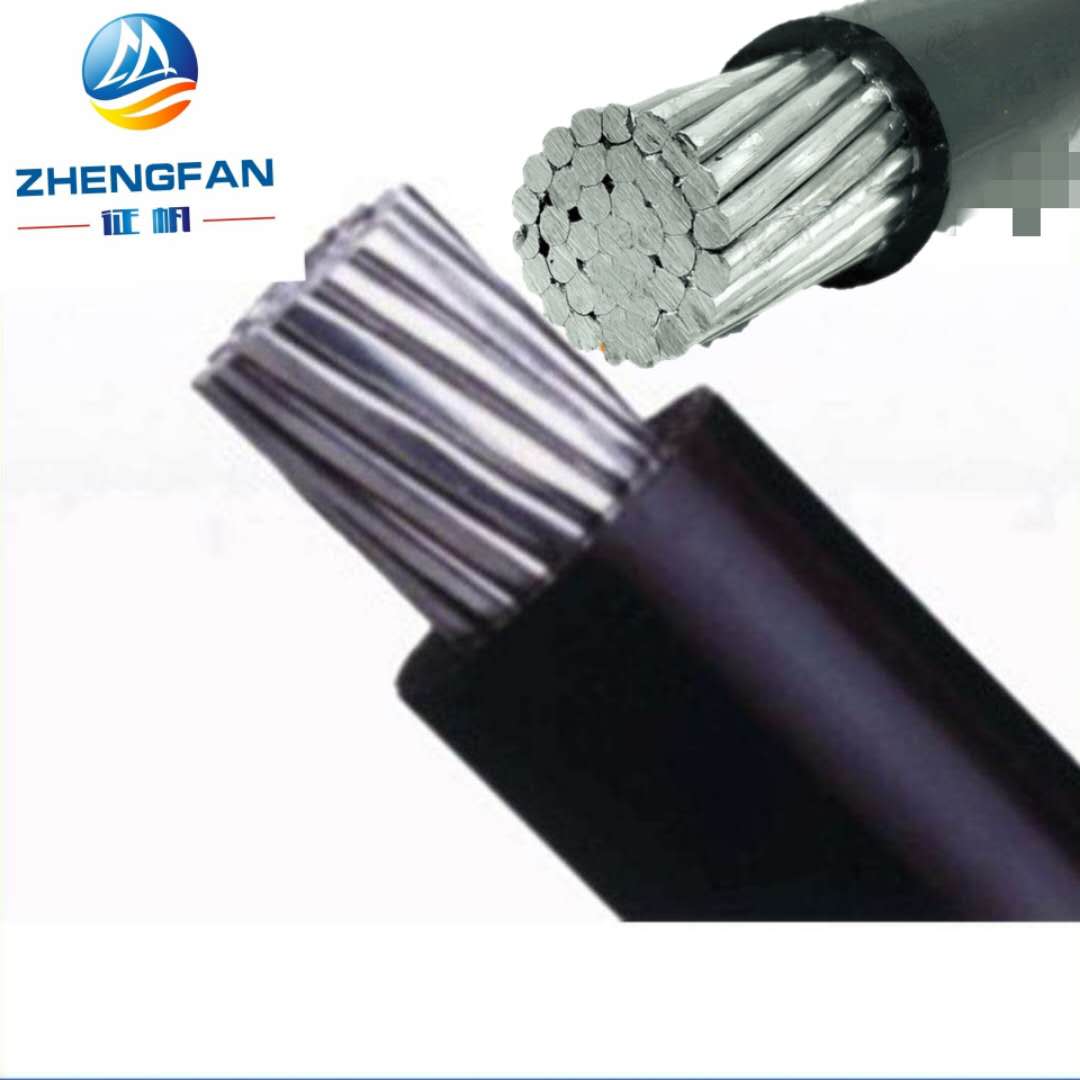
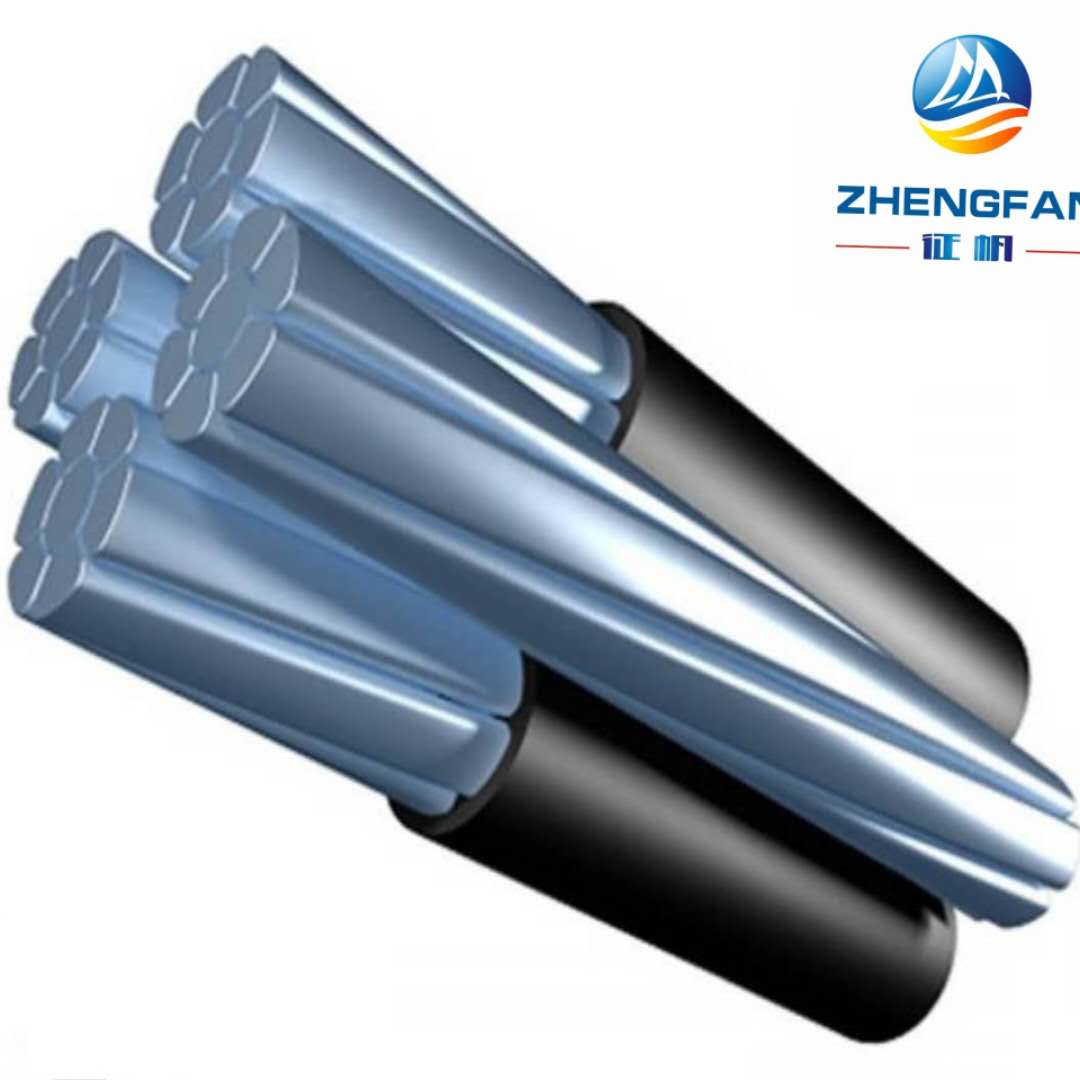
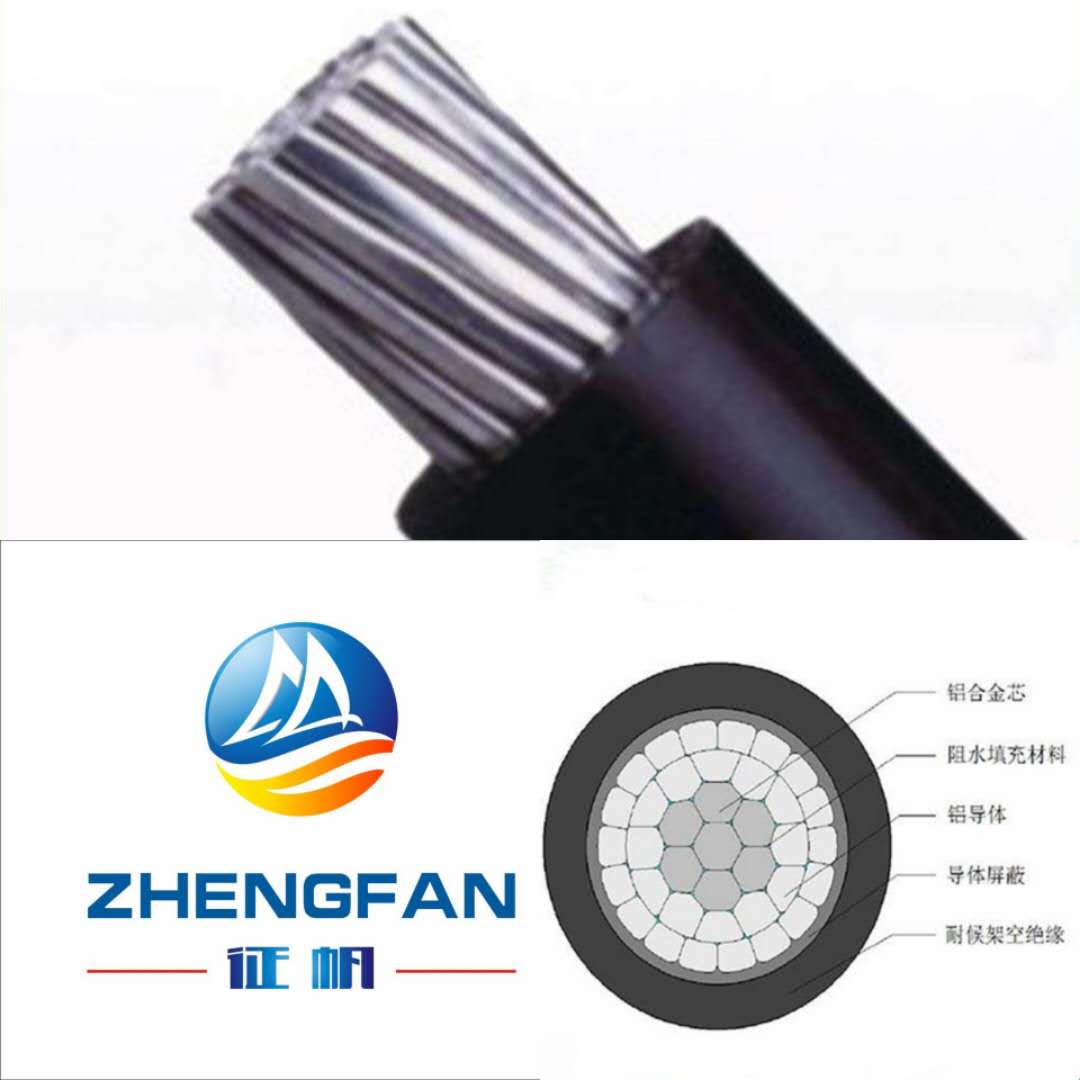
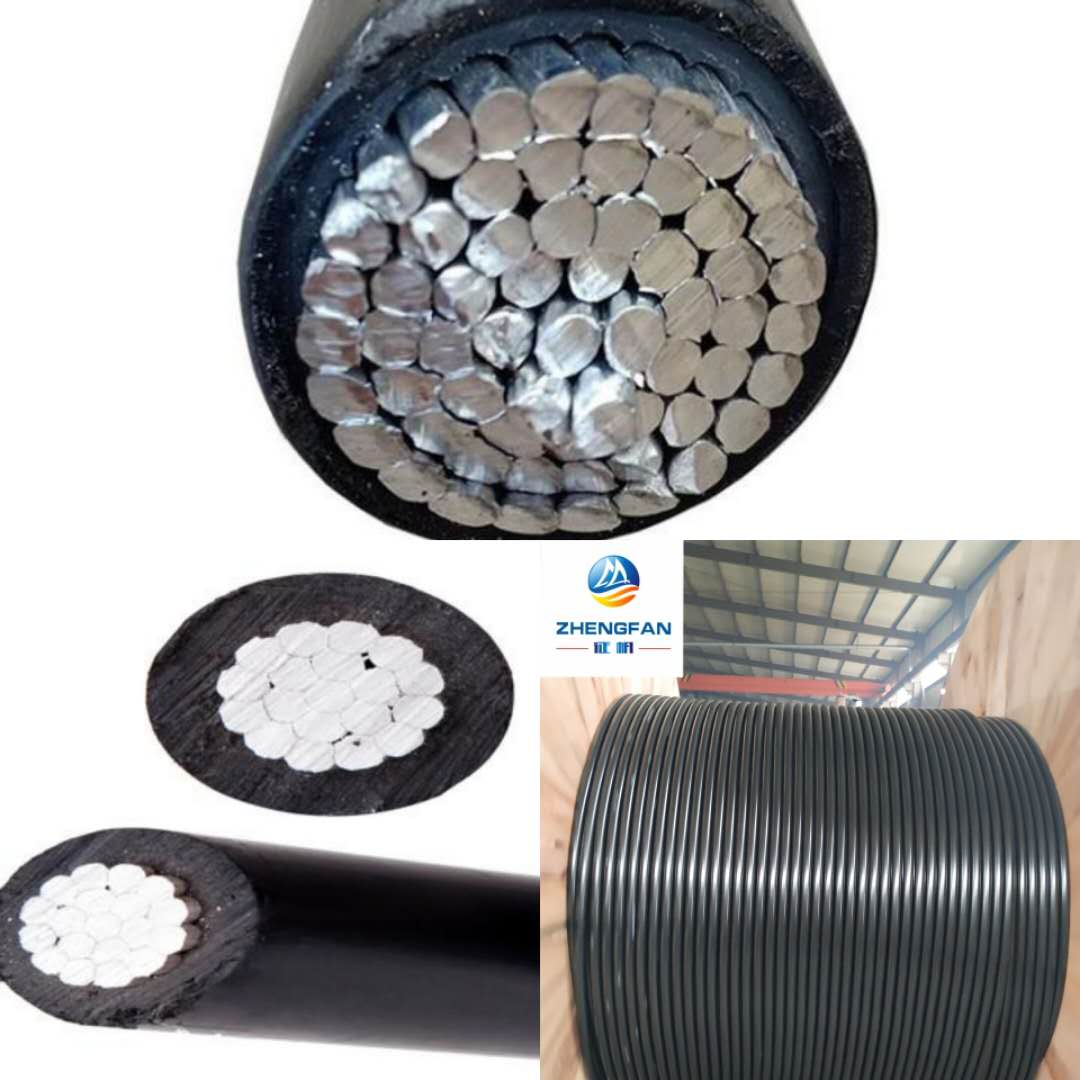
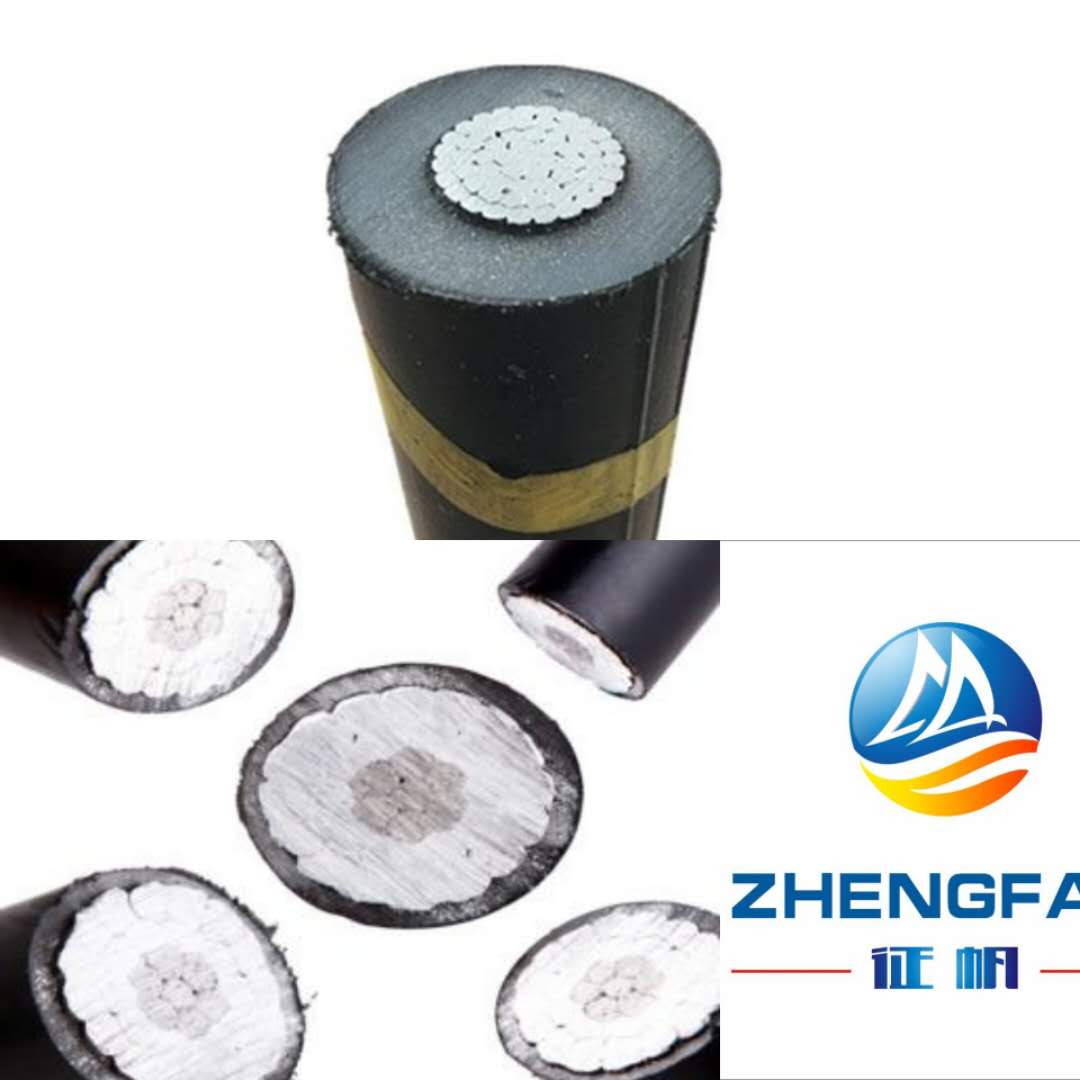
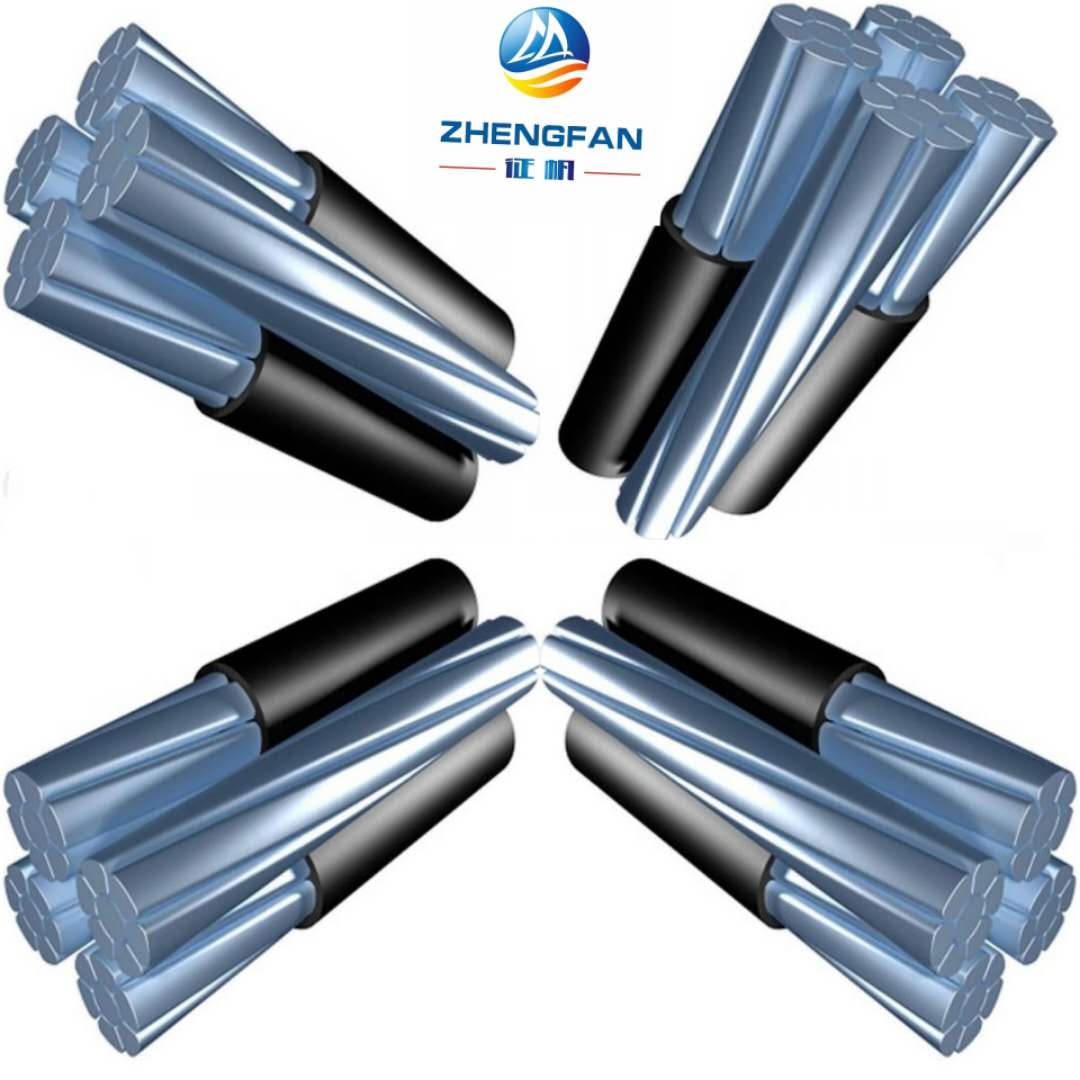

insulated wire
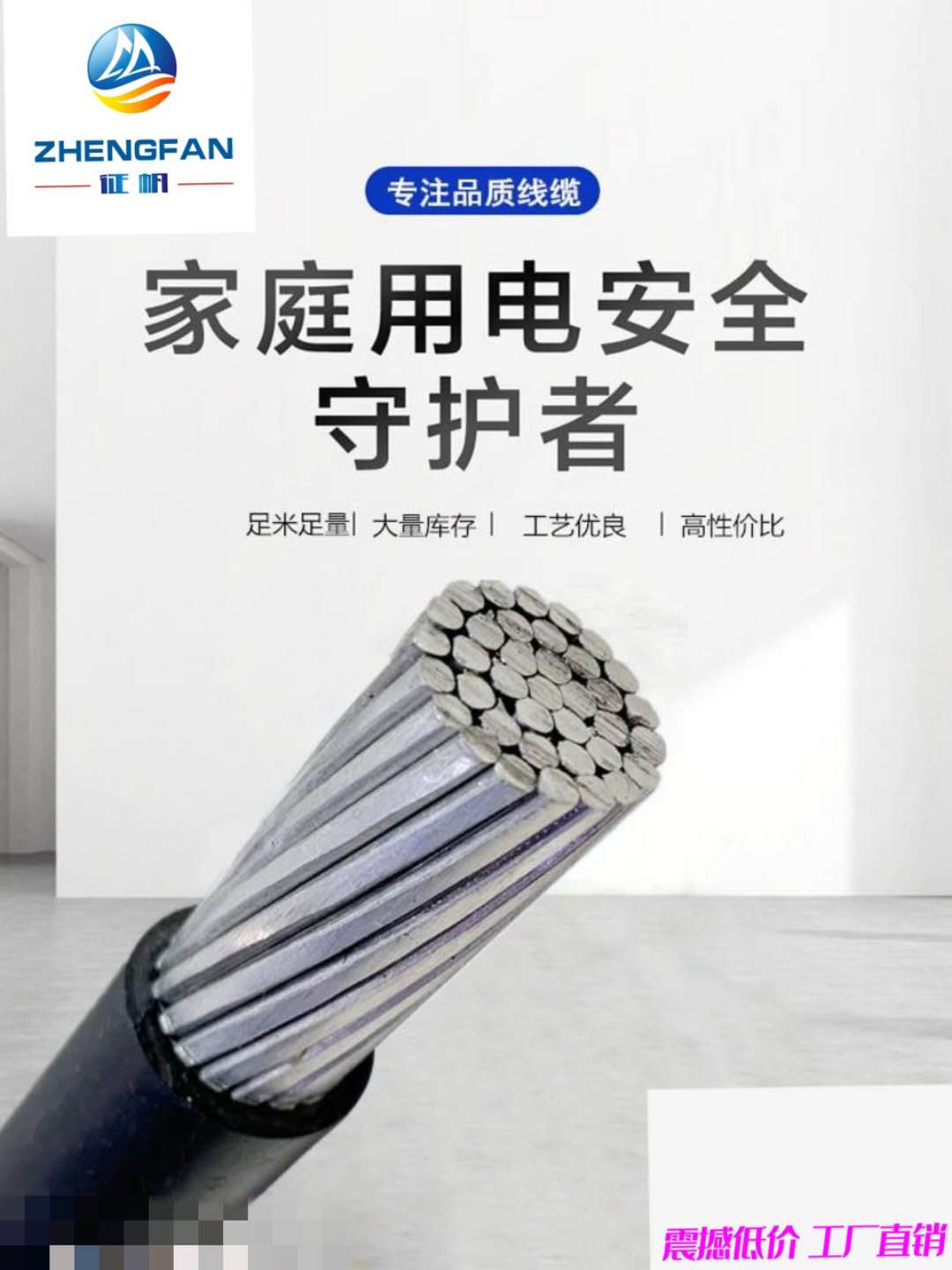
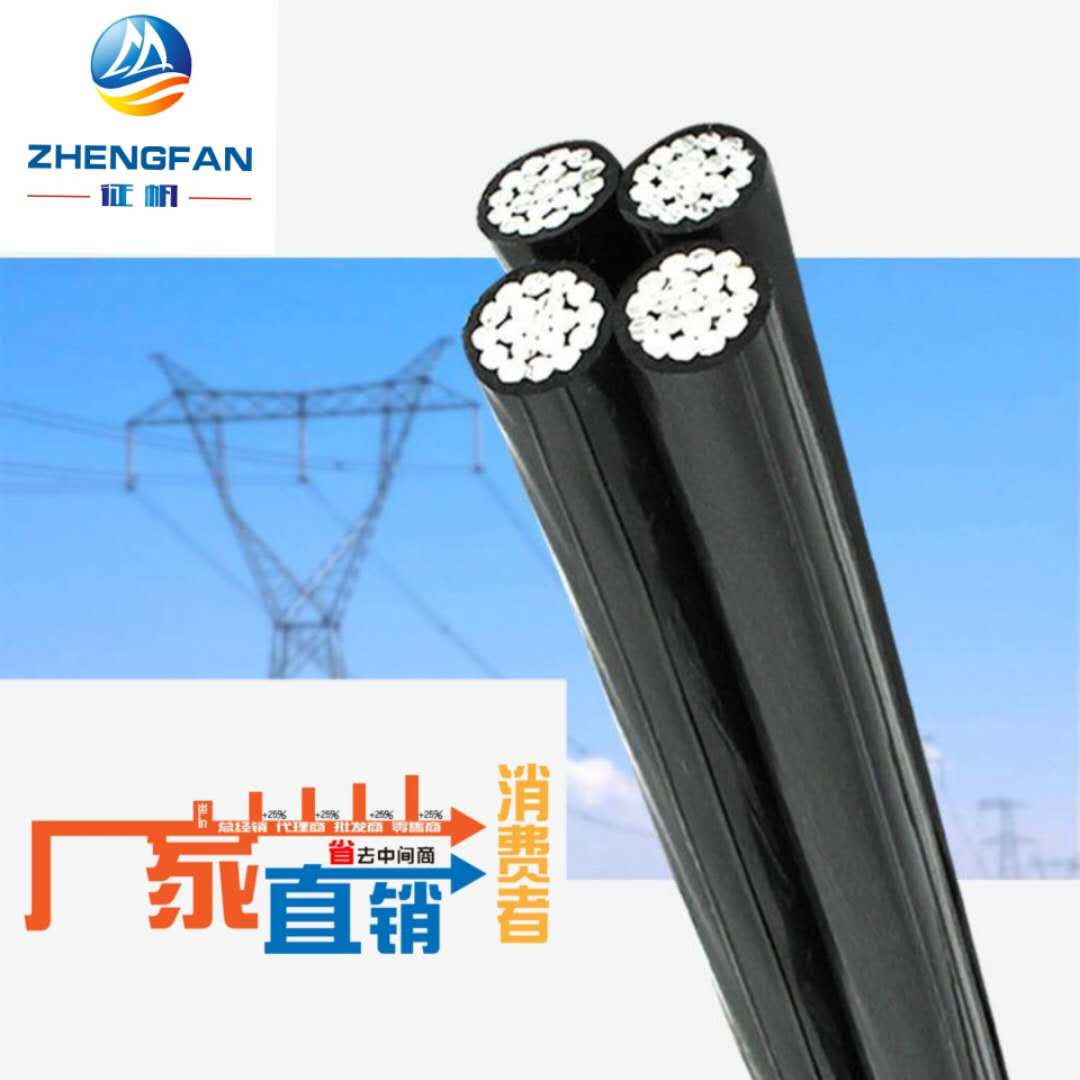
Insulated wire is a type of wire that is uniformly and tightly wrapped around a non-conductive material, such as resin, plastic, silicone rubber, PVC, etc., to form an insulation layer and prevent accidents such as leakage, short circuit, and electric shock caused by contact between the conductor and the outside world.
Insulated wires can reduce power outages caused by external accidents (such as conductive foreign objects such as wires, branches, people, and animals touching bare wires; cars, tractors, cranes colliding with power poles, line cables, etc.) resulting in wire collision short circuits or grounding or insulator failures, greatly improving power supply reliability; Significantly reduced personal accidents caused by accidental contact with live wires; Reduced the inter phase distance between wires and the horizontal distance to buildings during the installation of power lines, and minimized the safety factors caused by bare wires.
In view of the above advantages, as early as the early 1950s, France began to study overhead insulated conductors and replaced them with overhead bare conductors, thereby reducing the failure rate of overhead distribution lines from 10 times/100km of overhead bare conductors to 2.5 times/100km after insulation. Sweden, Finland, the United Kingdom, France, the United States, Japan and other countries have also widely used overhead distribution insulated conductors and achieved good economic and social benefits. China has been using insulated overhead distribution wires since the 1980s. And specialized standards for the design, construction, and acceptance of overhead insulated power lines have been published, such as the "Technical Specification for Design of Overhead Insulated Distribution Lines" (DL/T 601-1996) and the "Code for Construction and Acceptance of Overhead Insulated Distribution Lines" (DL/T 60-1996).
Overview of Insulated Conductors
1、 Places for selecting overhead insulated power lines
1. The distance between overhead lines and buildings cannot meet the requirements of the Technical Code for Design of Overhead Distribution Lines (SDJ 206-1, 1987) and cable lines cannot be used.
2. Floating metal dust and areas with high pollution. In the old industrial area, due to inadequate environmental protection standards, metal processing enterprises often have flying metal dust in the wind. Causing short circuits and grounding faults in overhead distribution lines in polluted areas of thermal power plants and chemical plants. The use of overhead insulated conductors is a better way to prevent short-circuit grounding of 10 kV distribution lines.
3. Salt spray areas. Salt spray causes severe corrosion to bare wires, greatly reducing their tensile strength. When exposed to wind and rain, it can lead to wire breakage, which can easily cause short-circuit grounding accidents. The use of overhead insulated wires can effectively prevent salt spray corrosion. Delay the aging of the line and extend its service life.
4. Areas with frequent lightning strikes. Due to the insulation protection layer, overhead insulated conductors can reduce line lightning strikes and minimize power outages caused by grounding faults.
5. Renovation of old urban areas. Due to the fact that overhead insulated conductors can withstand a voltage of 15kV, the small vertical distance between insulated conductors and buildings is 1m, and the horizontal distance is 0.75m. Therefore, replacing low-voltage main lines with 10kV overhead insulated conductors and directly sending them to the load center can reduce the occupied space of distribution lines.
6. Typhoon areas. Due to the poor typhoon resistance of overhead bare wire lines, the line trips one after another when a typhoon arrives. After using overhead insulated wires, the instantaneous collision of wires will not cause short circuits, reducing faults and greatly improving the typhoon resistance of the line.
7. Low voltage distribution systems should adopt overhead insulated distribution lines (or conventional overhead methods, or bundled lines, which not only meet the safety requirements of the environment but also achieve the goal of reducing power loss).
8. In addition, there are areas with high-rise building clusters; Densely populated small towns and bustling street areas; Scenic and green areas, forest belt areas.
2、 The main advantages of insulated wires
1. Good insulation performance. Due to the addition of an insulation layer, overhead insulated conductors have superior insulation performance compared to bare conductors, which can reduce the distance between lines, lower the insulation requirements for line supports, and increase the number of circuits installed on the same pole.
2. Good anti-corrosion performance. Due to the insulation layer on the outer layer, overhead insulated wires are less susceptible to oxidation and corrosion than bare wires, and have stronger corrosion resistance, which can extend the service life of the line.
3. Prevent external damage, reduce the influence of external factors such as trees, flying objects, metal films, and dust, and minimize phase to phase short circuits and grounding accidents.
4. The strength meets the requirements. Although the insulated wire lacks a steel core, it is tough and makes the mechanical strength of the entire wire meet the requirements of stress design.
3、 Classification of Insulated Conductors
1. Insulated wires can be divided into:
Medium voltage insulated wire: insulated wire with a voltage level of 1KV-10KV.
Low voltage insulated wire: insulated wire with a voltage level below 0.6-1KV.
2. Insulated wires can be divided into phase separated installation and bundled installation according to their installation methods
3. Insulated wires can generally be classified according to their structural types
Low voltage phase separated insulated wire
High voltage phase separated insulated wire
Low voltage bundled insulated wire
High voltage bundled semiconductor shielded insulated wire
High voltage bundled metal shielded (or fully shielded) insulated wires, etc.
4. Insulated wires are divided into insulation protection layers:
There are two types of insulation: thick insulation (3.4mm) and thin insulation (2.5mm). Thick insulation allows frequent contact with trees during operation, while thin insulation only allows short-term contact with trees.
Section 2: Insulation Materials for Wires
Insulated wire refers to the insulation material wrapped around the conductor with different thicknesses according to its withstand voltage requirements, playing a role in isolating the conductor from the outside world. After the insulated conductor is energized, it will generate heat. Therefore, ideal insulating materials should have good insulation and thermal conductivity, and should have good advantages in heat resistance, aging resistance, mechanical properties, etc.
The insulation materials used for insulated wires are generally weather resistant polyvinyl chloride, polyethylene, high-density polyethylene, cross-linked polyethylene, etc., which belong to black mixtures. These insulation materials have the following characteristics:
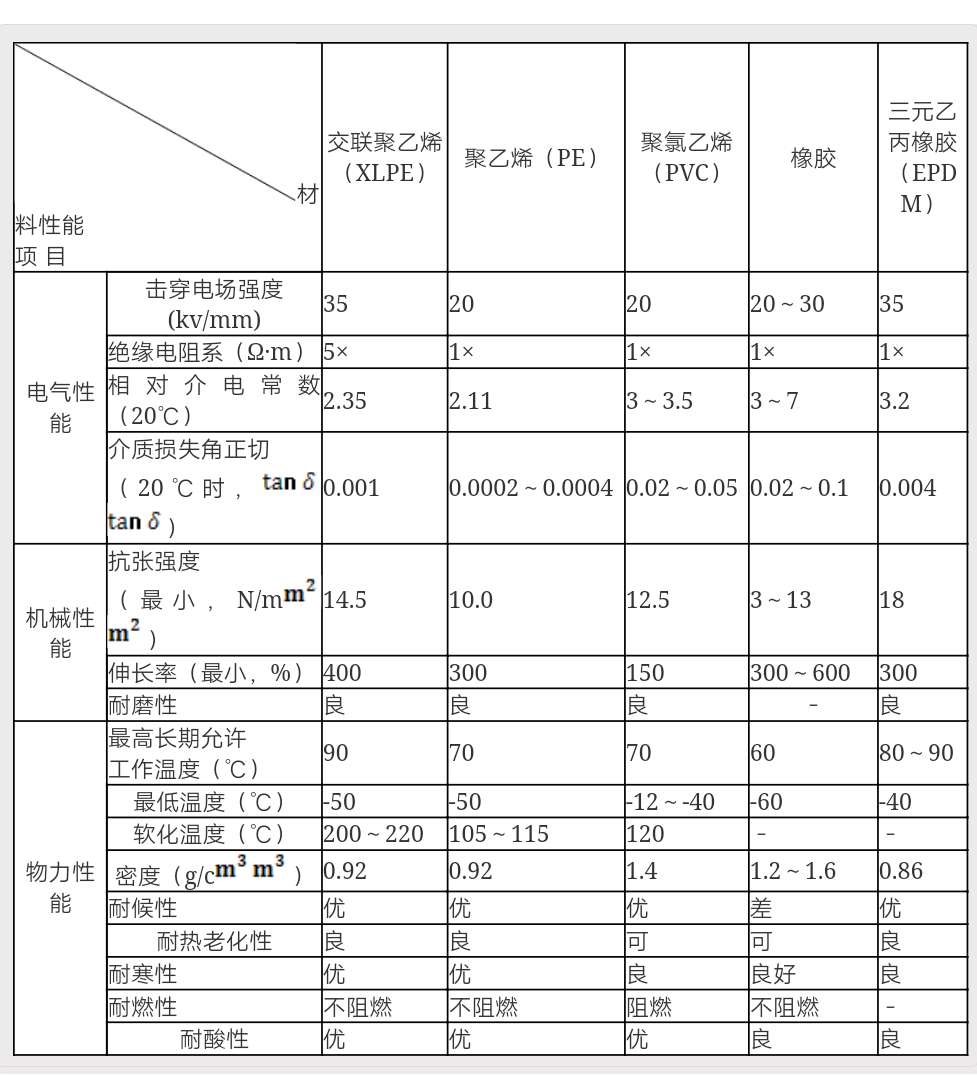
(1) Polyvinyl chloride insulation material (PVC): It has good electrical and mechanical properties, stable performance against acid and alkali organic chemical components, moisture resistance, flame retardancy, low cost, and easy processing. However, compared with other insulation materials, the insulation resistance is low and the heat resistance is relatively poor. The long-term allowable working temperature should not exceed 70 ° C. Therefore, polyvinyl chloride insulation materials are generally only suitable for the outer sheath of low-voltage insulated wires or bundled insulated wires.
(2) Polyethylene insulation material (PE): It has excellent electrical properties, good chemical stability, good solubility at room temperature, very stable performance against non oxidative acids and alkalis, and good resistance to moisture and cold. However, the softening temperature of polyvinyl chloride insulation material is relatively low, and its long-term allowable working temperature should not exceed 70 ° C. In addition, it has poor resistance to environmental stress cracking, oil resistance, and weather resistance, and is not flame retardant.
(3) High density polyethylene insulation material (HDPE): Its main electrical and mechanical properties are similar to cross-linked polyethylene materials, except for the long-term allowable temperature not exceeding 70 ° C and non flame retardant.
(4) Cross linked polyethylene insulation material (XLPE): It is formed by converting the linear molecular structure of polyethylene into a network structure through cross-linking. Its electrical performance is similar to that of polyethylene, with good heat resistance and a long-term allowable working temperature of 90 ° C. It has strong overload resistance and can avoid environmental stress cracking. Its mechanical and physical properties are better than PVC (polyvinyl chloride) and PE (polyethylene) insulation materials.
The cross-linking methods of cross-linked polyethylene include chemical cross-linking, radiation cross-linking, silane cross-linking (also known as warm water cross-linking), etc
Chemical cross-linking: It is currently widely used in the production process of high-voltage cables in China. This process method is relatively mature both internationally and domestically, and the production process and testing equipment are relatively sound, resulting in stable quality. However, due to the high temperature during the extrusion of insulation materials, it has a certain impact on the tensile strength of hard wires.
Radiation crosslinking: The quality control of its process mainly depends on the dosage and uniformity of irradiation, which can be verified through thermal extension testing. If the process control of irradiation crosslinking is not good, the insulation layer is prone to cracking. This should be a key point of inspection during product acceptance,
Silane crosslinking: The production process is relatively simple and the production cost is also relatively low. This process is widely used in the production of low-voltage insulated wires.
In China, due to the popularization of cross-linked polyethylene production lines and processes, a large number of low-voltage insulated wires and low-voltage service lines also use cross-linked polyethylene insulated wires. In the Beijing area, all cross-linked polyethylene insulated wires are being tested.
The main properties and characteristics of insulation materials for overhead distribution line conductors are detailed in Table 4-1
Table 4-1 Main Insulation Materials for Overhead Distribution Line Conductors
Manufacturer of A steel core aluminum stranded wire OPGW optical cable:
The long-term allowable working temperature for high-density polyethylene is 75 ℃.
The material and structural characteristic code used for overhead insulated distribution line conductors is: "JK" represents overhead use (copper conductor code omitted); TR "stands for soft copper conductor; L "represents aluminum conductor; "Represents aluminum alloy conductor;" "V" represents polyvinyl chloride insulation; Y "represents polyethylene insulation; GY "stands for high-density polyethylene insulation; YJ "stands for cross-linked polyethylene insulation; '/B' represents natural insulation; '/Q' represents a lightweight insulation structure (saved by ordinary insulation structures); A "indicates that the load-bearing bundle is made of steel strands. For example, if aluminum core, cross-linked polyethylene insulation (natural color), rated voltage of 10kV, single core, lightweight thin insulation, and nominal cross-section of 120, it can be expressed as JKLYJ/Q-10-1 × 120.
Section 3: Insulated Conductors
The insulated conductors of overhead distribution lines can be divided into medium voltage insulated conductors and low voltage insulated conductors according to voltage levels; According to the installation method, it can be divided into phased installation and bundled installation.
1、 Phase separated insulated wire
The phase separated insulated conductor is installed on the overhead distribution line using a single core insulated conductor phase division frame. Its installation method is basically the same as that of bare wires. The structure of low-voltage phase separated insulated wire is to directly extrude insulation layer on the core; The high-voltage phase separated insulated wire structure involves extruding a layer of semiconductor shielding layer on the wire core, and then extruding another layer of insulation layer outside the semiconductor shielding layer. The actual production process involves co extruding two layers of semiconductor shielding layer and insulation layer simultaneously. The structure of phase separated insulated wires.
Refer to Figure 4-1.
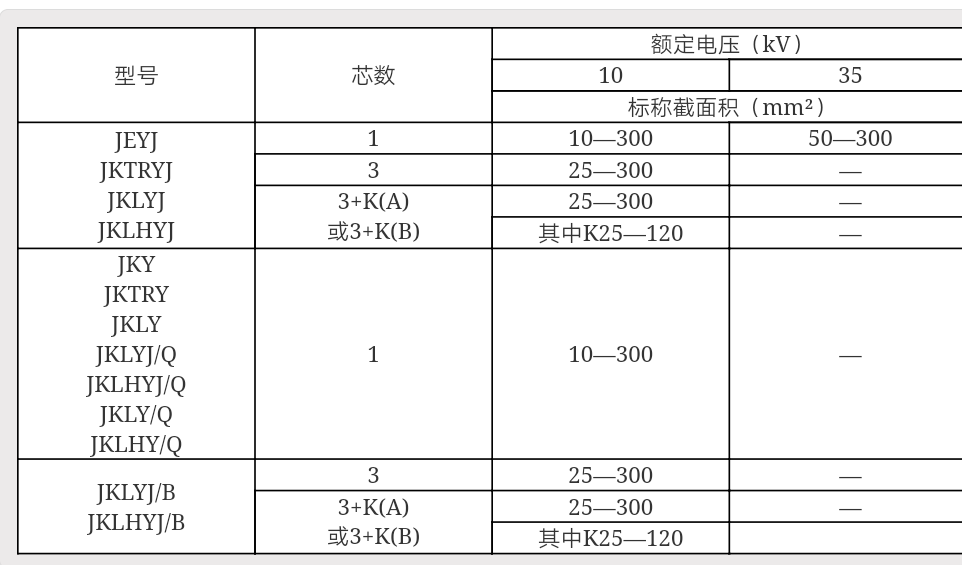
Figure 4-1 Structure diagram of phase separated insulated conductor
(a) Low voltage phase separated insulated wire; (b) High voltage phase separated insulated wire
1- Insulation layer; 2- Conductor; 3- Shielding layer;
The core of phase separated insulated wire is generally made of round hard copper wire (TY), round hard aluminum wire (LY8 or LY9) or round aluminum alloy wire (LHA or LHB) that has been tightly pressed.
Technical parameters and allowable current carrying capacity values of low-voltage and high-voltage insulated wires


Introduction to Dazheng Electric Wire Co., Ltd
Our company is located in Dazheng Industrial Park, Renqiu City, Hebei Province, China Located near the North China Pearl Baiyangdian Scenic Area and National Highway 106; The Beijing Kowloon Railway and Jinbao Road run through the city, 156 kilometers north of Beijing and 120 kilometers east of Tianjin, with a superior geographical location and convenient transportation. Zhang Dandan, the sales general manager of the company, looks forward to working with you
The company has strong strength, advanced production equipment and exquisite technical processes Complete testing equipment and sophisticated testing methods Modern scientific management methods and rigorous quality assurance systems The company's products are widely used in electricity Wind power Photovoltaic Mines Oil Various fields such as railway construction Has been rated as a province for several consecutive years Key contract credit enterprise in the city Unit quality trusted by consumers, serving as a national industry quality demonstration enterprise for integrity demonstration units: The product has been rated as a township enterprise product in Hebei Province and a trustworthy product for enterprise quality in Hebei Province.
The company covers an area of 76000 square meters, with a building area of 38000 square meters, fixed assets of 20 million yuan, and working capital of 40 million yuan. We have over 200 employees, including 50 engineering and technical personnel and 15 senior technical management personnel.

AfterSalesService :
Key words:- Overhead insulated conductor
More Products