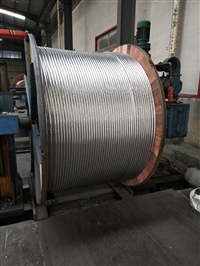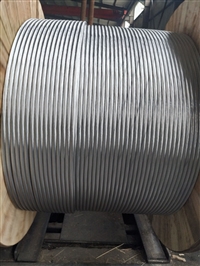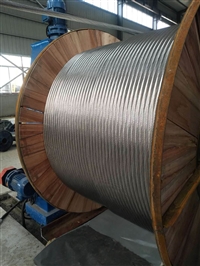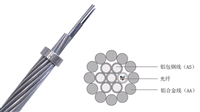
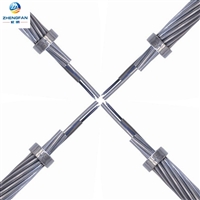


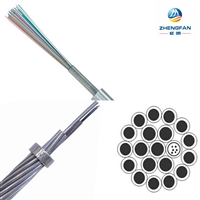
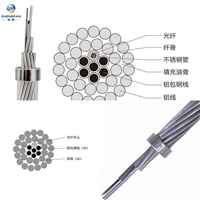
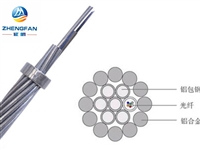
Zhengfan National Standard OPGW Fiber Optic Cable Manufacturer
Category:
Electrical Engineering/Wire and cable/Fiber optic cable
Model:
12 cores, 16 cores, 24 cores, 36 cores, and 48 cores
Brand:
Dazheng Electric Wire Co., Ltd
Retail Price
5.96USD
重量
kg
- Product Description
-
Description :

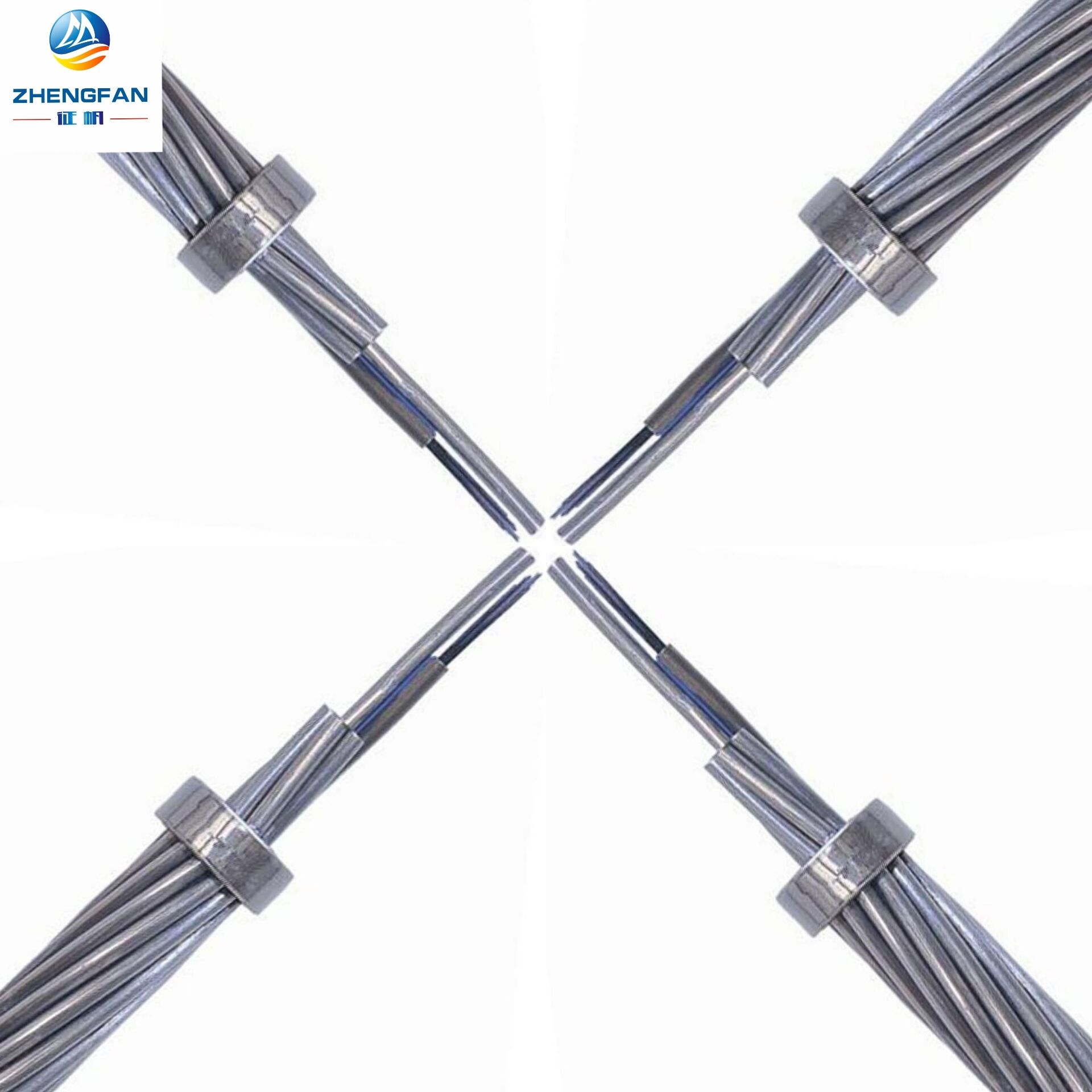
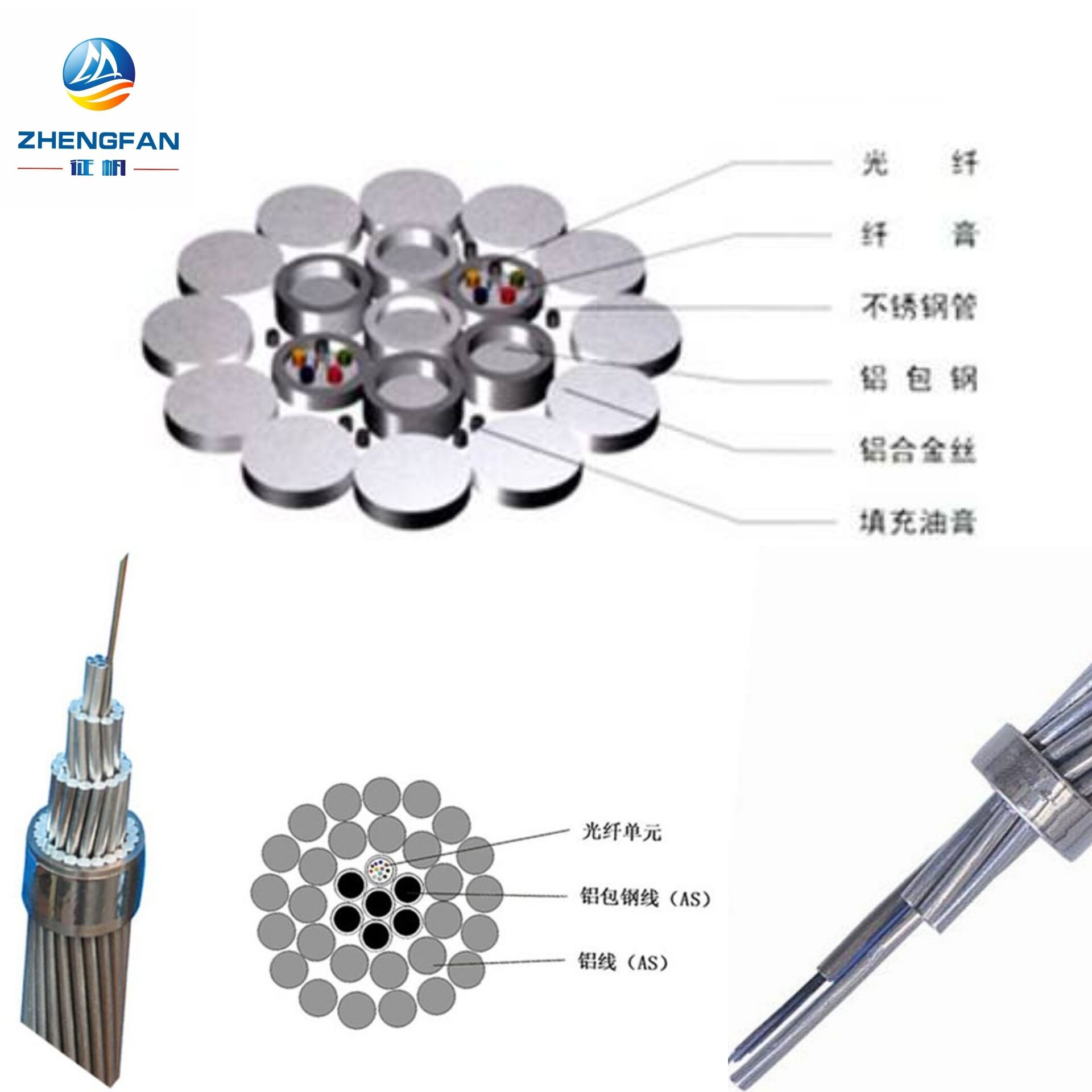

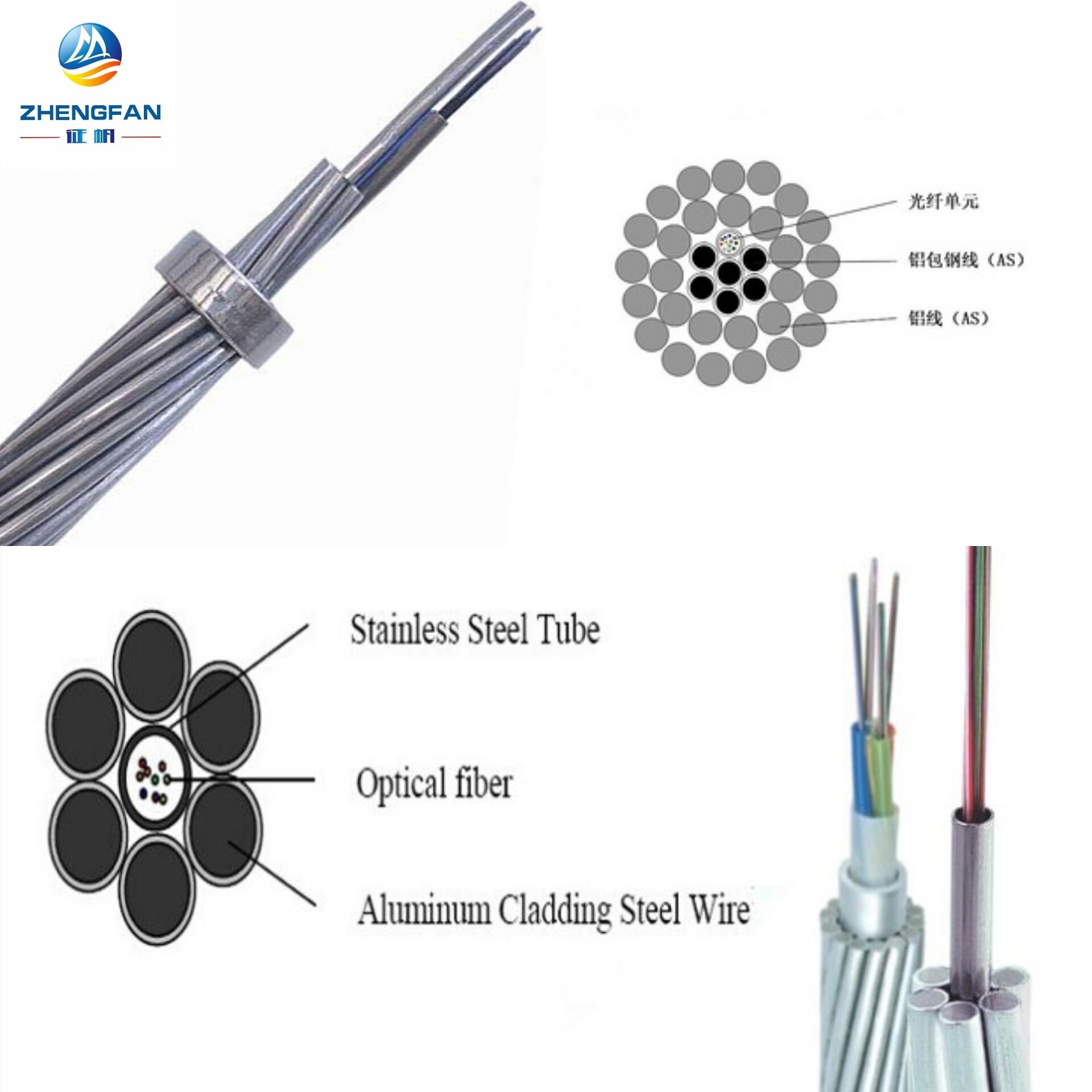


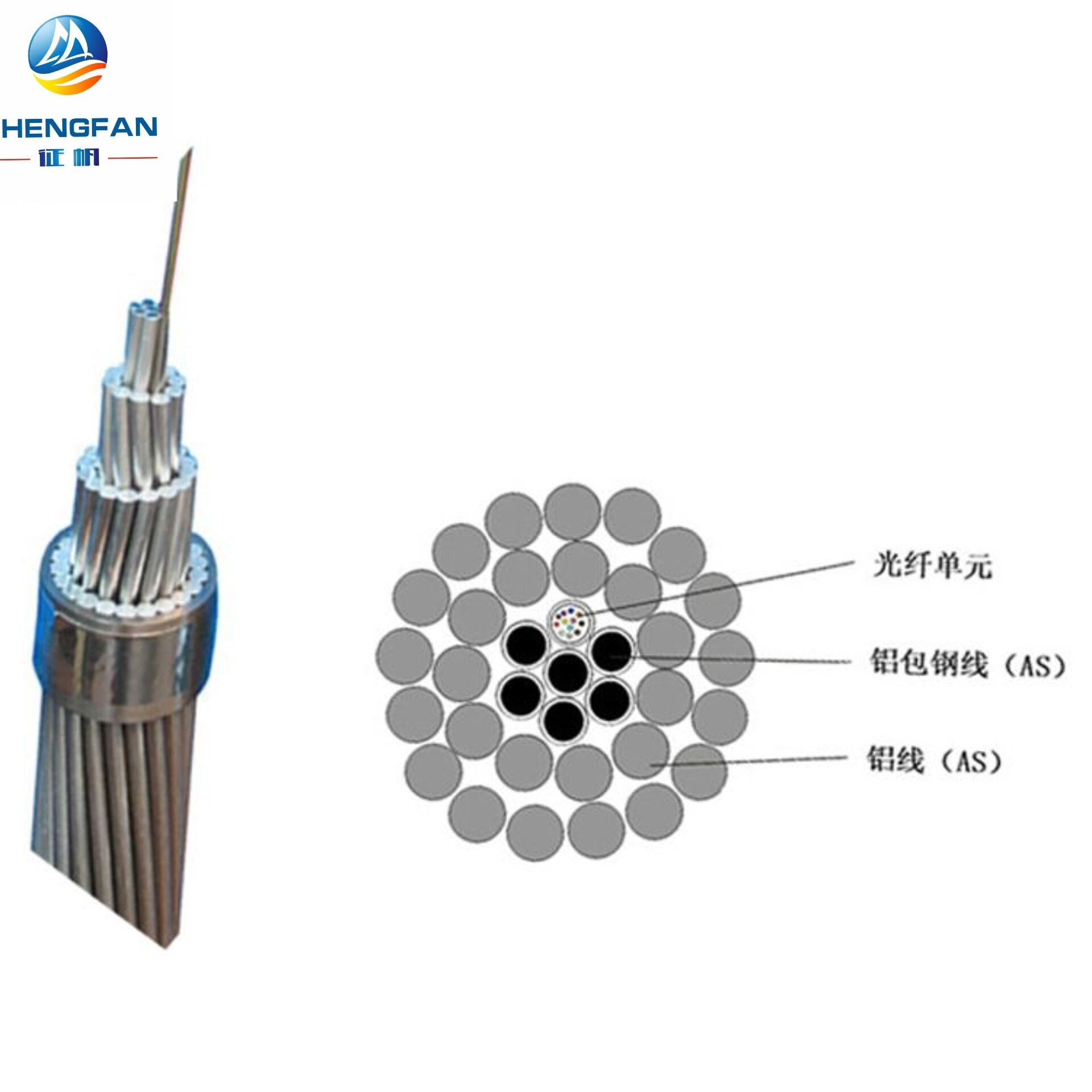
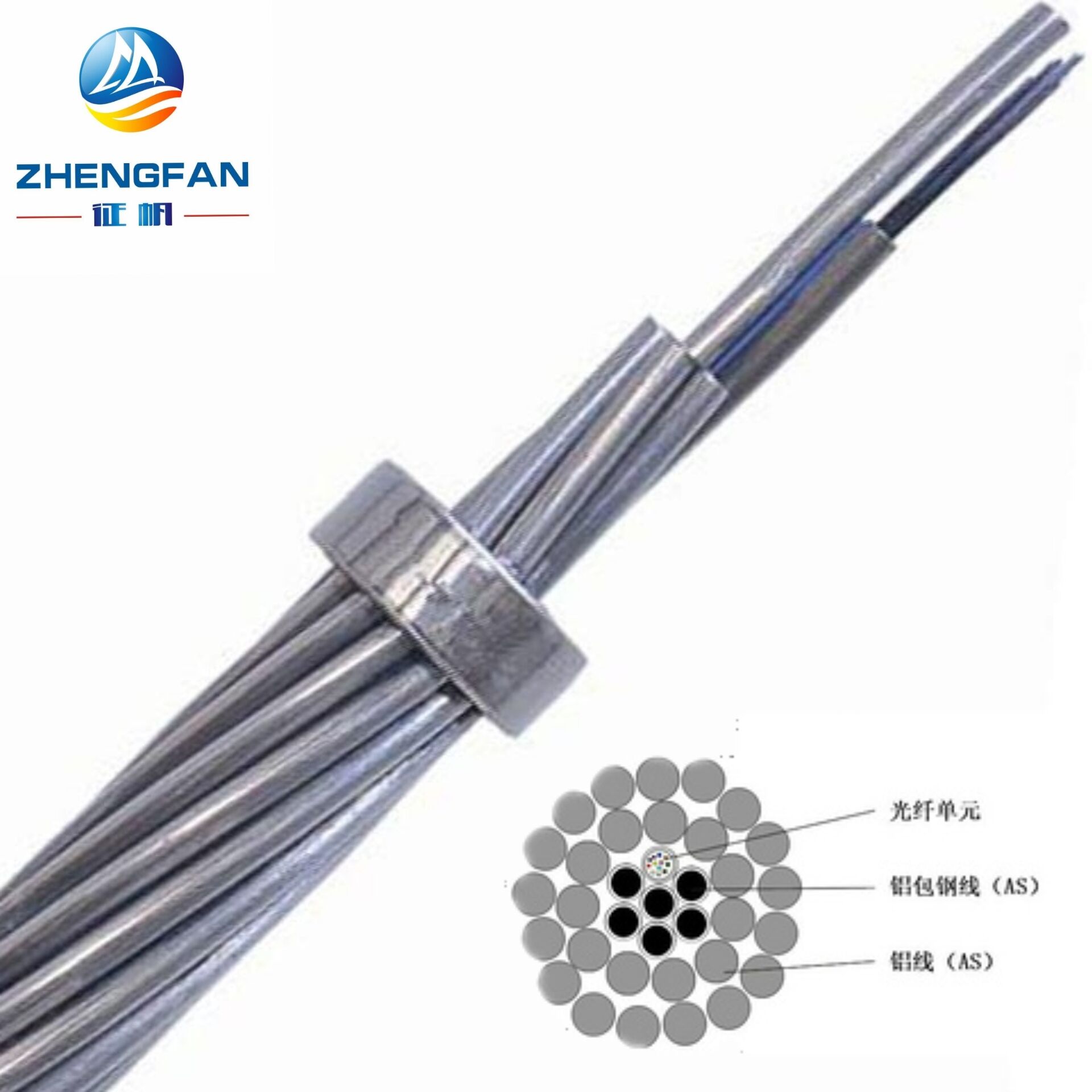
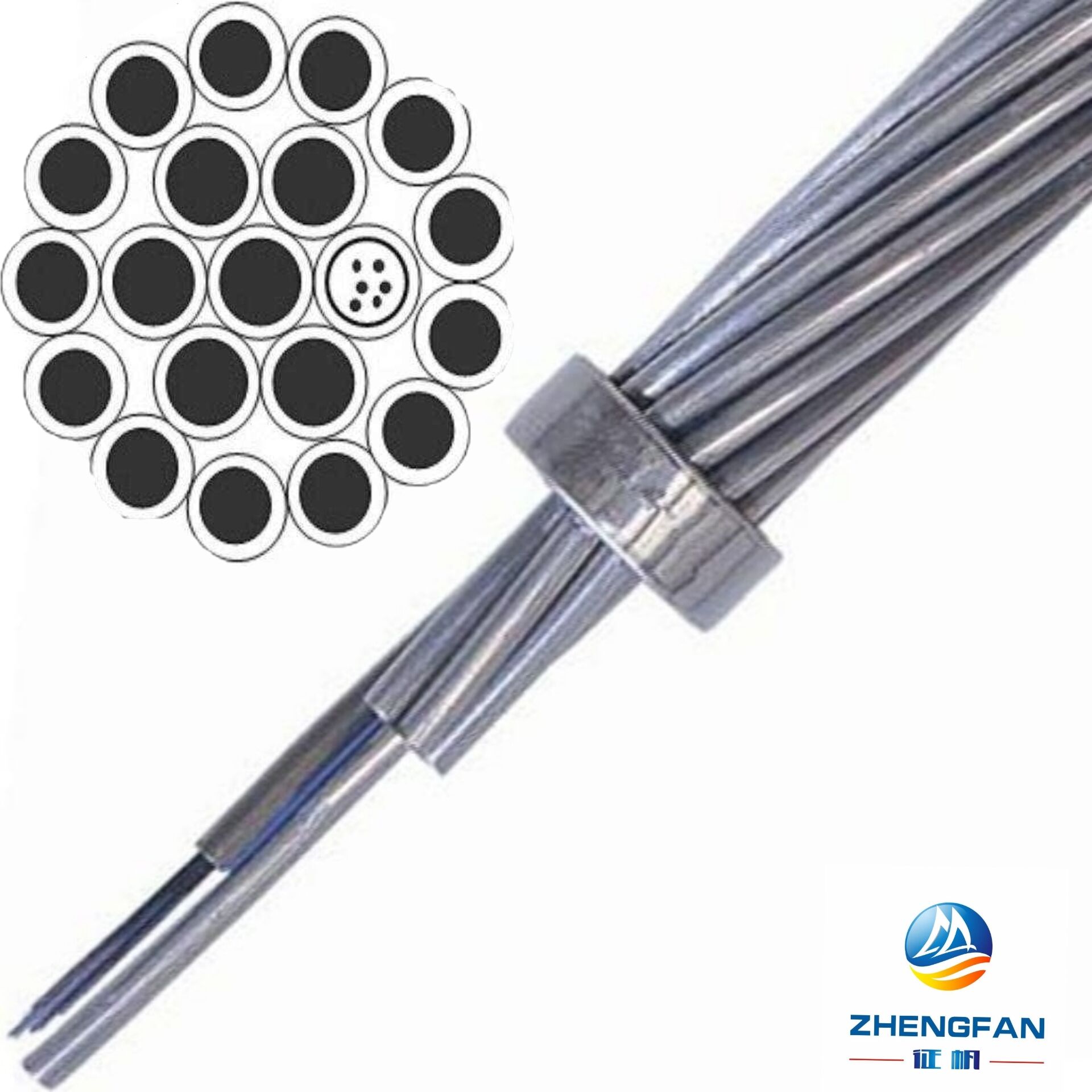
1. Characteristics of OPGW optical cable
The optical cable armor layer has excellent mechanical strength characteristics, therefore, the protection that optical fibers can receive from wear, tensile stress, and lateral pressure fundamentally ensures that optical fibers are not damaged by external forces. The armor layer of the optical cable has excellent resistance to lightning discharge and short-circuit current overload, so the optical fiber can still operate normally under lightning and short-circuit current overload conditions. OPGW optical cable can be directly installed as an overhead ground wire on the ground wire hanging point of any span of power tower.
The specially designed OPGW optical cable can directly replace the overhead ground wire of the original high-voltage line without replacing the original tower head; Synchronize the construction of optical cable communication system with high-voltage lines, which can save the construction cost of optical cables and reduce the cost of communication engineering; The cable diameter is small, the weight is light, and it will not bring significant additional load to the iron tower; Operating temperature -40 to+70 ℃.
2. Issues to be noted when choosing to use OPGW optical cable
2.1 Reasonable selection of fiber optic outer sheath. There are three types of fiber optic outer sheath pipes: plastic pipes made of organic synthetic materials, aluminum pipes, and steel pipes. Plastic pipes have low cost. To meet the protection requirements of plastic pipe sleeves against ultraviolet radiation, it is necessary to use fewer layers of armor. The plastic pipe OPGW has a short-term temperature rise capacity of less than 180 ℃ caused by short-circuit current; Aluminum tubes have a lower cost. Due to the low impedance of aluminum, it can increase the ability of OPGW armor layer to withstand short-circuit current. The ability of aluminum tube OPGW to withstand short-term temperature rise caused by short-circuit current is less than 300 ℃; Stainless steel pipes are expensive. However, due to the thin wall of steel pipes, the number of optical fiber cores installed in stainless steel pipes under the same cross-sectional conditions is higher than that in plastic pipes and aluminum pipes. Therefore, the unit cost of optical fiber cores is not high under multi-core conditions. The ability of steel pipe OPGW to withstand short-term temperature rise can reach 450 ℃. Users can choose the optical fiber outer sheath reasonably according to the specific situation of the project.
When replacing the old line ground wire with OPGW optical cable, it is necessary to choose an OPGW with mechanical and electrical characteristics equivalent to the original overhead ground wire. The outer diameter, unit length weight, ultimate tensile strength, elastic modulus, coefficient of linear expansion, short-circuit current and other parameters of OPGW are close to the existing ground wire parameters. This not only avoids changing the existing tower head and reduces the amount of renovation work, but also ensures the safe distance between OPGW and the existing phase conductor, ensuring the safe operation of the power system.
2.3 The installation and construction of OPGW optical cable is similar to the installation of ADSS optical cable, and the hardware used is almost the same, except for the different hanging points. The OPGW optical cable needs to be installed at the position of the overhead ground wire. The intermediate joint position of the optical cable line must be placed on the tension tower through a distribution plate.
In the selection and application of the above optical cables, it is also important to pay attention to the following point: choose loose structure optical cables instead of tight structure optical cables. Because optical fibers can have a certain amount of excess length inside the loose tube, the control range is between 0.0% and 1.0%, with a typical value of 0.5% to 0.7%. When the optical cable is stretched during construction or under the action of gravity and wind, as long as the stretching length of the optical cable is within the remaining length range, the optical fiber has strain capacity and does not bear tension, thereby ensuring that the transmission quality of the optical fiber is not affected by external forces.
3. OPGW construction method
Although there is no significant difference in construction methods and requirements between OPGW and ground wire, OPGW also carries the entire length of optical fiber, so there are special requirements for crimping, bending, and installation. At present, the most commonly used construction method both domestically and internationally is the tension pay off method.
New Line: Utilize the preparation devices for installing wires and ground wires, such as tension traction equipment, crossing frames, traction ropes, guide pulleys, etc., to achieve the efficiency of resource utilization. The traditional installation method is to use the force of the main traction and auxiliary traction of the tension machine and traction machine. Under the monitoring and guidance of the control system, the OPGW is smoothly laid out and installed on each tower at a relatively stable speed of 10-20 m/s. The installation technician first tightens the tension section and observes the scale in the observation gear. After verifying the data of the sag tension gauge, install the tension clamp and then install the suspension clamp. After the continuity test, the installation work of OPGW has come to an end. It is worth noting that when tightening the cable, especially in cases with large height differences, in order to protect the cable from colliding with the pulley when it rises, it is necessary to tighten it with a cable.
4. OPGW fiber optic cable splicing
Fiber optic cable splicing is an important process in OPGW fiber optic cable construction, and its quality will directly affect the transmission quality of the line. In the OPGW failures that have occurred, the occurrence rate of joint failures is very high. The occurrence of faults depends not only on the way and quality of the cable connection sheath, but also on the enhanced protection method and material quality of the internal fiber optic joint. It is also related to the cable splicing process and the sense of responsibility of the splicer. The splicing method of OPGW optical cable is basically the same as that of ordinary optical cable, but there are also differences and stricter requirements. Quality requirements for splicing materials: OPGW optical cables are installed on the same pole as high-voltage lines, and because the cables themselves use corrosion-resistant materials, their splicing sheaths must also be certified products. In addition to good waterproof and moisture-proof properties and certain mechanical properties, they also need to have certain resistance to electrical corrosion. The lifespan of the junction box should be greater than the service life of the OPGW.
Installation requirements: To prevent human damage, the fiber optic cable splice box must be installed at a height of at least 6 meters above the ground. Due to the special nature of OPGW fiber optic cables, a large amount of surplus cables need to be reserved. The surplus cables and splice boxes should be selected in places that are easy to lay, such as the horizontal grid of the iron tower. The joint box should have the function of non drilling installation and fastening on the tower, and the fixing must be beautiful and reliable.
Connection loss requirement: The connection loss of fiber optic connectors should be lower than the internal control index, and testing should be carried out while splicing as much as possible to ensure that the connection loss of each fiber optic channel meets the design requirements. To effectively control the splicing quality of optical cable joints, the splicing attenuation indicated by the fusion splicer can only be used as a reference value. Optical time domain reflectometry (OTDR) should be used to monitor from two directions, and the joint attenuation should be taken as the average value.
The selection principles of OPGW are generally considered and verified from the following aspects:
5.1 It is necessary to meet the requirements of meteorological conditions, its own tensile strength, and the allowable design load of the iron tower.
The main technical data to be considered in the design of OPGW are: fiber type, number of fiber cores, cable diameter, cable cross-sectional area, cable unit mass, ultimate tensile strength, short-circuit current, DC resistance, elastic modulus, thermal expansion coefficient, annual average operating stress, small bending diameter, reel length, etc.
5.3 Under the conditions of an ambient temperature of+15 ℃, no ice, no wind, and consistent sag with another ground wire, OPGW optical cable can be selected.
5.4 Determination of allowable short-circuit current for OPGW. First, determine the equivalent time of the short-circuit current. Generally, for a 220kV line with a high short-circuit current, the equivalent time of the fault current can be considered as 0.3 seconds. Calculate the total short-circuit current of the line entering the ground based on the short-circuit current provided by the system, and calculate the short-circuit current distribution between the OPGW and another ground wire. Verify the short-circuit thermal stability values of the OPGW and the other ground wire at the outlet of the substation. When a single short circuit occurs on the power line, a brief high current appears on the overhead ground wire, and the heat generated by the current increases the temperature of the optical cable and shunt line. Due to the short duration of the current, heat will not dissipate into the surrounding environment, resulting in an increase in wire temperature. When the temperature of the wire exceeds its allowable temperature, it will seriously affect safe operation. So meeting the thermal stability requirements is an important condition for determining OPGW and splitter lines. For OPGW, the allowable short-circuit current and allowable temperature provided by the manufacturer are generally used, and we only calibrate them. OPGW can be selected in sections according to the short-circuit current situation at each point of the line.
5.5 OPGW should have a good level of lightning resistance. When lightning strikes OPGW, communication quality should not be affected, and metal parts should not be broken.
6. Selection of another ground wire that matches the OPGW
Simply increasing the OPGW cross-section to meet the requirements of short-circuit current is not only uneconomical, but also highly incompatible and mismatched with another ground wire. The solution is to use a good conductor ground wire with good conductivity for the other ground wire. Due to its low resistance and self impedance, more current is distributed to this ground wire, reducing the current passing through the OPGW and playing a good role in diversion. Although the resistance of the shunt line can be reduced very low, its inductance decreases slowly, so the function of the shunt line is somewhat limited. Like OPGW, shunt lines can be selected in sections according to the short-circuit current situation at each point of the line. It should be noted that in areas where the shunt line model is changed, due to the thinner shunt line, more current is allocated to the OPGW, resulting in a sudden increase in OPGW current. Therefore, the selection of shunt lines needs to be repeatedly calculated.
7. Several key issues
7.1 Partition and reserved length
Due to the attenuation of fiber optic signals after passing through each joint, OPGW is generally produced with a fixed length in practical engineering design, and cannot be spliced in the middle. The joint must be connected with a specialized splice box. Therefore, the segmentation of OPGW should be comprehensively considered based on factors such as the path conditions of the main line, construction site, tower type, and manufacturing and transportation conditions.
When designing, the number, model, and length of fiber optic cable reels should be indicated in the OPGW construction schedule. The length of each fiber optic cable needs to consider the impact of cable sag, as well as the reserved length for splice boxes and entry points. Generally, for poles with splice boxes, an increase of 60m is considered, while for those entering the substation, a reserved length of 150m is considered.
During the maintenance process of OPGW, it is necessary to extend the optical cable when reconnecting and moving locally. Therefore, appropriate reserved lengths should be made in the OPGW design length at the joint, complex sections, and important crossings.
7.2 Mechanical Calculation
According to the actual meteorological conditions of the project, OPGW optical cables must meet the requirements of electrical and mechanical usage conditions: ① The design safety factor of OPGW is greater than that of the conductor; ② The distance between the central conductor and OPGW in the span meets the requirement of S ≥ 0.012L+1 in the regulations under 15 ℃ temperature and windless conditions; ③ Consider keeping the sag of the other ground wire at the same level as possible under the above conditions. Based on the above requirements, calculate the characteristic curve and installation curve of OPGW optical cable [2,3].
7.3 Initial elongation treatment
After being subjected to tension, OPGW optical cables will undergo plastic elongation, which will cause an increase in sag within the cable and reduce the safe distance between OPGW optical cables and conductors. Therefore, compensation must be considered during the construction process.
The influence of plastic elongation of OPGW optical cable on sag can refer to the data provided in Article 7.0.6 of the Technical Code for Design of 110-500kV Overhead Transmission Lines, and cooling compensation treatment should be carried out according to the manufacturer's requirements.
7.4 Anti vibration
Breeze vibration is a common eddy current backflow phenomenon that occurs in overhead conductors, ground wires, and overhead optical cables. The mechanical principle of aeolian vibration is that stable layered winds occur when passing through cylindrical objects such as optical cables. When the wind blows on a cylindrical object, the layered and staggered vortices behind it create a certain pressure difference, which causes the cylindrical object to have a tendency to move in the direction perpendicular to the direction of wind blowing. If the frequency of the eddy current is consistent with the natural frequency of the optical cable, the wire will experience slight wind vibration. This kind of gentle wind vibration poses a fatigue hazard to optical cables.
The commonly used OPGW isolators include anti vibration hammers, anti vibration whips, damping line anti vibration balls, and anti vibration rings. Based on existing data, the main anti vibration devices used for optical cables both domestically and internationally are anti vibration hammers and anti vibration whips. Anti vibration hammer is a frequency adjustable shock absorber that has a very effective anti vibration effect on large-diameter cables. Its principle is to dynamically absorb energy. Anti vibration whip is a commonly used shock absorber, which is very effective in reducing high-frequency vibrations of small diameter cable lines. The anti vibration whip dissipates vibration energy by colliding with cables, thereby achieving the effect of reducing wind induced vibrations in the transmission line. At present, both anti vibration hammers and anti vibration whips are used on OPGW optical cables.
7.5 Hardware and Accessories
The main supporting fittings of OPGW include suspension clamps, tension clamps, dedicated grounding wires, anti vibration hammers, down conductor clamps, clamps, splice boxes, thermoplastic sleeves, etc., which are generally provided by optical cable manufacturers or suppliers. In order to ensure the reliable hanging of OPGW optical cables on the tower, corresponding hardware assembly strings are generally designed based on the actual situation of the tower hanging holes.
7.6 Grounding
The grounding of OPGW is a small but very important part, and many designers often overlook this issue. OPGW is reliably grounded on each tower through dedicated grounding wires. The hardware string is connected to a dedicated grounding wire through a parallel groove clamp, and the other end of the grounding wire is fixed to the reserved hole on the tower grounding frame with bolts. Generally, one grounding wire is provided for suspension fittings, and two grounding wires are provided for tension resistant straight through and disconnected connections.



Introduction to Dazheng Electric Wire Co., Ltd
Our company is located in Dazheng Industrial Park, Renqiu City, Hebei Province, China Located near the North China Pearl Baiyangdian Scenic Area and National Highway 106; The Beijing Kowloon Railway and Jinbao Road run through the city, 156 kilometers north of Beijing and 120 kilometers east of Tianjin, with a superior geographical location and convenient transportation. Zhang Dandan, the sales general manager of the company, looks forward to working with you
The company has strong strength, advanced production equipment and exquisite technical processes Complete testing equipment and sophisticated testing methods Modern scientific management methods and rigorous quality assurance systems The company's products are widely used in electricity Wind power Photovoltaic Mines Oil Various fields such as railway construction Has been rated as a province for several consecutive years Key contract credit enterprise in the city Unit quality trusted by consumers, serving as a national industry quality demonstration enterprise for integrity demonstration units: The product has been rated as a township enterprise product in Hebei Province and a trustworthy product for enterprise quality in Hebei Province.
The company covers an area of 76000 square meters, with a building area of 38000 square meters, fixed assets of 20 million yuan, and working capital of 40 million yuan. We have over 200 employees, including 50 engineering and technical personnel and 15 senior technical management personnel.
AfterSalesService :
Key words:- Zhengfan National Standard OPGW Fiber Optic Cable Manufacturer
More Products