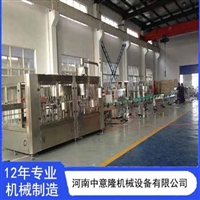
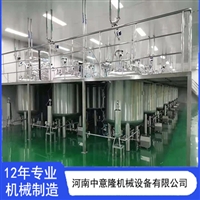
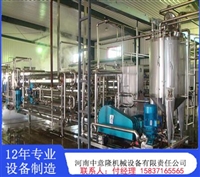
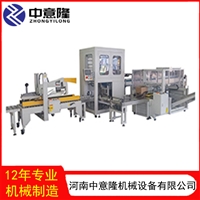
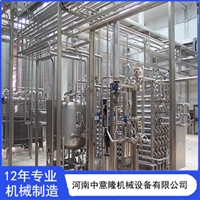
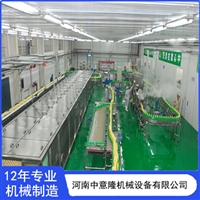
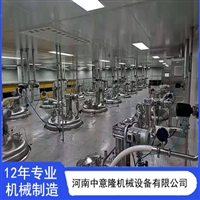
Persimmon vinegar production line, beverage production equipment, Henan Zhongyilong, can be used with confidence
Category:
mechanical equipment/Beverage processing machinery/Fruit and vegetable juice beverage production line
Model:
ZYL006
Brand:
Zhongyi Long
brand:
Zhongyi Long
model:
ZYL006
Item Number:
one hundred and one
type:
Beverage equipment
Processing & Customization:
yes
Product Specifications:
three thousand seven hundred and fifty
color:
white
Place of Origin:
Henan
Retail Price
250,000.00USD
重量
kg
- Product Description
-
brand Zhongyi Long
model ZYL006
Item Number one hundred and one
type Beverage equipment
Processing & Customization yes
Product Specifications three thousand seven hundred and fifty
color white
Place of Origin Henan
Description :
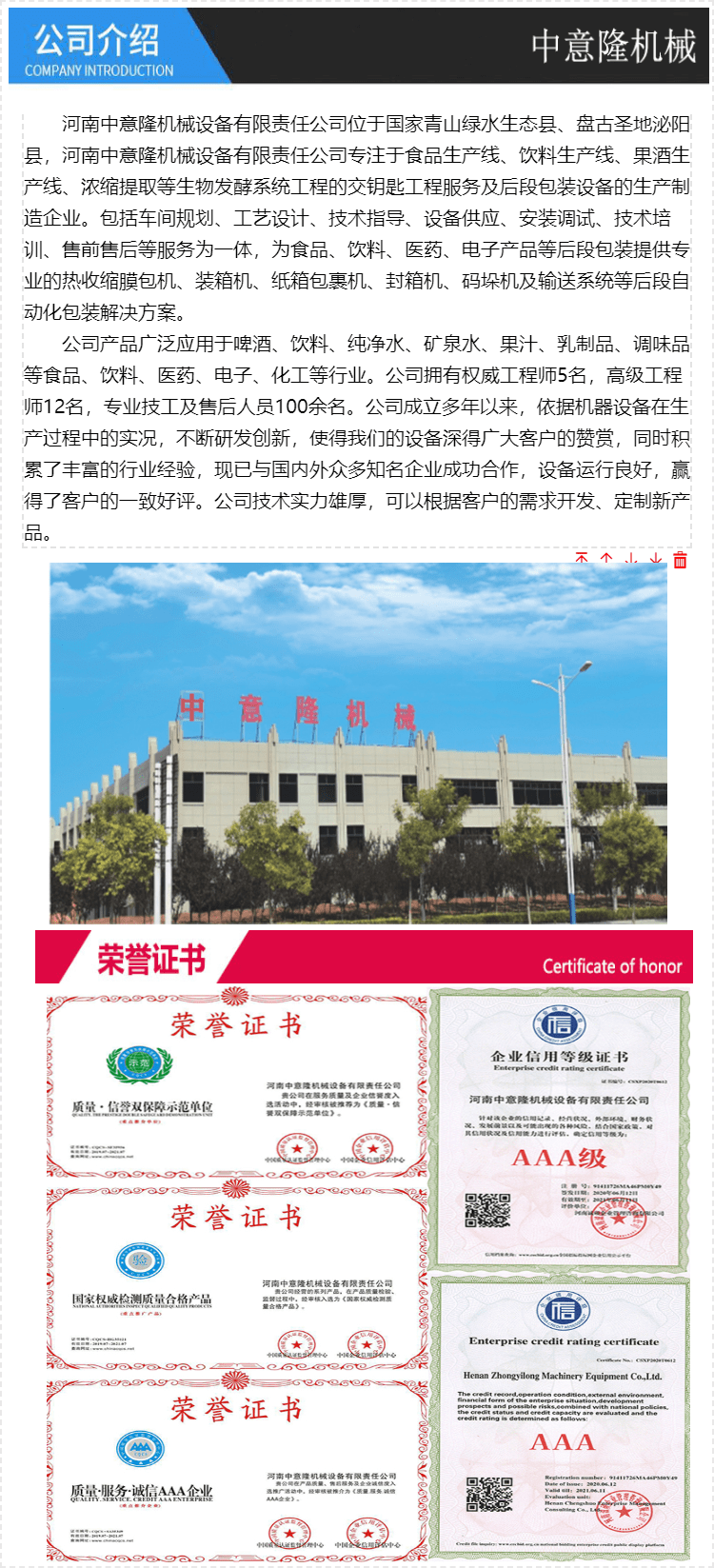 The production process of persimmon vinegar
Persimmon fruit ->selection ->cleaning ->peeling ->removing seeds ->de astringency treatment ① ->cutting ->pressing ->persimmon juice ->sterilization ② ->alcohol fermentation ③ ->acetic acid fermentation ④ ->sterilization ② ->aging ⑤ ->vinegar pouring ->filtering ->finished product.
① De astringency: To remove astringency, use a container filled with 70% astringent fruit, and immerse the persimmon fruit in 40-50 ℃ warm water. Keep the container mouth warm, isolate the air, and keep the outside of the container warm. After 15-24 hours, the astringency will be removed. (Insulated cup, that's good! It needs to be peeled and pitted) II Cold water de astringency. Soak a filled persimmon basket in a pond for 5-7 days to remove astringency. (This method is commonly used in the south.) III. Sun drying to remove astringency. Place the persimmon fruit on a board, sun it during the day, and store it indoors at night. It takes about 10 days to remove astringency. (Suitable for leisure time) IV. Biological de astringency: Store other fruits such as peaches, apples, wild pears, etc. together with persimmons in a container (ratio of about 1:10), seal for 4-5 days to remove astringency. Alternatively, pine needle leaves, cypress leaves, banyan tree leaves, etc. can be mixed with persimmon fruits and stored in a jar for a few days before they can be removed. (Better, just a bit complicated) Spray 75% alcohol or sorghum wine on the persimmon fruit to remove astringency, seal for 4-5 days to remove astringency. (Personally, I think it's more convenient) (The key to removing astringency from persimmons is to isolate them from oxygen, causing the tannins in them to transform and become sweet.)
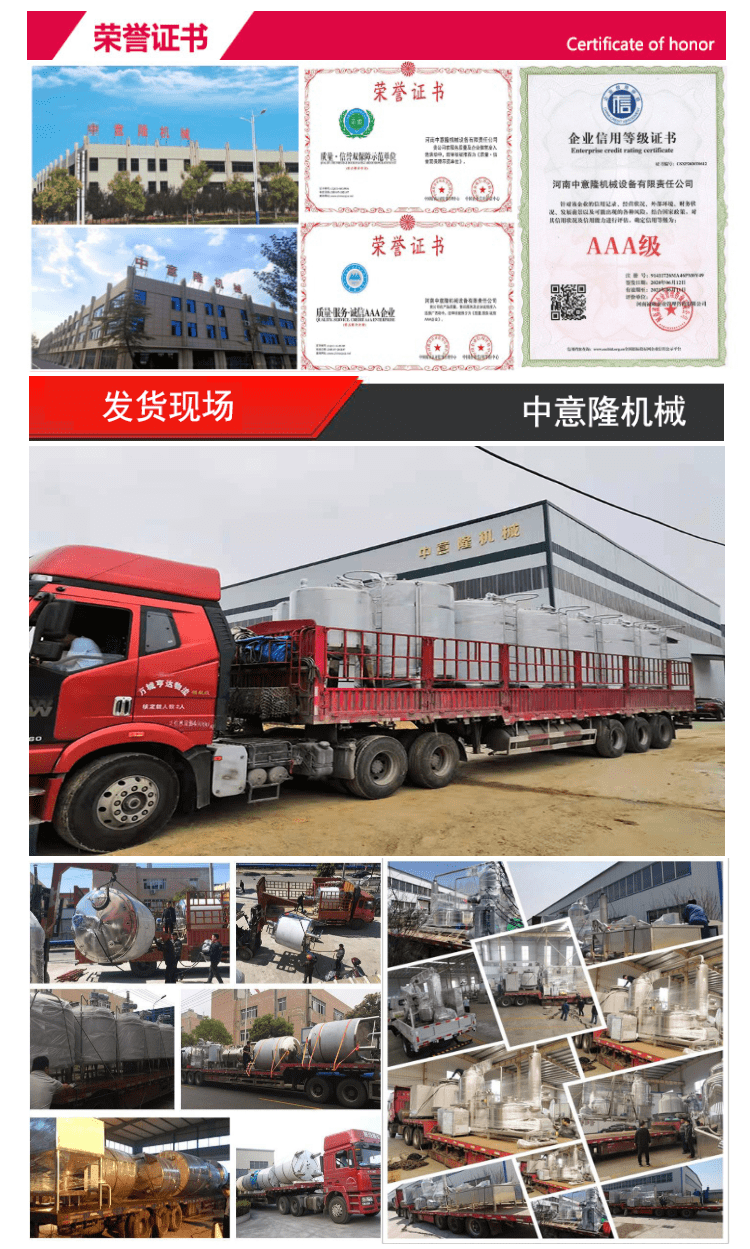
The following is the manufacturing method of the processing plant: (applicable for large-scale processing)
1. Lime water is prepared by mixing 50 kilograms of water and 5 kilograms of quicklime to make lime water. When the lime water temperature is moderate, persimmon fruits are added to submerge the persimmon fruits. After light mixing, the tank and barrel are closed, and after 3-4 days, they are de astringent and become hard persimmons. (Quicklime... I personally think it should not be used)
2. There are two methods for removing astringency from grass: first, add 50 kilograms of cold water to 1.5-2.5 kilograms of Polygonum multiflorum (or sesame stems, or persimmon leaves), pour in persimmon fruits and submerge them in water, cover the jar with straw, and remove astringency after 5-7 days; The second is the interaction and accumulation of one layer of wheat straw and one layer of persimmon fruit, which can remove astringency after one week.
Insert a small piece of bamboo strip near the persimmon stem, damaging some of the flesh cells and forcing them to breathe between molecules. After a few days, it becomes soft and astringent. (Technology is required, not advocated)
4. Place a hollow bamboo tube at the mouth of the smoking and astringency removal tank, place persimmon fruits around the tube, light incense sticks and insert them into the tube, seal the tank mouth, and remove astringency for several days. Or dig a pit in the shape of a jar underground, place persimmon fruits around it, mark the middle line with fragrant smoke, and let it sit for 2-3 days to remove astringency.
5. Carbon dioxide de astringency: Put the persimmon fruit into a sealed container with small holes at the top and bottom of the container. Inject carbon dioxide through the small hole at the bottom, and plug the hole when the gas discharged from the small hole at the top can extinguish the ash and ignite the match. De astringency should be achieved at 25-30 ℃ and atmospheric pressure for 7-10 days; If the air pressure is increased and the temperature is around 20 ℃, it can be consumed in 2-3 days. (Unavailable)
Soak the fruit in a 0.05% to 0.1% ethylene solution and place it indoors for 3-4 days to remove the astringency and turn it into a soft persimmon. (I hate chemical composition)
② Sterilization: Heat the pressed persimmon juice to 80 ℃ and maintain it for 10-20 minutes, then cool it to room temperature. Persimmon fruit has a low acid content, so it is necessary to add sufficient sulfur dioxide to prevent bacterial infections.
③ Alcohol fermentation: Adjust the sugar content of persimmon juice to 20% with sucrose and adjust the acidity to 0.5% with citric acid before adding activity for alcohol fermentation. Activation should be carried out before use. Take the required amount of activity and add it to a 100:8 sucrose solution. Activate at 30 ℃ for 30 minutes. Add activated yeast at a inoculation rate of 0.5% to persimmon juice, control the fermentation temperature at 28 ℃, and regularly monitor the fermentation parameters during the fermentation process. Alcohol fermentation is the process of using yeast to ferment into ethanol and carbon dioxide through the EMP pathway under anaerobic conditions. The fermentation cycle is 6 days
④ Acetic acid fermentation: Inoculate the expanded culture of acetic acid bacteria with a certain inoculation amount, and perform acetic acid fermentation in mature wine mash. The temperature is controlled at 28 ℃~40 ℃, and the concentration changes of acetic acid and alcohol during the fermentation process are monitored at any time. After 12 days of acetic acid fermentation, the concentration of acetic acid no longer increases and the alcohol content reaches a very small level. At this point, the acidity reaches 5.0% and the alcohol content is 0.13%, which is the endpoint of acetic acid fermentation. (When the fermentation temperature is 35 ℃, the acid production)
⑤ Aging: After the acetic acid fermentation is completed, filter it with a filter (usually filter paper is also good), then add 1% to 2% salt, heat it to 80 ℃ for sterilization, and then pour it into the semi-finished product tank (another bottle) for aging. Finished product: The appearance is reddish brown, with appropriate concentration, clear and transparent, without impurities or sediment, and has the unique aroma of persimmon vinegar. The ester aroma is rich, the sour taste is soft, the persimmon flavor is prominent, and there is no odor; Total acid (calculated as citric acid) 4.6%, alcohol content 0.11%, sugar content 1.3%; The total number of bacteria should not exceed 5000 CFU/ml, the coliform group should not exceed 3MPN/100ml, and pathogenic bacteria should not be detected.


AfterSalesService :
Key words:- Persimmon Vinegar Production Line
More Products