



TT-HS-A ion slow-release agent GD-200K graphite drag reducer, long-lasting physical drag reducer
Category:
Security/Lightning protection and lightning protection products/Lightning protection and lightning protection products
Model:
ADF-02
Brand:
Qingdao Zhongdian
Retail Price
1,200.00USD
重量
kg
- Product Description
-
Description :
Modulation instructions and dosage of powdered drag reducer
Customers often call to ask to what extent the drag reducer needs to be modulated and how much drag reducer needs to be used per square meter. In fact, the modulation and use of drag reducer are very simple.
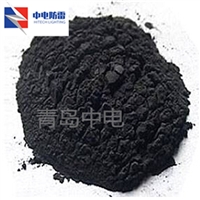
1. The drag reducer is in powder form. When preparing, mix the drag reducer and water in a ratio of 1:0.8-1 and stir well to form a slurry.
2. Wet the excavated grounding holes and trenches with water.
3. Wrap each grounding body of the grounding grid tightly with a pre prepared resistance reducing agent. The thickness of the resistance reducing agent should not be less than 7-10cm in thin areas, and special attention should be paid to tightly wrapping the welding points After solidification, the backfill soil is compacted layer by layer. During construction, fine soil should be used to backfill around the grounding body. It is strictly prohibited to use construction waste such as bricks and stones as backfill soil. When conditions are poor, only fine soil can be backfilled and compacted around the grounding body, and there is no strict requirement for backfilling fine soil on the upper layer.
4. Horizontal grounding can be supported by a support at a height of about 5-10cm (from the bottom of the ditch) Then wrap it with a resistance reducing agent, and after the surface solidifies, backfill the soil and compact it.
Dosage of drag reducer:
Firstly, based on the required grounding resistance value Rc and the known original soil resistivity ρ, calculate the number of vertical grounding bodies or the length of horizontal grounding bodies. Then, calculate the volume of the filling part of the reducing agent multiplied by 1.3 tons/meter to obtain the weight of the required reducing agent slurry; Multiply by 60% again to obtain the dosage of the dry powder of the drag reducer.
Scope of use of graphite drag reducer
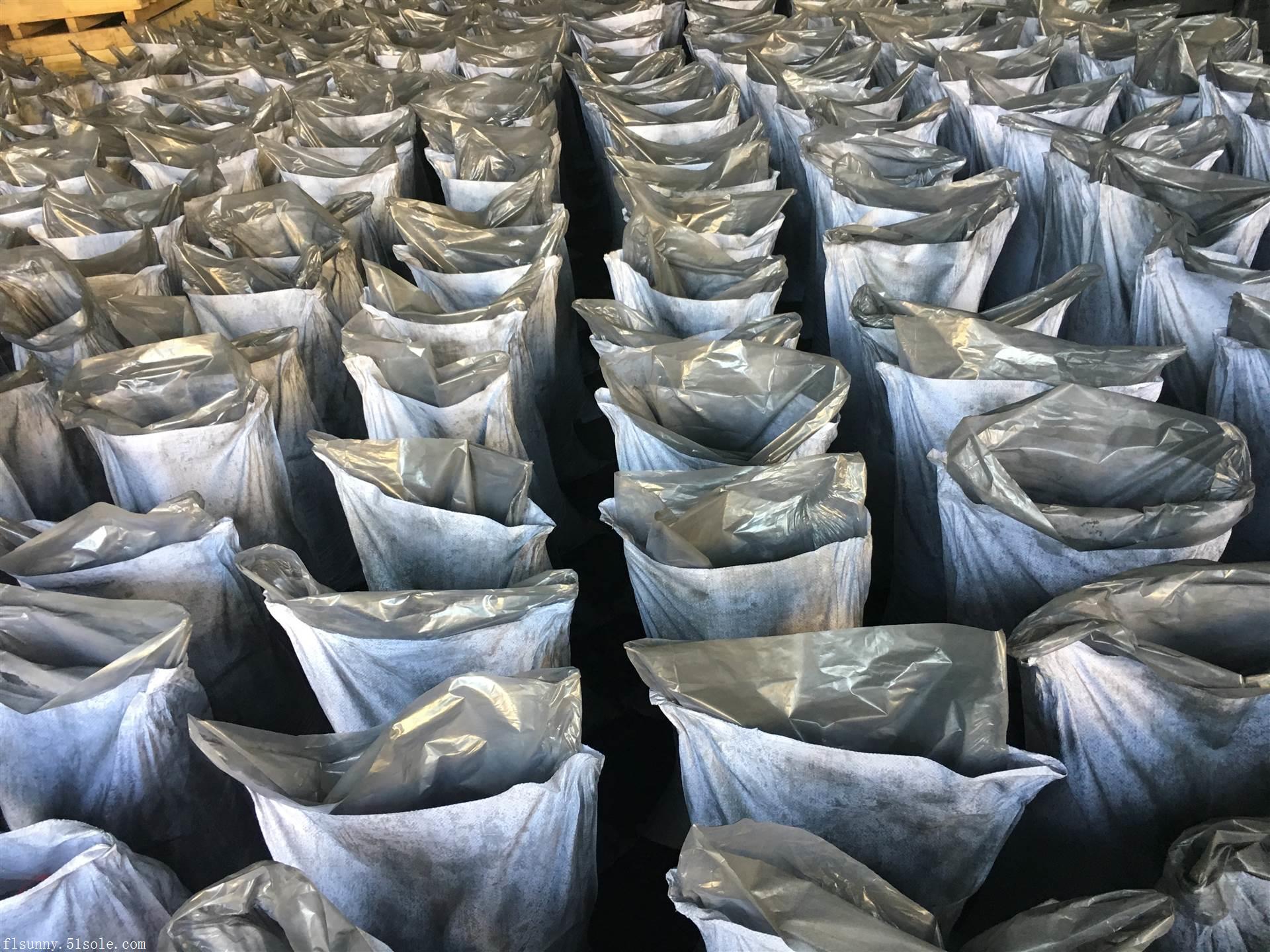
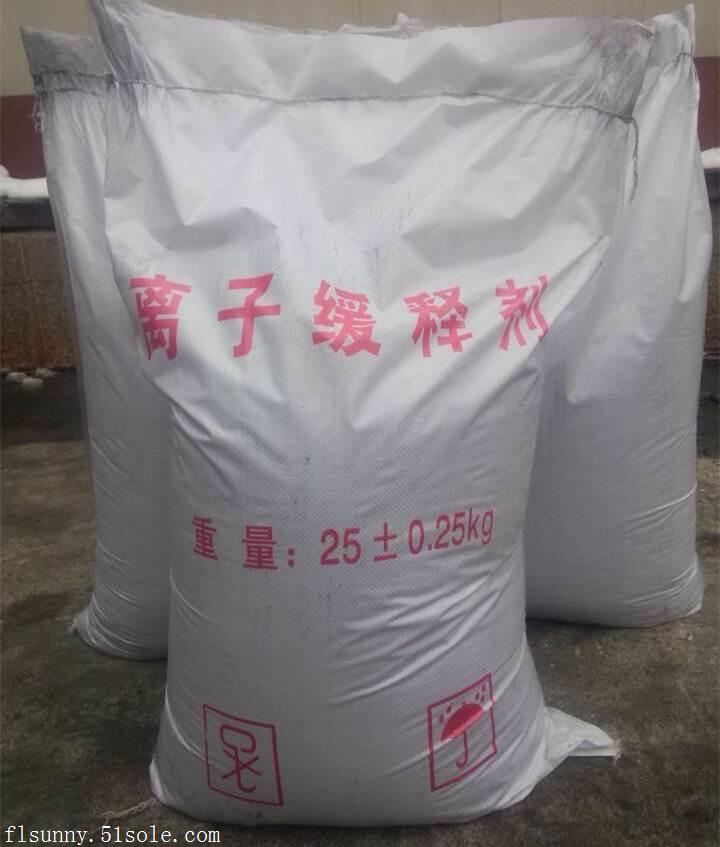
Graphite drag reducer is used in electrical grounding devices in industries such as power, telecommunications, construction, broadcasting, television, railways, highways, aviation, water transportation, national defense, metallurgy and mining, coal, petroleum, chemical, textile, medicine and health, cultural education, publishing and printing.
1. Qualified graphite resistance reducers have been tested by relevant national testing departments, and all technical indicators fully comply with the current "Grounding Resistance reducers" in China
As required by the Provisional Technical Conditions.
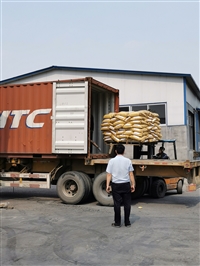
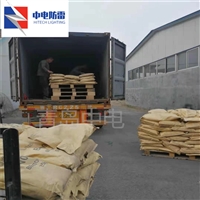
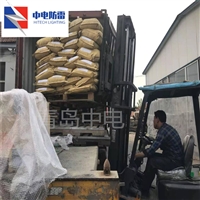
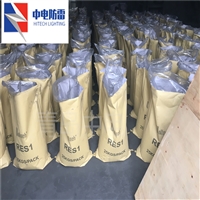
2. The graphite drag reducer is packaged in double layers, with the inner layer being a PVC bag and the outer layer being a woven bag.
3. The woven bag of graphite drag reducer is marked with the product name, model, and factory name.
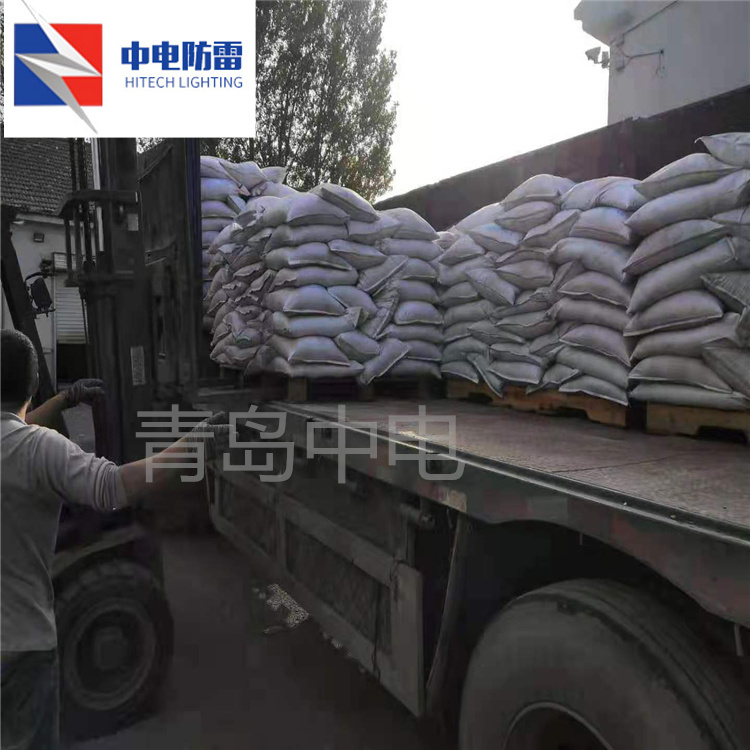
4. When transporting graphite drag reducer, attention should be paid to rain, moisture, and preventing damage to the packaging caused by hard objects.
Application of Physical Resistance Reducing Agents in Weathering Soil and Stone Environments
Long term physical resistance reducing agents have good resistance reducing effects when used in high-altitude mountainous areas, hilly areas, and sandy and weathered soil filling. The resistance reducing effect of resistance reducing agents has been accepted by people and has been widely applied in practical engineering. However, there are also some techniques in using resistance reducing agents for burial. Below is an introduction to the laying techniques of resistance reducing agents, which you can combine with practice to operate.
1. Ground grid construction
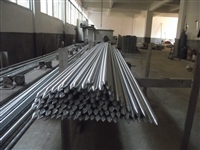
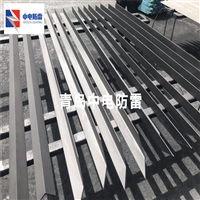
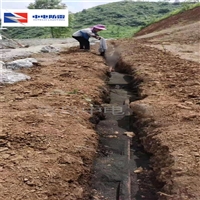
Generally, trenches are excavated at selected locations according to design requirements, and suitable positions are selected to insert copper-clad steel grounding rods or angle irons into the trenches (if the position where the angle iron is inserted is dug deeper as much as possible, so that the resistance reducing agent can be more applied around the angle iron, the effect will be better). Galvanized flat iron is welded between the angle irons (electric welding or exothermic welding can be used, and the effect of exothermic welding is much higher than that of electric welding), and the grounding grid lead wire is welded well.
2. Mix the drag reducer and water into a paste
Mix the drag reducer and water in a 1:1 ratio in a container (such as an iron tank) and stir evenly.
3. Laying of resistance reducing agent
First, sprinkle some water on the bottom of the trench to moisten the soil. Then, apply the mixed resistance reducer around the vertical and horizontal electrodes in the grounding trench (or hole), ensuring that the surrounding area of the metal conductor, including the bottom, is evenly wrapped with the resistance reducer.
4. Soil backfilling
After laying the resistance reducing agent, backfill the excavated soil back. When backfilling, attention must be paid to: - If there are bad conductors such as stones and wooden sticks in the soil, they must be removed; When sealing the soil, each layer should be compacted
5. Grounding resistance measurement
After sealing, the grounding resistance can be measured. However, due to the fact that the soil has just been sealed and has not undergone settlement, the grounding resistance has not achieved its desired effect. At this time, the grounding resistance should be much higher than the actual value, and it usually takes one week for the grounding resistance to reach a stable effect.
6. Waterless construction
When construction is carried out in water scarce areas, powdered resistance reducing agents (or reducing the proportion of water used) can be directly placed on the grounding electrode and surrounding areas (with a dosage greater than about 20% of the general dosage) to seal and compact the soil. This construction method is simple and slightly less effective than water-based construction.
AfterSalesService :
Key words:- Ionic slow-release agent
More Products