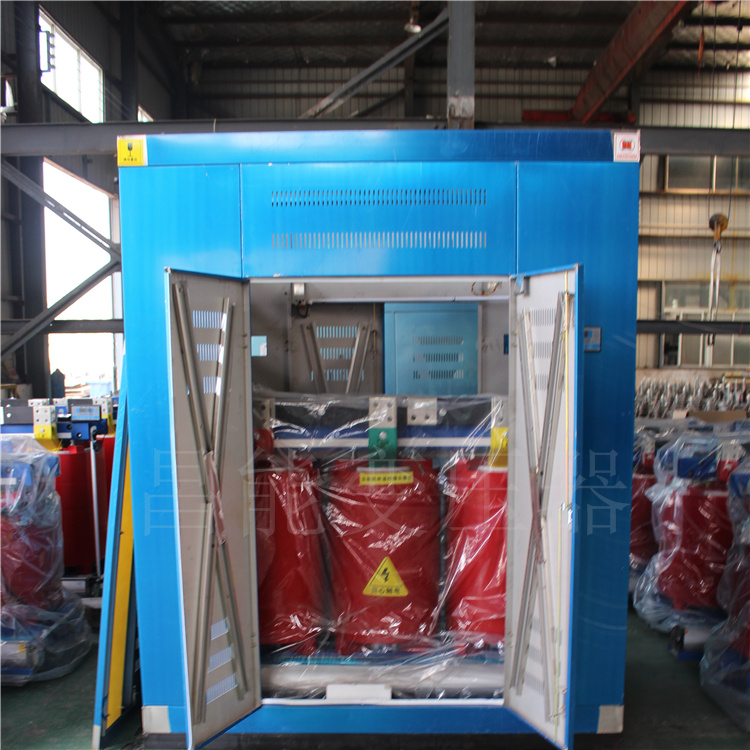




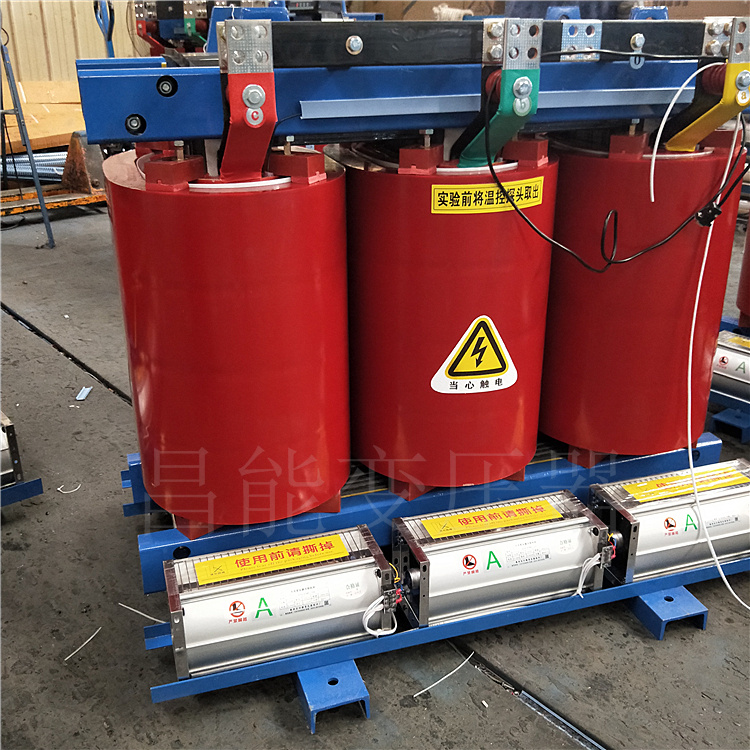

Quotation for Haikou SGBH15 amorphous alloy dry-type transformer
Category:
electron/Transformers, inductors/Other Transformers
Model:
Brand:
Changneng
model:
SB15 SBH15 SCBH15 SGBH15
Retail Price
90,000.00USD
重量
kg
- Product Description
-
model SB15 SBH15 SCBH15 SGBH15
Description :
Amorphous alloy transformer is a low loss, high-energy efficiency power transformer. This type of transformer uses iron-based amorphous metal as the iron core. Due to the lack of long-range ordered structure of this material, its magnetization and demagnetization are easier than general magnetic materials. Therefore, the iron loss (i.e. no-load loss) of amorphous alloy transformers is 70-80% lower than that of traditional transformers that generally use silicon steel as the iron core. Using amorphous alloys with outstanding magnetic permeability as iron core materials for manufacturing transformers can ultimately achieve very low loss values.
Construction of amorphous oil immersed transformer:
(1) Iron core:
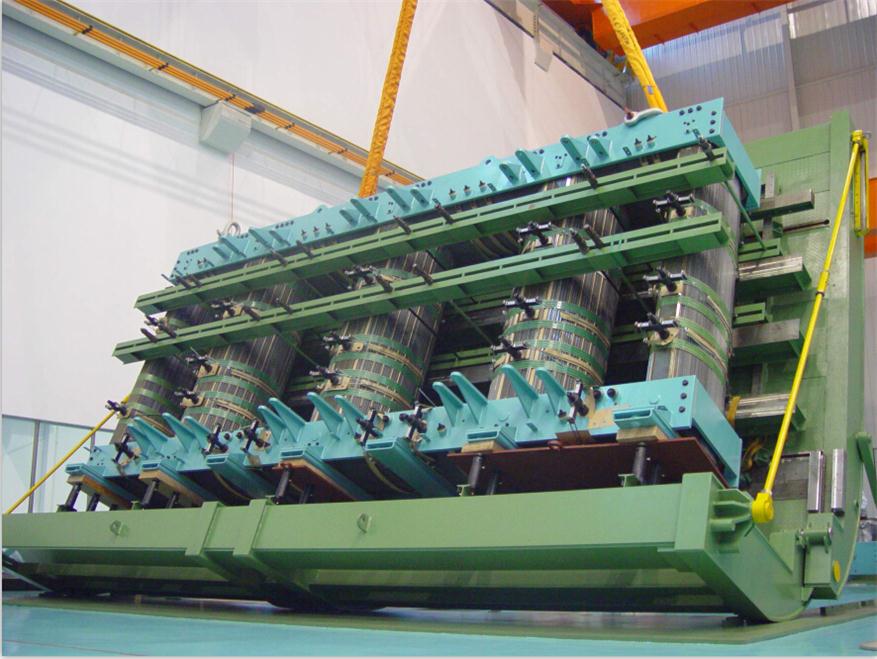
The iron core is the magnetic circuit part of the transformer. In order to reduce hysteresis and eddy current losses in the iron core, the iron core is made up of 0.35 to 0.5 thick silicon steel sheets stacked together. The surface of the silicon steel sheets is coated with insulating paint or insulated from each other using a surface oxide film. The upright part of the iron core of a three-phase transformer is called the iron core column, which is fitted with the low voltage winding and high voltage winding of the transformer; The horizontal part is called an iron yoke, used to form a closed magnetic circuit.
(2) Winding:
Winding, also known as coil, is the circuit part of a transformer, divided into primary and secondary windings. The winding connected to the power supply is called the primary winding, and the winding connected to the load is called the secondary winding. The primary and secondary windings are both made of copper or aluminum wires wrapped with high-strength insulation. Each primary and secondary winding of a three-phase transformer is made into a cylindrical shape and placed on the same iron core column. The low-voltage winding with fewer turns is placed inside and close to the iron core, while the high-voltage winding with more turns is placed outside the low-voltage winding. This placement is because the low-voltage winding makes it easier to insulate the iron core. Insulated sleeves made of insulating materials are used to isolate the low voltage winding from the iron core, as well as between the high voltage winding and the low voltage winding, ensuring reliable insulation. In order to facilitate heat dissipation, a certain gap is left between the high and low windings as an oil passage to allow transformer oil to circulate.
(3) Fuel tank:
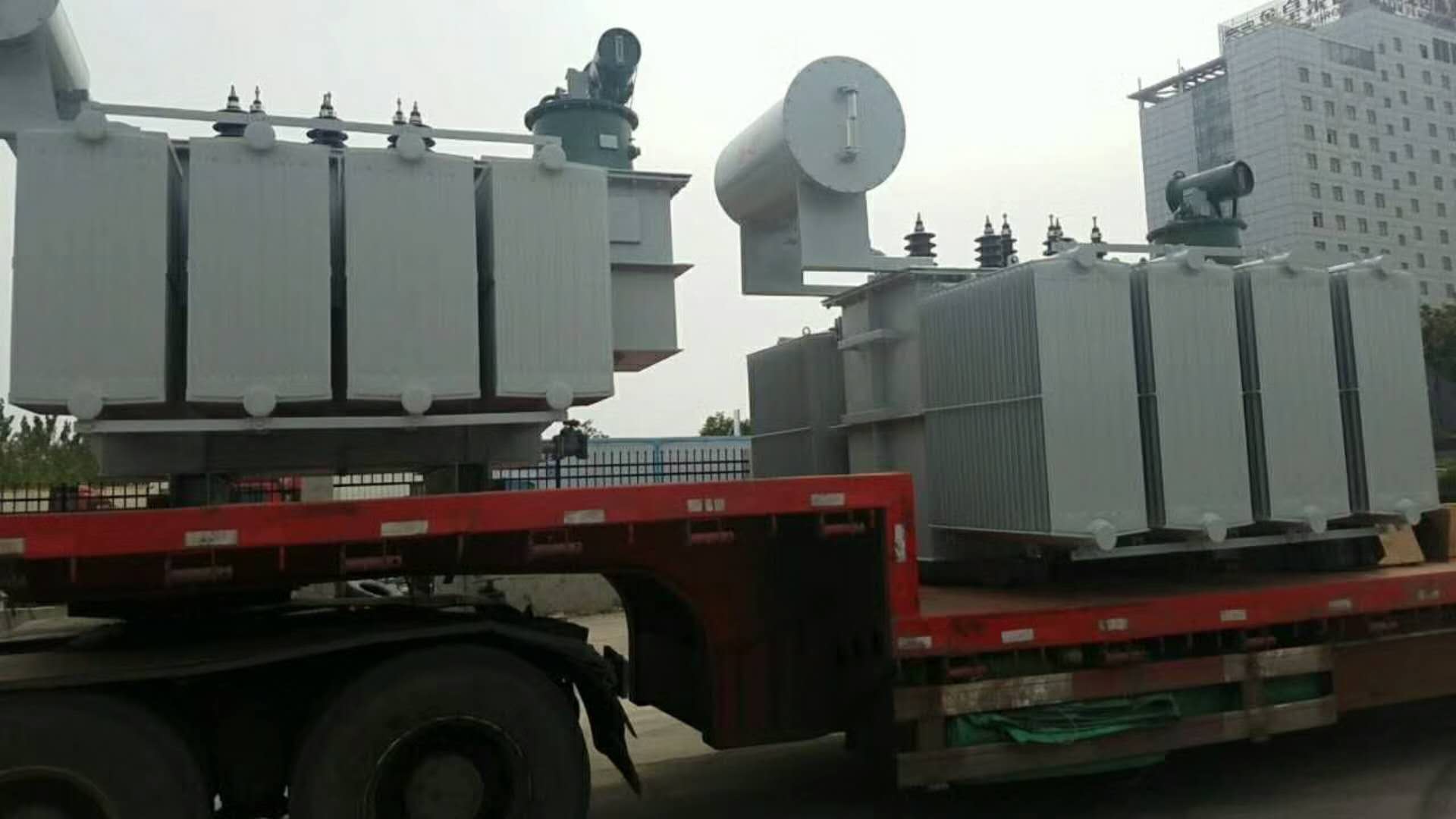
The oil tank is the outer shell of the transformer, in which the iron core and winding are installed and filled with transformer oil. For transformers with relatively large capacity, heat sinks or heat pipes are installed outside the oil tank.
(4) Oil storage tank:
Oil storage tank, commonly known as oil pillow, is a cylindrical container placed horizontally above the oil tank and connected to the oil tank of the transformer through a pipeline. The volume of the oil storage tank is generally about 10% of the volume of the oil tank. This oil storage tank is a type of oil storage tank that isolates the oil inside the tank from the outside air. When the transformer oil expands, the oil flows from the oil tank to the oil storage tank; When the transformer oil shrinks, the oil flows from the oil storage tank to the oil tank. The oil storage tank has two functions: firstly, when the volume of transformer oil expands or contracts with the change of oil temperature, the oil storage tank plays a role in storing and replenishing oil, ensuring that the oil tank is filled with oil and the iron core and winding are immersed in oil; Secondly, it can reduce the contact area between the oil surface and the air, preventing the transformer oil from getting damp and deteriorating.
(5) Sleeve:
The transformer winding leads are connected to the external circuit through a guide rod, and the bushing is an insulator between the guide rod and the box cover, which plays a role in insulating and fixing the guide rod. There are two types of sleeves: high-voltage sleeves and low-voltage sleeves.
(6) Explosion proof pipe:
The explosion-proof tube is installed on the transformer tank cover. When a severe sudden fault occurs inside the transformer, the pressure inside the oil tank will rapidly increase. To prevent oil tank explosion accidents caused by excessive pressure increase. After the action, release the internal pressure of the box and connect the contact to trigger an alarm or trip.
(7) Gas gas relay:
Install the gas relay between the oil storage tank and the transformer oil tank cover using a flange. During operation, the gas relay is filled with oil. When a slight fault occurs inside the transformer and bubbles are generated, they will first gather in the upper space of the gas relay and force the oil level to drop, causing the upper opening cup to lose buoyancy and increase its own mass, thereby reversing the deflection and causing the magnet to move closer to the reed switch. The principle of the lower contact blocking plate is the same.
(8) Temperature measuring device:
Oil surface temperature rise refers to the allowable value of the oil surface temperature in the oil tank exceeding the ambient temperature when the transformer is operating at rated conditions.
The oil temperature of the main transformer body is temporarily set to alarm at 80 ℃ and trip at 100 ℃.
(9) Neutral point grounding switch:
The neutral point grounding method in China's 110kV power system mainly adopts the direct neutral point grounding method (including the neutral point grounding method through a small resistance), that is, the high grounding current system. Because when a single-phase grounding fault occurs in the system, the grounding short-circuit current is large.
(10) Tap changer:
When the oil storage tank is used for on load tap changers, a non switching oil storage tank is installed at the bottom of the oil storage tank.
Amorphous alloy transformers have many characteristics that must be guaranteed and considered in their design and manufacturing. The main manifestations are as follows:
(1) Amorphous alloy sheet materials have high hardness and are difficult to shear with conventional tools, so reducing the amount of shear should be considered in design.
(2) If the thickness of an amorphous alloy single piece is extremely thin and the material surface is not very flat, the filling coefficient of the iron core is relatively low.
(3) Amorphous alloys are highly sensitive to mechanical stress. When designing the structure, it is necessary to avoid traditional design schemes that use iron cores as the main load-bearing structural components.
(4) In order to obtain excellent low loss characteristics, amorphous alloy iron chips must undergo annealing treatment.
Insulation materials for amorphous oil immersed transformers:
The main insulation materials inside the transformer include transformer oil, insulation cardboard, cable paper, telephone paper, and paper.
(1) Transformer oil.
(2) Insulated cardboard. Insulated cardboard is mainly made by pressing unbleached sulfate fibers, which have a large number of pores between the fibers, thus possessing strong breathability, oil absorption, water absorption, etc. If high heat-resistant polyamide fiber paper is used, its lifespan is greatly improved. For example, as insulation paper tubes, braces, pads, partitions, corner rings, etc.
(3) Cable paper. As a type of insulation paper, it is made of sulfate pulp and used in transformers with cable paper models dl2-08 and dl2-12, with thicknesses of 0.08 and 0.12. It is mainly used as insulation for the outer surface of wires, insulation between coil layers, insulation for lead wrapping, etc. It is one of the main insulation materials for oil immersed transformers.
(4) Phone paper. Made from sulfate pulp. Use telephone paper model DH-50 in the transformer. Its thickness is (0.5&# 177; 5%), rolled into a paper roll with a width of (500&# 177; 10). Mainly used for insulation of coil wires and end insulation of coils.
(5) Paper. It is also a type of insulation paper, made from cable paper made from sulfate pulp and further processed. It has good electrical performance in oil, manifested by high average breakdown voltage and small tangent value of dielectric loss angle. Paper is mainly used for wrapping transformer output lines and other areas.
Insulation requirements for amorphous oil immersed transformers:
The requirement for transformer insulation is that it should not affect the normal operation of the transformer due to insulation damage during the operating period. The main requirements are as follows.
(1) Capable of withstanding overvoltage during operation and normal operating voltage.
(2) Capable of withstanding short-circuit current, overcurrent, and normal operating current during operation.
(3) Moisture and aging do not affect the normal operation of the transformer.
Shandong Changneng Transformer Manufacturing Co., Ltd. adheres to the principle of; Honesty and trustworthiness, serving society; Adhere to the philosophy of '; Customer first "; The principle is to provide excellent service to our customers.
AfterSalesService :
Key words:- Amorphous alloy transformer
More Products


