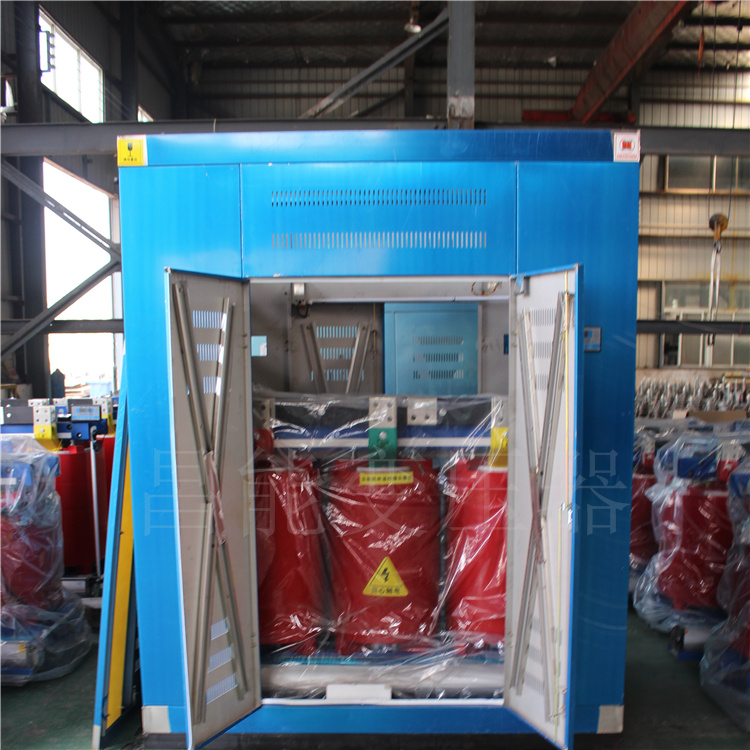

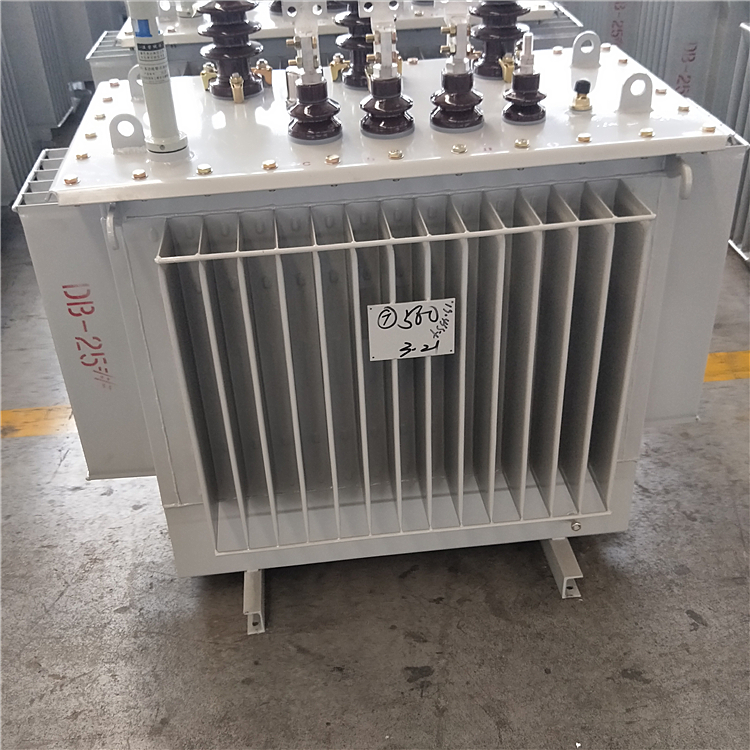


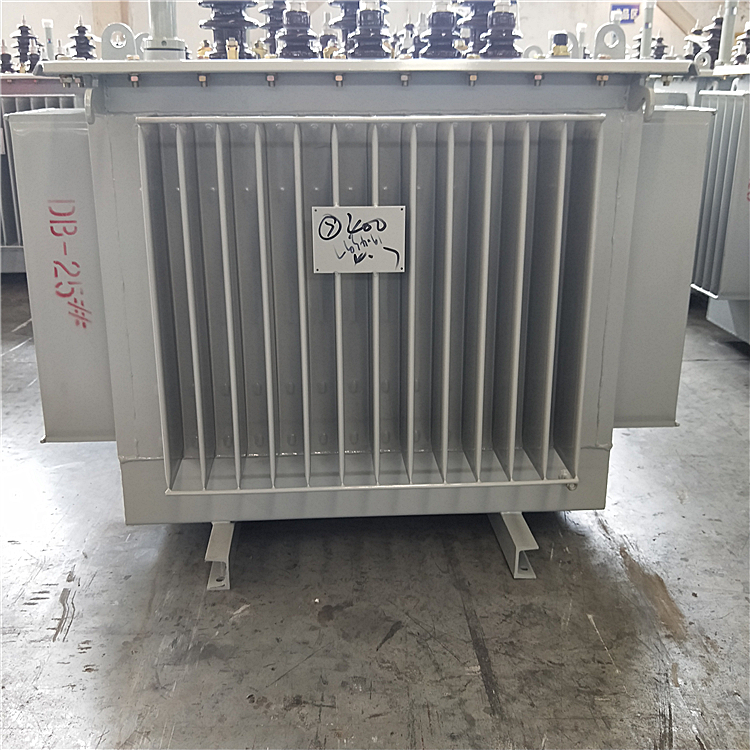


Shenyang S15 Oil immersed Transformer Oil immersed Transformer Source Manufacturer
Category:
electron/Transformers, inductors/Other Transformers
Model:
Brand:
Changneng
model:
S11 S13 S15 S16
Retail Price
12,000.00USD
重量
kg
- Product Description
-
model S11 S13 S15 S16
Description :
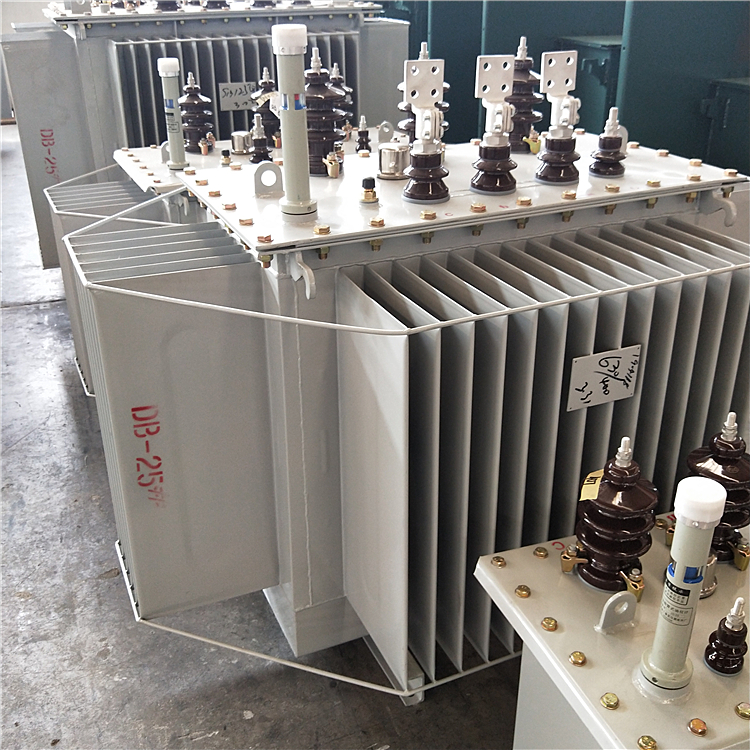
Shandong Changneng Transformer Manufacturing Co., Ltd. operates products including S11 and S13 oil immersed transformers, SC (B) 10/SC (B) 11 dry-type transformers, SG (B) 11 unencapsulated dry-type transformers, S (B) H15 amorphous alloy transformers, SCRBH15 amorphous alloy dry-type transformers, mining explosion-proof mobile substations, S13 three-dimensional triangular wound iron core transformers, S11 and S13 high overload distribution transformers, S13 on load regulating capacity distribution transformers, D11 and S11 column mounted transformers, 10KV dry-type transformers, and 35kV dry-type transformers.
Insulation classification and requirements for oil immersed transformers:
1. Classification of insulation for transformers:
The insulation of transformers can be divided into internal insulation and external insulation. Internal insulation refers to the insulation of various parts inside the oil tank, while external insulation refers to the insulation between the upper part of the bushing and the ground and between each other. Internal insulation can be divided into two parts: main insulation and longitudinal insulation. The main insulation refers to the insulation between the winding and the grounding part, as well as between the windings. In oil immersed transformers, oil paper barrier insulation structure is commonly used as the main insulation.
The main insulation can be divided into graded insulation and full insulation. Graded insulation refers to the main insulation level near the neutral point of the transformer winding being lower than the insulation level at the end of the winding. On the contrary, if the insulation level at the beginning and end of the transformer is the same, it is called full insulation. Longitudinal insulation refers to the insulation between different parts of the same winding, such as insulation between different wire turns, turns, and turns.
2. Requirements for transformer insulation:
The requirement for transformer insulation is that it should not affect the normal operation of the transformer due to insulation damage during the operating period. The main requirements are as follows.
(1) Capable of withstanding overvoltage during operation and normal operating voltage.
(2) Capable of withstanding short-circuit current, overcurrent, and normal operating current during operation.
(3) Moisture and aging do not affect the normal operation of the transformer.
3. Transformer insulation material:
The main insulation materials inside the transformer include transformer oil, insulation cardboard, cable paper, telephone paper, and paper.
(1) Transformer oil.
(2) Insulated cardboard. Insulated cardboard is mainly made by pressing unbleached sulfate fibers, which have a large number of pores between the fibers, thus possessing strong breathability, oil absorption, water absorption, etc. If high heat-resistant polyamide fiber paper is used, its lifespan is greatly improved. For example, as insulation paper tubes, braces, pads, partitions, corner rings, etc.
(3) Cable paper. As a type of insulation paper, it is made of sulfate pulp and used in transformers with cable paper models DL2-08 and DL2-12, with thicknesses of 0.08 and 0.12. It is mainly used as insulation for the outer surface of wires, insulation between coil layers, insulation for lead wrapping, etc. It is one of the main insulation materials for oil immersed transformers.
(4) Phone paper. Made from sulfate pulp. Use telephone paper model DH-50 in the transformer. Its thickness is (0.5&# 177; 5%), rolled into a paper roll with a width of (500&# 177; 10). Mainly used for insulation of coil wires and end insulation of coils.
(5) Paper. It is also a type of insulation paper, made from cable paper made from sulfate pulp and further processed. It has good electrical performance in oil, manifested by high average breakdown voltage and small tangent value of dielectric loss angle. Paper is mainly used for wrapping transformer output lines and other areas.
Fire prevention measures for oil immersed transformers:
Special attention should be paid to the fire safety measures of oil immersed transformers.
1. The distance between oil immersed transformers with an oil content of over 2500kg and oil filled electrical equipment with an oil content between 600kg-2500kg shall not be less than 5m.
2. When the fire distance between adjacent oil immersed transformers does not meet the requirements, a fire partition wall or fire water curtain should be installed at the top of the fire partition wall. Only fireproof partitions or fireproof water curtains can be installed between single-phase oil immersed transformers.
3. When the distance between the workshop exterior wall and the outer edge of the oil immersed transformer is less than the specified value in the specification table, a firewall is used for the exterior wall. The distance between the transformer wall and the outer edge shall not be less than 0.8m.
4. When the oil immersed transformers, doors, windows, and holes on the outer wall of the factory building are not allowed to open within a total thickness range of 3m below the horizontal line, and 3m on both sides of each outer edge; The fire resistance limit of doors and fixed windows on outdoor firewalls shall not be less than 0.9 hours.
5. When the oil content of a single oil immersed transformer or other oil filled electrical equipment exceeds 1000Kg, oil storage pits and public oil collection tanks should be set up, and transformer pebbles should be set up as backup to prevent fires and oil leakage.
6. Oil immersed transformers should be equipped with fixed fire extinguishing systems such as sprinkler systems in accordance with current relevant regulations. Oil immersed transformers should be installed separately in the room, and the room door should open to the outside of the B-class fireproof door and pass through the outside or corridor, and should not be opened to other rooms.
Cooling method for oil immersed transformers:
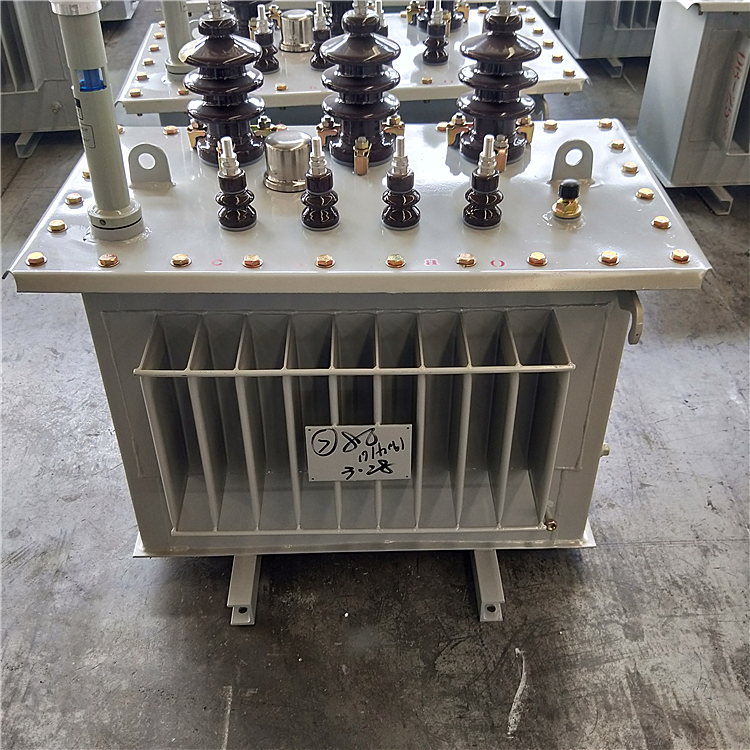
(1) Oil immersed transformers usually adopt three cooling methods: oil immersed self cooling, oil immersed air-cooled, and forced oil circulation.
(2) Oil immersed self cooling relies on natural convection of oil to remove heat. Oil immersed air-cooled type is based on oil immersed self cooling type, with the addition of a fan to blow air to the oil tank and oil pipe to enhance heat dissipation. Forced oil circulation is the process of using an oil pump to extract hot oil from a transformer and cool it outside before sending it into the transformer.

What are the functions of oil immersed transformers?
Voltage conversion: Increasing or decreasing the voltage, converting the voltage detected by the generator through the processes of boosting, transmitting, and reducing it to a voltage level suitable for residential or industrial use.
Variable current: Changing the magnitude of the current while changing the voltage.
Isolation: Isolate the user system from the power supply system to narrow down the scope of the accident.
Shandong Changneng Transformer Manufacturing Co., Ltd. adheres to the business philosophy of "honesty and trustworthiness, pioneering innovation, and excellence", and sincerely invites friends from all walks of life at home and abroad to work together and seek common development.
AfterSalesService :
Key words:- transformer
More Products


