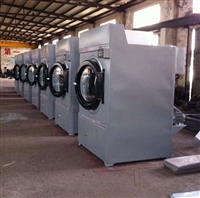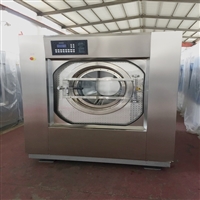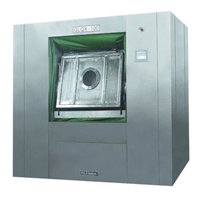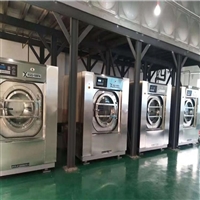
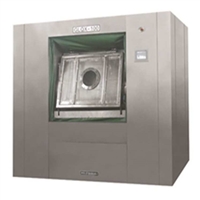


Medical washing equipment, hospital isolation washing machine, isolation dual door washing machine, supports customization
Category:
clothing/Ironing and washing equipment/Washing and drying equipment
Model:
XGQ
Brand:
with heart
brand:
with heart
model:
XGQ
Processing & Customization:
yes
category:
Dual purpose washing machine
Washing capacity:
100-150 kilograms
style:
Bucket set
Scope of Application:
medical
Washing medium:
water
degree of automation:
fully automatic
Product Type:
brand new
Dehydration capacity:
one hundred
power supply voltage:
three hundred and eighty
rated power:
eleven
Net weight:
three thousand
Place of Origin:
Jiangsu Taizhou
Overall dimensions:
1752*1889*1998
manufacturer:
Taizhou Xinxin Huizi Washing Machinery Manufacturing Co., Ltd
Retail Price
56,668.00USD
重量
kg
- Product Description
-
brand with heart
model XGQ
Processing & Customization yes
category Dual purpose washing machine
Washing capacity 100-150 kilograms
style Bucket set
Scope of Application medical
Washing medium water
degree of automation fully automatic
Product Type brand new
Dehydration capacity one hundred
power supply voltage three hundred and eighty
rated power eleven
Net weight three thousand
Place of Origin Jiangsu Taizhou
Overall dimensions 1752*1889*1998
manufacturer Taizhou Xinxin Huizi Washing Machinery Manufacturing Co., Ltd
Description :




GLQX sanitary isolation washing machine is a new sanitary series product developed and launched by our company. Sanitary isolation washing machines have the following characteristics. If you want to purchase a sanitary isolation washing machine, please contact our company in a timely manner. It is computer-controlled, fully automatic/manual optional, with large washing capacity, high washing rate, and beautiful appearance; Bilateral control to avoid re contamination of laundry; Advanced structure, flexible suspension, low noise and vibration; Variable frequency speed regulation, simple operation, energy-saving and power-saving; ● Wide applicability, increased hygiene isolation, meeting strict environmental requirements for occasions
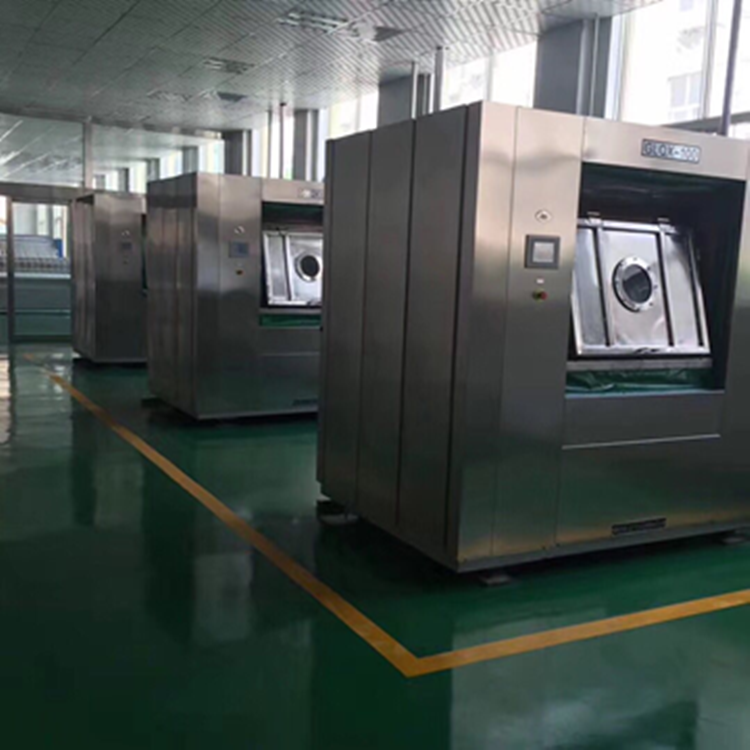
The loading door of the sanitary isolation washing machine adopts a double leaf structure, with a front dirt door and a rear clean door. The material is loaded from the front dirt door, and the washed fabric is taken out from the rear clean door, achieving complete physical isolation between the clean area and the dirt area, as well as avoiding secondary cross infection. However, ordinary washing machines can only achieve single door feeding and discharging. When dirty medical fabrics are stuffed into the washing basket, they will inevitably contaminate the feeding port with bacteria. When taking out washed medical fabrics, clean linen will be quickly re contaminated at the feeding port. The double leaf structure of the isolated washing machine meets the washing and sensing requirements of medical fabrics. Adopting double-sided ultra flexible hole drilling technology. The rotating cage is made of carefully selected stainless steel, with smooth and rounded perforations on both sides without any burrs or edges. The surface of the inner wall of the rotating cage that comes into contact with the fabric is treated with special matte technology for protection, which will not scratch any textiles and fabrics. It meets the precise and safe washing requirements of many new materials and operating room textiles and fabrics with new functions, and is suitable for a wide range of textile and fabric types for washing. According to different washing needs, users can choose between touch screen controllers or PLC controllers. The level PLC controller system is an upgraded version of the touch screen controller, benchmarking against the higher demand for refined management from customers. In addition to being able to interface with the factory's public control information network platform to achieve real-time collection, traceability, printing of washing data, as well as A0 value monitoring, computer operation curve display and other functions, it is also equipped with online pH value detection function (the acidity and alkalinity of the washing environment) and gradient cooling function (which can effectively reduce the shrinkage, deformation, wrinkling and lifespan reduction of various textiles and fabrics caused by rapid cooling at high temperatures).
The Medical Disinfection Supply Center is mainly responsible for cleaning, disinfecting, sterilizing, and supplying sterile items such as reusable diagnostic and treatment equipment, instruments, cleanrooms, surgical covers, etc. for medical institutions. It also carries out quality control of the processing process, issues monitoring and testing results, achieves full traceability, and ensures quality. The medical disinfection center consists of three main functions: 1. Hard instrument cleaning and disinfection production line. The main function is to undertake the cleaning and disinfection business of reusable hard surgical instruments in hospitals (surgical instruments made of metal, rubber, plastic, polymer materials, and other hard materials, hard endoscopes, etc.), including cleaning, disinfection, drying, inspection, packaging, sterilization, storage, and distribution assembly line. 2、 The main function of the soft instrument cleaning and disinfection production line is to undertake the cleaning, disinfection, drying, inspection, folding, packaging, sterilization, storage, and distribution of reusable soft surgical instruments in hospitals (such as surgical covers that are waterproof, antibacterial, breathable, wearable, foldable, and have bidirectional protection functions that comply with the surgical instrument classification catalog, excluding ordinary medical textiles). 3、 The main function of the ordinary medical fabric cleaning and disinfection production line is to undertake the cleaning and disinfection business of hospital ordinary medical fabrics (reusable textiles in the hospital, including clothing, bed sheets, duvet covers, pillowcases used by patients; work clothes and hats used by staff; bed curtains, curtains, and environmental cleaning cloths, floor towels, etc.).
The frequency of hospital infection outbreaks, in descending order, is patients themselves, medical equipment, hospital environment, medical staff, contaminated drugs, contaminated food, and patient care equipment and supplies. Medical fabrics can play a role in the transmission of infections through direct contact with hospitalized patients or indirect contact with the hands of medical personnel. Therefore, different treatment methods should be adopted based on the risk classification of medical fabrics and the types of microbial contamination. Medical fabrics refer to textiles that can be reused within hospitals, including clothing, bed sheets, duvet covers, and pillowcases used by patients; Work clothes and hats used by staff; Surgical preparation sheet; Bed curtains, curtains, and environmental cleaning cloths, floor mats, etc. The principles of sorting, collecting, and washing medical fabrics include infectious fabrics and dirty fabrics, which should be sorted and collected with minimal shaking during collection. Confirmed infectious fabrics should be collected in a sealed manner at the patient's bedside. The collection bag (box) containing the infectious fabric should be orange red with the "Infectious Fabric" label. If conditions permit, hospitals may use specialized water-soluble packaging bags. Dirty fabrics should be collected using reusable specialized cloth bags or packaging boxes (barrels), or they can be packaged in disposable specialized plastic bags. The packaging bags and boxes (barrels) should have text or color markings, and the specialized cloth bags and packaging boxes (barrels) should be "one used, one cleaned". Special storage containers used in turnover warehouses or temporary storage areas in wards should be cleaned at least once a week. Except for highly dangerous items such as surgical drapes that require sterilization, most medical fabrics are classified as low-risk items and should be cleaned, washed, or disinfected at a low level or above. In addition, infectious fabrics should be disinfected according to the characteristics, types, and degree of microbial contamination. Non infectious fabrics should be washed before disinfection, and the cleaning and disinfection methods should be selected according to the intended use and degree of contamination of the fabric. The fabrics of newborns and infants should be specially washed, and the fabrics in the operating room should be washed separately. It is also recommended to wash other cloth towels and floor towels separately. Hand washing is not recommended for infectious fabrics. Hot washing should be used, and specialized washing and disinfection methods should be employed. For fabrics infected by special patients, the correct disinfection method should be selected according to the type of pathogen. Six principles to regulate washing behavior - Personnel training. Currently, most workers in China's medical fabric washing industry have low education levels. In order to enable operators to reach a standardized level, personnel training is very important. For example, through pre job training and regular job training, workers can understand the concept of standard prevention, correctly wear personal protective equipment during operation, pay attention to hand hygiene, avoid cross contamination, and correctly master cleaning and disinfection methods. In addition, hospitals and washing service institutions should have quality management managers and full-time/part-time quality inspectors to strengthen the management of medical fabric washing and disinfection. Machine "and" Material "- The types and quantities of washing, disinfection, drying, ironing and other supplies and equipment required for machine equipment and supplies should meet the work needs according to the workload. The washing and drying equipment should be selected from specialized washing and drying equipment that has been tested and qualified by relevant departments and has heating function. It is recommended to choose sanitary isolation washing and drying equipment, and socialized washing service institutions should equip tunnel washing units. In addition, the washing water should meet the requirements of the "Sanitary Standards for Drinking Water", and it is recommended to use softened water during rinsing. Disinfectants and disinfection equipment must comply with existing national management regulations. In recent years, the National Health and Family Planning Commission has relaxed the approval process for disinfectants and disinfection equipment and changed it to a filing system, which should be taken into account in bidding and procurement. Law "- regulations, standards, and systems. Hospital laundry rooms and socialized laundry service institutions should not only meet the requirements of national standards such as the" Notice on Strengthening the Management of Medical Fabric Washing and Disinfection in Medical Institutions "and the" Technical Specifications for Hospital Medical Fabric Washing and Disinfection ", but also meet the requirements of local standards. In addition, hospital laundry rooms and socialized laundry service institutions need to establish internal systems, such as establishing infection management systems for laundry rooms: establishing work processes, classified collection, washing and disinfection, quality monitoring, cleaning fabric storage management, safety operating procedures, equipment and environmental hygiene cleaning, as well as job responsibilities and occupational protection systems for employees; Hospitals that entrust socialized washing service institutions should also establish a quality inspection system for acceptance and handover, and carry out risk assessments on socialized service institutions. The laundry room for environmental facilities in the first ring should be set up independently and far away from the diagnosis and treatment area. The layout of the laundry room should follow the requirements of "two zones and three channels". The two zones refer to the polluted zone and the clean zone, and there should be a complete isolation barrier between them. This complete isolation barrier means that except for the material transfer window, air cannot circulate between the polluted zone and the clean zone. Medical fabric receiving and sorting rooms, washing and disinfection rooms, dirty truck storage areas, and changing (grading) rooms should be set up in polluted areas, and air disinfection facilities should be installed. The cleaning area should be equipped with drying rooms, ironing, repairing, folding rooms, storage and distribution rooms, car cleaning storage areas, and changing (buffering) rooms. Hand washing facilities shall be installed in contaminated areas and various changing (buffer) rooms. The drainage facilities in the laundry room should be improved. Hospitals that choose socialized washing service institutions should set up fabric turnover warehouses, medical fabric receiving areas after use, and clean fabric storage and distribution areas, and have pest control facilities such as fly and rodent prevention. The "three channels" refer to the laundry room should have staff channels, dedicated channels for receiving and distributing medical fabrics, and ensure that the workflow goes from dirty to clean, so that the staff, dirty fabrics, and cleaning fabrics do not cross or go in reverse. Testing "- Quality requirements for clean fabrics, which are medical fabrics that have been washed, disinfected, and treated to have a clean and dry appearance. The quality standards include sensory indicators, physical indicators, and microbiological indicators. The sensory indicators require testing for each batch of medical fabrics, which means that the appearance should be clean, dry, free of odors, foreign objects, and damage. Physical indicators should be tested according to work requirements, and the pH value should reach 6.5-7.5. Microbial indicators should be tested according to work needs or during hospital infection outbreaks. The total bacterial colony count should be ≤ 200 CFU/cm2, and no coliform bacteria should be detected. Testing according to work needs refers to testing during the construction of a new laundry room, major equipment repairs, replacement of washing and disinfection products, and replacement of washing and disinfection methods or procedures. When suspecting that medical fabrics are related to hospital infection outbreaks, in addition to testing for indicator bacteria, some target microorganisms should also be tested to find the ultimate evidence of hospital infection outbreaks.

The intelligent counting cabinet is used for large-scale one-time counting of medical fabrics in washing plants or hospitals. Technical parameter ① Counting efficiency: Read and count 600 pieces of fabric in batches within 15 seconds. ② Recognition method: Supports identification of work ID, account, fingerprint, and facial recognition. ③ Induction frequency: 840-960MHz. Technical highlights: Easy to operate, efficient counting, and receipt printing. Market advantages: Meet the needs of large-scale inventory and review of dirty and clean clothing storage in washing plants, or dirty and clean clothing storage in hospitals. Easy to arrange and cost-effective. The intelligent storage cabinet washing plant is deployed in hospital wards for the storage and self-service distribution of 5-piece sets of medical gowns. Technical parameters ① Recognition method: Supports identification methods such as ID card, account, fingerprint, facial recognition, WeChat scanning, etc. ② Induction frequency: 840-960MHz. ③ Hair storage speed: ≤ 5 seconds. ④ Storage capacity: no less than 40 sets. Technical highlights: simple operation, information binding, automatic counting, automatic counting. Market advantage: It meets the intelligent management needs of hospital wards with a 5-piece set, occupies a small space, and has high cost-effectiveness. The hair dryer cabinet washing factory is deployed at the hospital end for self-service distribution and collection of medical staff uniforms. Technical parameters ① Recognition method: Supports identification methods such as ID card, account, fingerprint, facial recognition, WeChat scanning, etc. ② Induction frequency: 840-960MHz. ③ Hair speed: ≤ 5 seconds. ④ Storage capacity: Comes with 16 cabinet doors, * can carry up to 200 auxiliary cabinets. Technical highlights include quick access, information binding, shortage reminder, and offline work. The market advantage meets the demand for intelligent management of hospital uniforms, optimizes the process of distributing and receiving uniforms, reduces the occupation of public resources such as corridors and elevators, lowers employee labor intensity, and offers high cost-effectiveness. The hair accessory cabinet relies on the hair main cabinet and is used for self-service distribution and collection of medical staff uniforms in hospitals. Technical parameter ① Identification method: Identification through the main cabinet. ② Induction frequency: 840-960MHz. ③ Hair speed: ≤ 5 seconds. ④ Storage capacity: Comes with 40 cabinet doors. Technical highlights: Quick access, information binding, shortage reminder, offline work. Market advantage: When used in combination with the main cabinet, it can be freely matched according to demand, with high cost-effectiveness. Intelligent recycling cabinets are used for self-service recycling of medical fabrics in hospitals. Technical parameters ① Recognition method: Supports identification of work ID, account, fingerprint, and facial recognition. ② Induction frequency: 840-960MHz. ③ Recycling speed: ≤ 5 seconds. ④ Storage capacity: Can recycle and store 100 pieces of fabric at once. Technical highlights include non-contact recognition, automatic door opening, automatic inventory, low-voltage power supply, overflow reminder, and offline operation. Market advantage: Meet the intelligent recycling management needs of medical fabrics in hospitals, without the need for manual counting, with high cost-effectiveness.
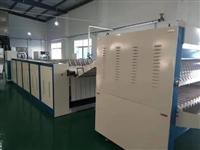
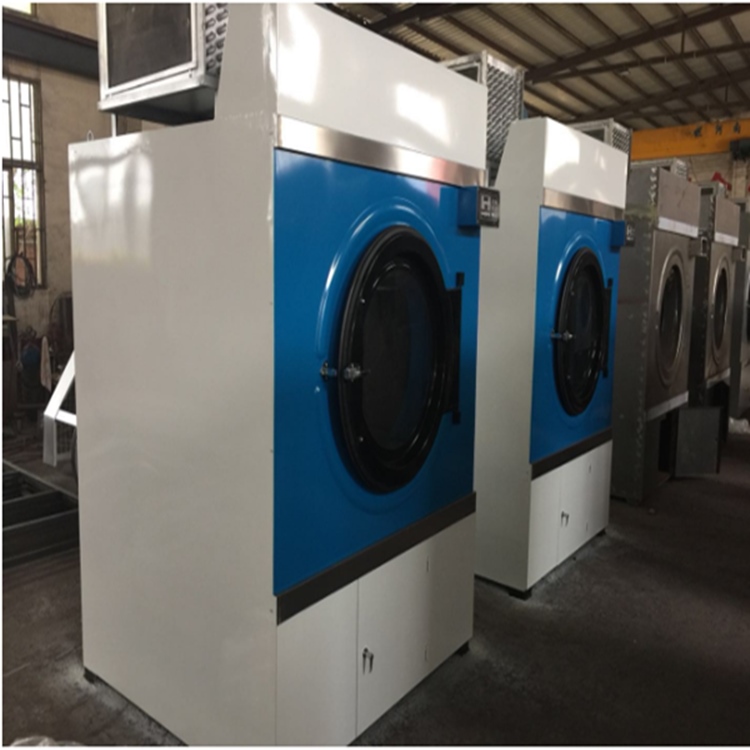
The Medical Laundry and Disinfection Supply Center, as a supporting support department of the hospital, is responsible for the recycling, cleaning, disinfection, drying, folding, ironing, sewing, and distribution of reusable bedding, work clothes, and auxiliary fabrics in the hospital. It is also responsible for the recycling, classification, cleaning, disinfection, drying, inspection and maintenance, packaging, sterilization, storage, and distribution of reusable equipment, tools, and items throughout the hospital. The third-party medical disinfection supply center strictly follows the requirements of national medical washing regulations for planning and design, setting up clean areas, semi polluted areas, and polluted areas. Physical isolation walls are used to strictly implement the separation of clean and dirty areas, and logistics and human flow separation methods are adopted to strictly separate the living and working areas, ensuring that personnel and items do not cross or flow back. The medical fabric and soft and hard equipment washing and disinfection center is equipped with fully automatic isolation washing machines, dryers, trough ironing machines, folding machines and other washing equipment. The disinfection center is equipped with advanced cleaning, disinfection and sterilization equipment such as various types of cleaning machines, high-pressure steam sterilizers, low-temperature plasma sterilizers, etc. It also has its own sewage treatment center. Carry out surgical bag packaging business and extended services such as surgical instrument and medical bed rental, to help small and medium-sized medical institutions reduce the cost investment of related businesses and obtain fast and convenient rental services for corresponding surgical bags, fabrics, and surgical instruments. Provide one-stop comprehensive services for more medical institutions.




AfterSalesService :
Key words:- Medical washing equipment