


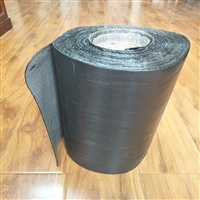


Supply self-adhesive crack resistant stickers, crack resistant stickers for road surfaces, and crack resistant stickers for preventing reflective cracks on highways
Category:
building materials/Geosynthetic materials/Composite geotechnical materials
Model:
complete
Brand:
Sheng Yue
Retail Price
1.80USD
重量
kg
- Product Description
-
Description :
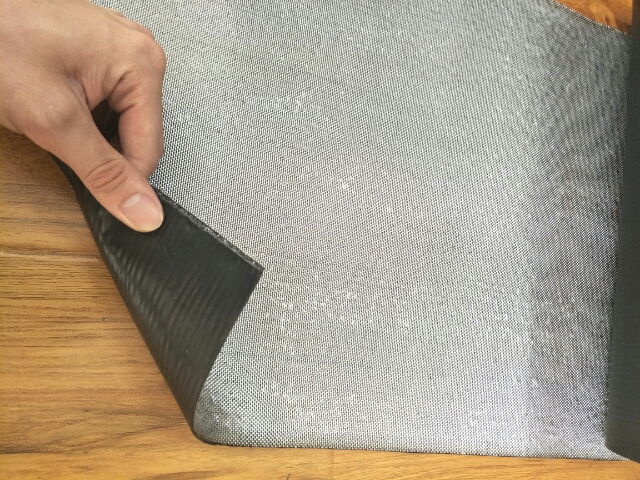
Crack resistant stickers are laid on the surface of interlayer cracks to form a complete waterproof and anti-seepage layer, which can block the infiltration path of rain and snow water, thereby reducing water damage to the road surface.
Self adhesive performance
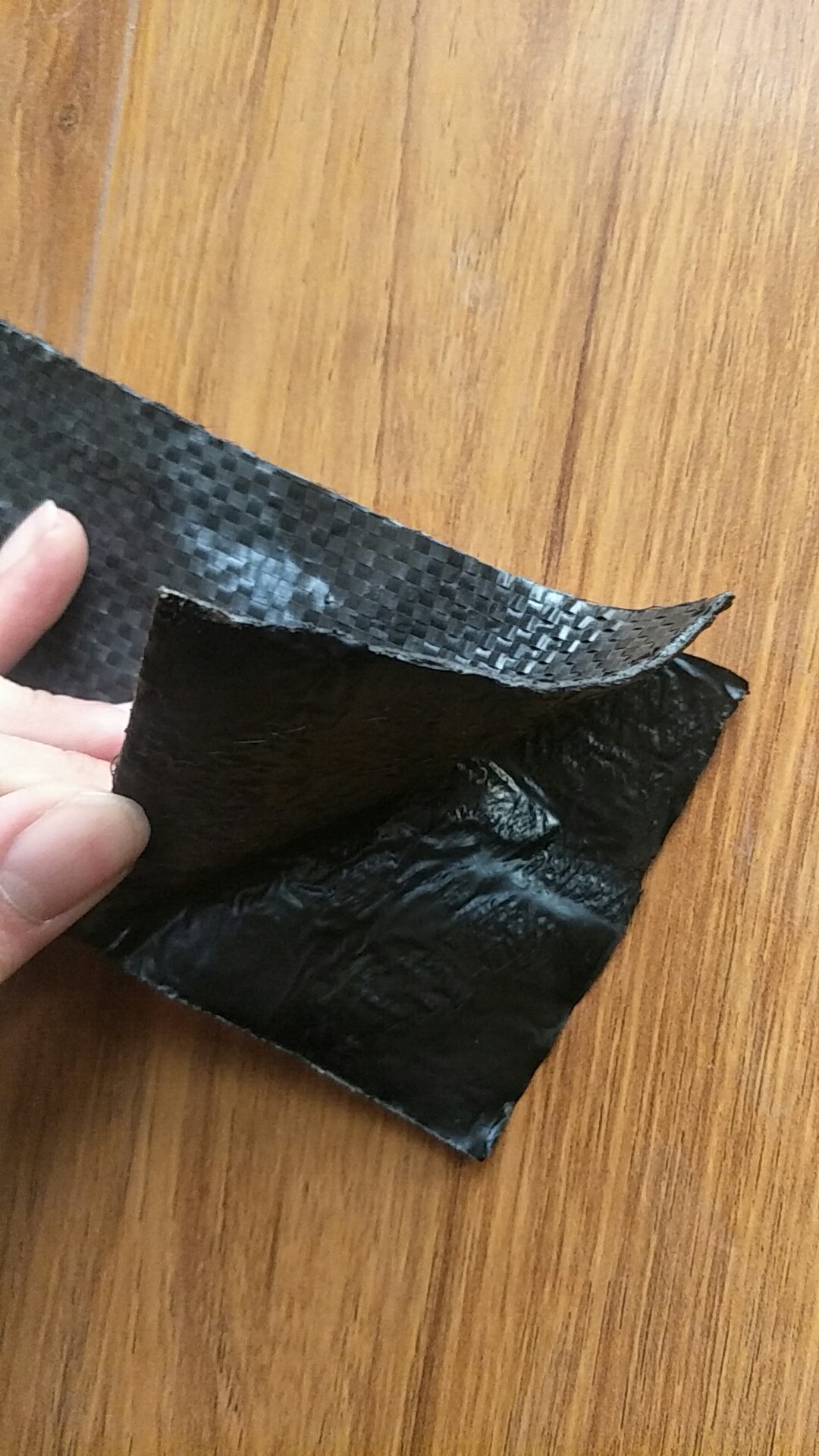
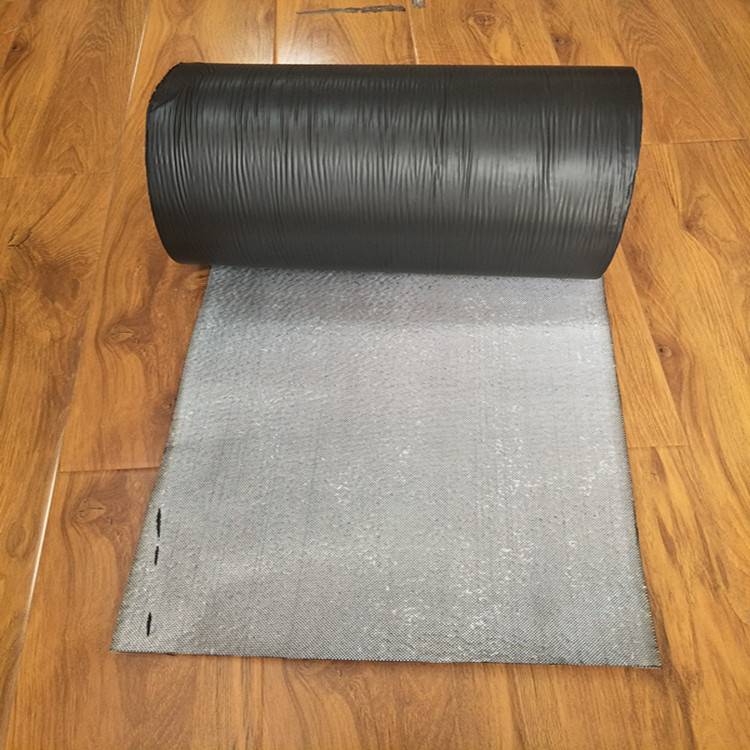
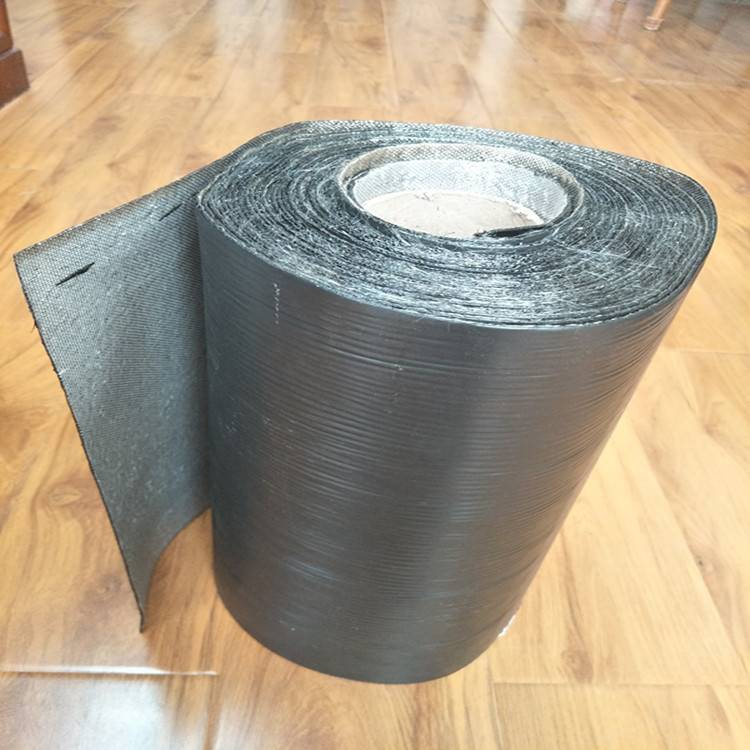
This product has self-adhesive properties and is easy to apply. After removing the isolation film, it is directly bonded to the crack area. After being stabilized by a small compaction equipment, it is more firmly bonded to the road surface without displacement, which can meet the requirements of upper layer asphalt mixture paving construction.
Applying anti cracking stickers to asphalt concrete surfaces that produce cracks or peeling can reduce and block the thermal shrinkage stress acting on the road surface, thus reducing the tendency of cracks to reflect through the surface layer. Laying and pavement can isolate the base layer from the upper wear layer, thereby protecting the upper layer from multi-directional displacement and shear stress. It is used in highways, bridges, and airports.
Usage requirements
1. Surface treatment
(1) Remove dust, water, and other debris from adhered surfaces to keep the road surface dry and clean.
(2) Clean the cracks with a width between 5-19mm and fill them with sealant.
(3) Clean the cracks and sunken areas with a width between 19-50mm, fill them with adhesive sand, sealant or asphalt mixture, and compact them to the existing height.
(4) Cracks or potholes with a width exceeding 50mm should be cleaned first, and then filled with adhesive sand or hot asphalt mixture and compacted to the existing height.
(5) For cracks and sunken areas with different heights, leveling treatment should be carried out.
(6) Clean or treat the protrusions on the bridge deck and road surface until they are smooth.
2. Environmental conditions
(1) It should be used under conditions where the surface temperature is not less than 10 ℃.
(2) If there is overlap during the laying process, the overlap length is 50mm. It cannot exceed the overlap of two layers.
(3) It is recommended to roll the polymer anti cracking adhesive tape 2-3 times with a rubber roller after installation.
(4) After the laying is completed, vehicles can pass through, but the interval between the laying and the upper layer should not exceed 24 hours.
3. Asphalt overlay
(1) After the correct installation of anti cracking stickers, they should be closely integrated with the construction of the upper layer to avoid moisture and rain.
(2) After laying the anti cracking sticker, emulsified asphalt and other adhesive oils can be spread according to the construction specifications of hot asphalt mixture. To prevent vehicles or pavers from sticking to the anti cracking sticker, some fine-grained crushed stones or mixtures can be sprinkled on top of the anti cracking sticker.
(3) The thickness of the hot asphalt mixture laid on the anti cracking patch should be greater than 30mm. When laying the hot asphalt mixture, the high-temperature resistant fabric on the upper layer will not undergo high-temperature deformation, ensuring the formation of a local high-strength asphalt mixture structural layer; After the high polymer coating is melted, it seeps out from the gaps of the fabric and adheres very well to the asphalt mixture; The lower coating has a sufficient amount of high polymer to fill the potholes on the base surface after melting, which enhances the bonding force with the base surface. The stability of the lower coating and the tire base ensures the formation of a relatively uniform composite interlayer, which meets the requirements of crack resistance and waterproofing. 1. Reinforcement effect
The high-temperature resistant fabric on the surface of the anti cracking sticker has a high tensile strength, which can withstand the tensile stress at the interlayer cracks, limit the development of crack width, and play a reinforcing role, thus enhancing the tensile strength of the local structural layer of the asphalt pavement.
2. Energy dissipation buffering effect
The polymer in anti cracking stickers is a material with certain viscoelasticity and good low-temperature flexibility. When laid between asphalt pavement layers, the tensile stress at the crack is gradually attenuated to a wider range through the expansion of the good viscoelastic composite layer, which can absorb tensile energy.
3. Waterproof and anti-seepage effect
Crack resistant stickers are laid on the surface of interlayer cracks to form a complete waterproof and anti-seepage layer, blocking the path of rainwater and snow infiltration, thereby reducing water damage to the road surface.
4. Self adhesive performance
This product has self-adhesive properties and is easy to apply. After removing the isolation film, it is directly bonded to the crack area, making it more firmly bonded to the road surface without displacement.
AfterSalesService :
Key words:- Crack resistant sticker
More Products


