


How to use a tide gauge (RBR tide gauge)
Category:
Instrumentation/Pressure instrument/Pressure controller
Model:
Brand:
model:
complete
type:
Gas pressure controller
Type of pressure sensing element:
Bellows type controller
Processing & Customization:
yes
Place of Origin:
Shaanxi
manufacturer:
Hengrui Measurement and Control
Retail Price
Negotiable
重量
kg
- Product Description
-
model complete
type Gas pressure controller
Type of pressure sensing element Bellows type controller
Processing & Customization yes
Place of Origin Shaanxi
manufacturer Hengrui Measurement and Control
Description :
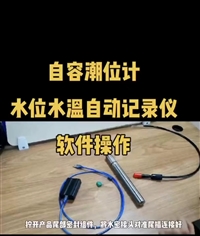
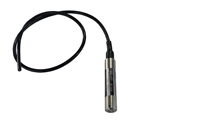
RBR tide gauge
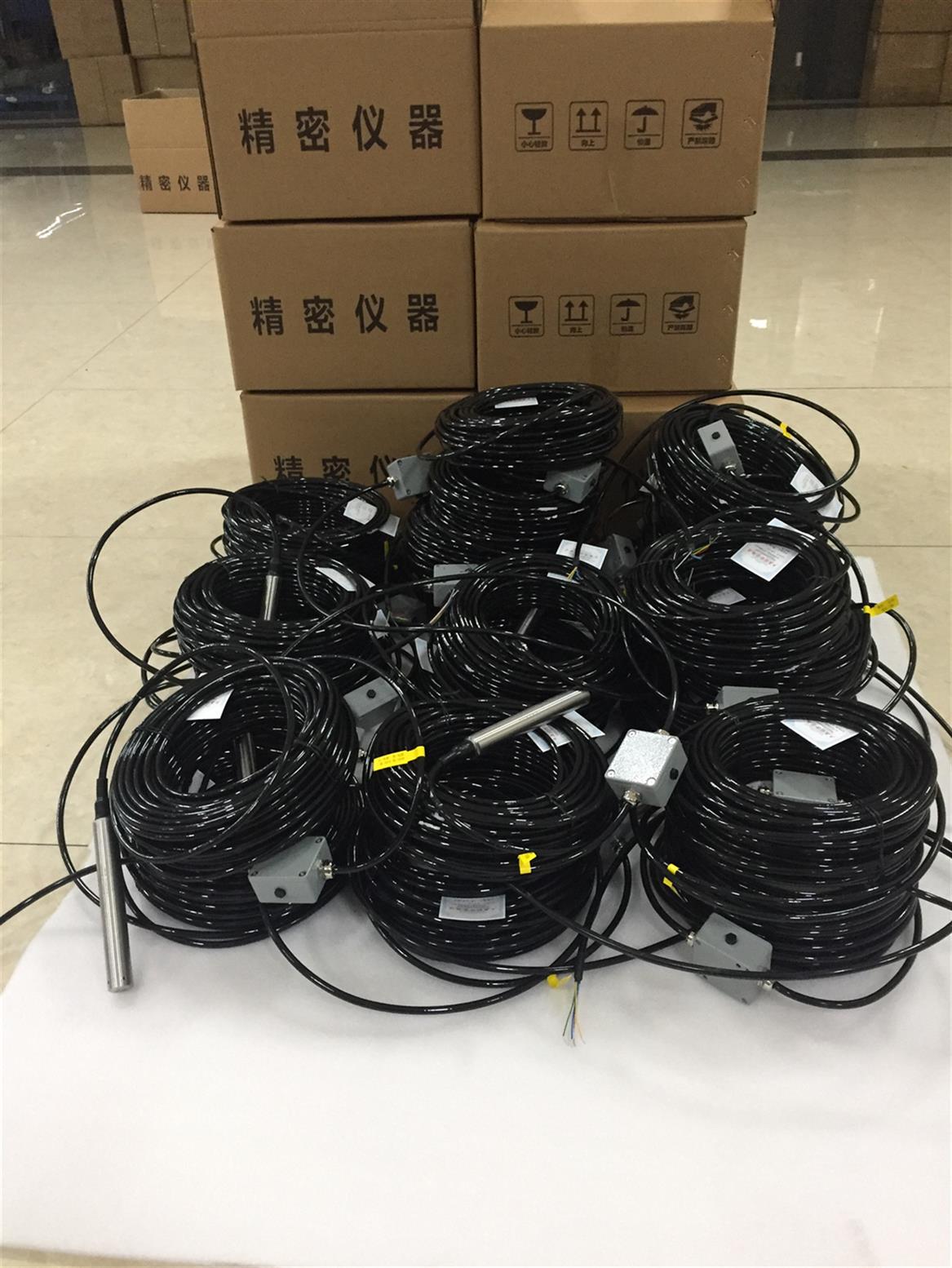
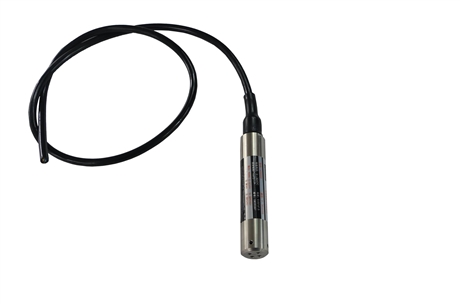
1. The design of RBR echo sounder is to perform continuous and uninterrupted depth measurements through an echo sounder. The echo sounder consists of a transducer tube connected to the host via a cable, a hollow column and a transducer forming the transducer tube, a transmitter/receiver module, a controller, and a battery forming the host.
How to read the tide gauge
1. How to analyze annual tidal data? Due to its high resolution, it can; Used for Year The Tide Xi Analysis However, when used for one-year tidal data; When analyzing, it is necessary to ensure that the one-year data cannot be separated; Regarding the division of tides again; Merge into one tide and calculate it; It The precision of calculation; Degree Higher than Da; Erwen The; The essence Degree . Using spectral analysis method to expand tidal potential; The result is related to; The difference in the unfolded results is very small.
2. Look at the amplitude of the curve, what is the tide level, what is the tide level. The tide table is displayed using a coordinate chart, with the horizontal axis representing 24 hours of time per day, usually represented by 0-6-12-18-0; The vertical axis represents the height of the rising and falling tides each day, where 0 represents the altitude of the location.
3. He also pointed out that; Out, tidal range The size and celestial bodies; The quality of the product; Positive Compared to the distance between celestial bodies and Earth; The third power of reversal; Compared to this, it can be said that; Understand the Moon; Tidal Power; Bitai Yang Yin; The tidal force is strong, and the tides on Earth are mainly caused by the moon. Further advancing tidal theory; Moving forward It is Laplace; He mentioned; Tidal movements have occurred; Mechanics theory and the introduction of Earth's deflection force are used to solve several ideal global oceans;.
Tide level observation method
1. When observing the water level, first use a heavy hammer; ( Or floating drum&# 41; Put it down, when the hammer is in contact with the surface of the seawater, then; Check the reading of the indicator ring on the water gauge board; The reading at that time is the tide level at that time.
2. The methods of tidal level observation and benchmark tidal level observation can adopt various methods or approaches such as water gauges (groups), float tide gauges, acoustic water level gauges, etc. to obtain tidal level data.
3. In practical terms, usually only 11 of the larger tidal components can be selected to obtain results with little deviation. The 11 commonly used sub trends are:; 1. Taiyin, shallow water of the sun 1/4 day tidal division, represented by symbols MS? Indicating that the cycle is 103 hours;. These 11 tidal components, 1-4 are semi diurnal tidal components, and 5-8 are diurnal tidal components.
Tide gauge elevation
1. Measure the zero point of the water gauge relative to the country using leveling measurement method; The elevation in the standard base plane is used to fix the zero point and level of the water level; The mutual relationship between the sea surface and the depth datum ensures the tide level; Consistency of data;. Tide level observation method; Observation of Water Gauge Tide Level; Self recording water level gauge for tidal level observation; Water gauge observation; Observation and Recording; Tide gauge station setup; Setting up tidal wells
How to use a tide gauge
1. Balanced Tide; In the second half of the century, Newton used the law of universal gravitation to explain tidal phenomena and proposed the theory of equilibrium tides. This theory was developed by Bernoulli; Euler et al; Research and Development; Upon investigation, it was found that; Further improvement has been made;. The equilibrium tide theory assumes that; The surface of the ball is completely covered by seawater; And without considering friction and inertia;. In Under the influence of tidal force; The sea surface is far away; Open the original equilibrium position; And assuming that at any given moment, the sea surface is constantly in contact with; Tidal force and gravity; The synergy of forces; Vertical Thus achieving the goal of being new at any time; The balance;. Due to; Tidal Power; Periodic changes; Make the sea surface periodic; Sex The rise and fall; Reduce Change This state of the sea surface is called equilibrium tide;. The equilibrium tide is completely hypothetical; The state of; Actual ocean tides; Due to being affected
Method of fixing tide gauge
1. Make three holes with a diameter of 4MM at an angular spacing of 120 degrees at the height of the "inlet hole"; Rust prevention measures should be taken for the fixed poles of the tide level indicator, antenna, and lightning rod. The tide level indicator should be at least 5 meters above the ground. The height of the lightning rod should be at least 1 meter higher than that of the omnidirectional antenna.
Analysis method of tide gauge
1. There are various methods for tidal analysis, including harmonic analysis, tidal height linear combination filtering, least squares method, and response analysis, among which tidal harmonic analysis is the most common. Also known as harmonic analysis, it is a specific application of Fourier analysis.
2. There are various methods for tidal analysis, including harmonic analysis, tidal height linear combination filtering, least squares method, and response analysis, among which tidal harmonic analysis is the most common.
Method of deploying tide gauge
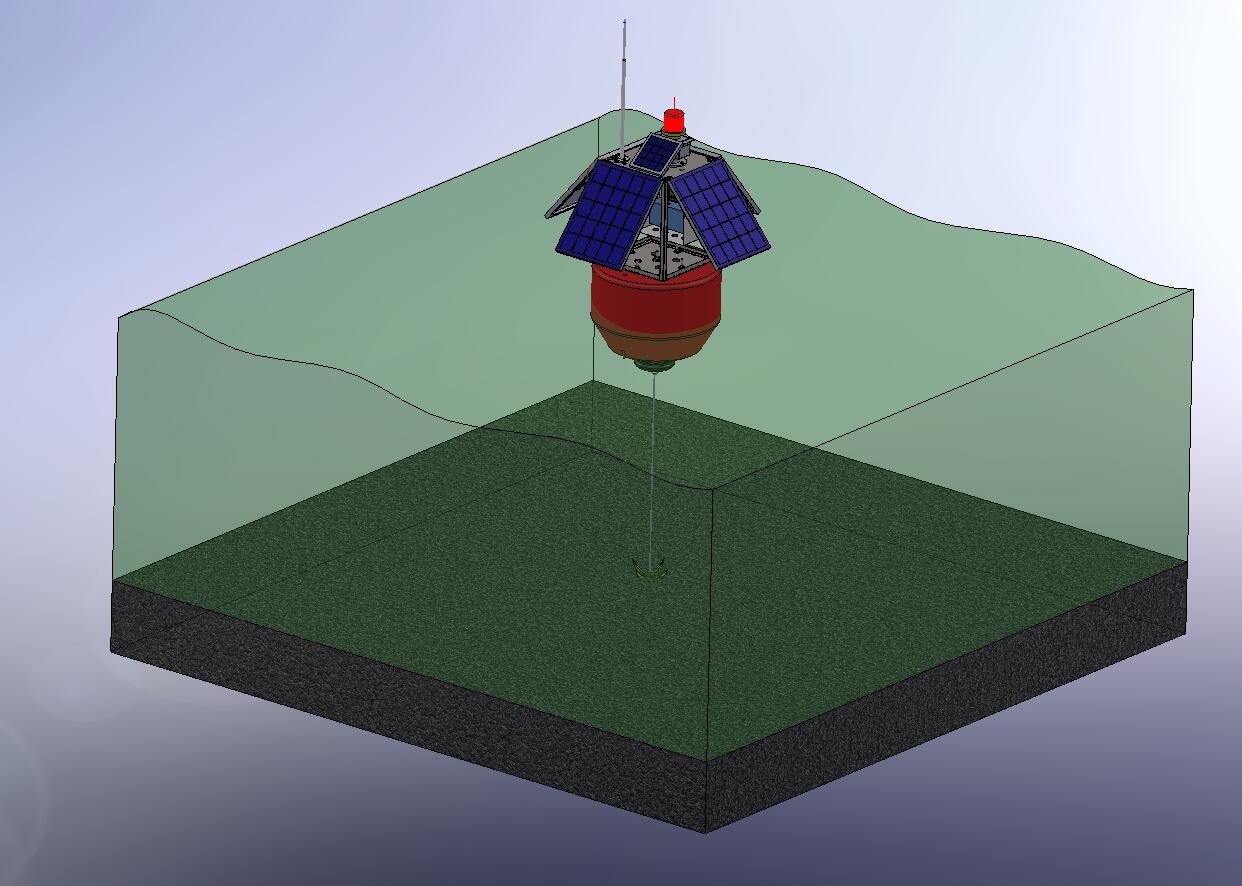
1. After selecting the location for placing the tide gauge, all the legs of the base are driven into the seabed through seismic sinking to stabilize the base on the seabed; After the earthquake subsides, place heavy objects on the bottom plate of the base to further secure it; 3. Fix the column in the column installation sleeve;
Usage of Tide Gauge
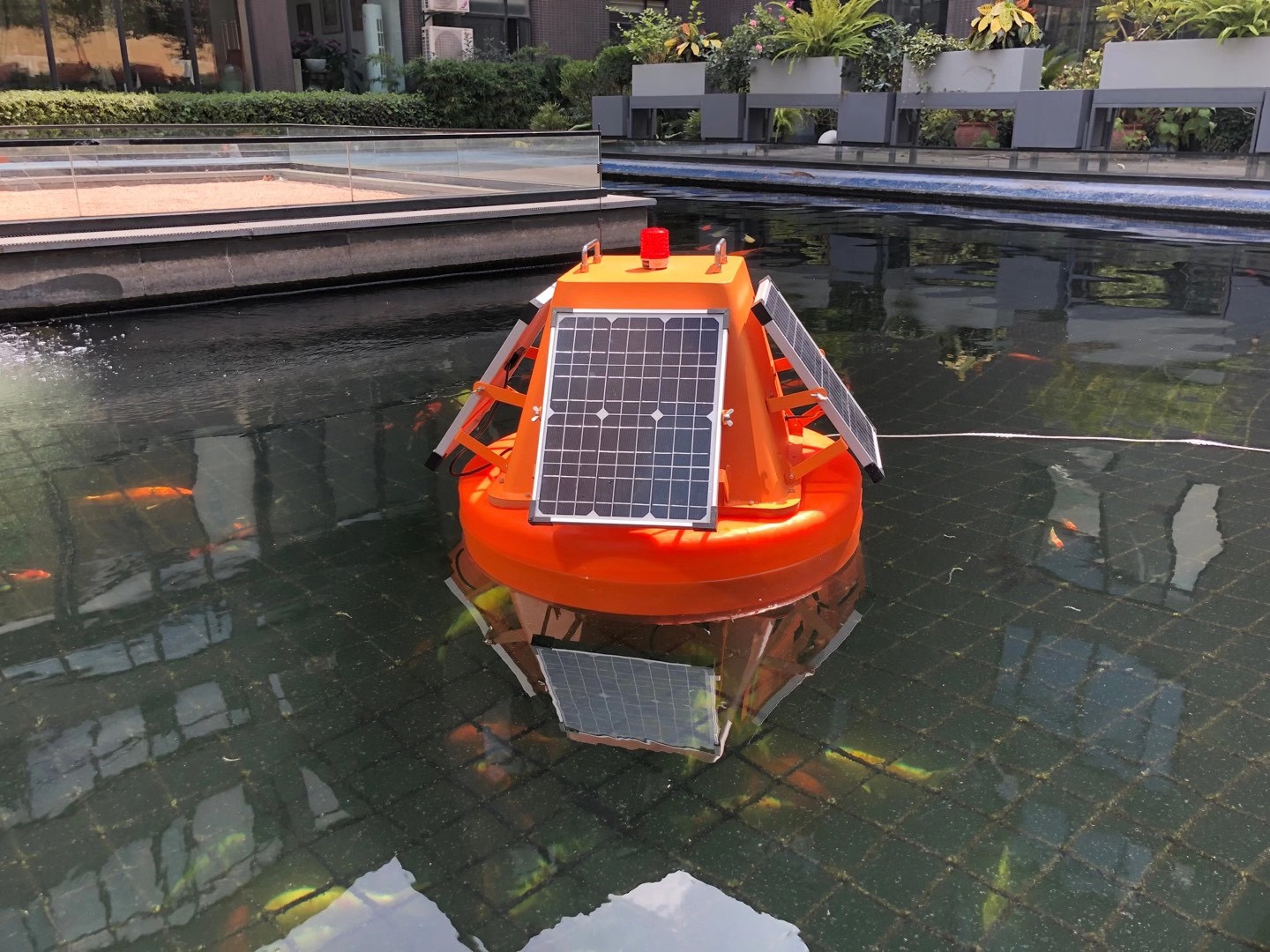
1. The use of a self-contained tide gauge is relatively simple, simply install it in a suitable location, such as a dock, buoy, or seabed base, and ensure that the sensor is fully submerged in water. Once installed, the tide gauge can automatically record changes in water level and store the data in internal memory or external devices.
2. What is tidal harmonic analysis? Tidal harmonic analysis is a method of tidal analysis. There are various methods for tidal analysis, including harmonic analysis, tidal height linear combination filtering, least squares method, and response analysis, among which tidal harmonic analysis is the most common. Also known as harmonic analysis, it is a specific application of Fourier analysis. Fourier analysis refers to a set of mathematical methods that expand any periodic function into a Fourier series and represent any non periodic function as a Fourier integral. The classic tidal analysis method, when applying this analysis principle, first records the constituent tides in the measured tidal level; ( Such as the Taiyin tidal system, the solar tidal system, etc; Separate and conduct harmonic analysis. Calculate the amplitude and phase angle of each tidal component, and after astronomical correction, obtain the harmonic constant of that tidal component. Tidal harmonic analysis can be used to calculate tidal changes during a certain period and analyze the tidal properties of the area. Chinese name.
3. What are the ways to utilize tidal energy? Tides, as a natural phenomenon, have provided convenience for human navigation, fishing, and salt drying. As early as the 11th century, Britain, France, and Spain had waterwheels that utilized tidal energy. At that time, tidal waterwheels were used to absorb a small portion of the total potential energy and produce about 30-100 kilowatts of mechanical energy. At present, the main way of utilizing tidal energy is through power generation.
4. Tidal harmonic analysis is a method of tidal analysis. There are various methods for tidal analysis, including harmonic analysis, tidal height linear combination filtering, least squares method, and response analysis, among which tidal harmonic analysis is the most common. Also known as harmonic analysis, it is a specific application of Fourier analysis. Fourier analysis refers to a set of mathematical methods that expand any periodic function into a Fourier series and represent any non periodic function as a Fourier integral. The classic tidal analysis method, when applying this analysis principle, first records the constituent tides in the measured tidal level; ( Such as the Taiyin tidal system, the solar tidal system, etc; Separate and conduct harmonic analysis. Calculate the amplitude and phase angle of each tidal component, and after astronomical correction, obtain the harmonic constant of that tidal component. Tidal harmonic analysis can be used to calculate tidal changes during a certain period and analyze the tidal properties of the area. Chinese name.
5. Tides, as a natural phenomenon, have provided convenience for human navigation, fishing, and salt drying. As early as the 11th century, Britain, France, and Spain had waterwheels that utilized tidal energy. At that time, tidal waterwheels were used to absorb a small portion of the total potential energy and produce about 30-100 kilowatts of mechanical energy. At present, the main way of utilizing tidal energy is through power generation.
6. The complete tidal research objects include earth tides, ocean tides, and air tides. Tide: Also known as solid tide, it refers to the elastic plastic deformation of the solid Earth under the gravitational force of the sun and moon, known as solid tide. Tide: The periodic rise and fall and advance and retreat of seawater under the gravitational force of the sun and moon are called ocean tides.
Tide gauge usage instructions
1. HY1300 is a very compact self-contained tide gauge that is not affected by surface waves and accurately measures temperature and tide changes.
How to use tide level measurement
1. To use tide level timing, the first step is to select a suitable measuring point located above the water surface and install the tide gauge at that position. Attention should be paid to the height and position of the tide gauge during installation to ensure the accuracy of the data. After installation, it is necessary to set the sampling time interval and sampling frequency according to the tidal conditions and measurement requirements.
AfterSalesService :
Key words:- Tide gauge
More Products