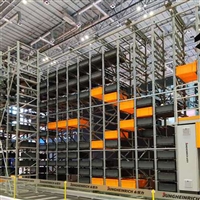
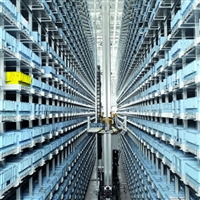
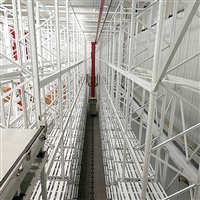
Intelligent warehousing and logistics equipment, automated three-dimensional warehouse
Category:
Transportation/Warehousing equipment/Storage shelves
Model:
Customize according to customer's goods type
Brand:
Ding Nuo
Retail Price
1,616.00USD
重量
kg
- Product Description
-
Description :
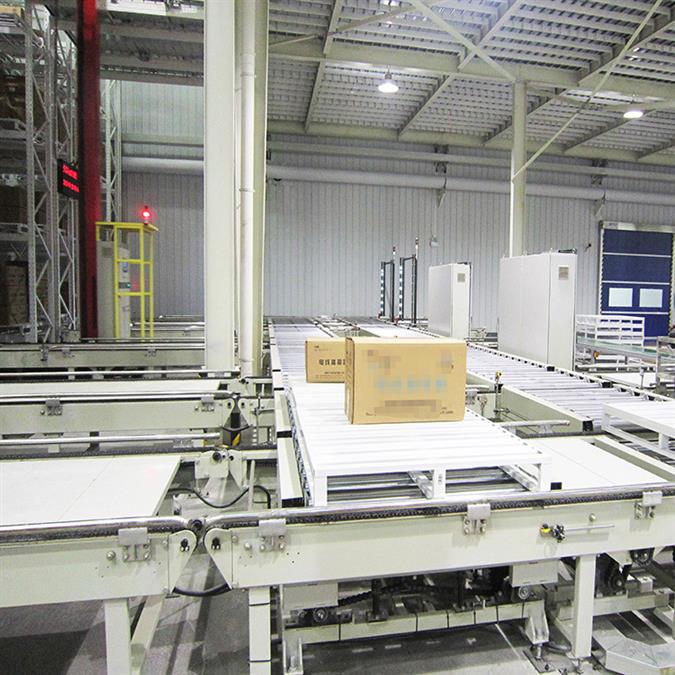
Automated three-dimensional warehouses use computers to accurately manage product information, reducing errors that may occur during storage and improving work efficiency. At the same time, the three-dimensional automated warehouse realizes mechanization in the transportation of goods entering and leaving the warehouse, ensuring safe and reliable handling work, reducing the rate of damage to goods, and providing a good storage environment for some goods with special environmental requirements, such as toxic and explosive goods, through special design, which also reduces the potential harm to people when handling goods.

The emergence and development of warehouses are the result of production and technological advancements after World War II. In the early 1950s, three-dimensional warehouses using bridge stacker cranes appeared in the United States; In the late 1950s and early 1960s, a driver operated tunnel style stacker crane three-dimensional warehouse appeared; In 1963, the United States took the lead in using computer control technology in elevated warehouses and established a computer-controlled three-dimensional warehouse. Subsequently, automated stereoscopic warehouses have rapidly developed in the United States and Europe, forming specialized disciplines. In the mid-1960s, Japan began to build automated warehouses and the development speed became increasingly fast, becoming one of the countries with more automated warehouses in the world today.
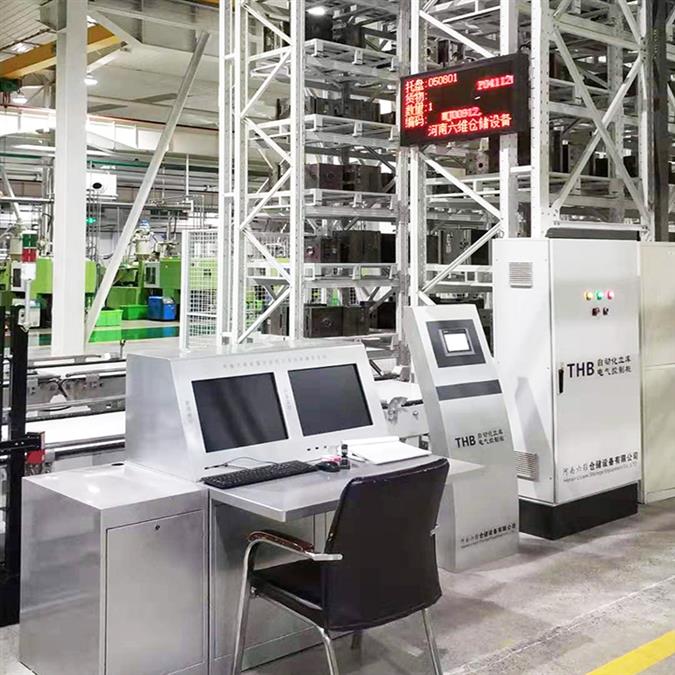
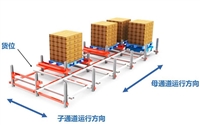
Generally speaking, automated three-dimensional warehouses include: inbound temporary storage area, inspection area, palletizing area, storage area, outbound temporary storage area, pallet temporary storage area, non-conforming product temporary storage area, and miscellaneous area. When planning, it is not necessary to include every area mentioned above in the three-dimensional warehouse. It is possible to reasonably divide each area and add or remove areas according to the user's process characteristics and requirements. At the same time, it is necessary to consider the material flow process reasonably, so that the flow of materials is unobstructed, which will directly affect the ability and efficiency of the automated three-dimensional warehouse.
The development of three-dimensional warehouses and their material handling equipment in China did not start too late. In 1963, a bridge type stacker crane was developed, and in 1973, a computer-controlled automated three-dimensional warehouse (15 meters high) was developed. The warehouse was put into operation in 1980. By 2003, the number of automated three-dimensional warehouses in China had exceeded 200. Due to its high space utilization rate, strong inbound and outbound capabilities, and the use of computers for control and management, three-dimensional warehouses have become an indispensable warehousing technology for enterprise logistics and production management, and are increasingly valued by enterprises.
AfterSalesService :
Key words:- Intelligent warehousing and logistics equipment