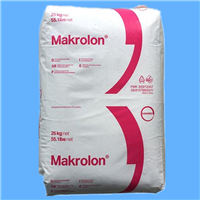
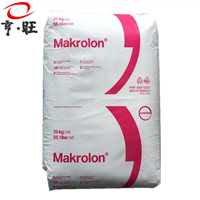


High viscosity PC, German Covestro 3108, can be sterilized at high temperatures
Category:
Rubber and plastic/engineering plastic/PC
Model:
Brand:
Bayer Germany
Retail Price
25.00USD
重量
kg
- Product Description
-
Description :
High viscosity PC, German Covestro 3108, can be sterilized at high temperatures
Usage: Medical equipment;
Suitable for ETO and steam sterilization at 121 ℃;
Biocompatibility meets multiple ISO 10993-1 testing requirements;
High viscosity; Injection molding - melt temperature 280-320 ℃;
There are two colors to choose from: transparent and opaque!
For questions about PC raw material injection molding process and other related issues, you can directly click on the "Call" button below for free consultation!
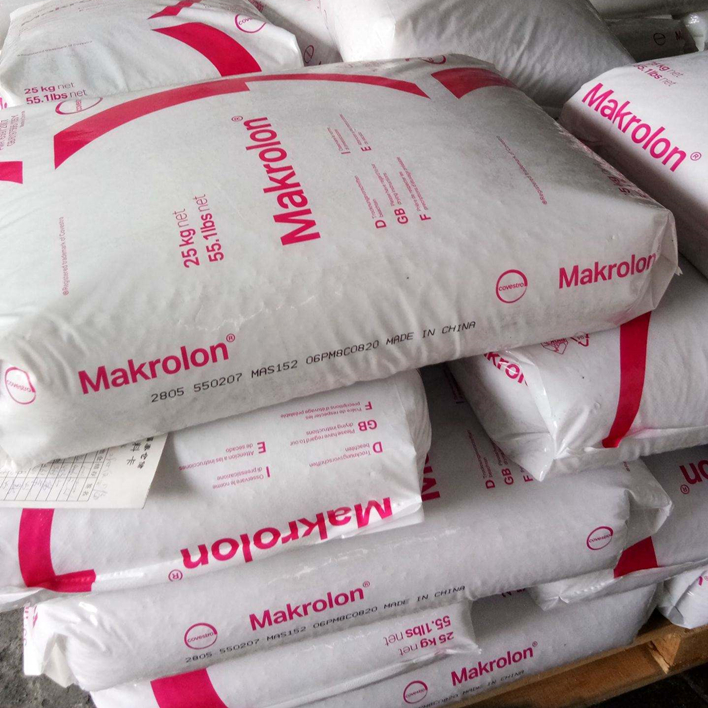
PC Germany Covestro 3108
Makrolon® 3108 Physical Property Table
Characteristics: Ethylene oxide disinfection, biocompatibility, steam disinfection, high viscosity
Usage: Medical/nursing supplies, medical devices
Institutional rating RoHS compliance
Appearance opaque, available colors clear/transparent
Processing method: Injection molding
Physical performance rating unit testing method
Density (23 ° C) 1.20 g/cm3 ISO 1183
Apparent density 1 0.66 g/cm3 ISO 60
Melting rate (melt flow rate) (300 ° C/1.2 kg) 6.5 g/10 min ISO 1133
Dissolved Volume Flow Rate (MVR) (300 ° C/1.2 kg) 6.00 cm3/10 min ISO 1133
shrinkage rate
Vertical flow direction 0.60 to 0.80% ISO 2577
Flow direction 0.60 to 0.80% ISO 2577
Vertical flow direction: 2.00 mm 2 0.75% ISO 294-4
Flow direction: 2.00 mm 3 0.70% ISO 294-4
Water absorption rate ISO 62
Saturation, 23 ° C 0.30% ISO 62
Balance, 23 ° C, 50% RH 0.12% ISO 62
Test method for hardness rating unit system
Ball compression hardness 111 MPa ISO 2039-1
Mechanical performance rating unit testing method
Tensile modulus (23 ° C) 2350 MPa ISO 527-2/1
Tensile stress ISO 527-2/50
Yield, 23 ° C 65.0 MPa ISO 527-2/50
Fracture, 23 ° C 75.0 MPa ISO 527-2/50
Tensile strain ISO 527-2/50
Yield, 23 ° C 6.3% ISO 527-2/50
Fracture, 23 ° C 120% ISO 527-2/50
Nominal tensile fracture strain (23 ° C)>; 50 % ISO 527-2/50
Tensile creep modulus ISO 899-1
1 hr 2200 MPa ISO 899-1
1000 hr 1900 MPa ISO 899-1
Bending modulus 4 (23 ° C) 2350 MPa ISO 178
Bending stress 5 ISO 178
3.5% strain, 23 ° C 72.0 MPa ISO 178
23°C 96.0 MPa ISO 178
Flexural Strain at Flexural Strength 6(23°C) 7.2 % ISO 178
Test method for flammability rating unit system
Flash Ignition Temperature 480 °C
Self Ignition Temperature 550 °C
Supplementary Information Rating
ISO Shortname ISO 7391-PC
Test method for impact performance rating unit system
Simply supported beam notch impact strength 7 ISO 7391
-30 ° C, complete fracture 18 kJ/m2 ISO 7391
23 ° C, local fracture 80 kJ/m2 ISO 7391
Simply supported beam without notch impact strength ISO 179/1eU
-60 ° C without fracture ISO 179/1eU
-30 ° C without fracture ISO 179/1eU
23 ° C without fracture ISO 179/1eU
Suspended wall beam notch impact strength 8 ISO 180/A
-30 ° C, complete fracture 16 kJ/m2 ISO 180/A
23 ° C, local fracture 90 kJ/m2 ISO 180/A
Multi axis Instrumented Impact Energy ISO 6603-2
-30°C 70.0 J ISO 6603-2
23°C 60.0 J ISO 6603-2
Multi axis Instrumented Peak Impact Force ISO 6603-2
-30°C 6500 N ISO 6603-2
23°C 5600 N ISO 6603-2
Test method for thermal performance rating unit system
Heat Deflection Temperature
0.45 MPa, Unanealed 141 ° C ISO 75-2/B
1.8 MPa, Unanealed 129 ° C ISO 75-2/A
Glass transition temperature 9 149 ° C ISO 11357-2
Vicat softening temperature
-- 149 °C ISO 306/B50
-- 150 °C ISO 306/B120
Ball Pressure Test (140°C) Pass IEC 60695-10-2
Linear coefficient of thermal expansion ISO 11359-2
Flow: 23 to 55 ° C 6.5E-5 cm/cm/° C ISO 11359-2
Horizontal: 23 to 55 ° C 6.5E-5 cm/cm/° C ISO 11359-2
Thermal conductivity 10 (23 ° C) 0.20 W/m/K ISO 8302
Test method for optical performance rating unit system
Refractive index 11 1.587 ISO 489
Transmittance ISO 13468-2
1000 μm 89.0 % ISO 13468-2
2000 μm 89.0 % ISO 13468-2
3000 μm 88.0 % ISO 13468-2
4000 μm 87.0 % ISO 13468-2
Haze (3000 μ m)<; 0.80 % ISO 14782
AfterSalesService :
Key words:- High viscosity PC