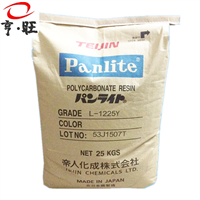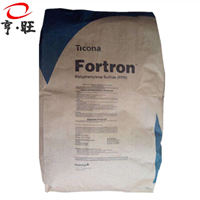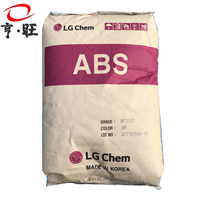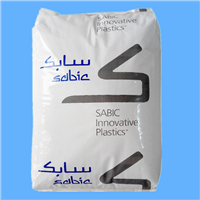
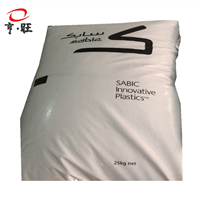


Black PA66 Basic Innovative Plastic; United States&# 41; RFL-36XXY BK1A843
Category:
Rubber and plastic/engineering plastic/PA66
Model:
Brand:
DuPont, USA
Retail Price
45.00USD
重量
kg
- Product Description
-
Description :
Black PA66 Basic Innovative Plastic (USA) RFL-36XXY BK1A843
Our company supplies engineering plastic raw materials, including nylon series, PPO \ PPA \ PC \ ABS \ PCTG, SEBS, and so on. There are various types of plastic covered, complete models, and genuine products at a reasonable price. You can directly contact Ms. He.

1、 The injection molding process can be simply expressed as follows: Previous cycle - mold closure - filling - pressure holding - glue return - cooling - mold opening - demolding - next cycle
In the pressure holding stage of filling, the pressure in the mold cavity increases over time. After filling the full mold cavity, the pressure will remain in a relatively static state to supplement the insufficient amount of glue caused by shrinkage. In addition, this pressure can prevent the phenomenon of glue backflow caused by the decrease in injection. This is the pressure holding stage. After the pressure holding is completed, the pressure in the mold cavity gradually decreases and theoretically can be reduced to zero over time, but in reality it is not zero. Therefore, there is internal stress inside the product after demolding, and some products need to undergo post-treatment to remove residual stress. The so-called stress refers to the force exerted by the free movement of a chain or segment, such as bending deformation, stress cracking, shrinkage, etc.
2、 Main parameters of injection molding
1. Material barrel temperature
The temperature of the injection molding material and the melt temperature play a major role in the flowability of the melt. Since plastics do not have a specific melting point, the so-called melting point is a temperature range in the molten state. The structure and composition of plastic molecular chains are different, so their influence on their flowability is also different. Rigid molecular chains are more significantly affected by temperature, such as PC, PPS, etc., while flexible molecular chains such as PA, PP, PE, etc. have less obvious flowability by changing the temperature. Therefore, the reasonable injection molding temperature should be adjusted according to different materials.
2. Injection speed
The injection speed is the velocity of the melt inside the barrel (also known as the advancing speed of the screw) (MM/S). The injection speed determines the appearance, size, shrinkage, flow distribution, etc. of the product. Generally, it is slow, fast, and then slow. That is, a relatively fast speed is used to make the melt flow through the main channel, branch channel, and gate to achieve the goal of balanced injection. Then, the entire mold cavity is filled with a fast filling method, and the insufficient rubber caused by shrinkage and backflow is replenished at a slower speed until the gate freezes. This can overcome quality defects such as burning, air streaks, and shrinkage.
3. Injection pressure
Injection pressure is the resistance required for the melt to overcome its advance, which directly affects the size, weight, and deformation of the product. Different plastic products require different injection pressures. For materials such as PA and PP, increasing the pressure will significantly improve their flowability. The size of the injection pressure determines the density of the product, that is, its appearance gloss.
4. Mold temperature
Mold temperature: Some plastic materials require a higher mold temperature due to their high crystallization temperature and slow crystallization rate, while others require a higher or lower temperature for controlling size and deformation, or for demolding. For example, PC generally requires a temperature of 60 degrees or above, while PPS sometimes requires a mold temperature of 160 degrees or above to achieve better appearance and improve fluidity. Therefore, mold temperature has an immeasurable effect on improving the appearance, deformation, size, and rubber mold of the product.

AfterSalesService :
Key words:- Black PA66