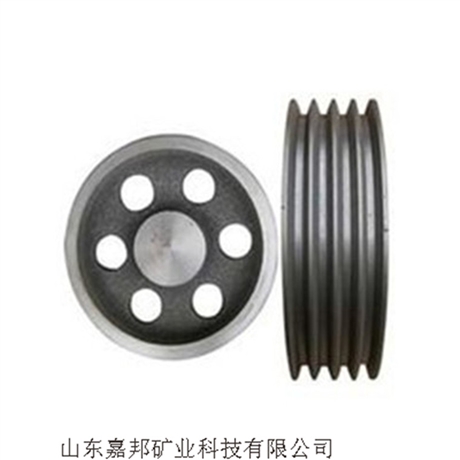



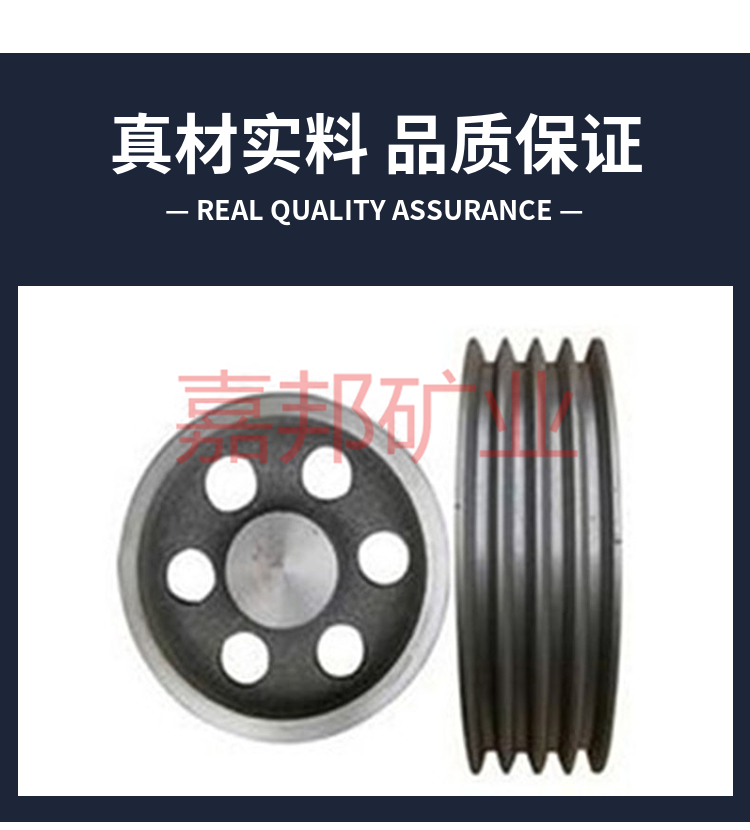
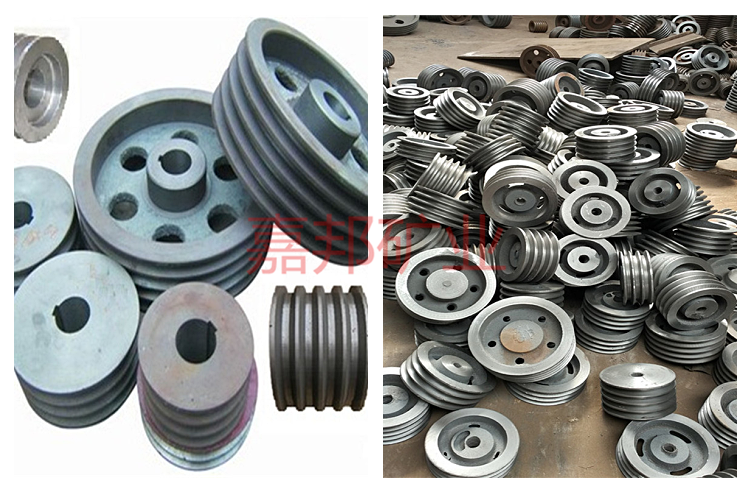
Cast iron B-type belt pulley, triangular belt pulley, smooth surface, crankshaft belt pulley, machining according to the drawing
Category:
machining/Mechanical component processing/Gear processing
Model:
Brand:
Jiabang
Forms of processing trade:
Processing based on drawings and samples
material:
iron
appearance:
cylindrical gear
Annual maximum processing capacity:
six thousand
Annual remaining processing capacity:
five thousand
brand:
Jiabang
Retail Price
50.00USD
重量
kg
- Product Description
-
Forms of processing trade Processing based on drawings and samples
material iron
appearance cylindrical gear
Annual maximum processing capacity six thousand
Annual remaining processing capacity five thousand
brand Jiabang
Description :
Cast iron B-type belt pulley, triangular belt pulley, smooth surface, crankshaft belt pulley, machining according to the drawing
1pulleyProduct Introduction
Belt pulleys belong to the category of hub components and generally have relatively large relative sizes. The manufacturing process is mainly based on casting and forging. Generally, larger sizes are designed using casting methods, and the material is usually cast iron (with good casting performance), rarely cast steel (with poor casting performance of steel); Generally smaller in size, it can be designed for forging and made of steel material. Belt pulleys are mainly used for long-distance transmission of power, such as the output of small diesel engines, agricultural vehicles, tractors, automobiles, mining machinery, mechanical processing equipment, textile machinery, packaging machinery, lathes, forging beds, transmission of some small horsepower motorcycle power, transmission of agricultural machinery power, air compressors, reducers, gearboxes, generators, rolling mills, and so on.
IIpulleySelection Principle
The selection of various indicators and materials for pulleys is based on the principles of minimizing raw materials, feasible processes, and cost while meeting the requirements for use.


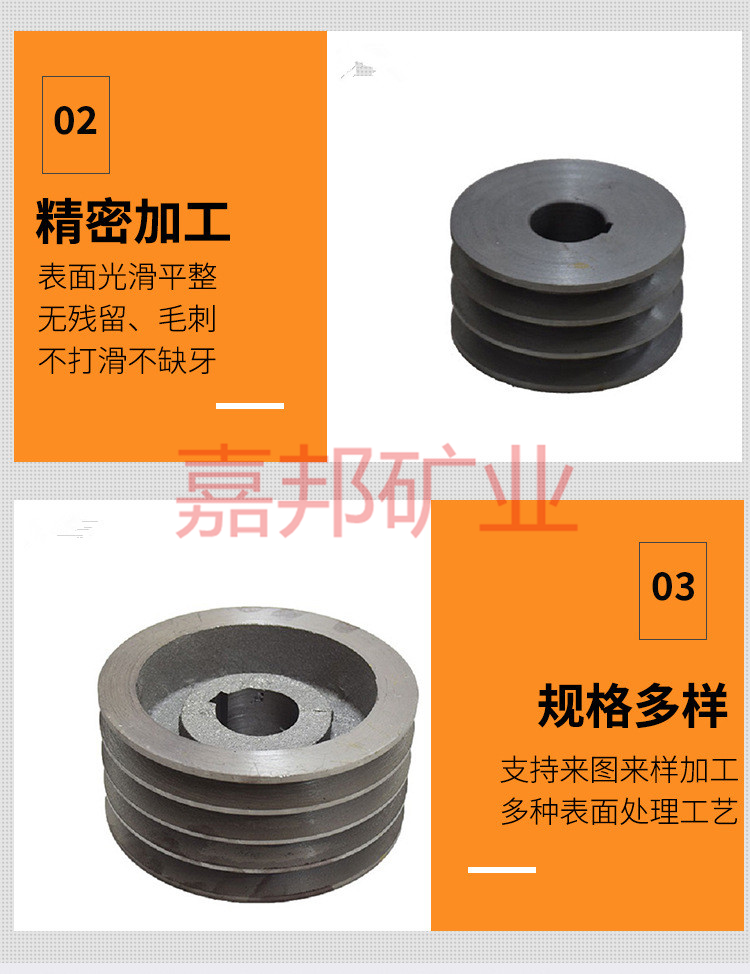



3、 Advantages of belt pulley transmission
The advantages of pulley transmission include: the transmission energy of the pulley can alleviate the impact of the load; The pulley drive runs smoothly, with low noise and vibration; The structure of pulley transmission is simple and easy to adjust; The manufacturing and installation accuracy of pulley transmission is not as strict as that of meshing transmission; The pulley drive has overload protection function; The adjustment range of the center distance between the two shafts of the pulley drive is relatively large. The disadvantages of belt transmission include: elastic sliding and slipping of pulley transmission, low transmission efficiency, and inability to maintain accurate transmission ratio; When the pulley transmission transmits the same amount of circumferential force, the profile size and axial pressure are larger than those of the meshing transmission; The lifespan of the belt driven by pulleys is relatively short. The diameter and other dimensions of the pulleys of various mechanical equipment are customized according to the reduction ratio, and designed based on the working speed and motor speed. Working speed/motor speed=diameter of the driving wheel/diameter of the driven wheel * 0.98 (sliding coefficient). If steel is used as the material for the pulley, the linear velocity is required to be no more than 40m/s, and if cast iron is used, the linear velocity is required to be no more than 35m/s. The conversion ratio between motor speed and pulley diameter is output speed: input speed=pitch diameter of the load pulley: pitch diameter of the motor pulley. The pitch circle diameter and the reference diameter are the same, with a diameter of -2h=pitch circle diameter, where h is the groove depth on the reference line. Different models of V-belts have different h values, Y Z A B C D E, The groove depths on the reference line are h=1.6 2 2.75 3.5 4.8 8.1 9.6. The diameter of the pulley pitch circle is the theoretical diameter of the pulley pitch line position, similar to the pitch circle diameter of a gear Usually represented by PD, the outer circle is usually represented by OD The conversion formula for the pitch circle and outer circle of different groove types is different. Generally, we can easily measure the outer circle of the pulley and calculate the pitch circle based on the formula SPZ:OD=PD+4; SPA:OD=PD+5.5; SPB:OD=PD+7; SPC:OD=PD+9.6。 The minimum outer diameter size of the pulley for A or SPA is 80mm. If it is smaller than this size, especially at high speeds, the belt is prone to delamination and cracks at the bottom. SPZ strap, small wheels not less than 63mm are sufficient. At the same time, attention should be paid to the installation technique and tension of the belt. If it is too small, it is easy to slip, and if it is too large, it is easy to damage the belt and bearings.
AfterSalesService :
Key words:- Cast iron B-type pulley
More Products