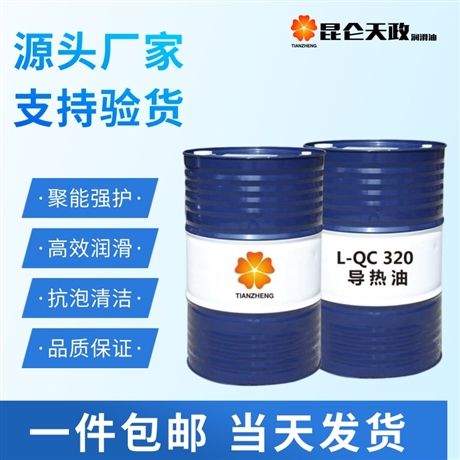



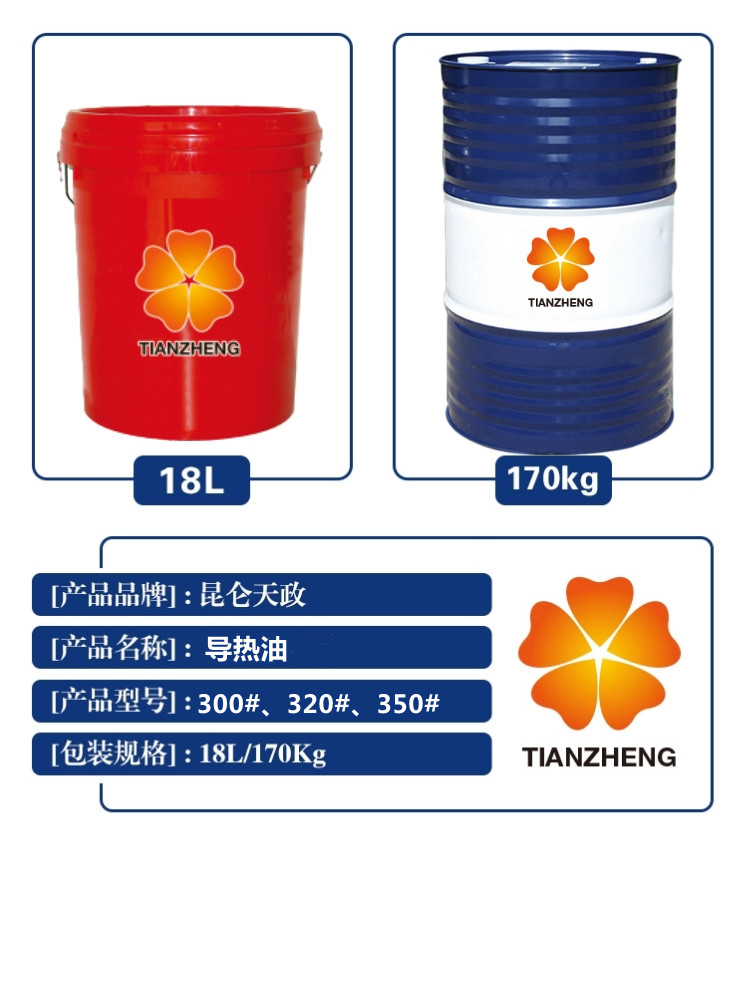
Customized synthesis of heat transfer oil with good reputation and high temperature resistance of 300 degrees Celsius
Category:
mechanical equipment/Industrial lubricants/Heat transfer oil
Model:
240#280#300#320#340#350#
Brand:
Kunlun Tianzheng
Retail Price
1,500.00USD
重量
kg
- Product Description
-
Description :
Protection of thermal oil during use:
1. To avoid oxidation of heat transfer oil, due to the high temperature operation of heat transfer oil in the heat carrier, oxidation reactions are prone to occur, causing deterioration and deterioration of the heat transfer oil. Therefore, nitrogen protection is usually applied to the high-temperature expansion tank set up to ensure the closure of the heat carrier system, avoid contact between the heat transfer oil and air, and extend the service life of the heat transfer oil;
2. Avoid coking of heat transfer oil. When the operating temperature of heat transfer oil exceeds the high operating temperature, coking may occur on the wall of the oil guide pipe. As the coking layer thickens, the high wall temperature of the oil guide pipe promotes adhesion coking, and the continuously thickening wall temperature further increases. With the continuous thickening of the pipe wall, the heat transfer performance deteriorates, and pipe bursting accidents may occur at any time. Therefore, the temperature of the heat transfer oil at the outlet of the heat carrier should not exceed the high operating temperature, and the high film temperature of the heat carrier should be lower than the allowable oil film temperature;
3. Regularly inspect leakage points and strengthen on-site monitoring to ensure that the heat carrier system is intact and leak free. Regularly inspect equipment for corrosion and leakage, and promptly repair any leaks found. Therefore, the heat carrier system should be designed reasonably, and the equipment wall thickness and pressure resistance strength should be regularly tested during use. Pressure gauges, safety valves, and vent pipes should be installed on the equipment and pipelines;
4. Prevent the mixing of water and other impurities into the heat carrier. As the heat carrier heats up, the water dissolved in it will quickly vaporize, causing the pressure inside the heat pipe to rise sharply and leading to uncontrollable levels, which may cause accidents. Therefore, the heat transfer oil should be slowly heated up before being put into use to remove water and other light impurities from the heat transfer oil;
5. Regularly test and analyze the physical and chemical indicators of the heat carrier, such as residual carbon, acid value, viscosity, flash point, melting point, etc., to timely grasp the quality changes and analyze the reasons for the changes. When the acid value exceeds 0.5mgKOH/g, the viscosity changes by 15%, the flash point changes by 20%, and the residual carbon (mass fraction) reaches 1.5%, it proves that the performance of the heat transfer oil has changed. Regularly and appropriately supplement new heat carriers to maintain a stable residual carbon content in the system.


Application scope of thermal oil:
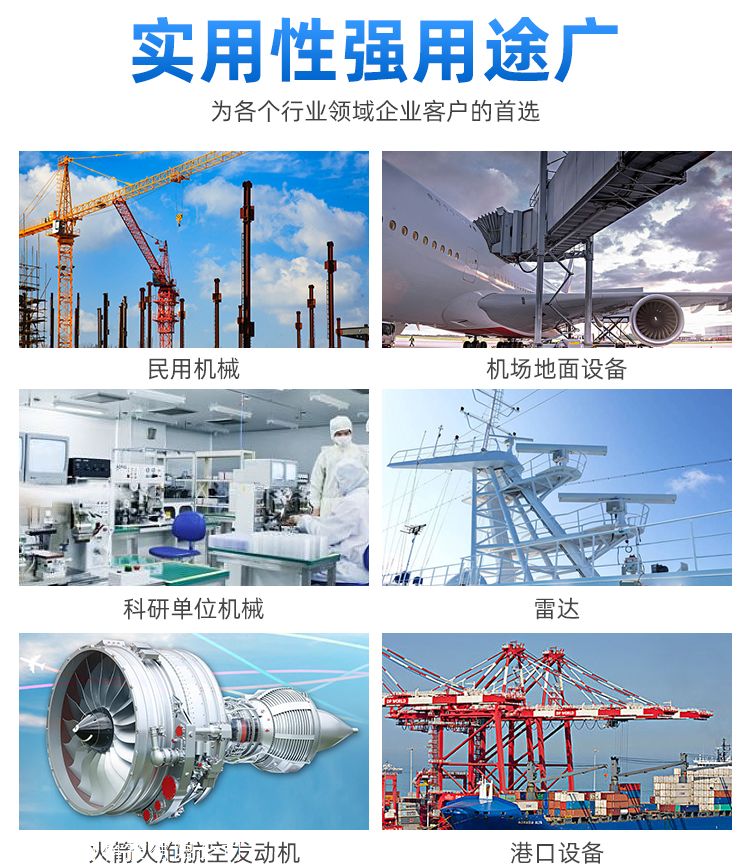
1. Industrial field: Applied industry and equipment Rubber and plastic industry: hot pressing, rolling, extrusion, vulcanization, artificial leather processing, film processing;
2. Fine chemical industry: synthesis of pharmaceuticals, pesticide intermediates, anti-aging agents, surfactants, fragrances, etc;
3. Oil chemical industry: fatty acid distillation, oil decomposition, distillation, concentration, nitration;
4. Chemical fiber industry: polymerization reaction, melt spinning, thermosetting, fiber finishing;
5. Paper industry: hot melt machines, corrugated board processing machines, dryers;
6. Wood processing: composite board pressing, drying machine;
7. Electrical processing: Manufacturing of wires and cables;
8. Energy industry: waste heat recovery, solar energy utilization, reactor heat extraction;
9. Food industry: grain drying, food baking;
10. Air conditioning industry: household greenhouse chemicals and;
11. Petrochemical industry: polymerization, decomposition, distillation, concentration, evaporation, melting equipment, etc;
12. Building materials industry: asphalt melting, insulation, gypsum board drying;
13. Textile printing and dyeing industry: hot melt dyeing, heat setting, drying equipment.
The application range of heat transfer oil in the market is still relatively wide, mainly due to its high solubility. The performance advantage of this is that it can reduce the formation of sediment, which can continue to provide more comprehensive protection for some equipment systems; Another aspect is that the thermal oil system mainly selects relatively fine mineral oil, which can prevent the decomposition of lubricating oil, and further prevent the decomposition, oxidation, and thickening of lubricating oil.
Precautions for thermal oil:
1. The authenticity of the product at high operating temperatures was determined by the Institute of Stone Science using thermal stability testing methods, which means that after testing at high operating temperatures, the appearance is transparent, without suspended solids or precipitation, and the total change rate is not greater than 10% corresponding to the temperature. Analyze the authenticity of the product manual by comparing it with the new standards. Especially, it is important to understand how the specified high operating temperature is determined and whether there is an institutional testing report. According to international standards, the high temperature usage temperature of mineral based thermal oil does not exceed 320 ℃, and most of these oils have a high usage temperature of 300 ℃;
2. Assess the evaporation and safety of the product, and ensure that the flash point meets the standard requirements. The initial boiling point should not be lower than its high operating temperature, the distillation range should be relatively narrow, and the ignition point should be relatively high;
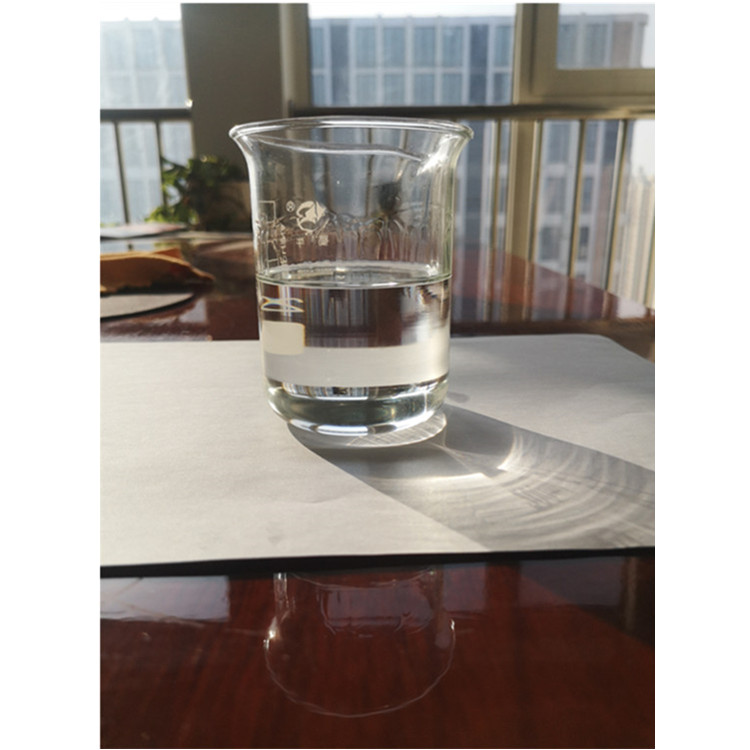
3. The refined depth of the product is examined, and it appears as a light transparent liquid with good storage stability. It does not change color or precipitate after exposure to light. Residual carbon not exceeding 0.1%, sulfur content not exceeding 0.2%;
4. Assess the low-temperature fluidity of the product and select the appropriate low-temperature performance based on the user's location and the environmental temperature of the equipment. The pour point of QB and QC is not higher than -9 ℃, and the low-temperature kinematic viscosity (at 0 ℃ or lower temperature) is relatively low;
5. The heat transfer performance of the product is evaluated for its low viscosity, high density, high specific heat capacity, and thermal conductivity;
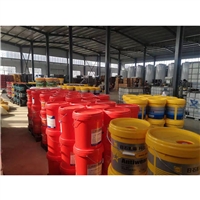
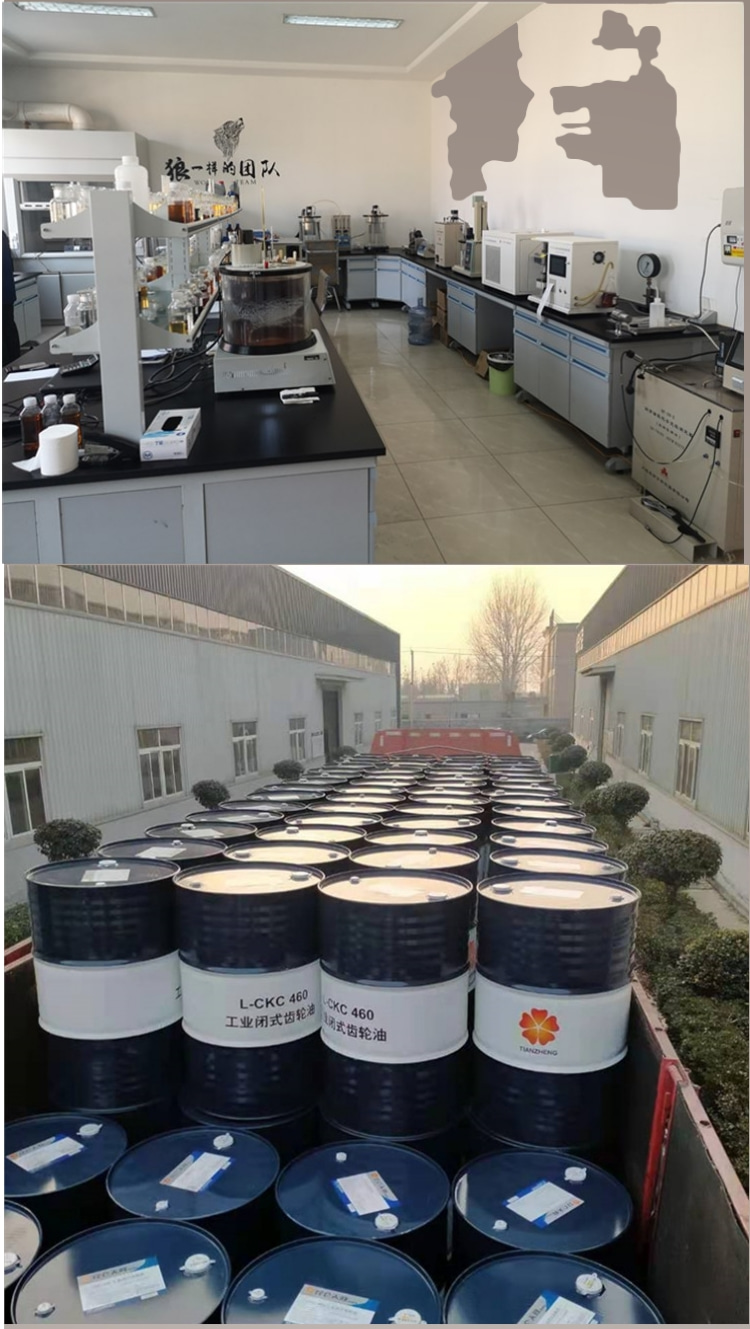
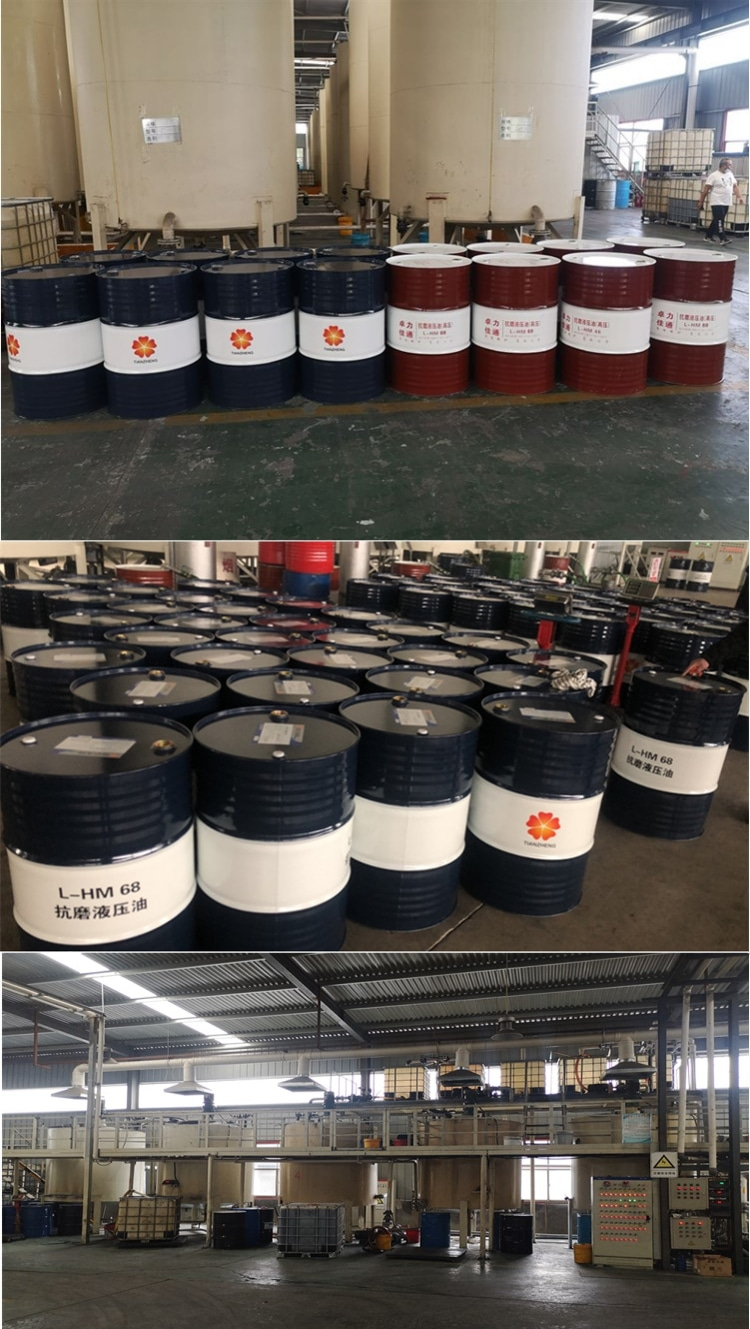
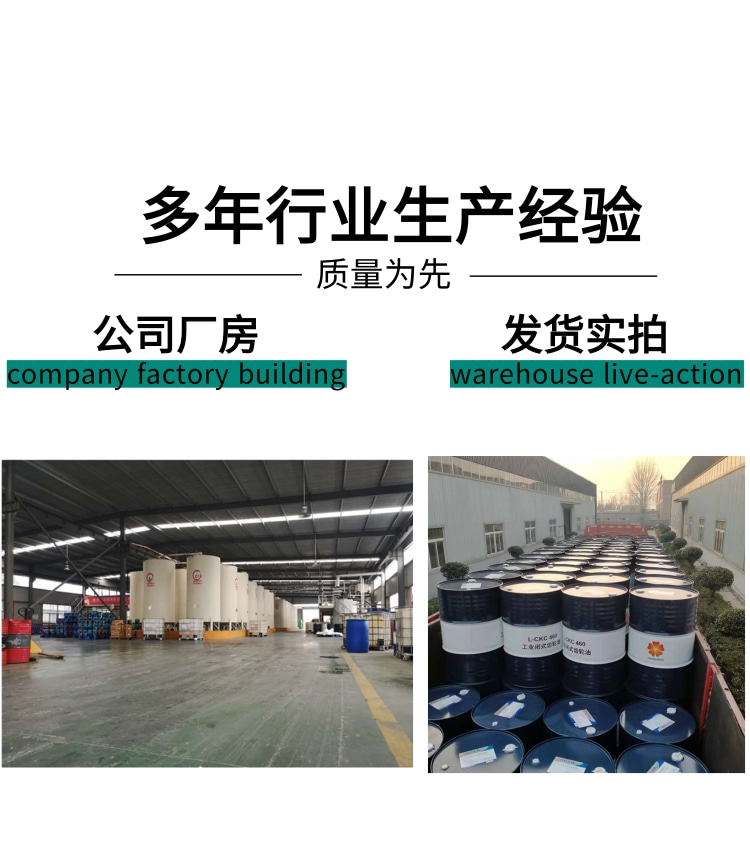
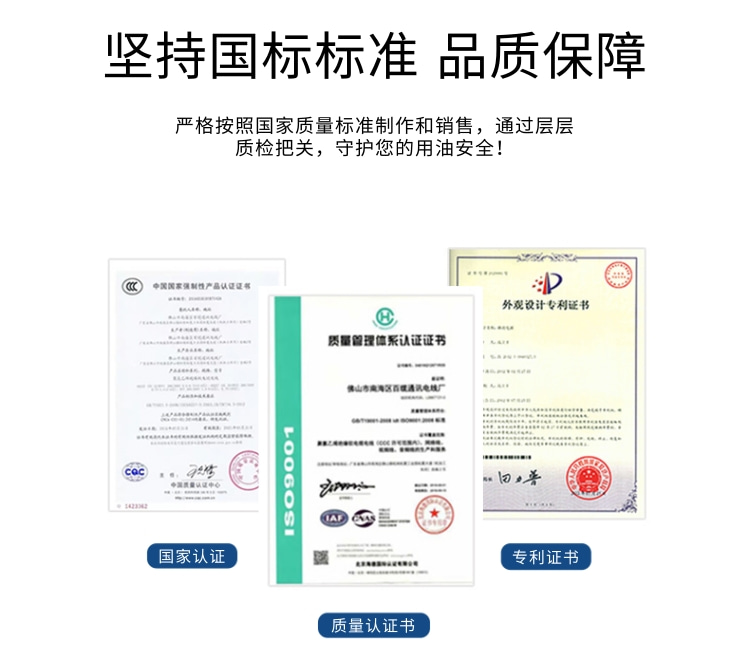
6. Choose products produced by legitimate manufacturing enterprises. If conditions permit, on-site inspections can be conducted to assess the completeness of its production equipment and testing methods.
AfterSalesService :
Key words:- Thermal oil model
More Products