
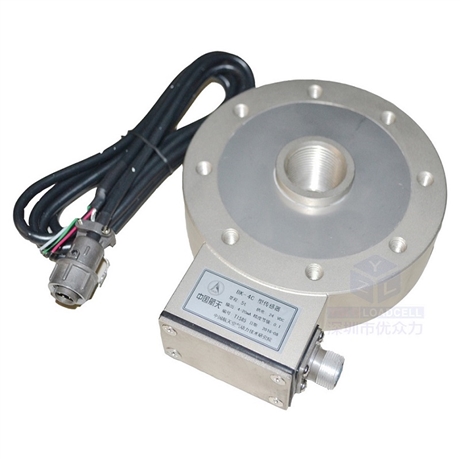

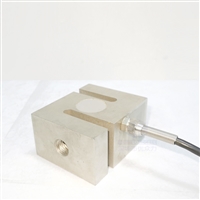
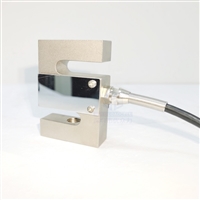
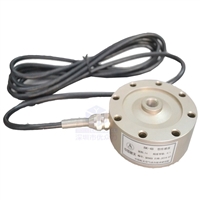
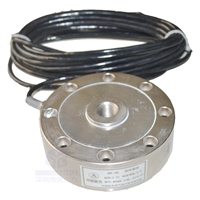
BK-4C type tension and pressure sensor BK-4C-300t sensor
Category:
electron/Sensors, sensitive components/force sensor
Model:
BK-4C-300t
Brand:
ALLEGRO
brand:
ALLEGRO
model:
BK-4C-300t
manufacturing process:
integration
output signal:
Simulated type
material:
metal
Physical properties of materials:
conductor
Material crystal structure:
single crystal
Is it imported:
No
Temperature compensation range:
-10-40
sensitivity:
two
Operating Temperature:
-30~70
input impedance:
four hundred
Output impedance:
three hundred and fifty
insulation resistance:
five thousand
insulation resistance:
five thousand
nonlinear:
zero point zero three
repetitiveness:
zero point zero three
hysteresis:
zero point zero two
Working Voltage:
9~12
quantity:
nine thousand nine hundred and ninety-nine
batch number:
-
Retail Price
180.00USD
重量
kg
- Product Description
-
brand ALLEGRO
model BK-4C-300t
manufacturing process integration
output signal Simulated type
material metal
Physical properties of materials conductor
Material crystal structure single crystal
Is it imported No
Temperature compensation range -10-40
sensitivity two
Operating Temperature -30~70
input impedance four hundred
Output impedance three hundred and fifty
insulation resistance five thousand
insulation resistance five thousand
nonlinear zero point zero three
repetitiveness zero point zero three
hysteresis zero point zero two
Working Voltage 9~12
quantity nine thousand nine hundred and ninety-nine
batch number -
Description :
BK-4C type tension and pressure sensor BK-4C-300t sensor detailed descriptionShenzhen Youzhongli Technology Co., Ltd. is a high-tech enterprise that produces weighing sensors and force sensors. It is one of the top 20 enterprises in the domestic weighing and force measurement industry, with ultra-high precision weighing sensors used in various high-precision weighing and force measurement applications. Various specifications of weighing modules are suitable for weighing and measurement control in different fields. Conventional size sensors are available for same day orders and shipped the next day. Customized sensors bring maximum benefits to customers, with large quantities ranging from 500t, 1000t, and 2000t sensors used for high-speed rail, bridges, pressure testing, calibration, and have become the preferred choice for many domestic users,
BK-4C type tension and pressure sensor BK-4C-300t sensor product overview:
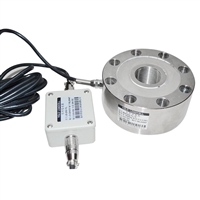
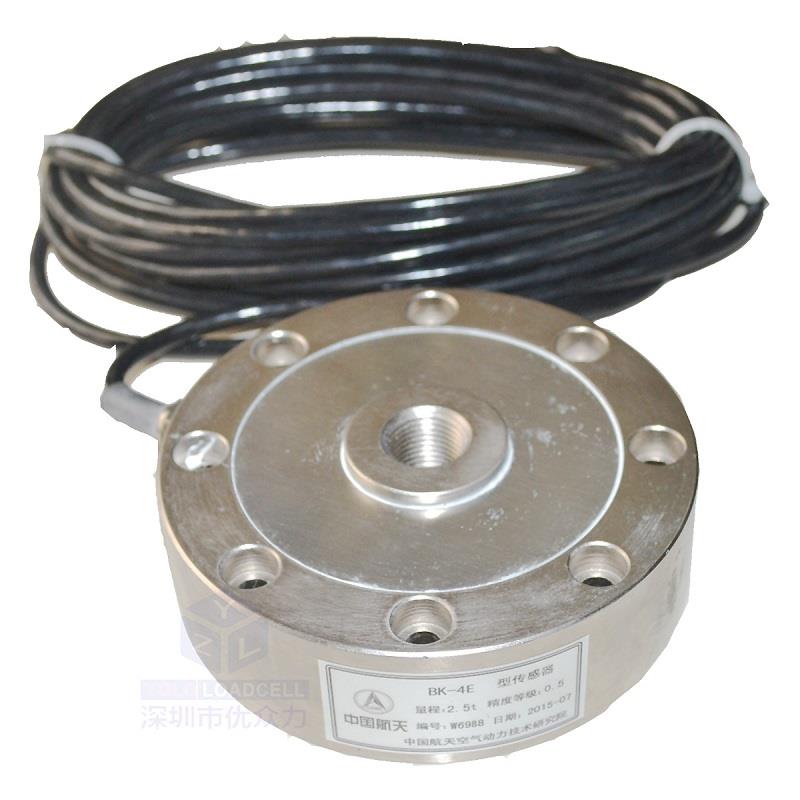
The elastomer is a spoke type, perforated, hard core flat membrane structure with a low external height, used for measuring tensile and compressive forces, and has strong resistance to deflection and lateral forces
High precision, good symmetry of tension and compression output, stable and reliable performance, wide range of measurement, easy installation and use
Tension compression bearing
Suitable for testing various load forces, various tensile and compressive tests, electronic scales, and industrial automation measurement and control systems
BK-4B-100kg、BK-4B-200kg、BK-4B-500kg、BK-4B-1t、BK-4B-1.5t、BK-4B-2t、
BK-4B-3t、BK-4B-5t、BK-4B-10t、
BK-4C-1t、BK-4C-2t、BK-4C-3t、BK-4C-5t、BK-4C-10t、BK-4C-15t、
BK-4C-20t、BK-4C-30t、BK-4C-40t、BK-4C-50t、BK-4C-100t、
BK-4C-200t、BK-4C-300t、BK-4C-400t、
BK-4D-20kg、BK-4D-50kg、BK-4D-100kg、BK-4D-200kg、BK-4D-500kg、
BK-4E-0.2t、BK-4E-0.5t、BK-4E-1t、BK-4E-1.5t、BK-4E-2.5t、
BK-4E-5t、BK-4E-10t、BK-4E-25t、BK-4E-30t、
Principle of weighing sensor: The elastic body (elastic element, sensitive beam) undergoes elastic deformation under external force, causing the resistance strain gauge (conversion element) attached to its surface to deform simultaneously. After the deformation of the resistance strain gauge, its resistance value will change (increase or decrease), and then the corresponding measurement circuit will convert this resistance change into an electrical signal, thus completing the process of converting external force into an electrical signal. From this, it can be seen that resistance strain gauges, elastomers, and detection circuits are essential components of resistance strain weighing sensors. Below is a brief discussion on these three aspects.
1. Resistance strain gauge: Resistance strain gauge is a mechanical distribution of a resistance wire on a substrate made of organic material. An important parameter of a resistance strain gauge is the sensitivity coefficient k. When it is subjected to a force of f at both ends, it will elongate, that is, deform. When elongated, its cross-sectional area decreases and the radius of the cross-sectional circle decreases. The proportional relationship between the resistance change rate (relative change in resistance) and the elongation rate (relative change in length) of a resistance strain gauge.
It should be noted that the sensitivity coefficient k is a constant determined by the properties of the material used to make the metal resistance wire, and is independent of the shape and size of the strain gauge. The k value of different materials is generally between 1.7-3.6. Secondly, the value of k is an dimensionless quantity without dimensions.
In materials mechanics, δ l/l is referred to as strain and denoted as ε. Using it to represent elasticity often appears too large and inconvenient. It is often measured in parts per million and denoted as μ ε.
2. Elastic body: An elastic body is a structural component with a special shape. It has two functions: firstly, it bears the external force acting on the weighing sensor, generates a reactive force on the external force, and achieves relative static equilibrium; Secondly, provide a high-quality strain field (zone) so that the resistance strain gauges pasted in this zone can ideally complete the task of converting electrical signals.
3. Detection circuit: The function of the detection circuit is to convert the resistance change of the resistance strain gauge into voltage output. Because Wheatstone bridges have many advantages, such as being able to suppress the effects of temperature changes, suppress lateral force interference, and easily solve the compensation problem of weighing sensors, Wheatstone bridges have been widely used in weighing sensors.
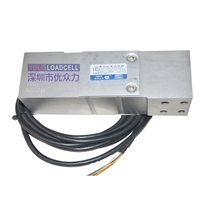
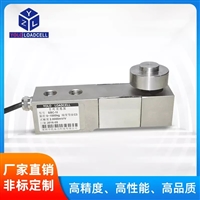
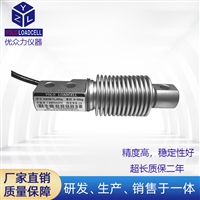
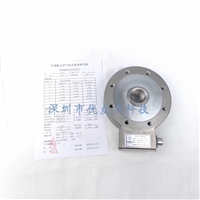
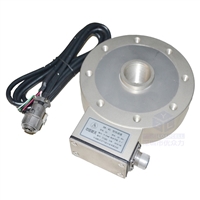
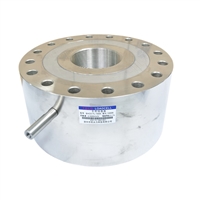
BK-4C type tension and pressure sensor BK-4C-300t sensor picture:



AfterSalesService :
Key words:- BK-4C-300t
More Products