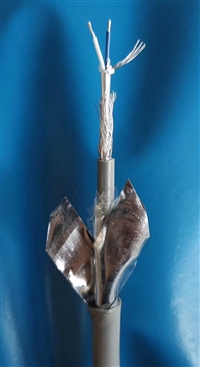


Tianlian telephone cable HYAT25 * 2 * 0.5, welcome to call
Category:
communication/Communication cable/Ordinary cable
Model:
complete
Brand:
Tianlian
Retail Price
1.38USD
重量
kg
- Product Description
-
Description :
Development and Reflection on Fiber Optic Cable and Communication Cable Technology 1. Expand the transmission capacity of a single wavelength. Currently, the transmission capacity of a single wavelength has reached 40Gbit/s, and research on 160Gbit/s has begun. Transmission above 40Gbit/s will pose certain requirements for PMD in optical fibers. At the ITU-TSG15 conference in 2002, the United States proposed the introduction of a new fiber category (G.655. C) for 40Gbit/s systems and suggested in-depth exploration of some issues in PMD transmission. Perhaps in the near future, a specialized 40Gbit/s fiber type will emerge.
2. Realizing ultra long distance transmission and relay free transmission is the ideal for backbone transmission networks. Currently, some companies have been able to use dispersion equalization technology to achieve relay free transmission of 2000-5000km. Some companies are further improving their fiber optic specifications by adopting Raman optical amplification technology, which can greatly extend the distance of optical transmission.
3. To adapt to the application of DWDM technology, the 2 × 2.5Gbit/s DWDM system has been implemented, and the 64 × 2.5Gbit/s and 32 × 10Gbit/s systems are under development and have made good progress. The widespread use of DWDM systems has raised higher requirements for the nonlinear performance of optical fibers. The ITU-T standard for the nonlinear properties and testing methods of optical fibers (G.650.2) has recently been completed. Once the nonlinear testing indicators of optical fibers are clear, corresponding indicators will be proposed for the effective area of optical fibers, especially for the further improvement of the nonlinear characteristics of G.655 optical fibers.
Tianlian telephone cable HYAT25 * 2 * 0.5, welcome to call
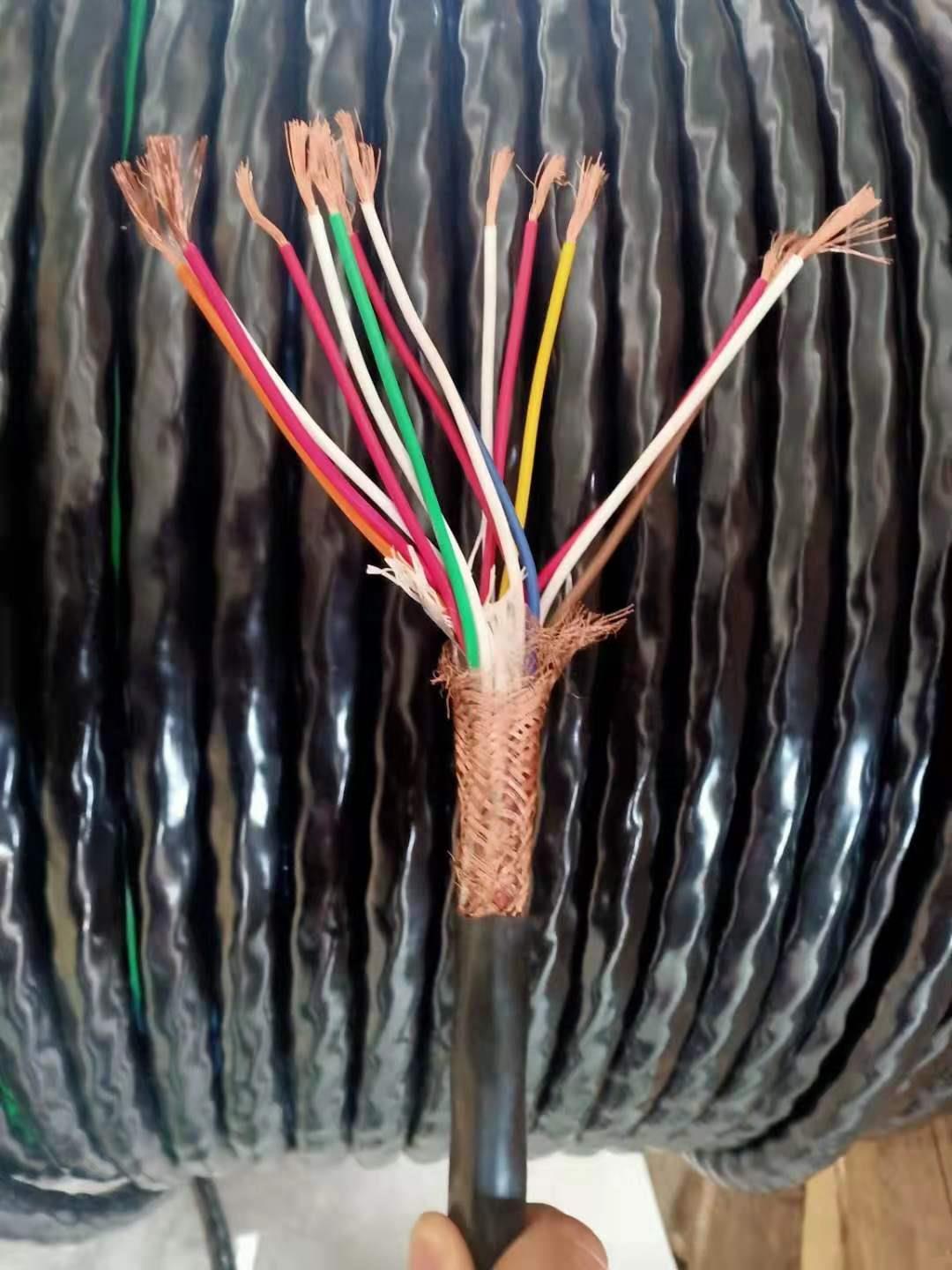
The advantages of cables and optical cables are: 1. There are differences in materials. Cables are made of metal materials (mostly copper and aluminum) as conductors; Fiber optic cables use glass fibers as conductors.
2. There is a difference in the transmission signal. The cable transmits electrical signals. Fiber optic cables transmit optical signals.
3. There are differences in the scope of application. Cables are now commonly used for energy transmission and low-end data information transmission (such as telephone). Fiber optic cables are commonly used for data transmission.
Tianlian telephone cable HYAT25 * 2 * 0.5, welcome to call
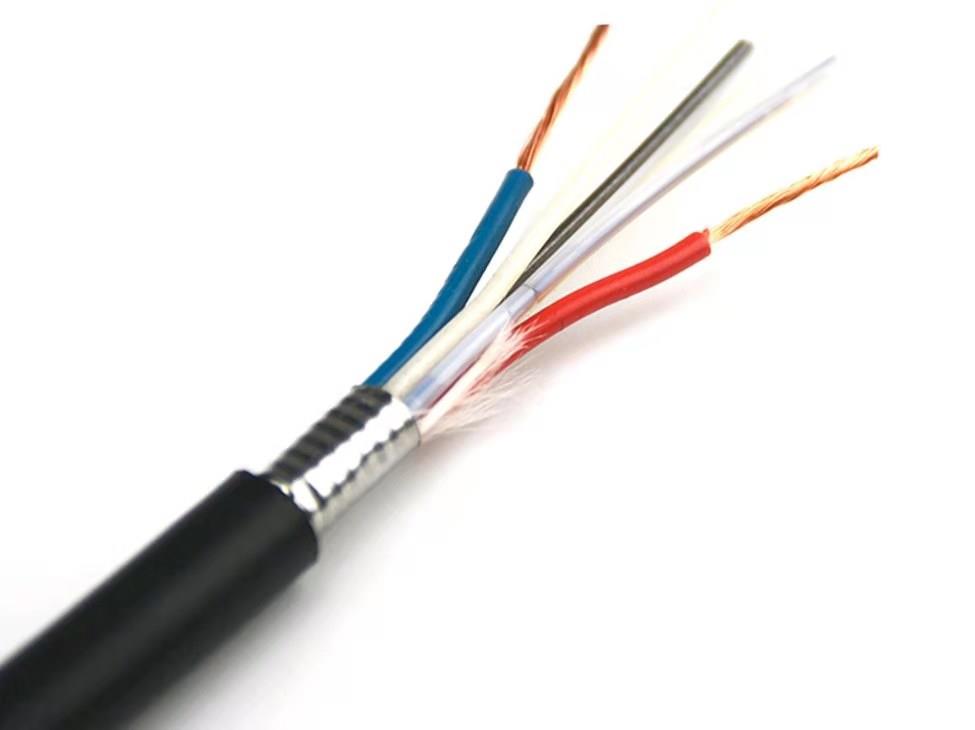
AfterSalesService :
Key words:- Telephone cable HYA