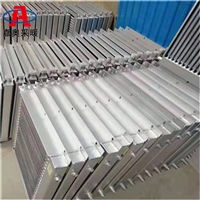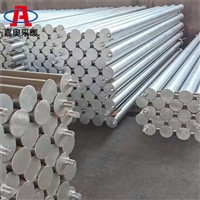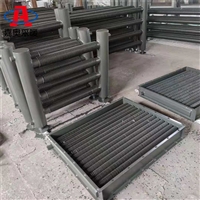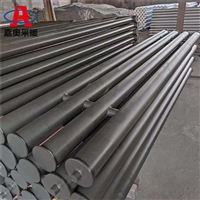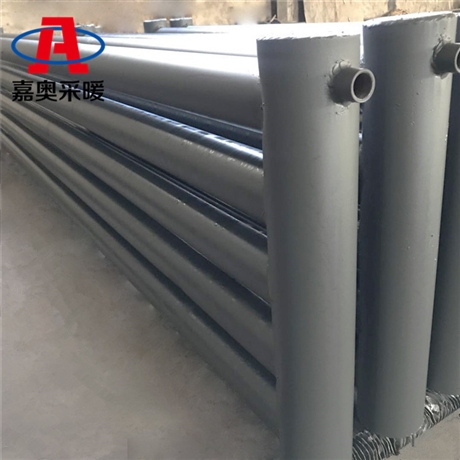

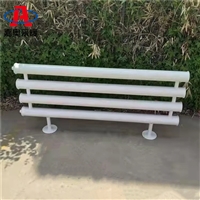


Jiaao GB Ray Tube Heat Sink A-Type Ray Tube Heat Sink Process Diagram D133-4000-4
Category:
hardware/plumbing hardware /Radiator
Model:
D133-4000-4
Brand:
Jiaao
brand:
Jiaao
model:
D133-4000-4
structural type:
Pipe type
Principle Type:
Convective heat dissipation
material:
steel
Processing & Customization:
yes
Installation type:
wall-mounted
surface treatment:
Rust proof paint, silver powder
Specifications and Dimensions:
four thousand
Place of Origin:
Hengshui, Hebei
manufacturer:
Jiaao Heating
Retail Price
350.00USD
重量
kg
- Product Description
-
brand Jiaao
model D133-4000-4
structural type Pipe type
Principle Type Convective heat dissipation
material steel
Processing & Customization yes
Installation type wall-mounted
surface treatment Rust proof paint, silver powder
Specifications and Dimensions four thousand
Place of Origin Hengshui, Hebei
manufacturer Jiaao Heating
Description :
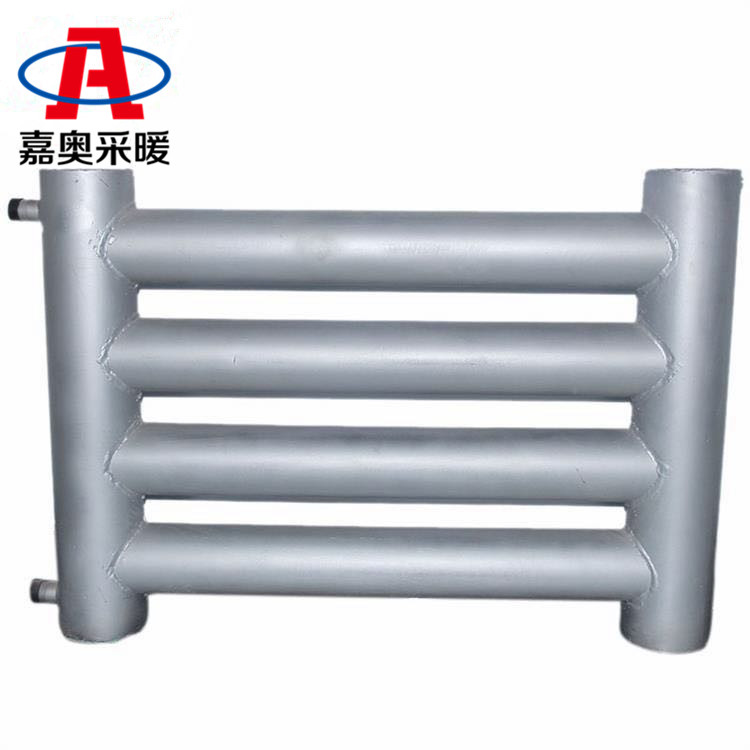
Jiaao GB Ray Tube Heat Sink A-Type Ray Tube Heat Sink Process Diagram D133-4000-4


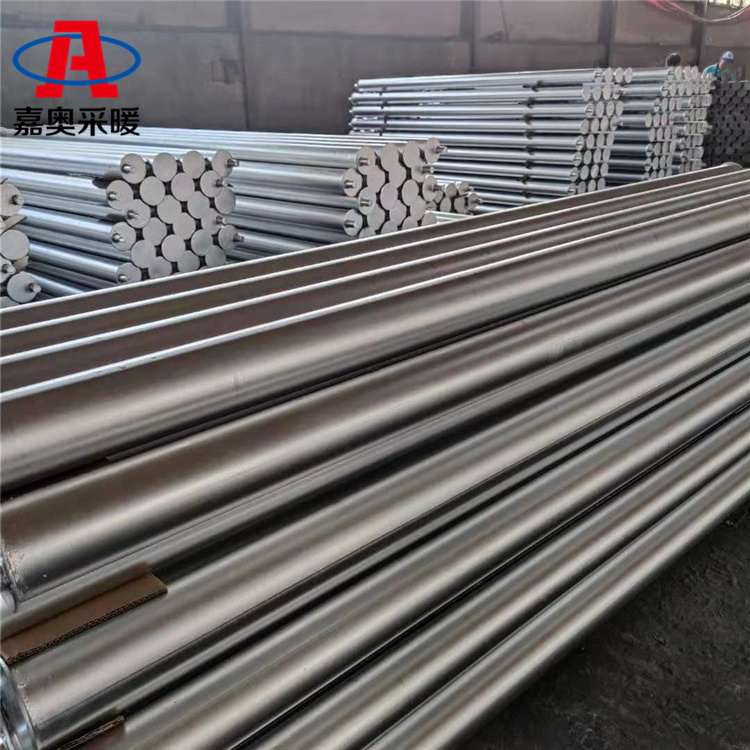


Radiators with light pipes are classified into two types based on different pipe diameters: Type A and Type B, which have different shapes and ranges. Radiators mainly rely on convective heat transfer, so the hot air flow rises, causing the temperature in the upper space to be significantly higher than that in the lower part, increasing the useless heat loss in the upper part. If the inlet and outlet temperatures of the radiator decrease, the temperature gradient in the indoor space will decrease, and the temperature distribution in the space will tend to be uniform, which will also make people feel comfortable.
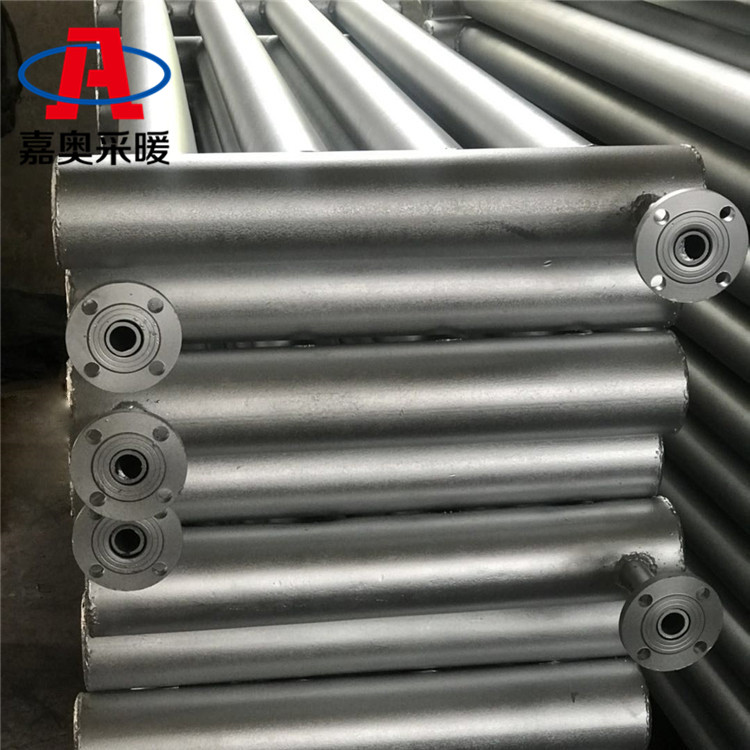
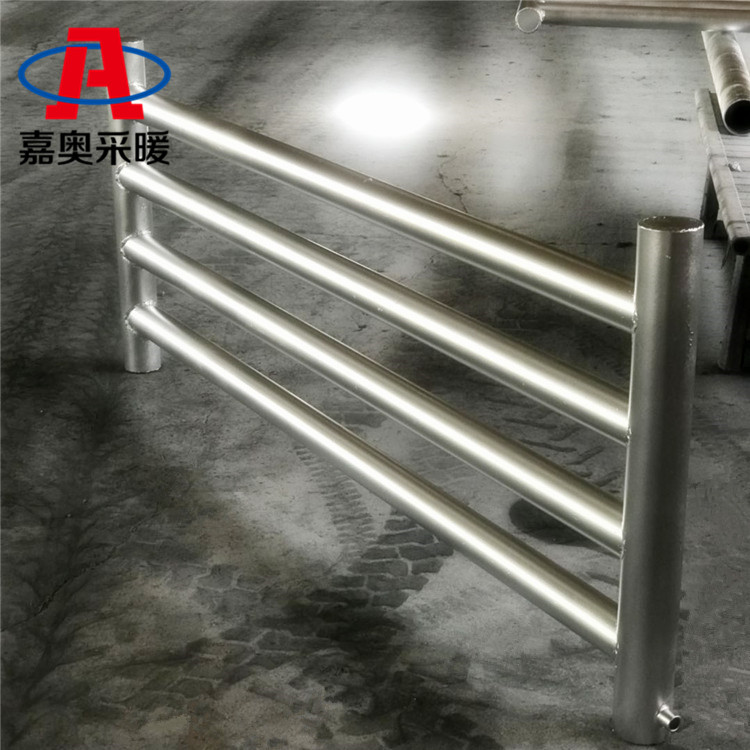

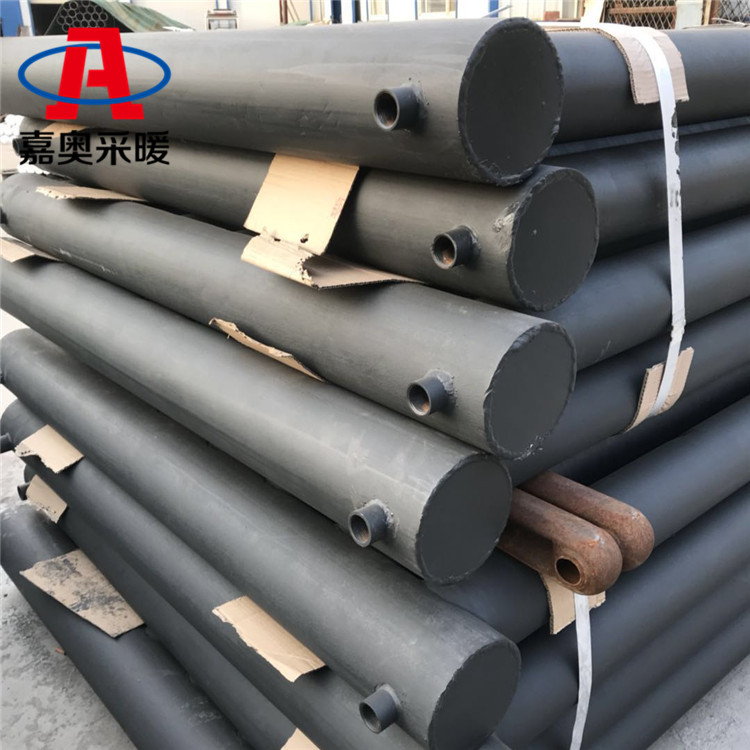


When the water supply temperature of the radiator is higher than 70 ℃, organic dust will decompose on the surface of the radiator, emitting odors and blackening the wall surface. Low temperature heating is more energy-efficient. Lowering the temperature of heating hot water can reduce heat loss in network pipelines. Taking a system with a supply and return water temperature of 95/70 ℃ as an example, for every 1 degree decrease in the average temperature of the supply and return water, the heat loss of the external network is relatively reduced by 1.3%.
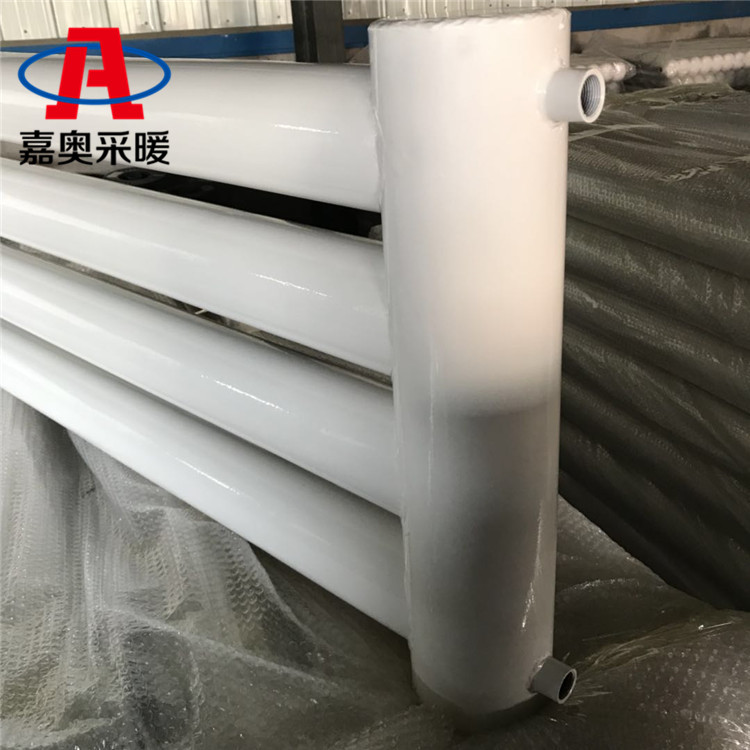
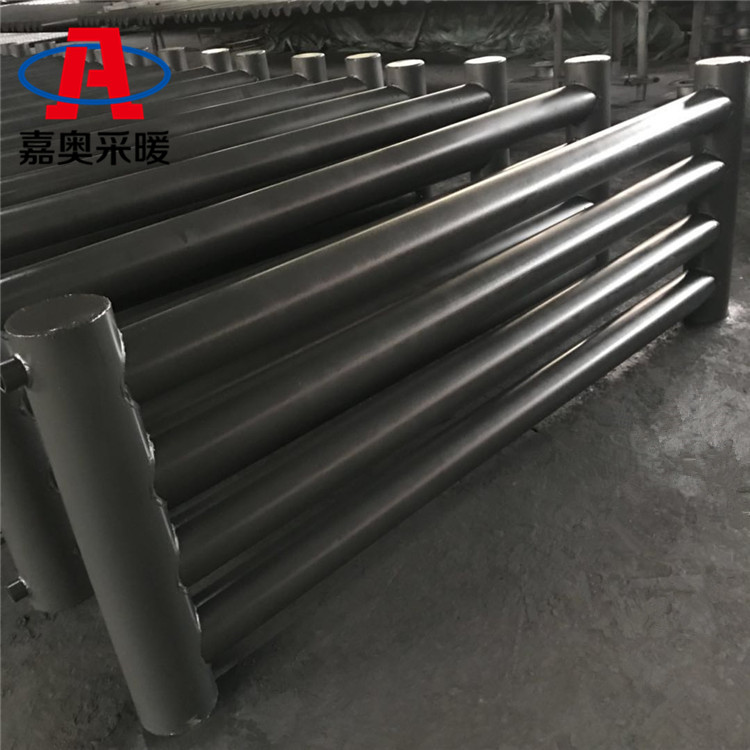


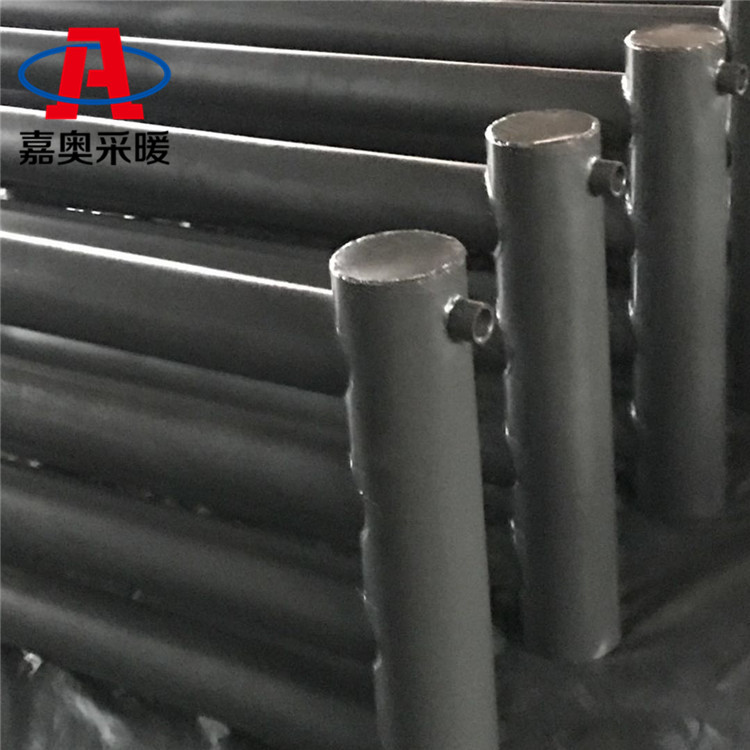
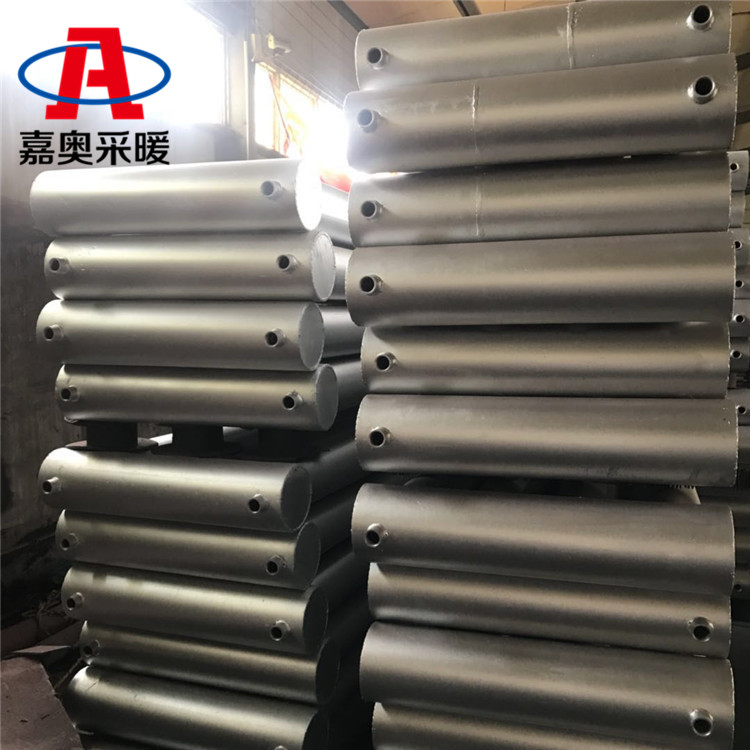
Industrial radiators with light exhaust pipes are carefully treated with internal anti-corrosion materials and specially welded to ensure a long service life. Radiators have excellent anti-corrosion and oxidation resistance properties. Suitable for general quality water as a heat medium.


AfterSalesService :
Key words:- GB light pipe radiator
More Products