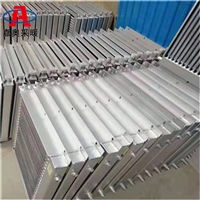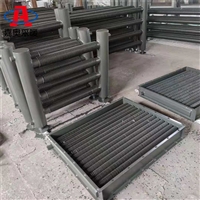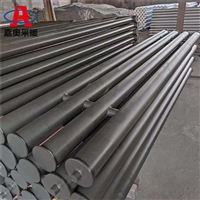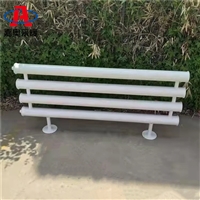
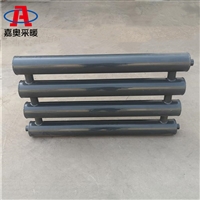
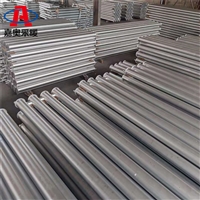
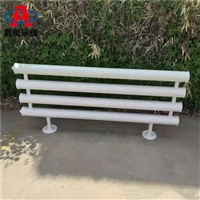
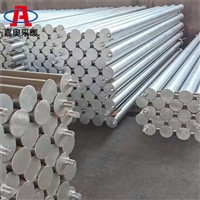
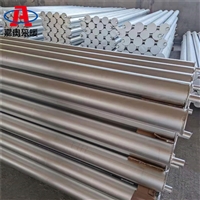
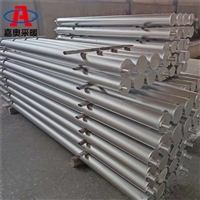
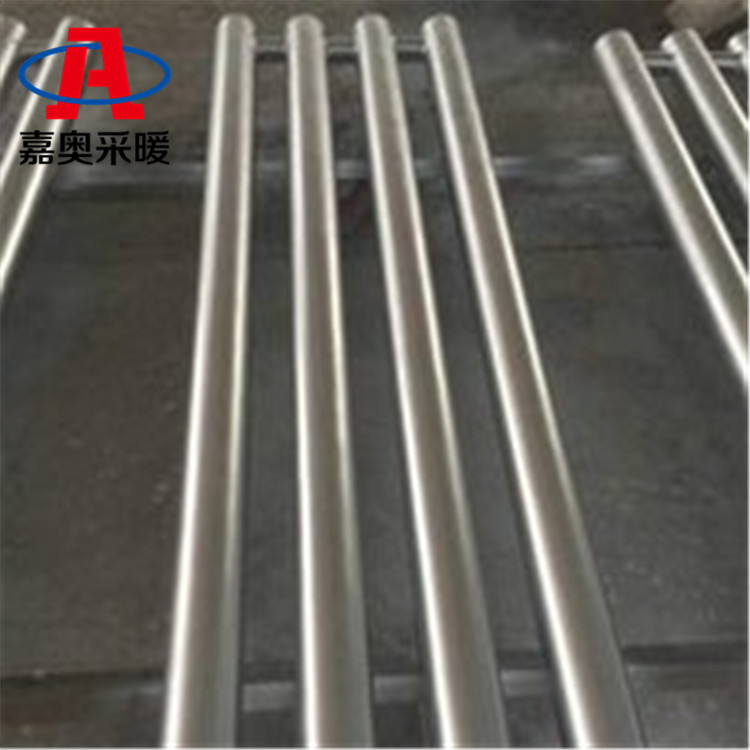
Installation of Jiaao light pipe radiator manual D108-1.5-3 light pipe radiator principle
Category:
hardware/plumbing hardware /Radiator
Model:
D108-1.5-3
Brand:
Jiaao
brand:
Jiaao
model:
D108-1.5-3
structural type:
Pipe type
Principle Type:
Convective heat dissipation
material:
steel
Processing & Customization:
yes
Installation type:
wall-mounted
surface treatment:
Rust proof paint, silver powder
Specifications and Dimensions:
one thousand and five hundred
Place of Origin:
Hengshui, Hebei
manufacturer:
Jiaao Heating
Retail Price
400.00USD
重量
kg
- Product Description
-
brand Jiaao
model D108-1.5-3
structural type Pipe type
Principle Type Convective heat dissipation
material steel
Processing & Customization yes
Installation type wall-mounted
surface treatment Rust proof paint, silver powder
Specifications and Dimensions one thousand and five hundred
Place of Origin Hengshui, Hebei
manufacturer Jiaao Heating
Description :
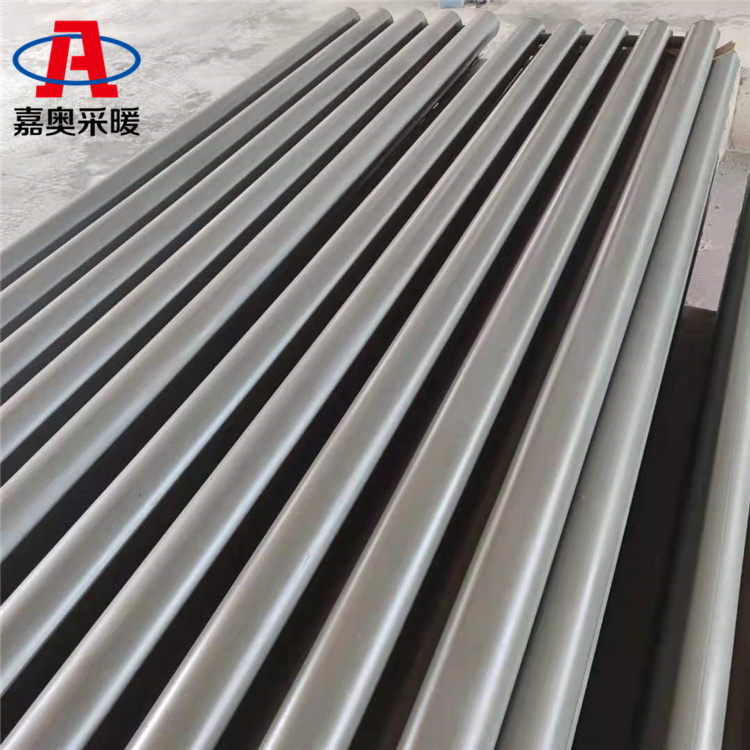
Installation of Jiaao light pipe radiator manual D108-1.5-3 light pipe radiator principle
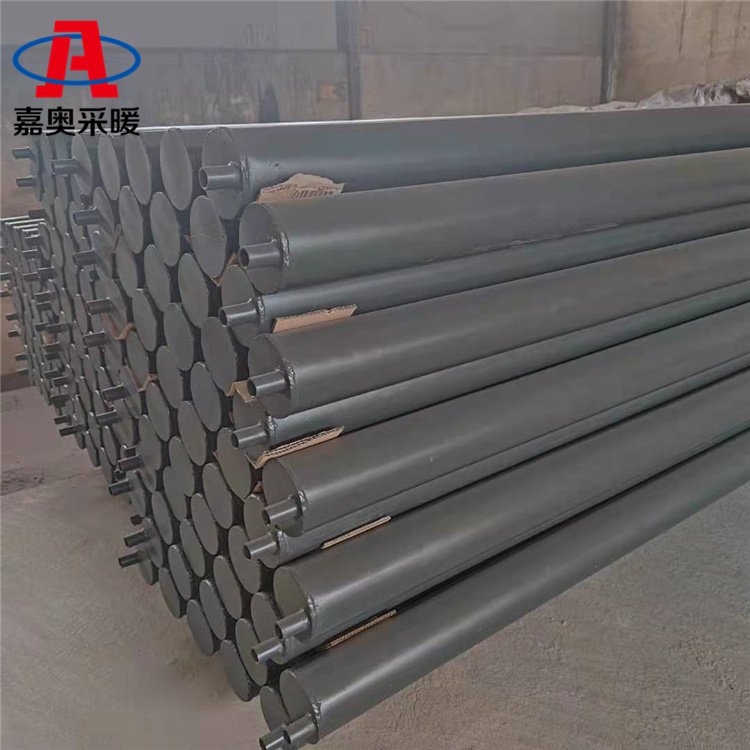

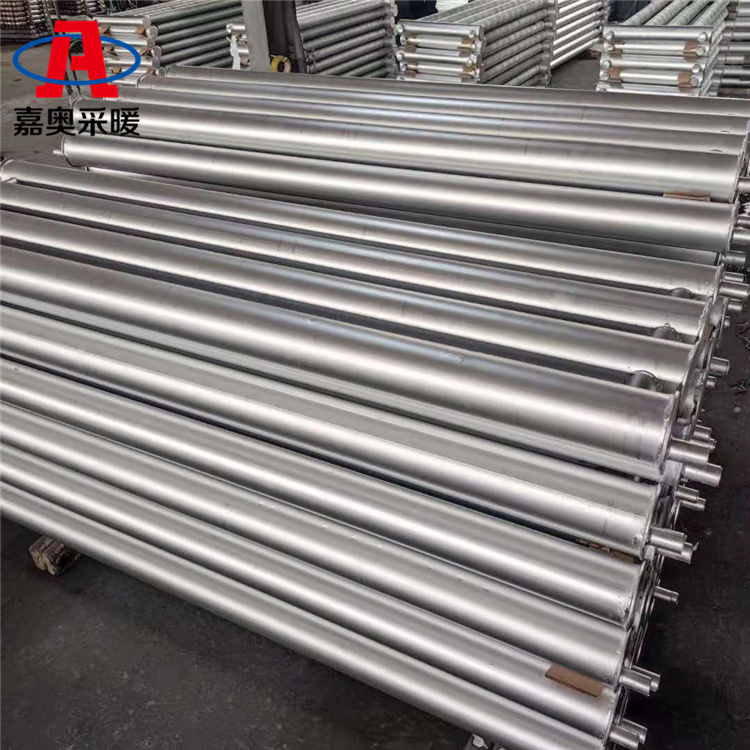

An electronic radiator is a temperature controller designed based on a PIC microcontroller. Through this controller, the radiator and several heat pipes can be used in the electric heating system of ordinary households. In response to the current low level of automation in greenhouse environmental control, a greenhouse automatic control system based on PIC16F877 microcontroller was designed. The hardware composition and working principle of greenhouse control were introduced, and a software flowchart was provided.
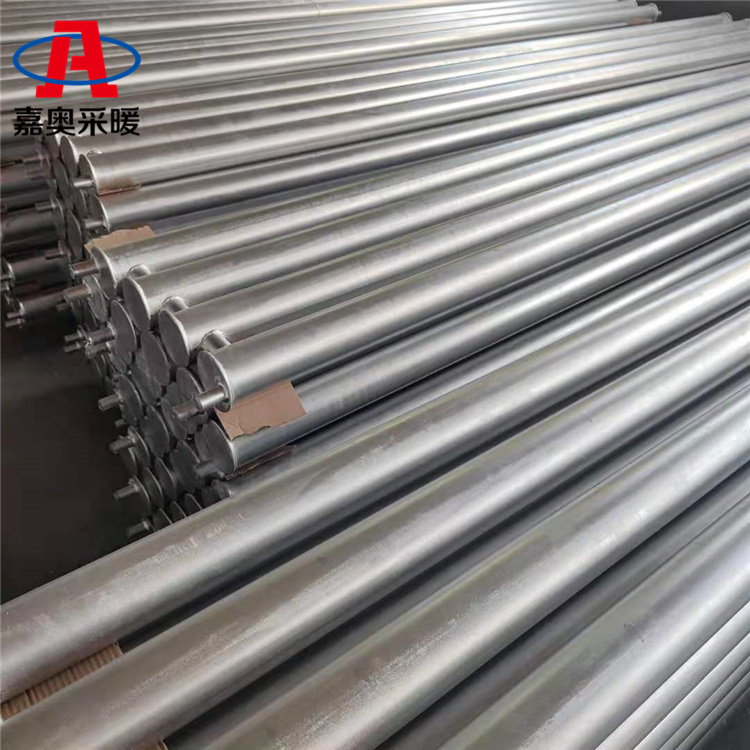
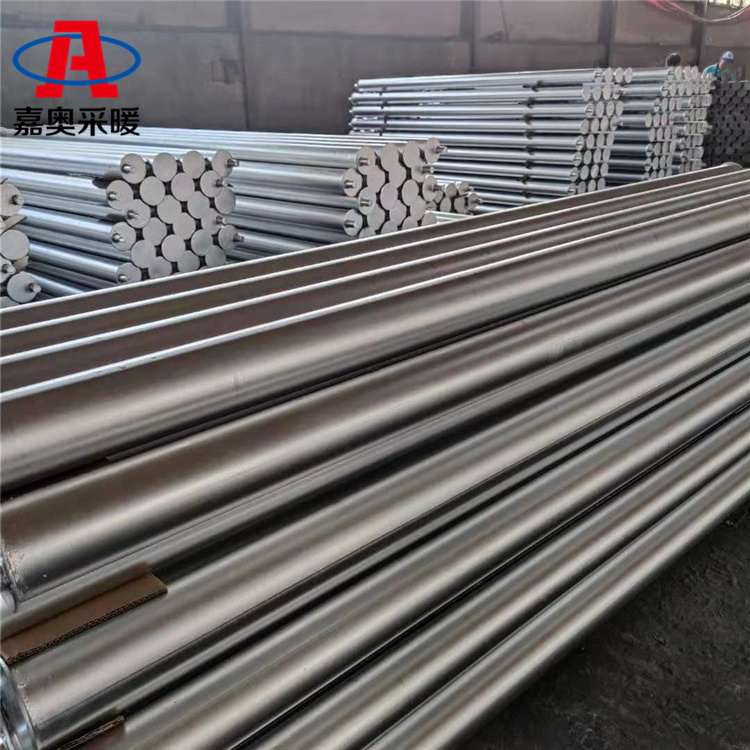

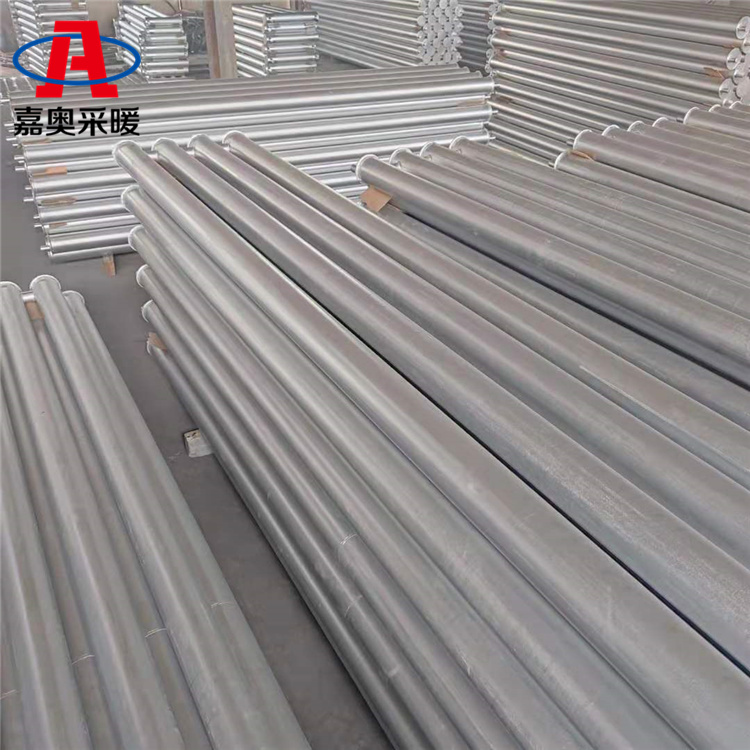
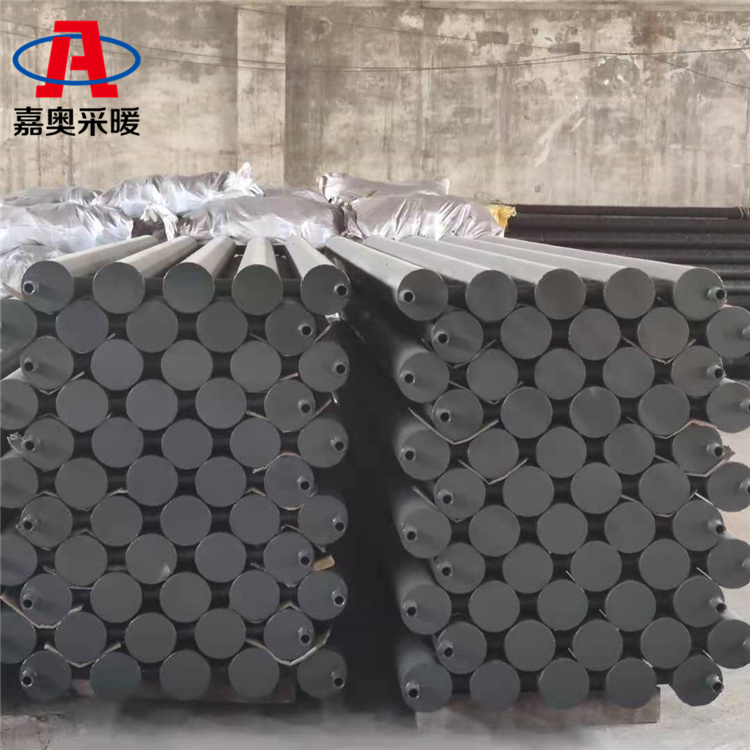

The hardware part uses temperature sensors to measure indoor temperature, and then the microcontroller system selects the working mode through signal processing and display. The power consumption of the entire system is calculated through reasonable algorithms and displayed through manual settings in key parts.
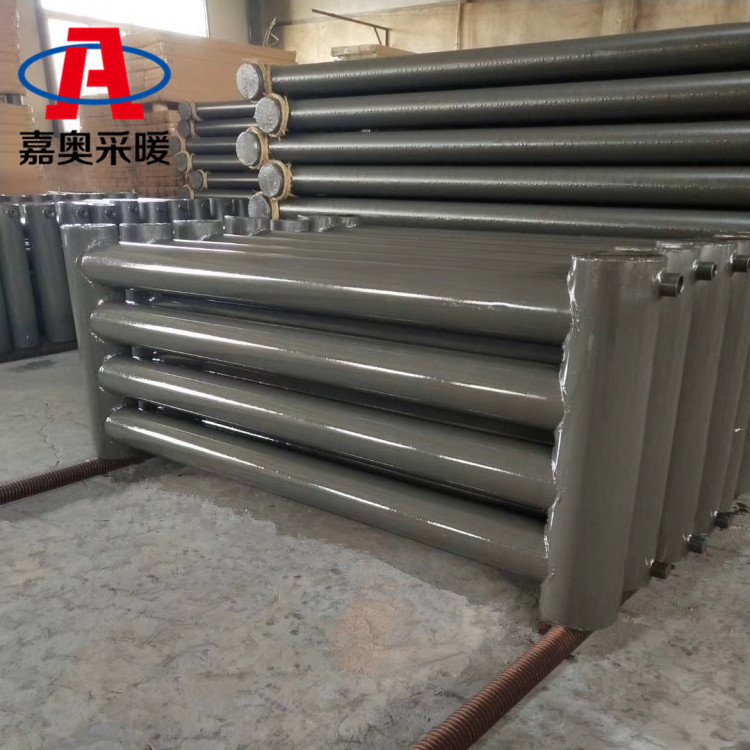


The principle of heat pipe technology is simple, mainly using the evaporation and condensation of the working fluid to transfer heat. The working fluids for heat pipes include liquid metal helium and nitrogen for low temperatures, and liquid and potassium for high temperatures. The commonly used working fluids for heat pipes include water, carbon, and methanol.
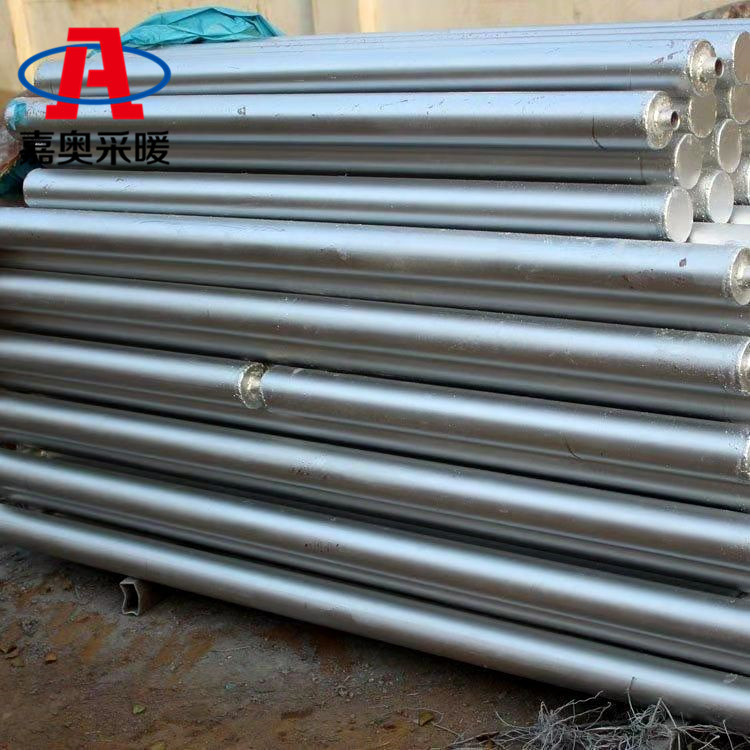



AfterSalesService :
Key words:- Manual installation of light pipe radiator
More Products