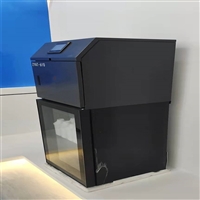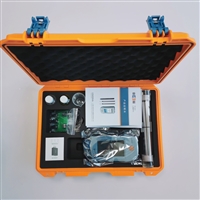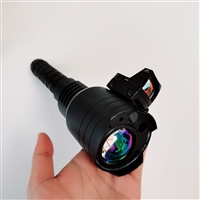
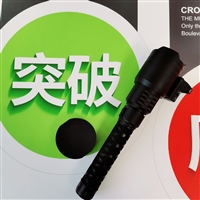
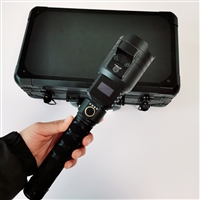


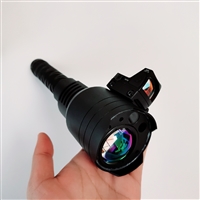
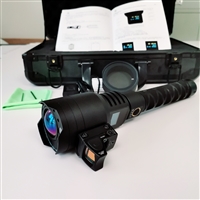
Laser methane telemetry instrument JY150 laser methane remote detection instrument
Category:
Instrumentation/Gas analyzer/Combustible gas detector
Model:
150M
Brand:
Thermal Holding Environmental Protection
model:
150M
type:
portable
measurement range:
150M
measurement object:
CH4
measurement accuracy:
five
resolution:
five
power supply:
two hundred and twenty
Shell material:
one
Protection level:
one
Explosion-proof rating:
one
Processing & Customization:
No
weight:
one
manufacturer:
RECJI
Retail Price
45,000.00USD
重量
kg
- Product Description
-
model 150M
type portable
measurement range 150M
measurement object CH4
measurement accuracy five
resolution five
power supply two hundred and twenty
Shell material one
Protection level one
Explosion-proof rating one
Processing & Customization No
weight one
manufacturer RECJI
Description :
Laser methane telemetry instrument JY150 laser methane remote detection instrument
The concentration detected by the laser methane sensor is the cumulative concentration of gas on the effective path of laser transmission. Under normal circumstances, the reflective linear beam detector system does not distinguish the gas concentration in local intervals on the working optical path, that is, the effect of high concentration gas in a small range and low concentration gas in a large range is the same. The unit of the sensor is the average concentration of the gas in ppm · m or% LEL · m. The results of testing 100% LEL air masses at 1 meter, 50% LEL air masses at 2 meters, and 25% LEL air masses at 4 meters are equal as shown in the following figure:
The working optical path requirement refers to the spatial path formed by the laser probe transmitting the laser in the monitored area. The laser beam within the detection area and the surrounding area should maintain air exchange communication to avoid objects blocking the laser path. It is recommended to ensure an unobstructed beam path with a diameter of 10cm or larger from the probe to the tested plane, and not to hit the plane without reflection in the air.
In order to achieve the desired testing results, please refer to BS EN 60079-29-2:2007 when selecting the testing location; IEC60079-29-2:2007 and relevant local regulations, the above standards can correctly guide users to choose the testing direction. In general, it is recommended to test the following areas in the Fuge environment:
If the potential leaked gas is heavier than air, it is recommended to test the lower part.
If the potential leaked gas is lighter than air, it is recommended to test at a high altitude.
When detecting potential leaks in equipment, it is advisable to approach the leak source as closely as possible, while also considering natural factors such as wind direction in the detection area. If the wind direction is uncertain, it is recommended to repeat the test near the potential leak.
During the day, in an environment with strong sunlight, avoid direct sunlight on the lens, and test the effect at night.
This product has undergone actual testing and can be tested stably on rainy days (moderate rain or less) without being affected by environmental interference
The distance between the optical telemetry instrument and the reflecting object should be kept within 150 meters, and the optical path and surrounding environment should be kept unobstructed, allowing the air in the protected area to circulate freely and avoiding beam obstruction. It is recommended that the working diameter of the beam should not be less than 30cm and the optical path should be kept clear. To achieve the desired usage effect, avoid being affected by the following environmental factors:
a、 Steam nozzle and feathers;
b、 chimney;
c、 Pedestrian walkways and pedestrian flow areas;
d、 Splash and spray, such as mobile spray equipment, cooling tower, etc;
e、 Vegetation, such as shrubs, branches, etc., weather factors or future growth factors of plants should also be considered;


AfterSalesService :
Key words:- Laser methane telemetry instrument
More Products