




600g two fabric one film manufacturer, 600g SN2 short fiber needle punched non-woven composite geomembrane
Category:
building materials/Geosynthetic materials/Geomembrane
Model:
Brand:
Zhengyu Geotechnical Materials
Retail Price
6.00USD
重量
kg
- Product Description
-
Description :
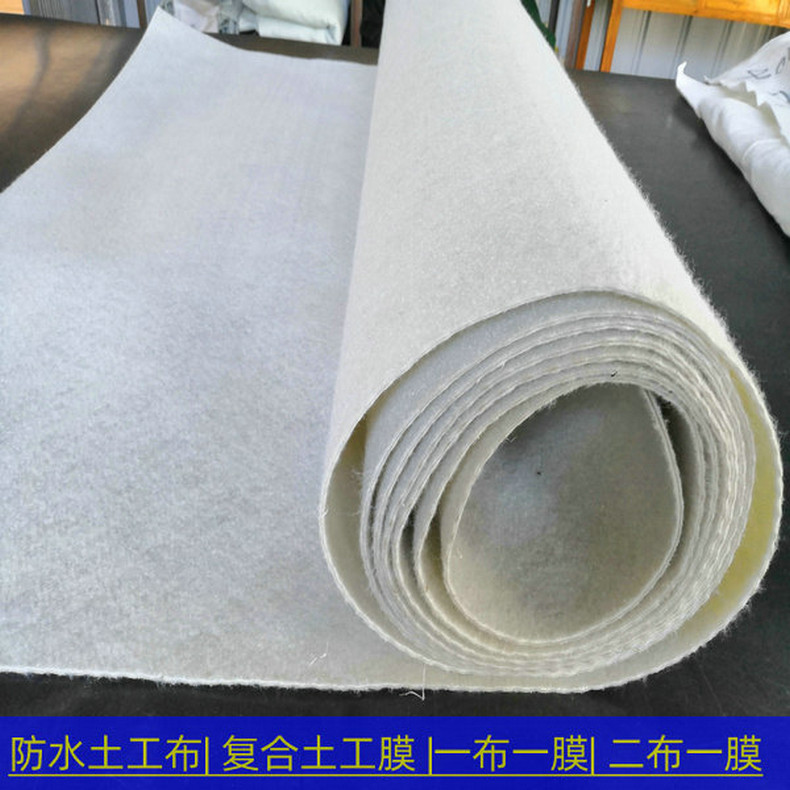


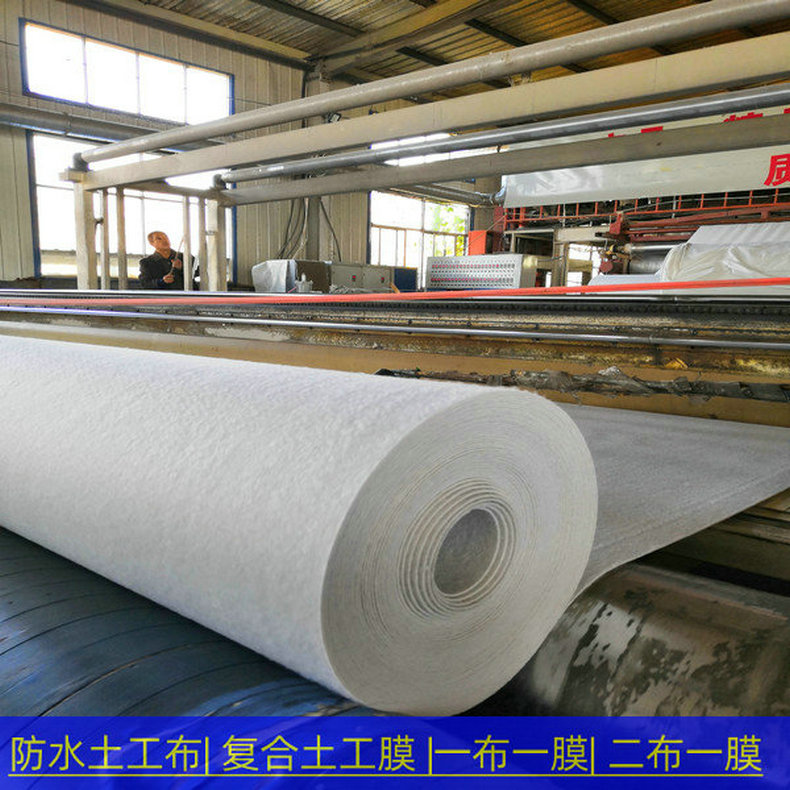
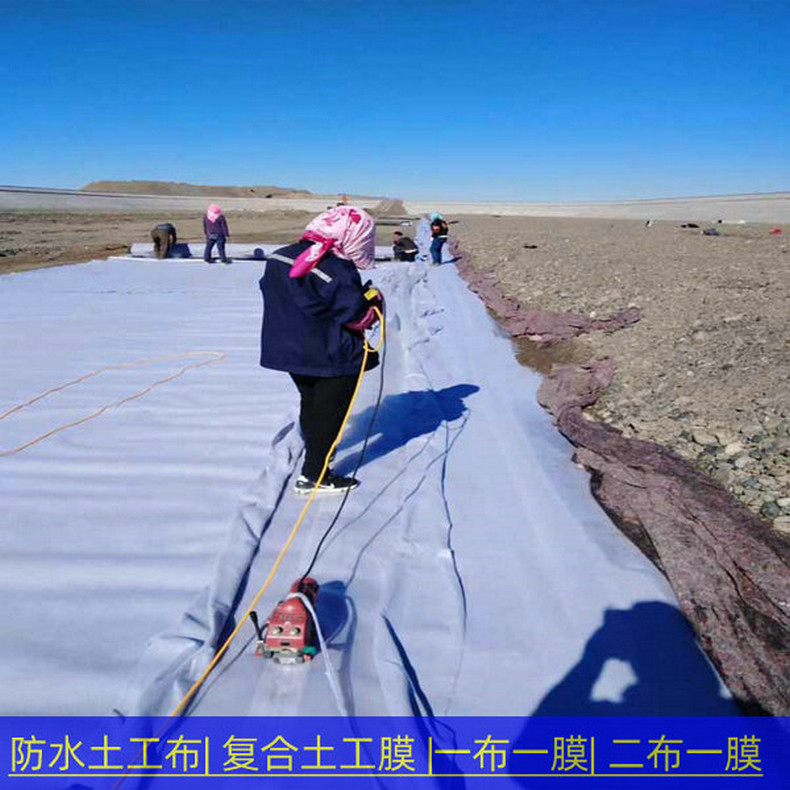
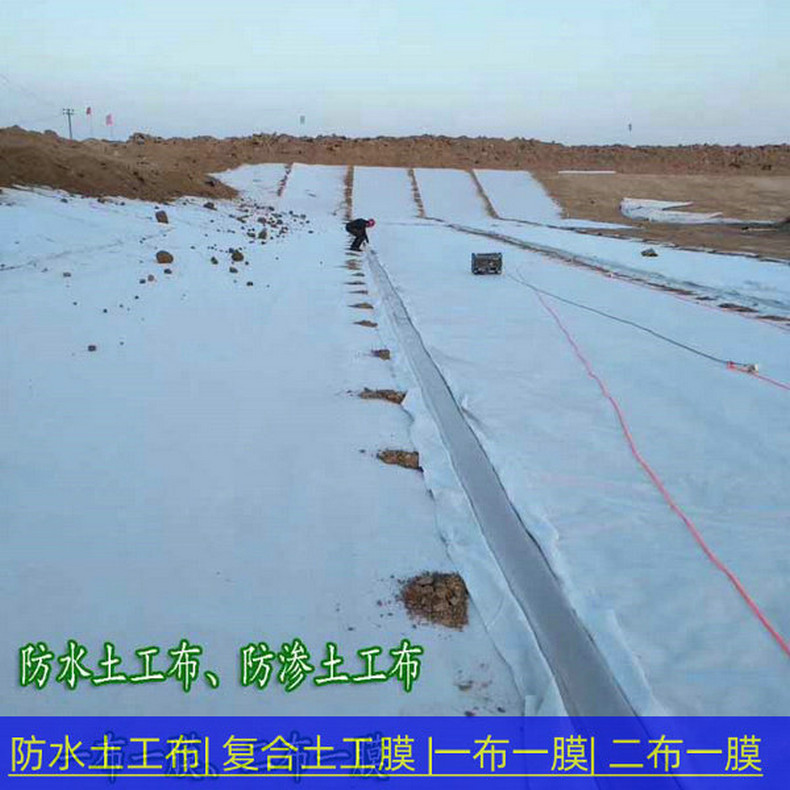
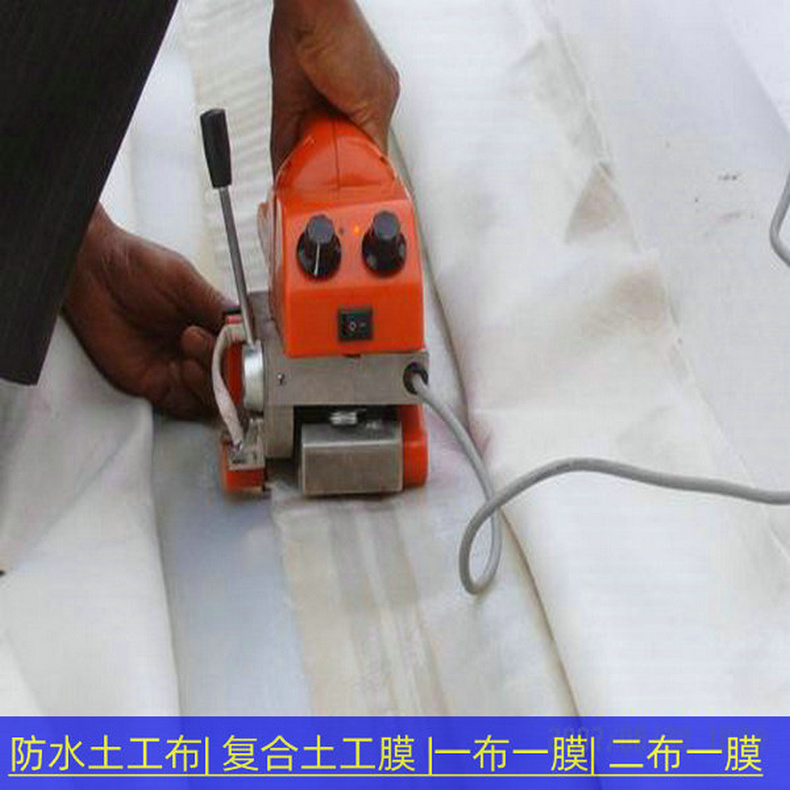
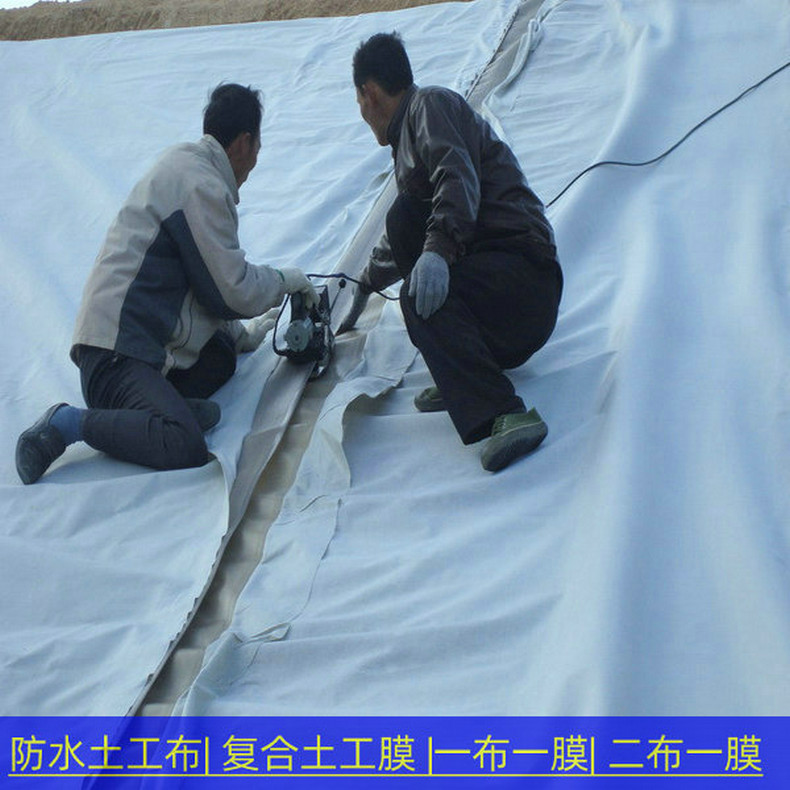
Composite geomembranes are widely used in channel anti-seepage engineering. The extensive application and effectiveness of geosynthetic materials in civil engineering, especially in flood control and emergency engineering, have attracted high attention from engineering and technical personnel. For the application technology of geosynthetics, the country has put forward standardized technical requirements from aspects such as anti-seepage, filtration, drainage, reinforcement, and protection, greatly accelerating the promotion and application of new materials. This material has been widely used in the anti-seepage engineering of irrigation channels. Based on construction practice, this article briefly discusses the application technology of composite geomembranes.
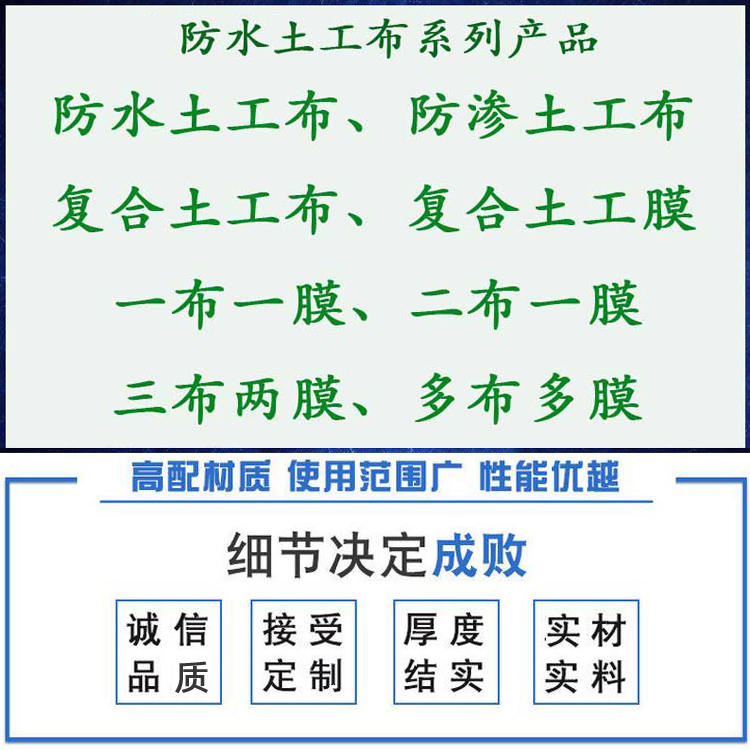
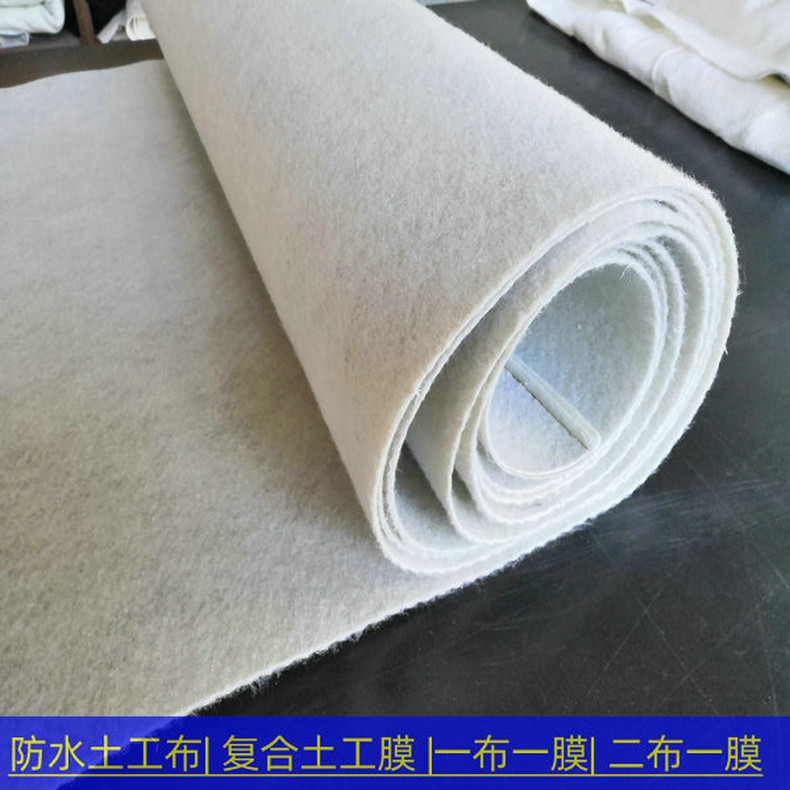
Composite geosynthetic membrane is an impermeable material composed of geotextile and geosynthetic membrane. It is mainly used for anti-seepage. Composite geosynthetic membrane is divided into one fabric and one membrane and two fabrics and one membrane, with a width of 4-6m and a weight of 200-1500g/m2. It has high physical and mechanical performance indicators such as tensile strength, tear resistance, and bursting resistance, and can meet the needs of civil engineering such as water conservancy, municipal engineering, construction, transportation, subway, tunnel, etc. Due to the use of polymer materials and the addition of anti-aging agents in the production process, it can be used in unconventional temperature environments.
Precautions for construction of composite geomembrane:
1. Composite geomembrane is formed by heating one or both sides of a thin film with far-infrared radiation in an oven, and pressing the geotextile and geomembrane together through a guide roller. With the improvement of production technology, there is also a casting method for making composite geomembranes. Its forms include one cloth and one film, two cloths and one film, two films and one cloth, etc. 600g two fabric one film manufacturer, 600g SN2 short fiber needle punched non-woven composite geomembrane
2. Geotextile serves as a protective layer for geomembrane, preventing damage to the anti-seepage layer. In order to reduce the ultraviolet radiation and increase the anti-aging performance, the embedding method is adopted.
During construction, the first step is to use sand or clay with smaller diameters to level the base surface, and then lay the geomembrane. Do not tighten the geomembrane too tightly. The two ends should be buried in the soil in a corrugated shape, and then a transition layer of about 10cm should be laid on the geomembrane with fine sand or clay. Build 20-30cm stone blocks (or precast concrete blocks) as a protective layer against erosion. During construction, efforts should be made to avoid stones directly hitting the geomembrane, and protective layer construction should be carried out while laying the membrane. The connection between composite geomembrane and surrounding structures should be anchored with expansion bolts and steel plate pressure strips. The connection area should be coated with emulsified asphalt (2mm thick) for bonding to prevent leakage. 600g two fabric one film manufacturer, 600g SN2 short fiber needle punched non-woven composite geomembrane.
Main products: geotextile, geotextile membrane, composite geotextile membrane, drainage board, storage and drainage board, bentonite waterproof blanket, soft permeable pipe, geotextile mat, and other geotextile materials. The product is mainly used in domestic engineering fields such as water conservancy, railways, highways, and construction. The company is an enterprise that integrates independent product research and development, production, and equipment manufacturing. The company's products have been widely used in railways, bridges, waterproofing, engineering, and all performance indicators of the products meet and exceed national standards. The company's leading foreign trade products, plastic networks and reinforced fibers, have been exported to countries such as Canada, New Zealand, and Southeast Asia. Based on the domestic market, the company actively explores international markets and achieves diversified market development. The product has been unanimously recognized by engineering experts and domestic and foreign customers, and has won a good reputation.
Composite geomembranes are widely used in channel anti-seepage engineering. In recent years, the extensive application and effectiveness of geosynthetic materials in civil engineering, especially in flood control and emergency engineering, have attracted high attention from engineering and technical personnel. For the application technology of geosynthetics, the country has put forward standardized technical requirements from aspects such as anti-seepage, filtration, drainage, reinforcement, and protection, greatly accelerating the promotion and application of new materials. This material has been widely used in the anti-seepage engineering of irrigation channels, combined with construction practice. 600g two fabric one film manufacturer, 600g SN2 short fiber needle punched non-woven composite geomembrane
Composite geomembrane is an impermeable material composed of geomembrane and geotextile. It is mainly used for anti-seepage. Composite geomembrane is divided into one fabric and one membrane and two fabrics and one membrane, with a width of 4m and a weight of 200-800g/m2. It has high physical and mechanical performance indicators such as tensile strength, tear resistance, and bursting resistance, and can meet the needs of civil engineering such as water conservancy, municipal engineering, construction, transportation, subway, tunnel, etc. Due to the use of polymer materials and the addition of anti-aging agents in the production process, it can be used in unconventional temperature environments. 600g two fabric one film manufacturer, 600g SN2 short fiber needle punched non-woven composite geomembrane
Composite geomembrane is a composite geomembrane made of non-woven geotextile, geotextile, or woven geotextile combined with polyethylene, which can be directly coated with heat treatment or polyethylene PE film. In addition, composite waterproof boards made of EVA material can also be called composite geomembranes and are widely used in highway and railway tunnel projects. Some products of composite geotextile and composite geomembrane have different names, but they refer to the same product. Due to the lack of standardized terminology for geotextile as an emerging material, there is confusion and lack of standardization in the definition of geomembranes. India develops jute geotextile - strictly speaking, all membrane like materials used in civil engineering can be collectively referred to as geomembranes. The so-called composite geomembrane is a composite material geomembrane that combines or connects two materials together and has isolation and anti-seepage effects.
AfterSalesService :
Key words:- 600 grams of two fabrics and one film
More Products


